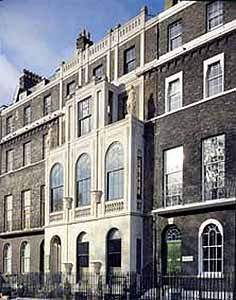
Soane Museum
Casa Museo John Soane- 1808 - 1825
- SOANE, John
-
KNOX, Tim
Restauración
2011 - 2013
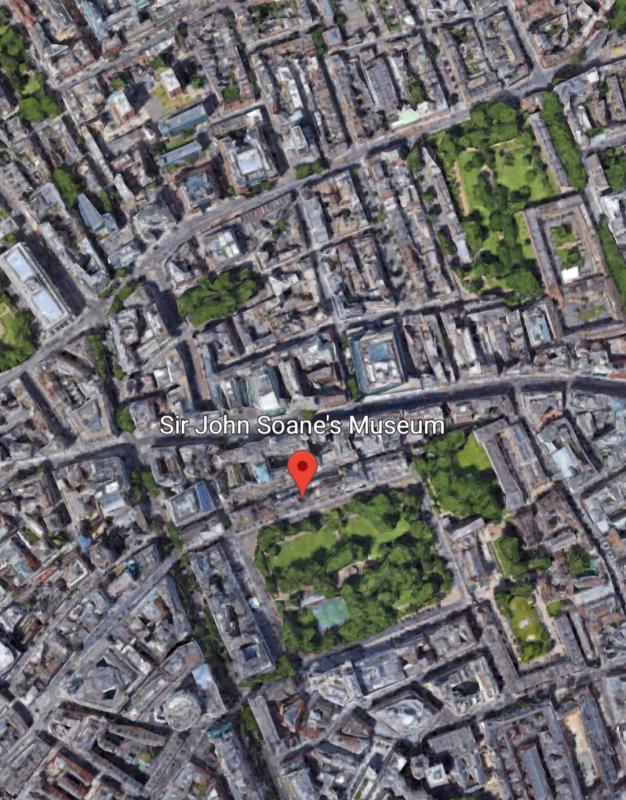
Tim Knox fue director del Museo Soane de 2005 a 2013, donde llevó a cabo una restauración de las Lincoln's Inn Fields, los dos apartamentos adyacentes al museo (uno a cada lado), para convertirlos en espacios que formasen parte de la exhibición pública. - Londres
- Reino Unido
- 9 secretos de la Casa-Museo Soane, INGLÉS [06-2-2018]
- Articulo sobre el soane museum [26-3-2023]
- Artículo: Sir John Soane, arquitecto de colecciones, su casa-museo [06-2-2018]
- Breve descripción Casa Soane, INGLÉS [06-2-2018]
- Bibliografía completa del Museo Soane. Soane.org [01-11-2015]
- Casa de John Soane [17-11-2013]
- Colecciones de los apartamentos privados de John Soane, INGLÉS [06-2-2018]
- Crítica del museo, como parte de los edificios de Londres. Lonely Planet. [25-10-2015]
- Datos de la casa [17-11-2013]
- Casa-Museo Soane Museum [29-9-2014]
- Descripción WIKIPEDIA [06-2-2018]
- Descripcion del museo [04-11-2013]
- Entrada acerca de parte de las obras que recoge el museo. Jerome Online. [25-10-2015]
- Fundación John Soane, conservación [06-2-2018]
- Historia del museo [17-11-2013]
- Historia del Soane Museum [29-9-2014]
- Historia y actualidad del Museo Soane, INGLÉS [06-2-2018]
- historia del museo [04-11-2013]
- Información general completa acerca del museo. Wikipedia. [25-10-2015]
- Información turística del museo. Londres.es [04-11-2013]
- John Soane [17-11-2013]
- Museo de john soane [04-11-2013]
- Museo Soane [04-11-2013]
- Museo Soane, una colección desordenada, INGLÉS [06-2-2018]
- Razones por la que visitar el Museo Soane [06-2-2018]
- Referencia bibliográfica. [26-3-2023]
- Resumen del museo y su papel en la trayectoria de John Soane. Blog Sir John Soane. [25-10-2015]
- Soane Museum. Wikipedia [29-9-2014]
- Sir John Soane's Museum Foundation [29-9-2014]
- Soane Museum. Wikipedia [29-9-2014]
- Trabajo de la facultad de arquitectura de la universidad publica de Madrid [26-3-2023]
- Un pequeño museo en Londres [17-11-2013]
- Web del Soane Museum. Información histórica y actual completa. Soane.org [25-10-2015]
- VÍDEO. Resumen de la historia del museo. Youtube. [25-10-2015]
- VÍDEO. Ian Hislop - Sir John Soane's Museum. Youtube. [25-10-2015]
- VÍDEO. Sir John Soane's Museum: 'A crazy labyrinth of art, architecture and history'. Youtube. [25-10-2015]
- WEB OFICIAL: Museo Sir John Soane [06-2-2018]
- Web del Soane Museum [29-9-2014]
- Sección
- Descripción en inglés
- PDF sobre Soane Museum
- Análisis de caso
- Video sobra la historia de la restauración del Soane Museum
- Descripción de la restauración en inglés
- Sección
- Descripción en inglés
- PDF sobre Soane Museum
- Análisis de caso
- Video sobra la historia de la restauración del Soane Museum
- Descripción de la restauración en inglés
- Sección
- Descripción en inglés
- PDF sobre Soane Museum
- Análisis de caso
- Video sobra la historia de la restauración del Soane Museum
- Descripción de la restauración en inglés
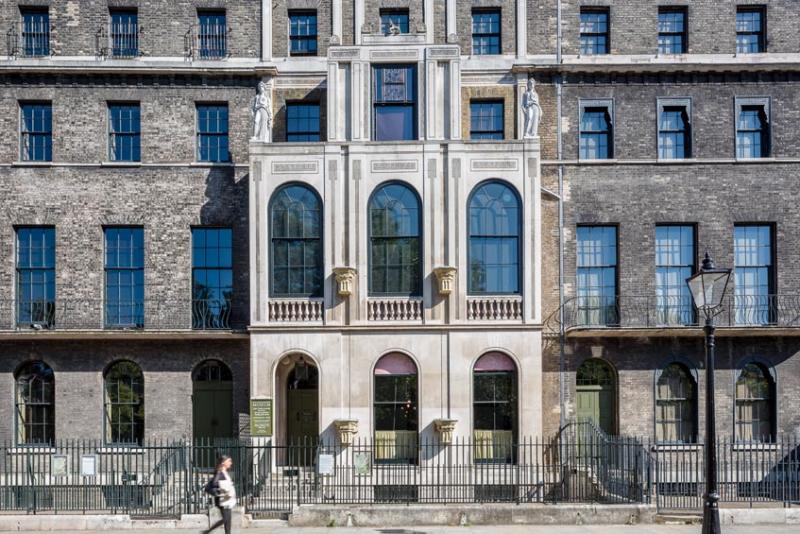
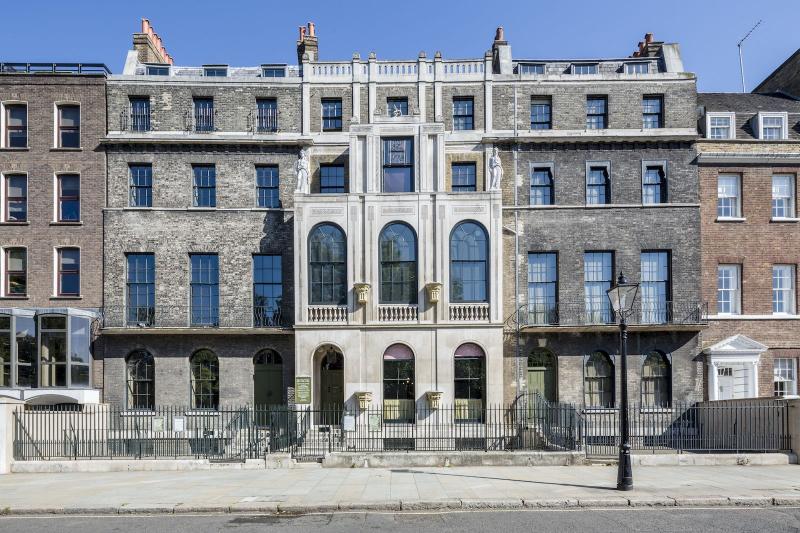
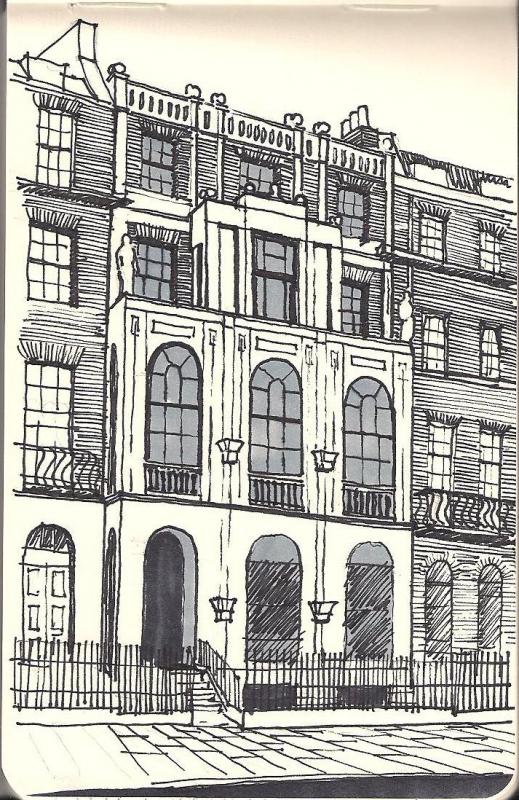
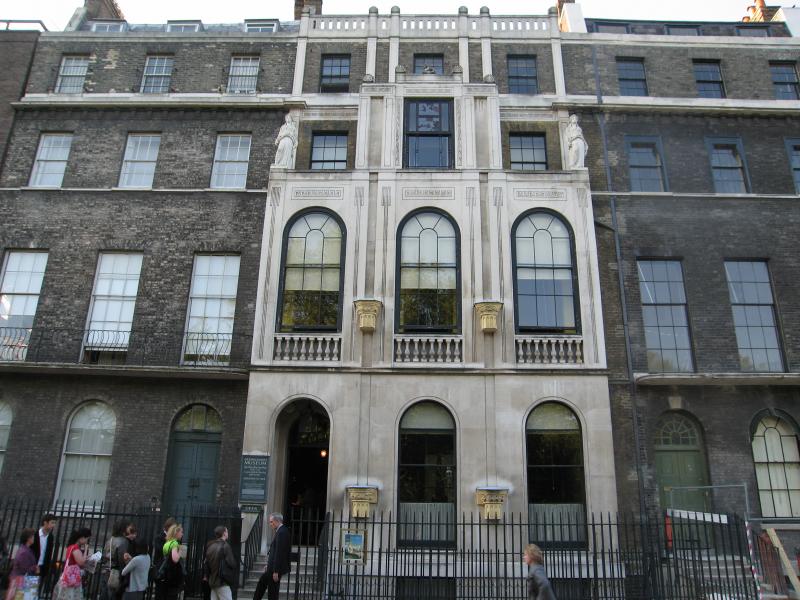
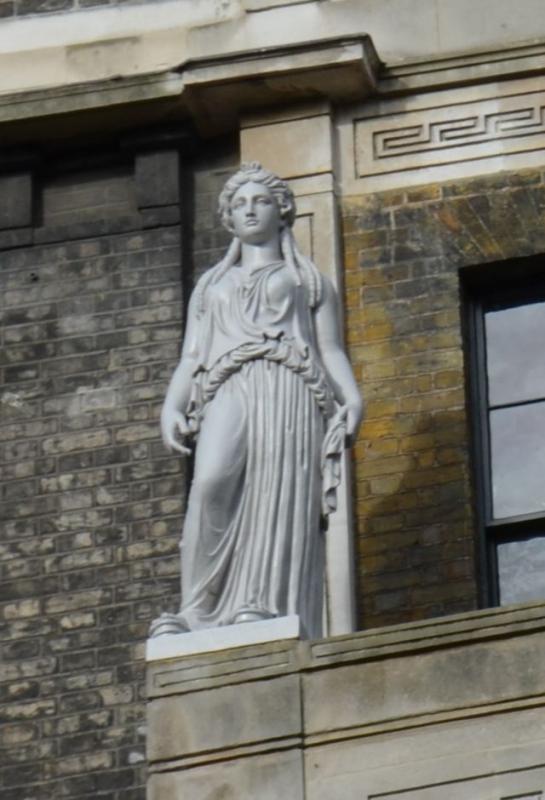
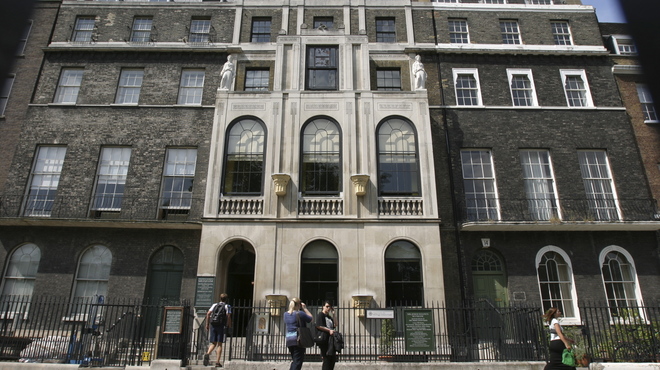

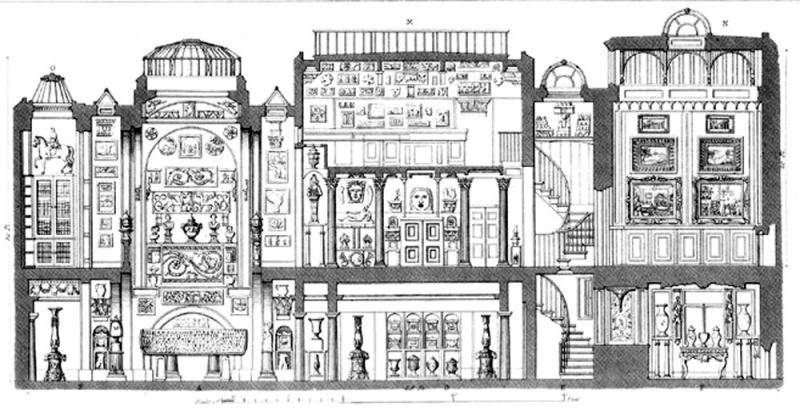
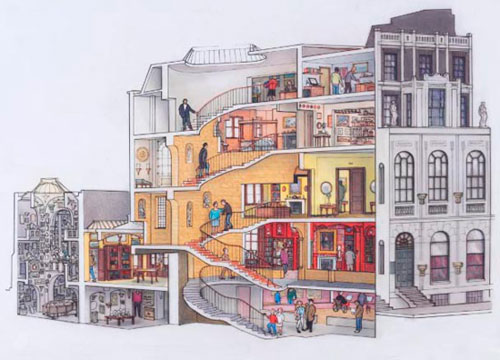
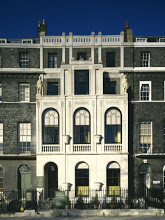
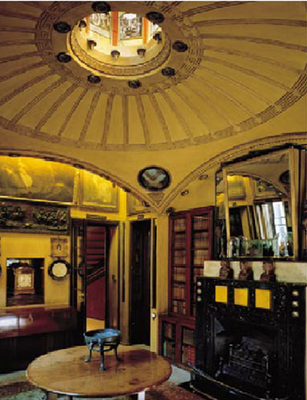
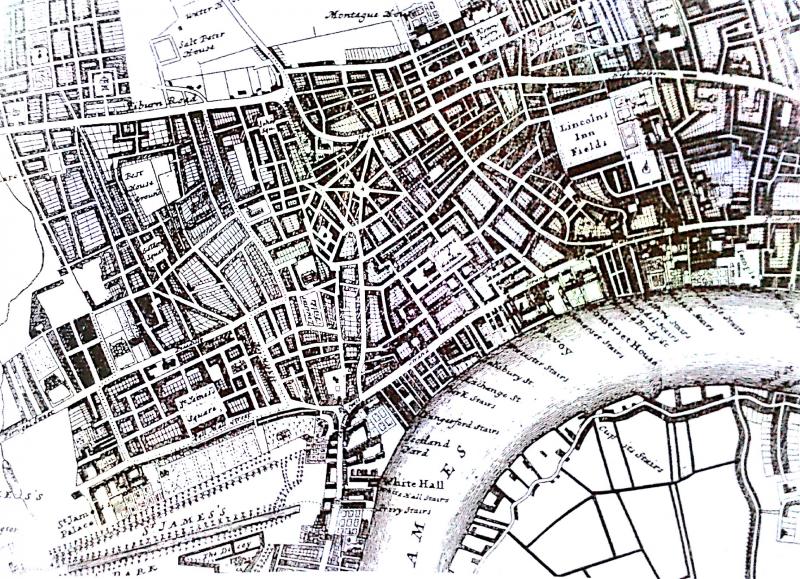
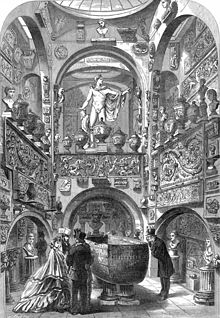
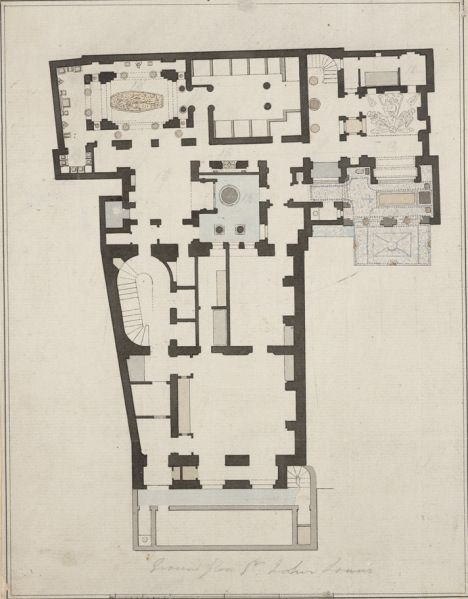
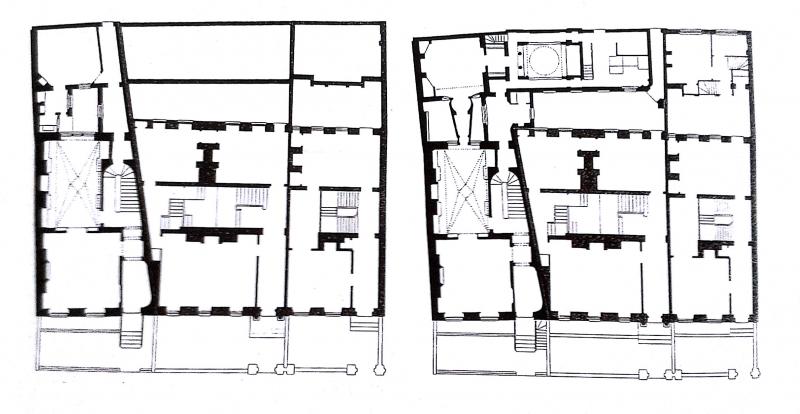
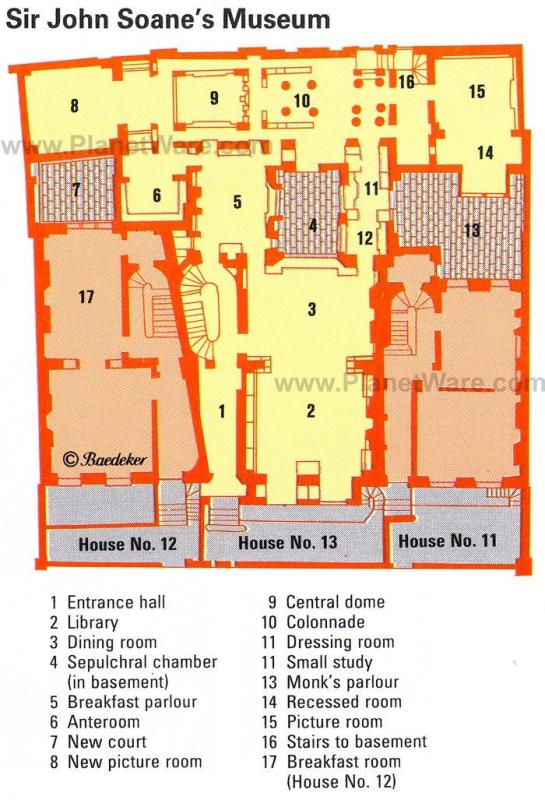
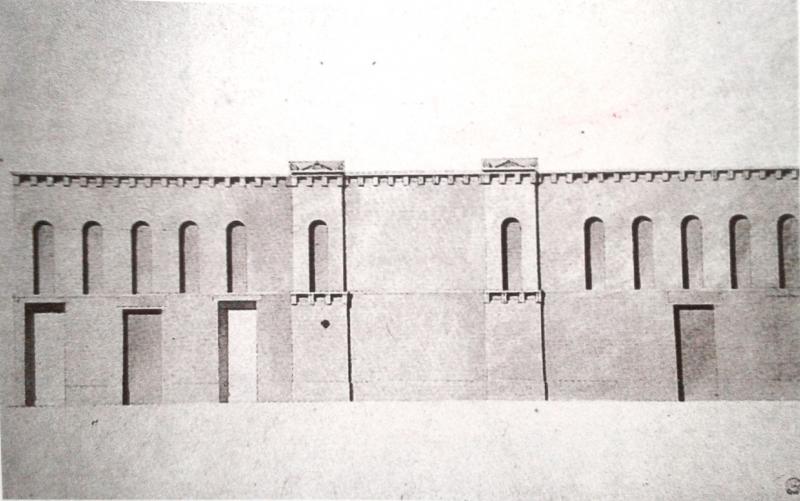
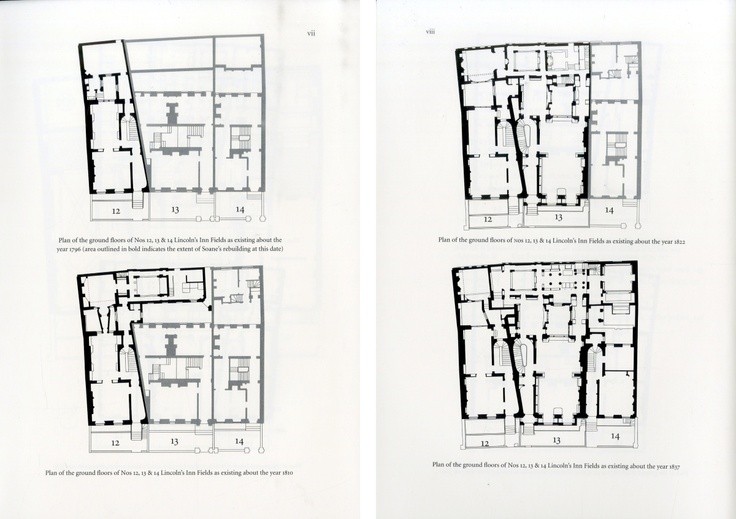
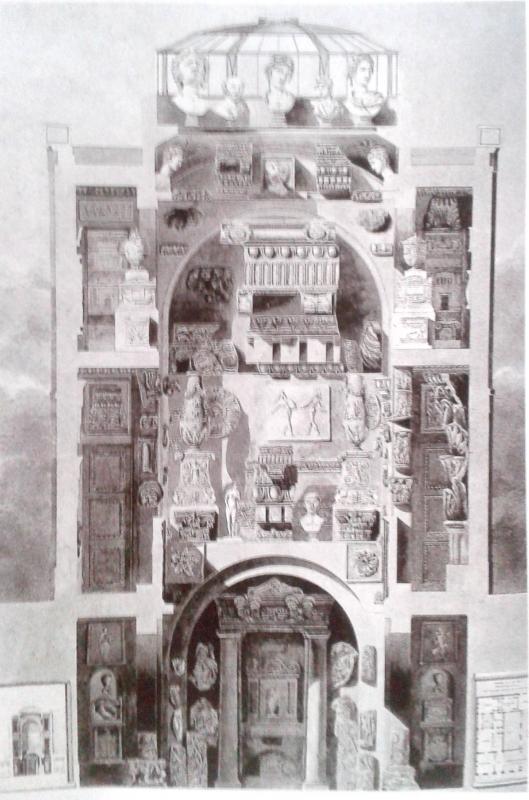
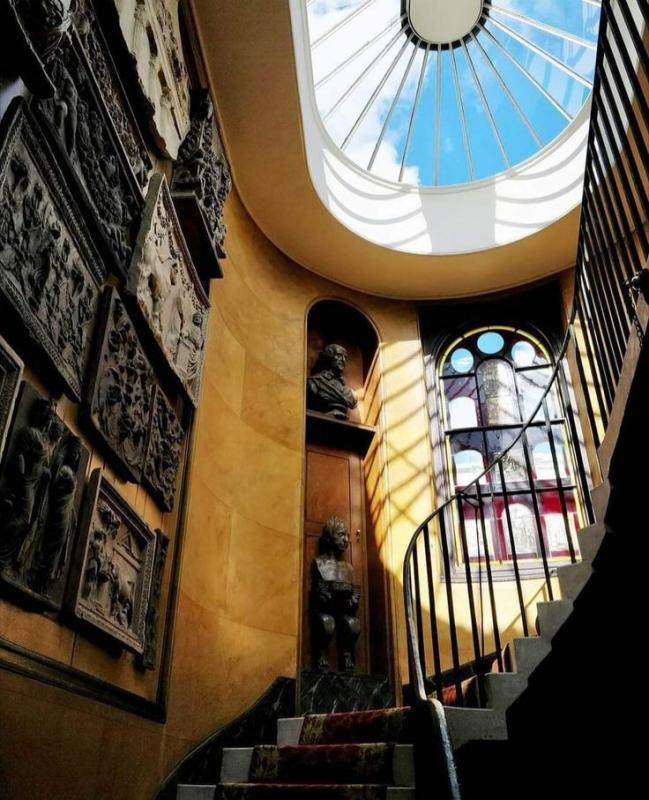
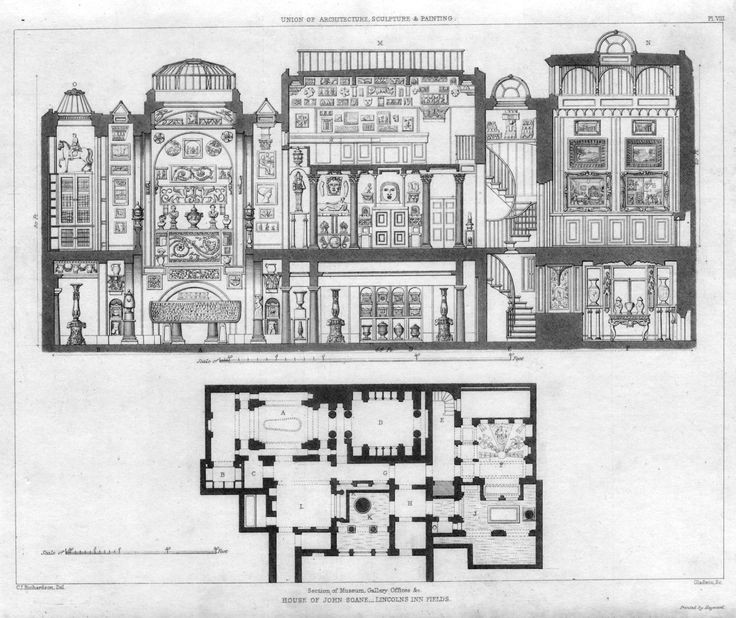
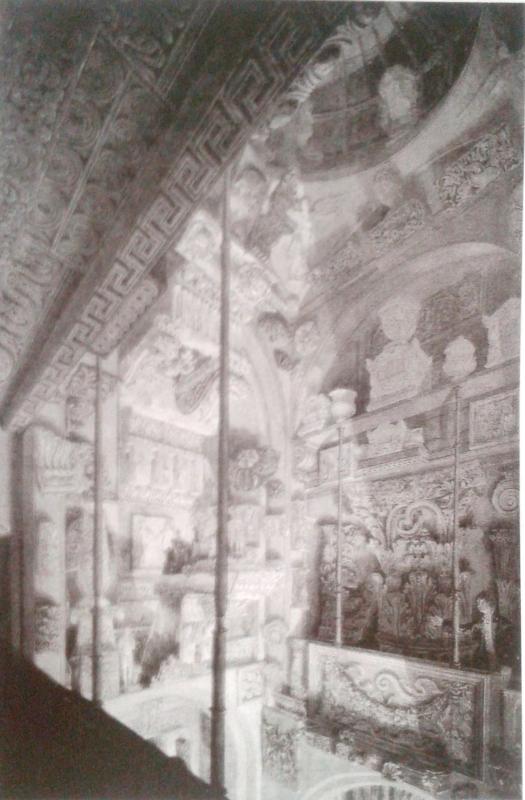
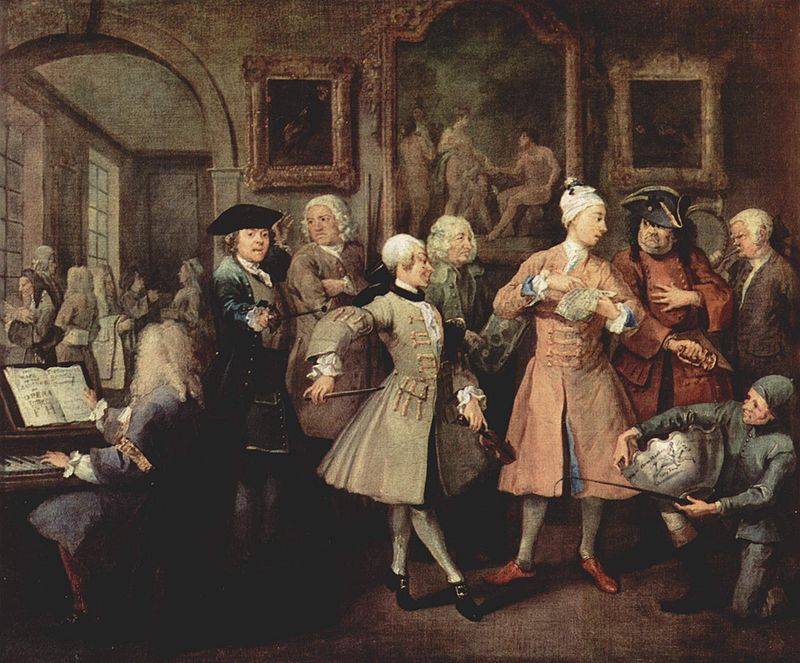
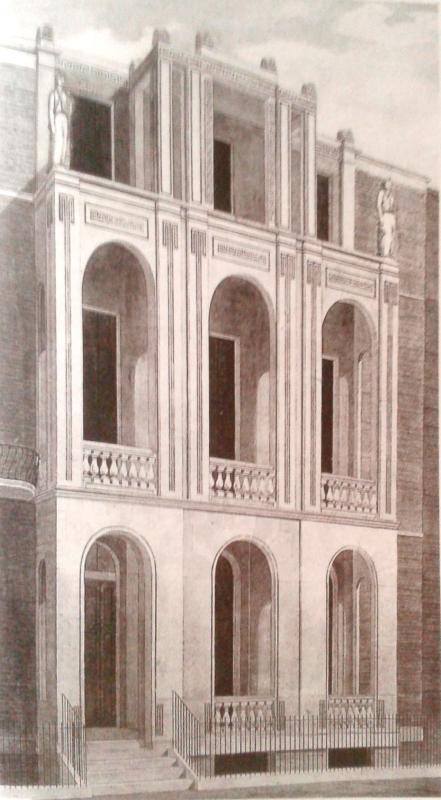
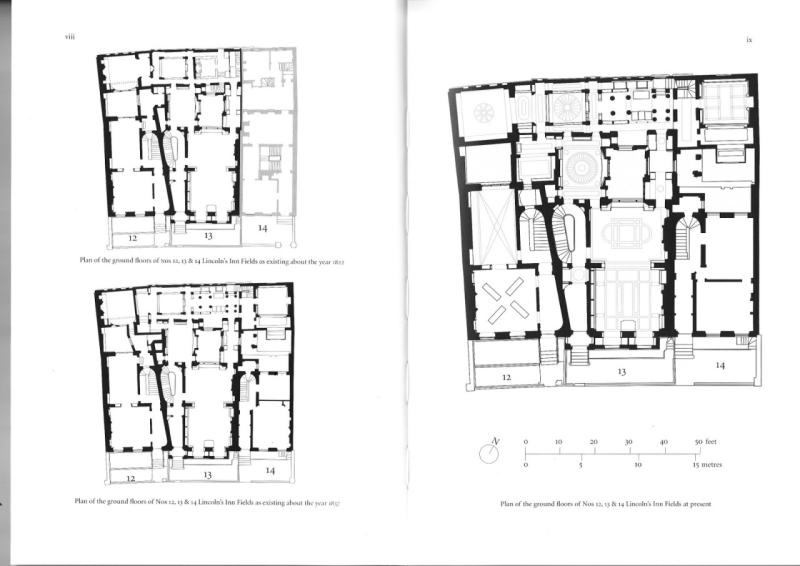
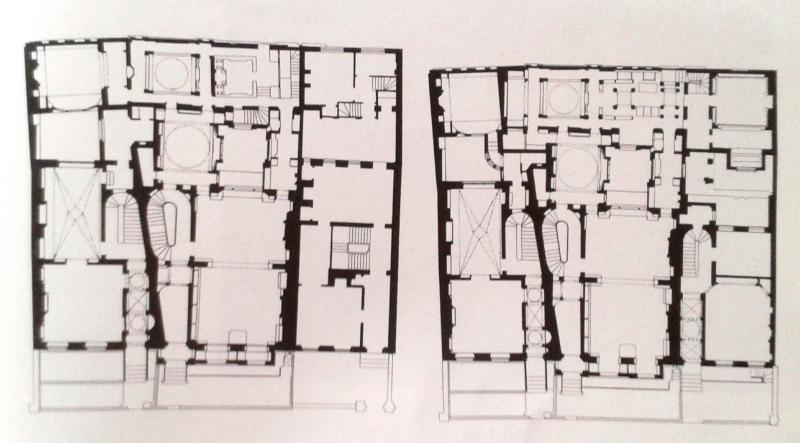
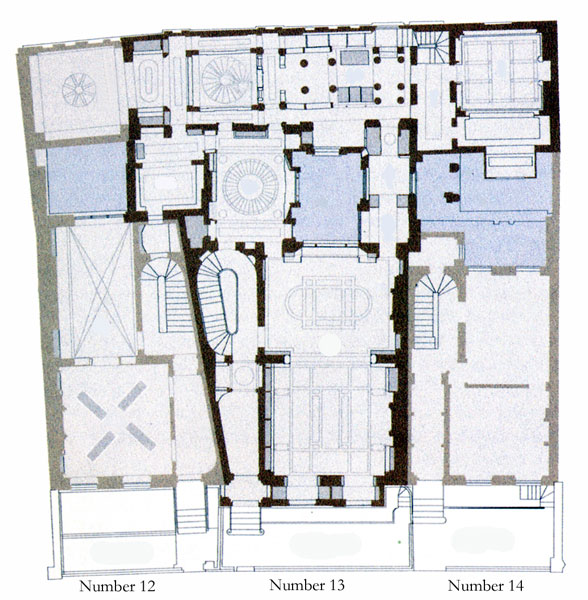
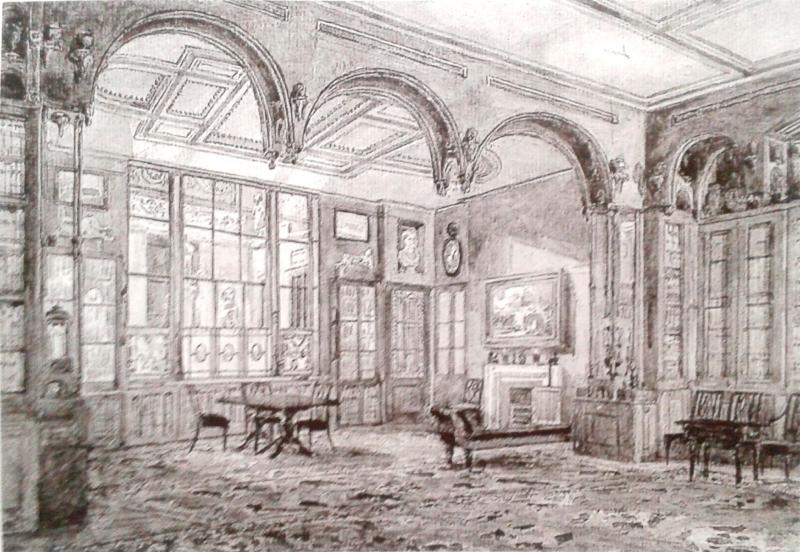
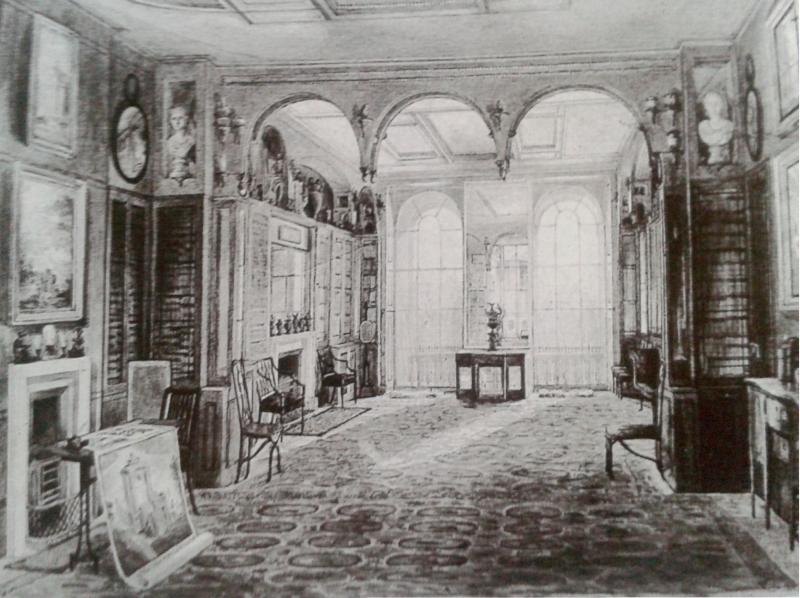
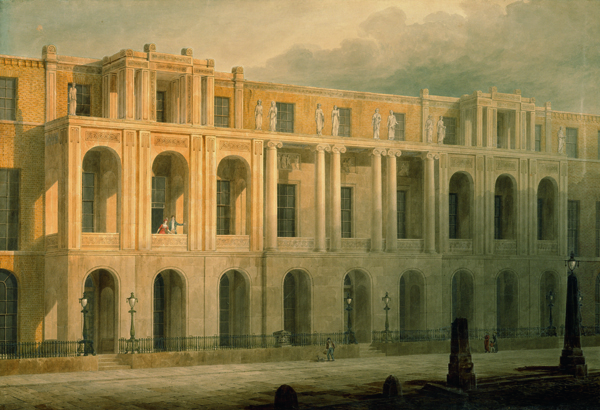
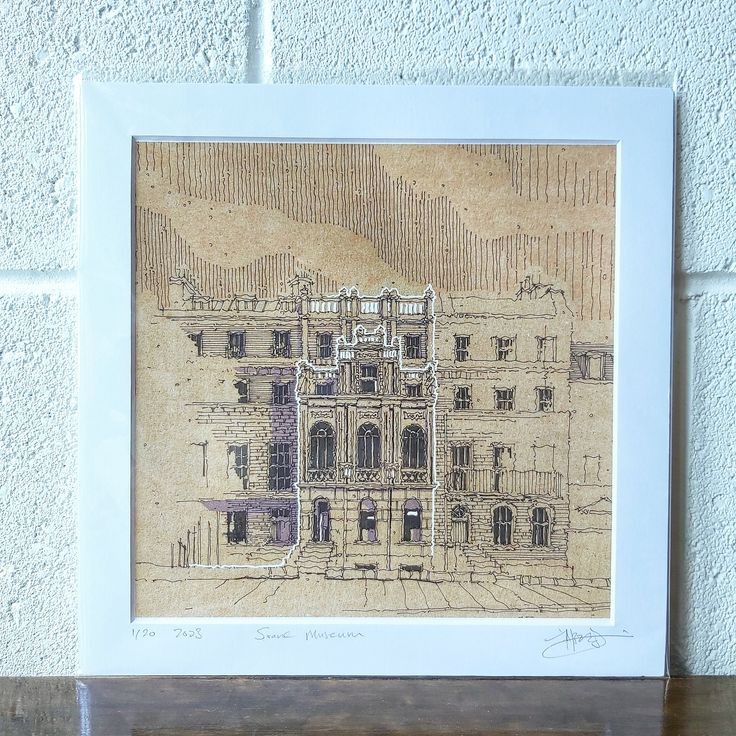
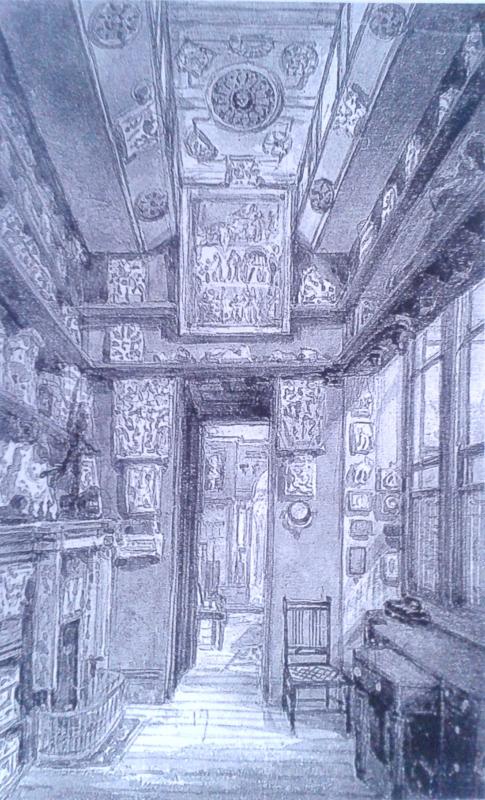
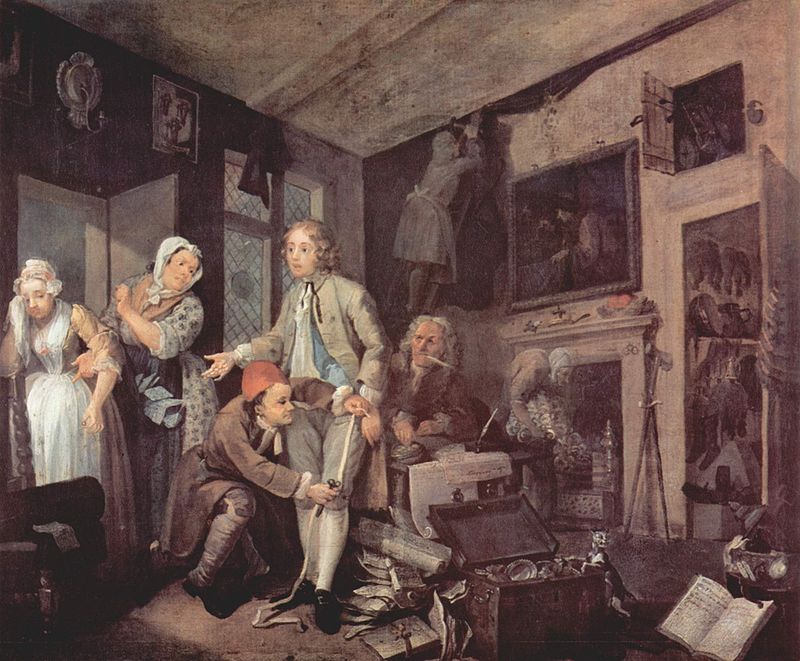
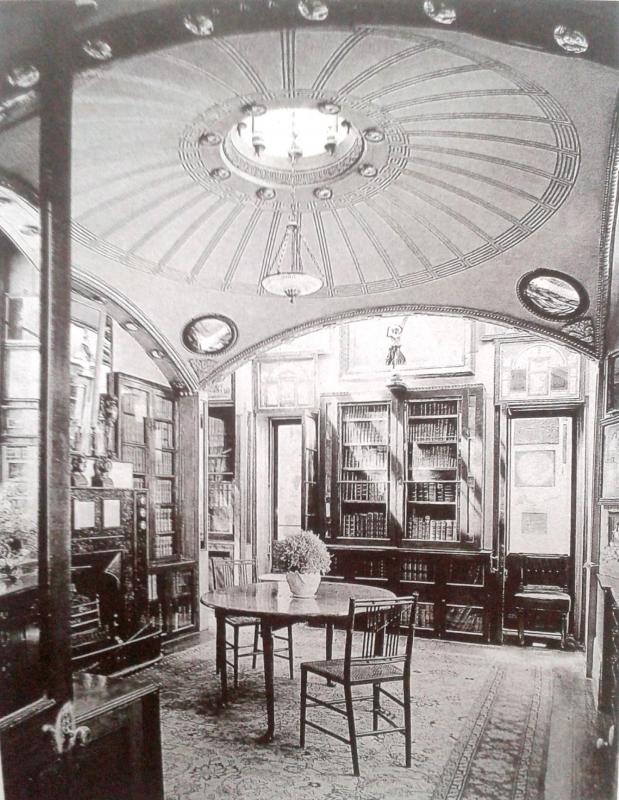
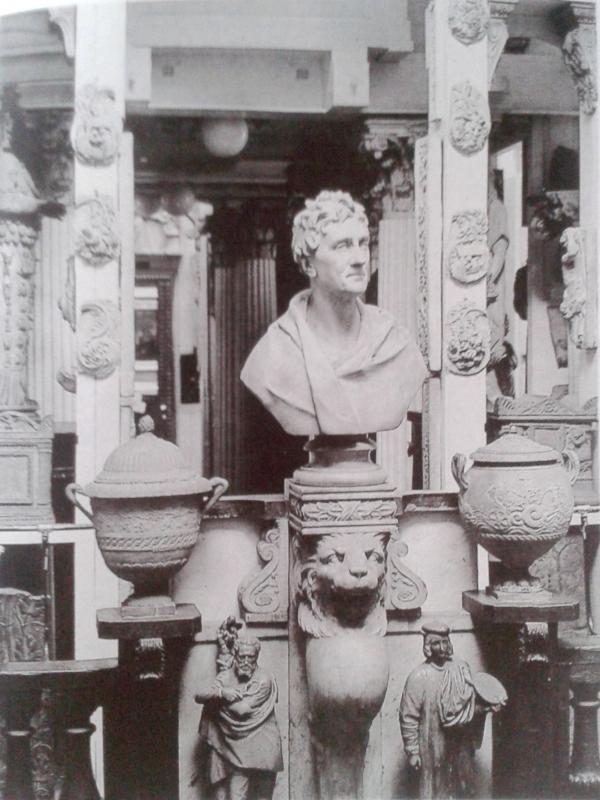
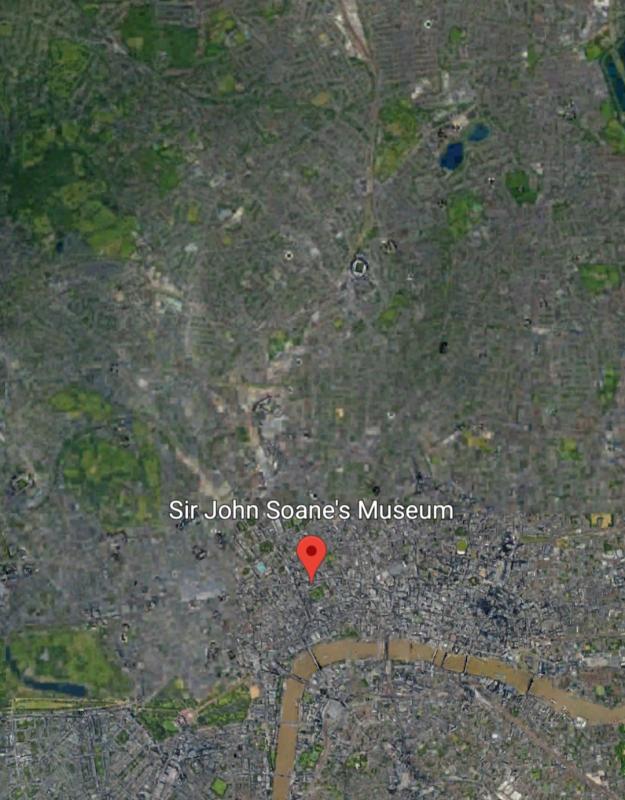

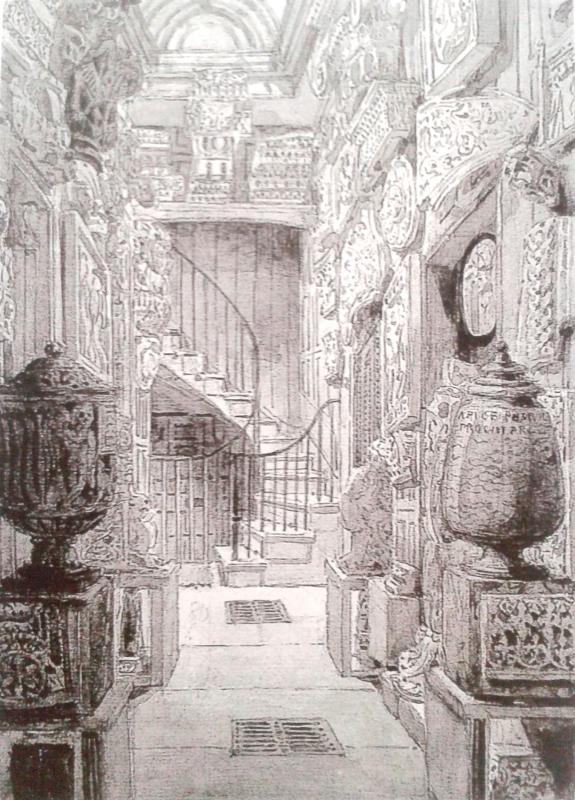
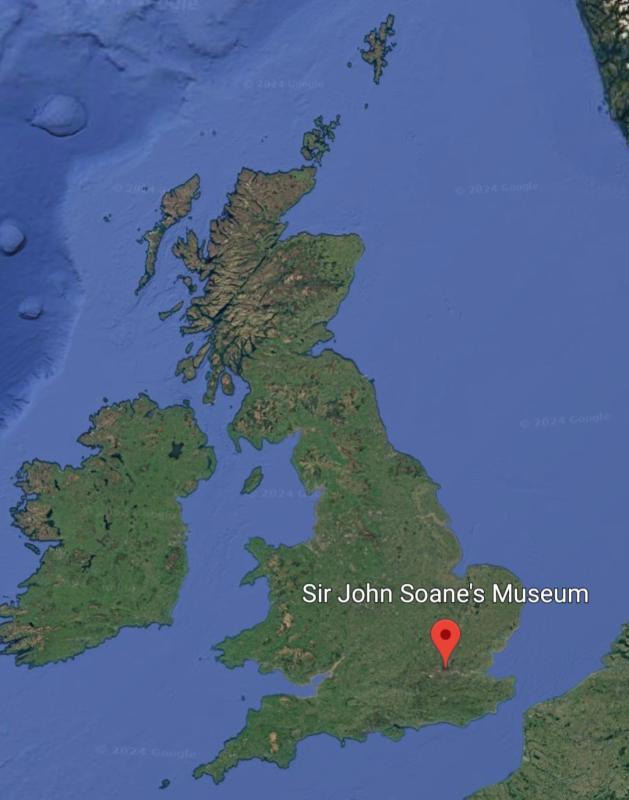
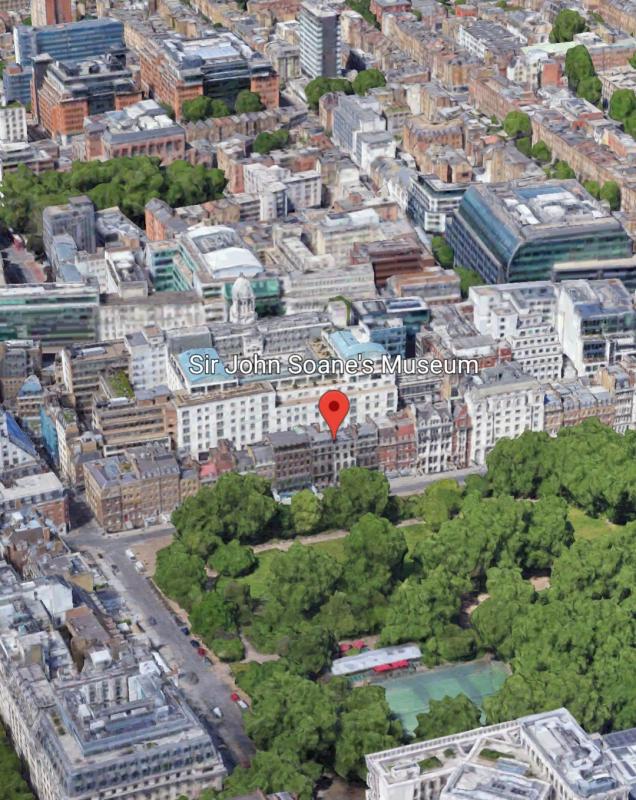
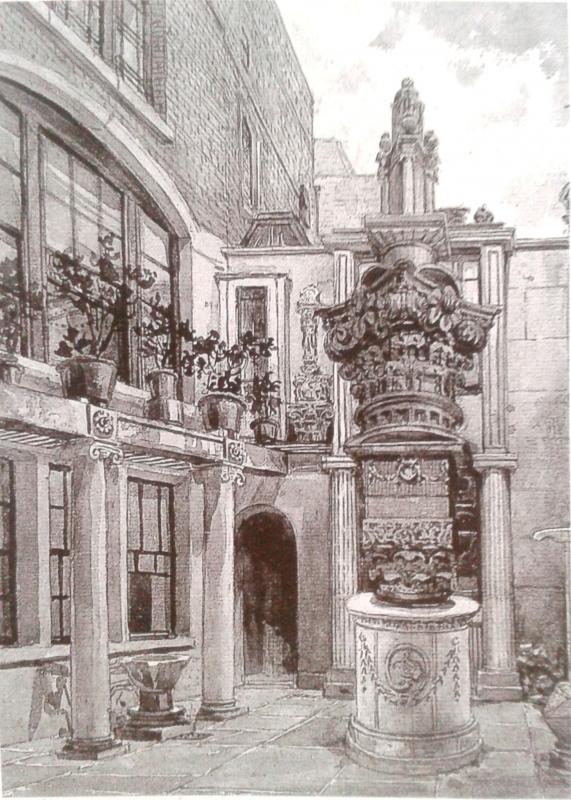
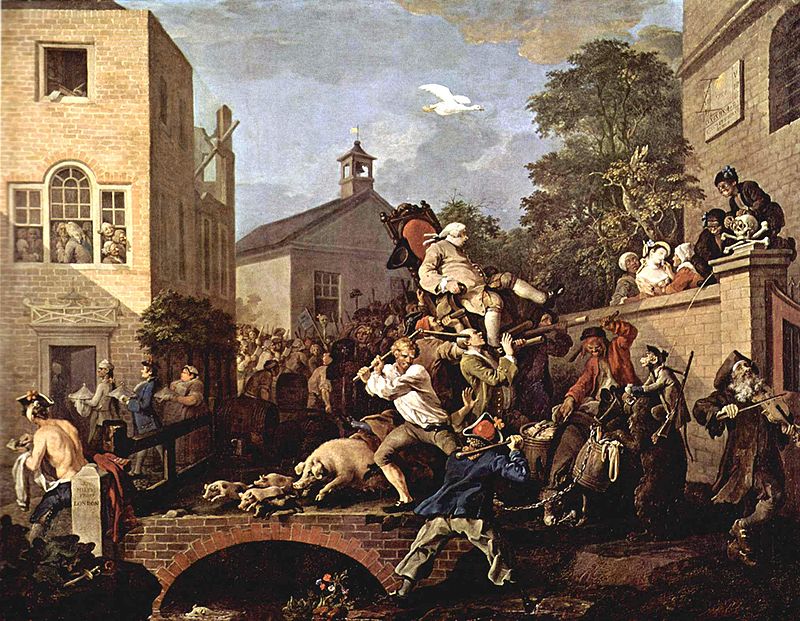
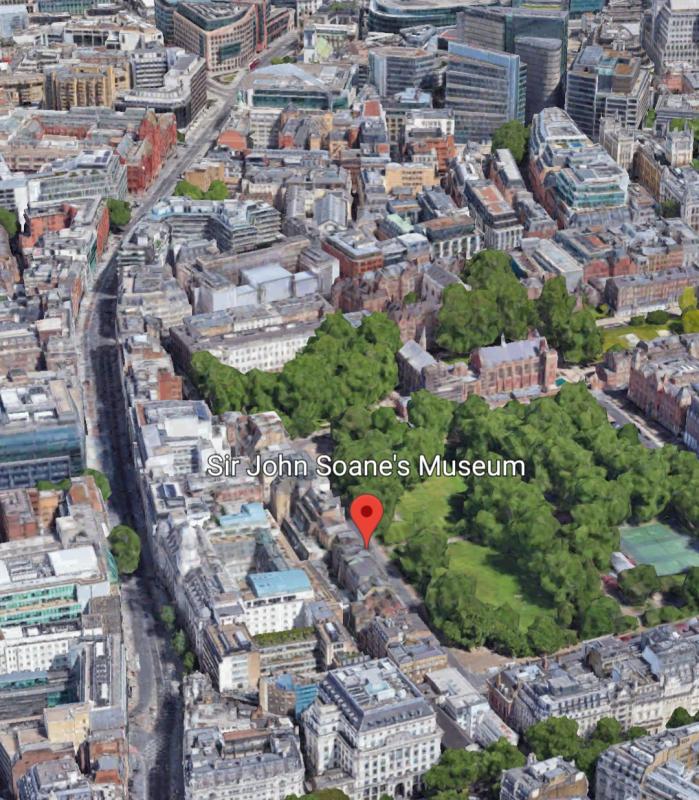
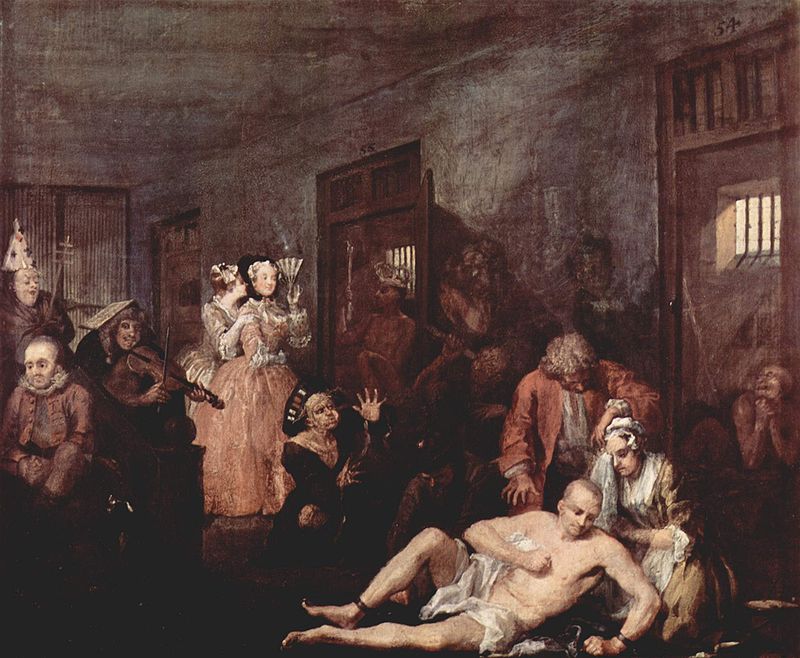
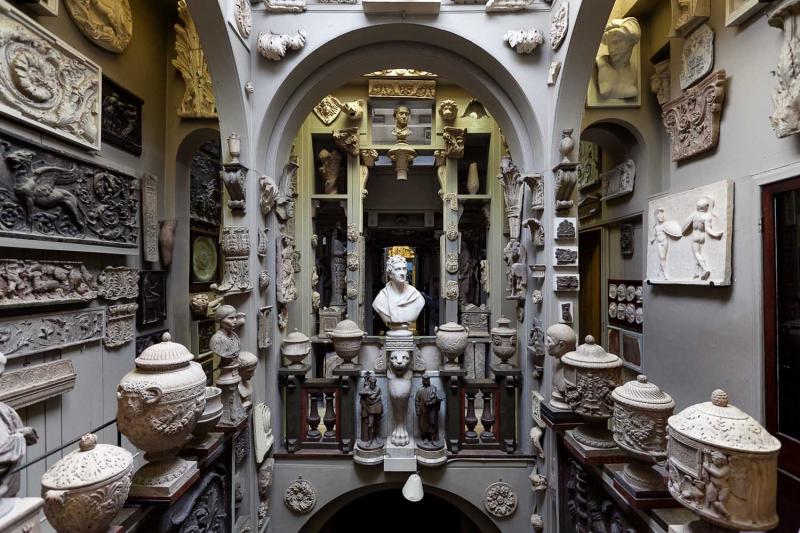
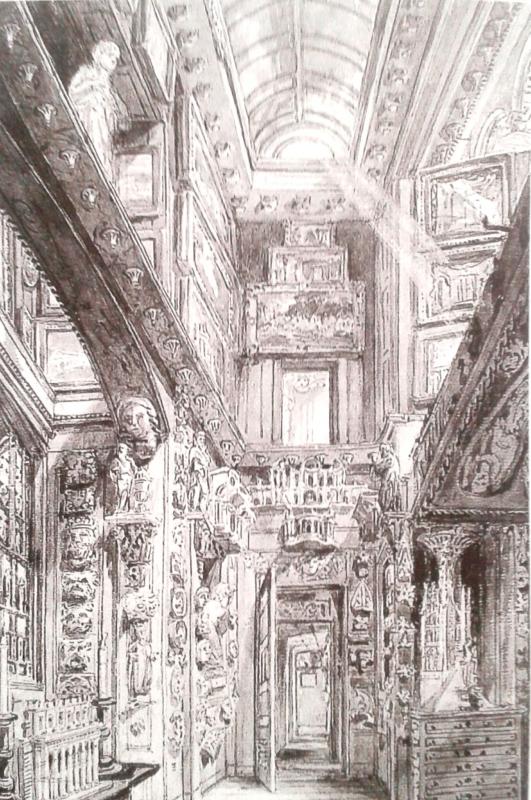
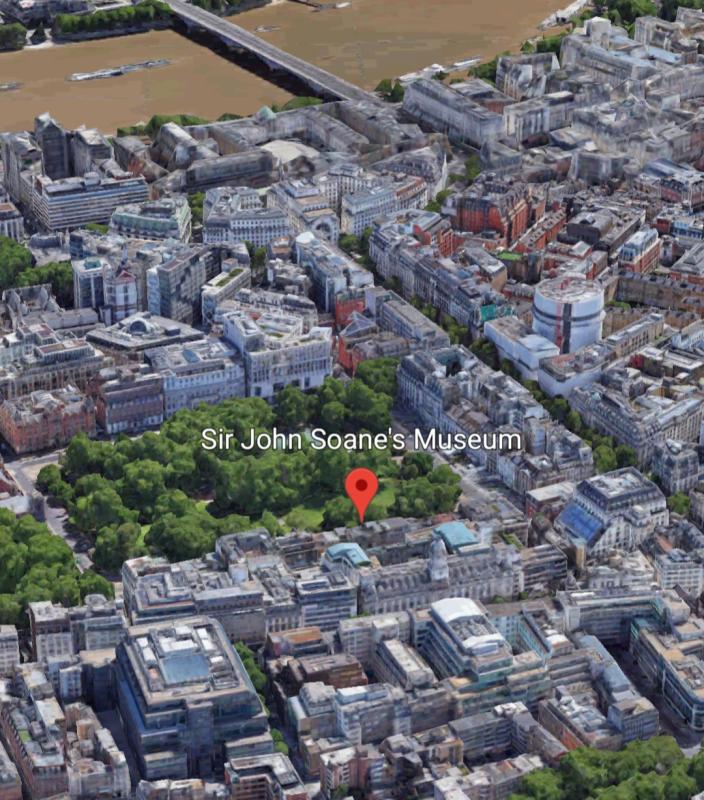
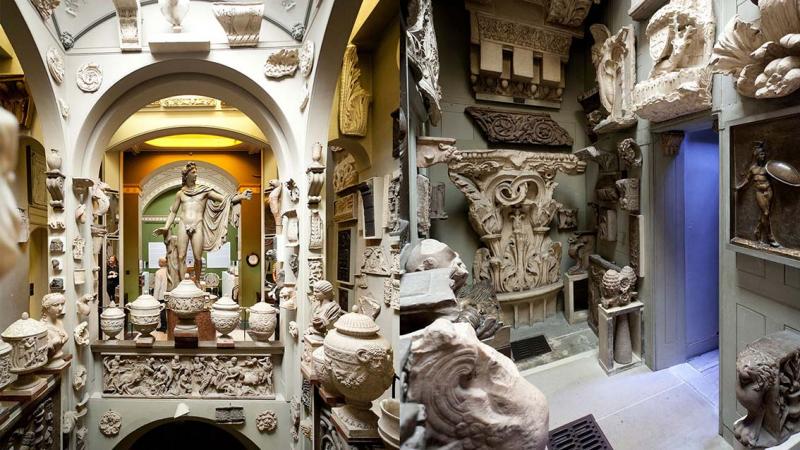
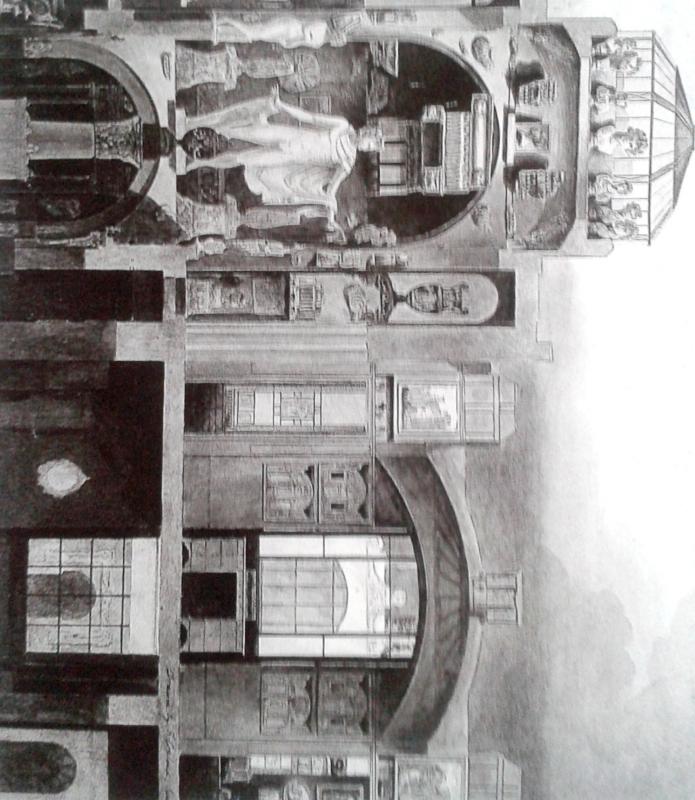
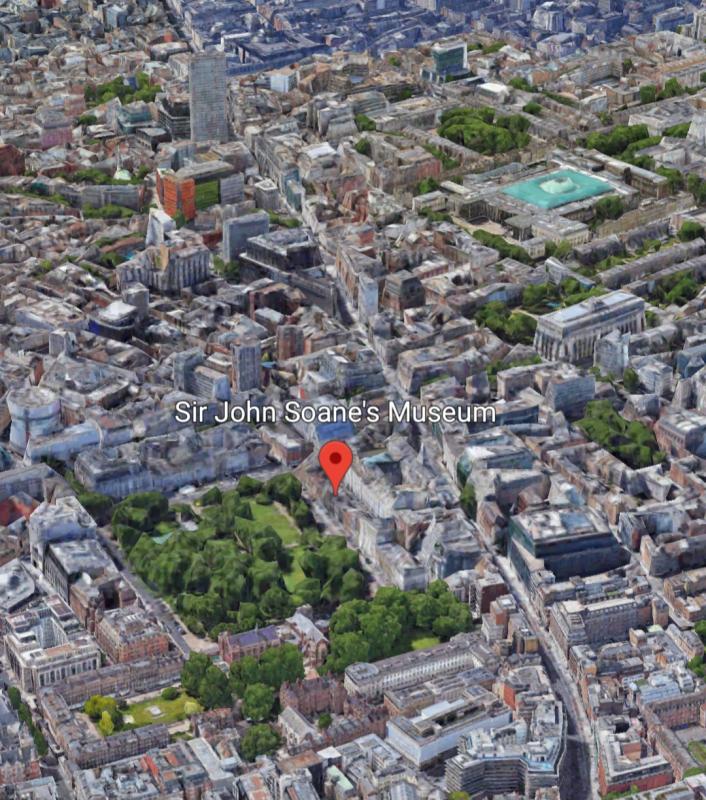
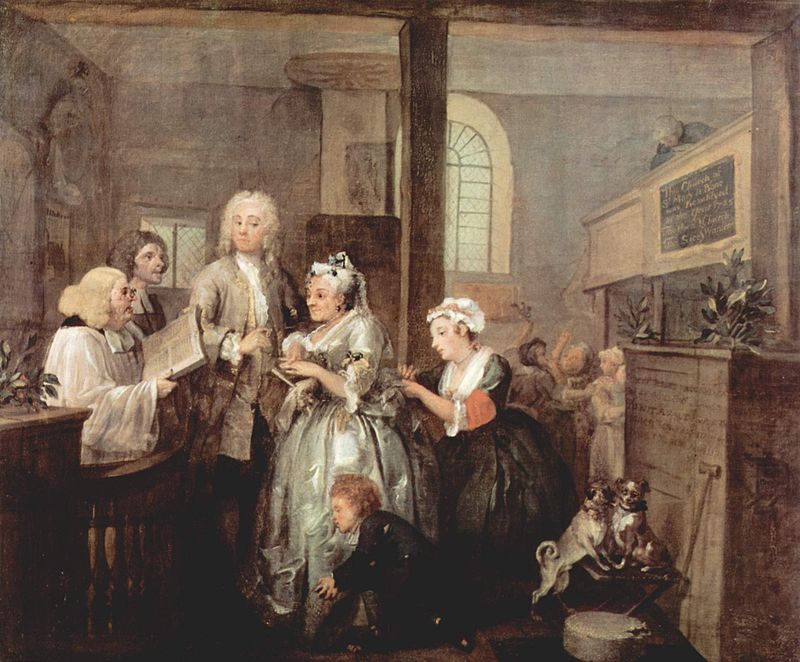
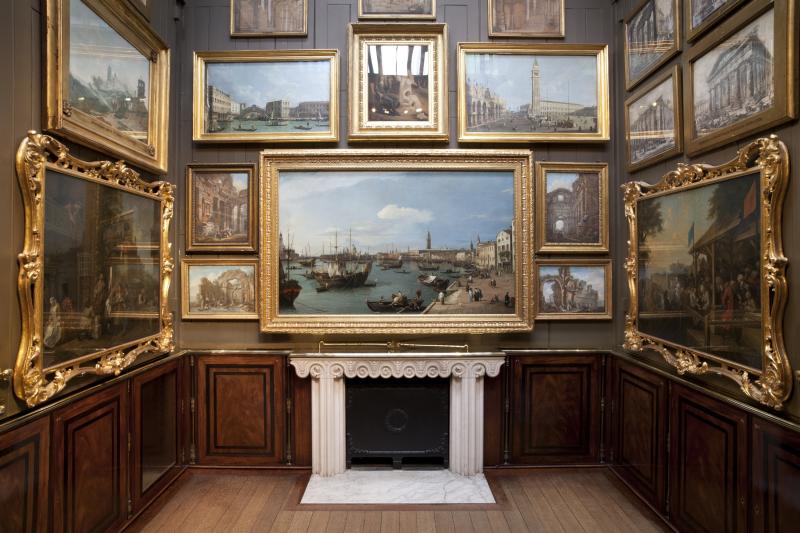
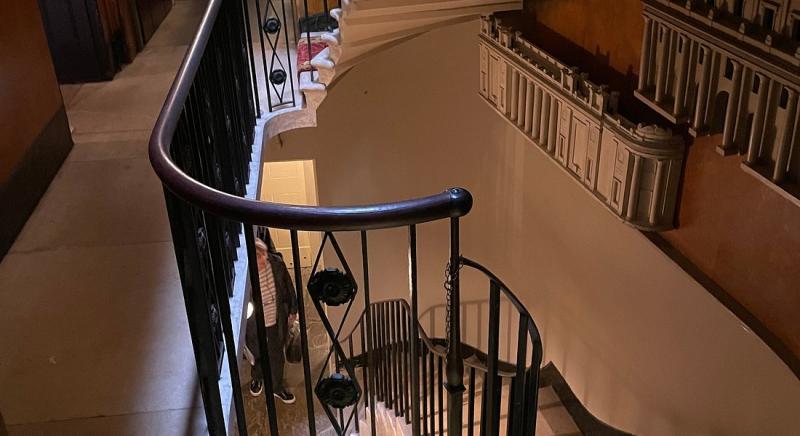
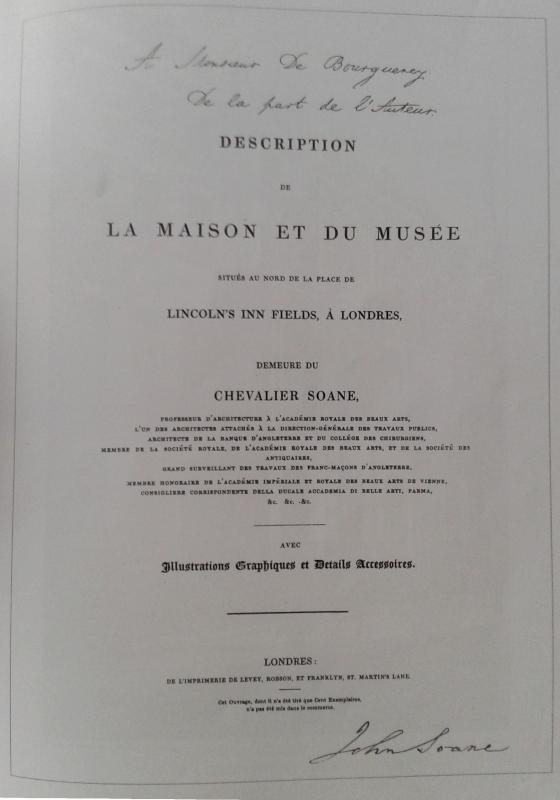
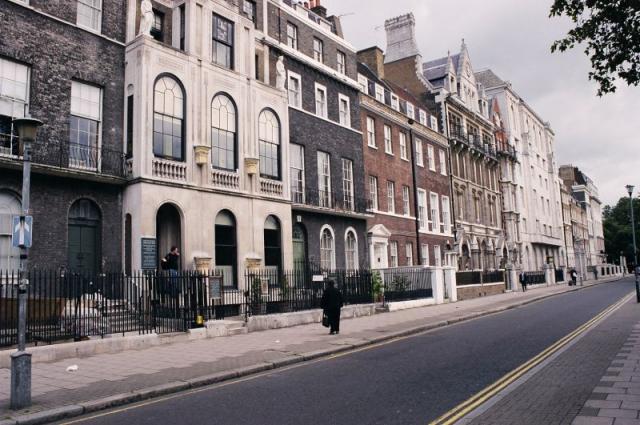
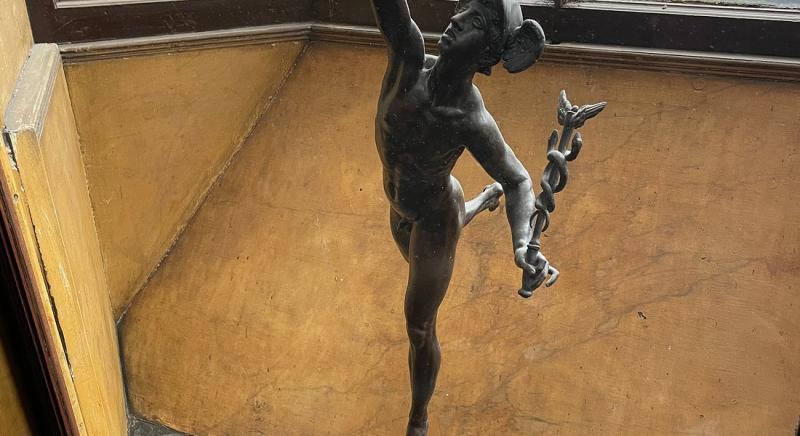
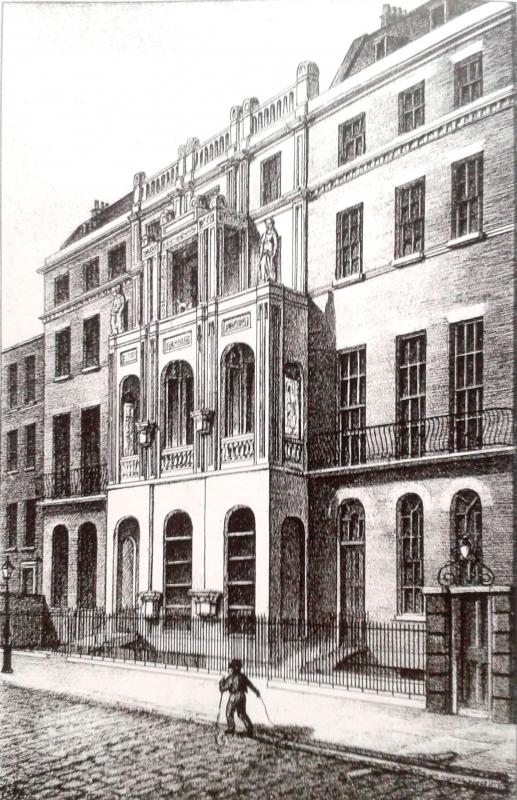
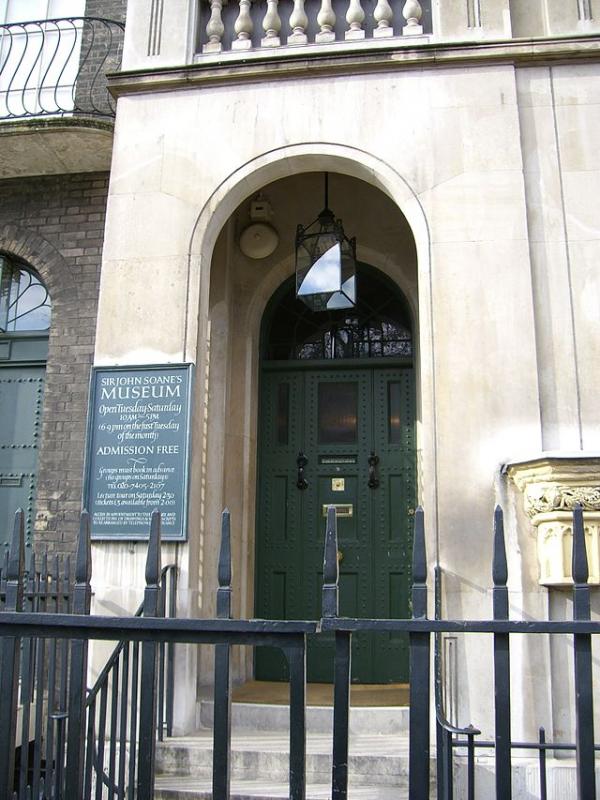
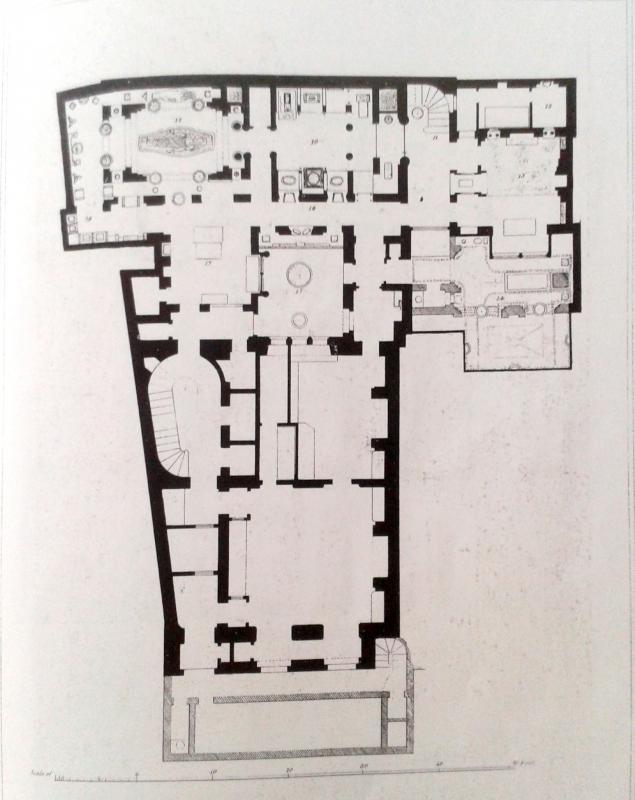
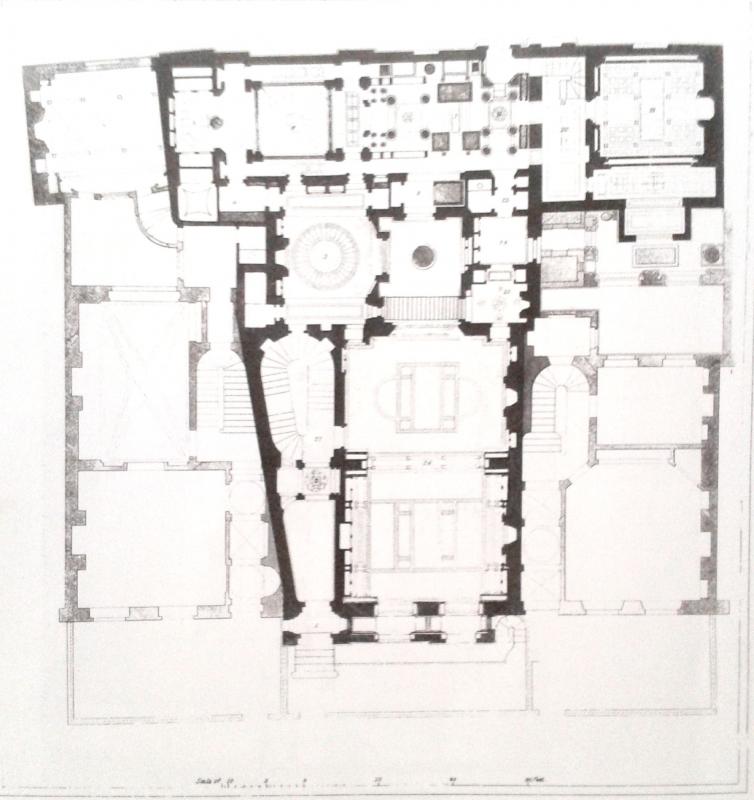
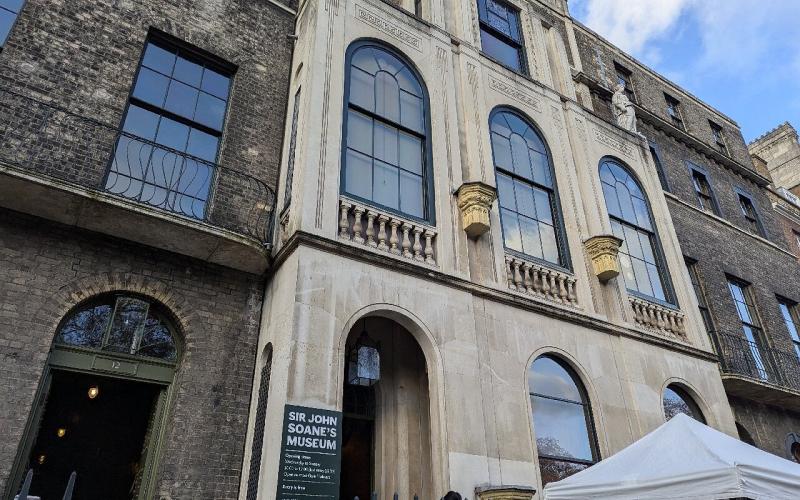
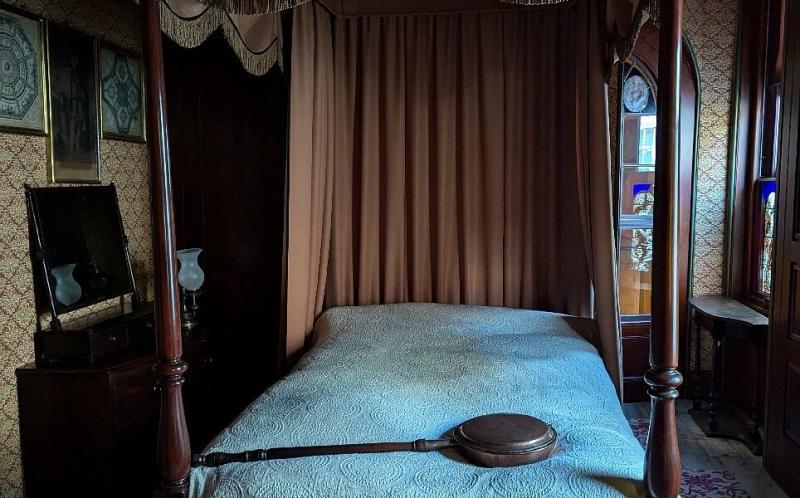
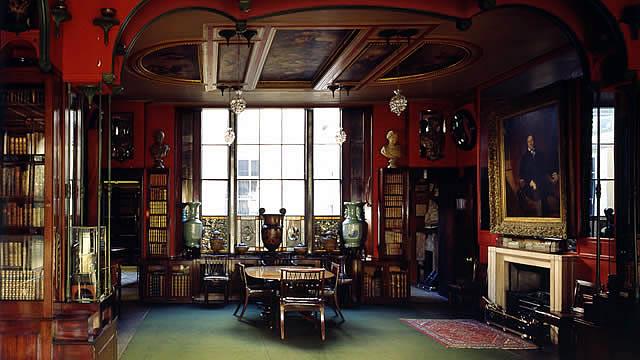
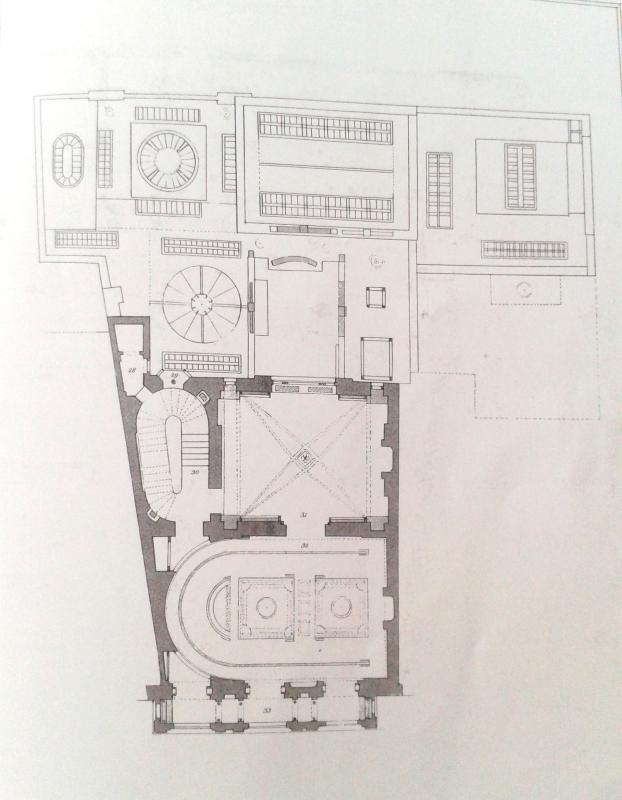
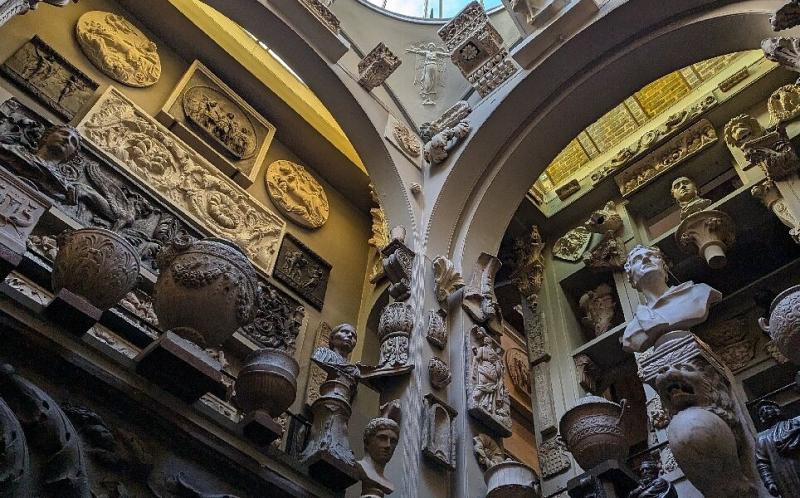
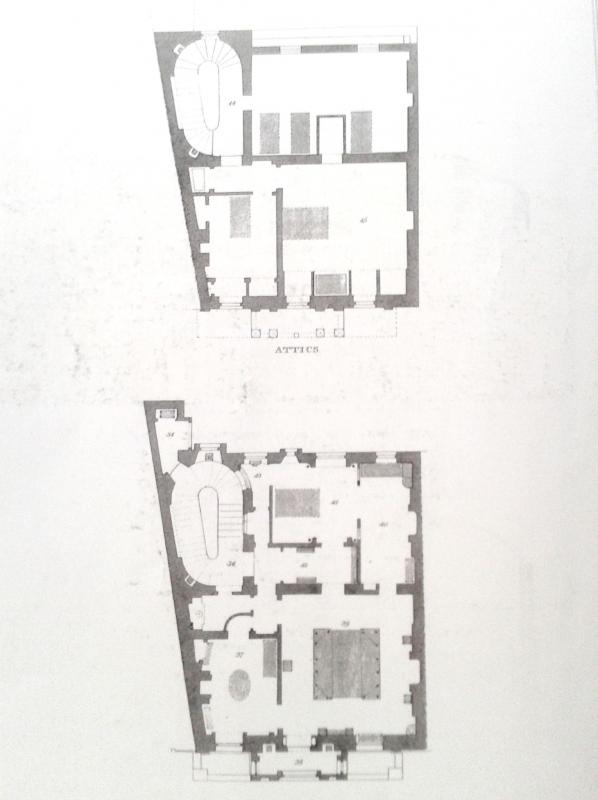
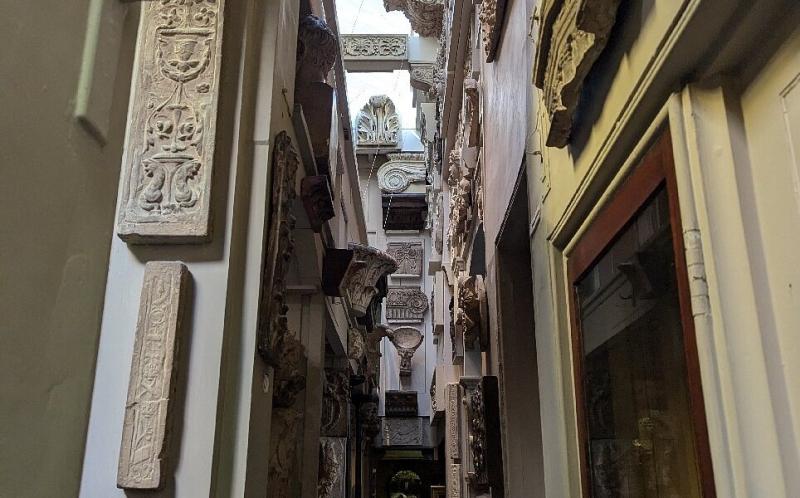
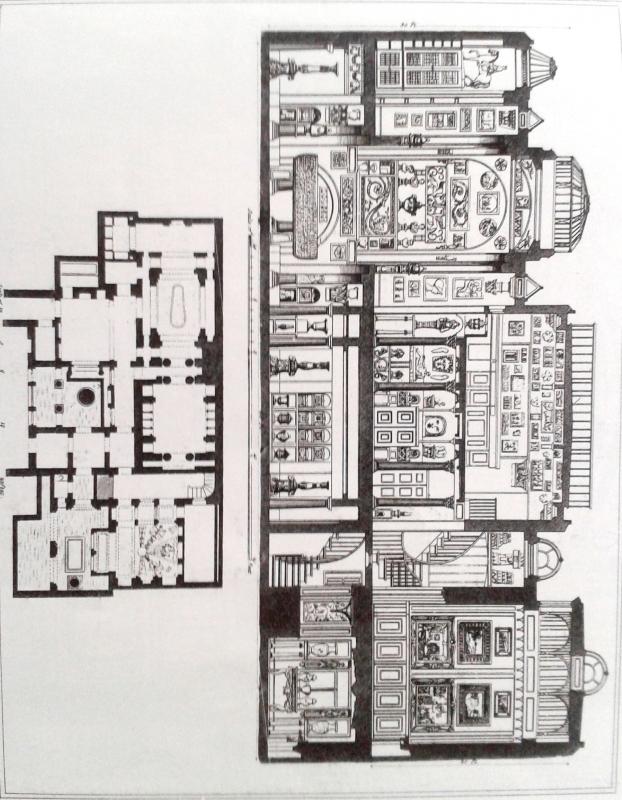
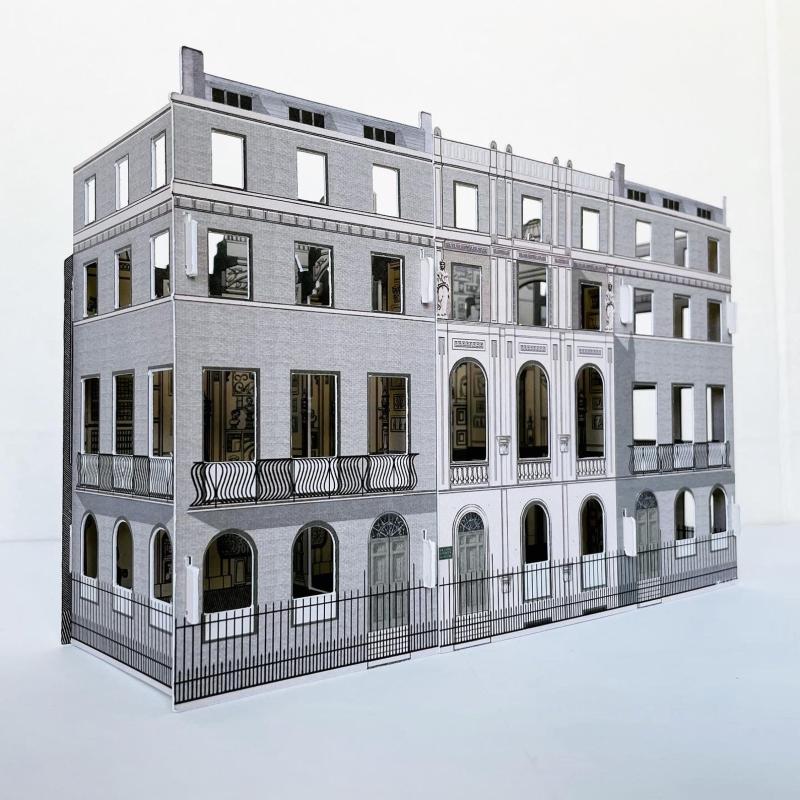
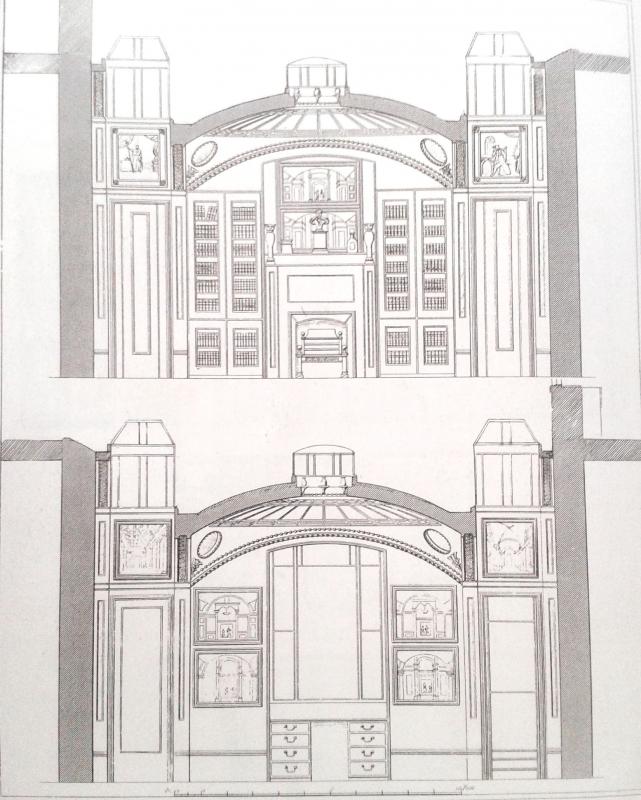
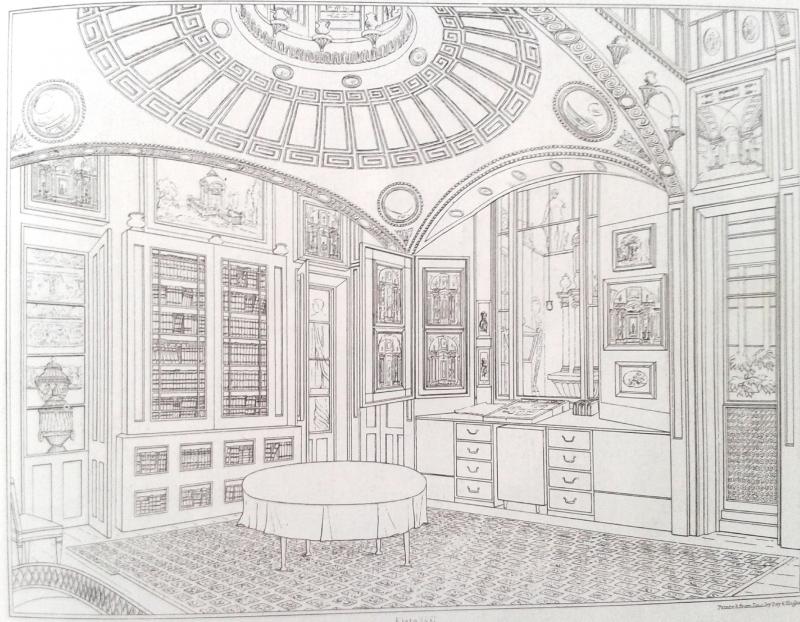
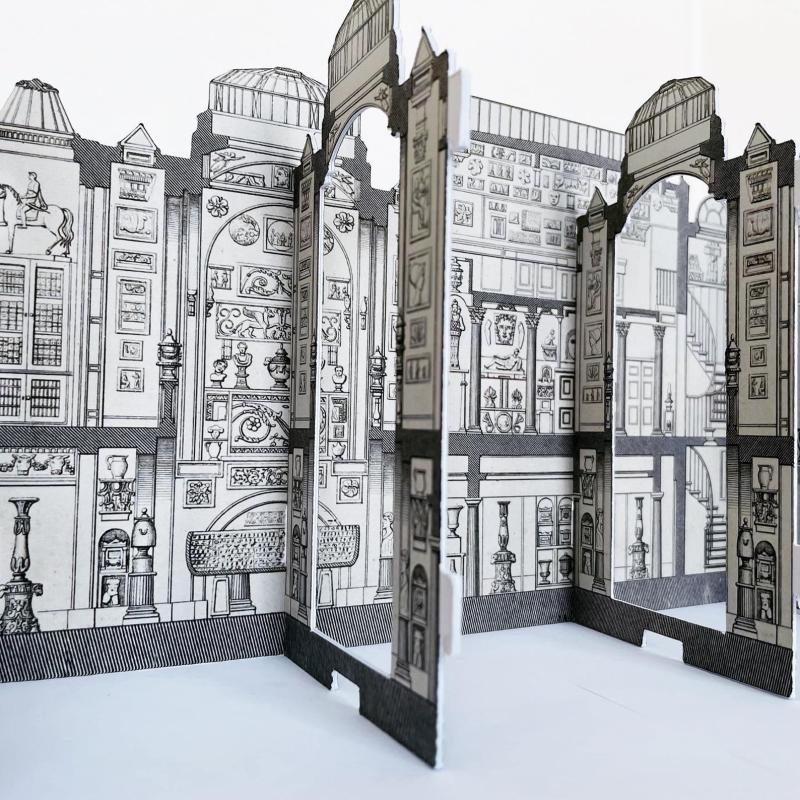
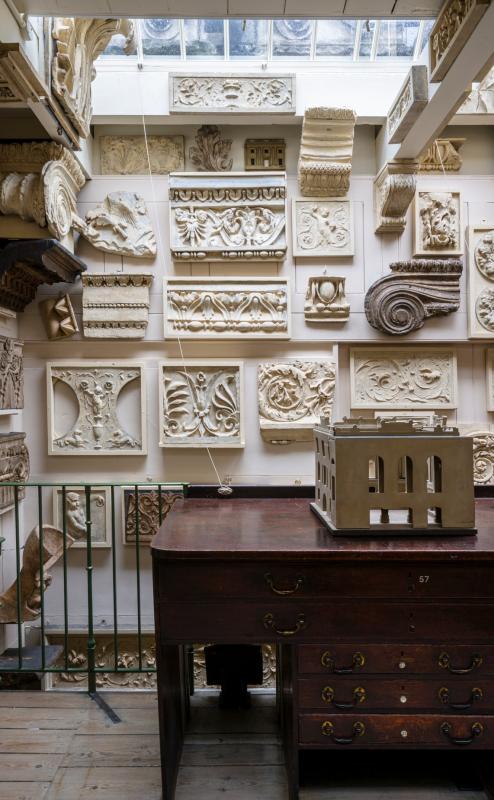
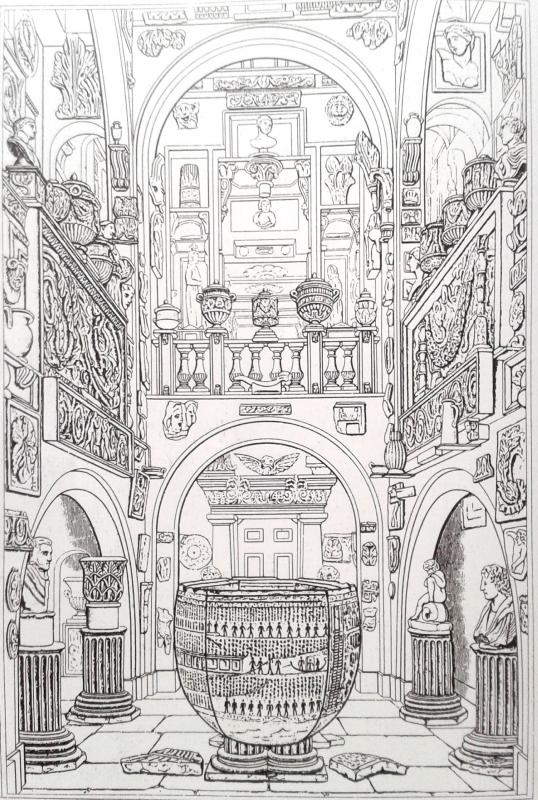
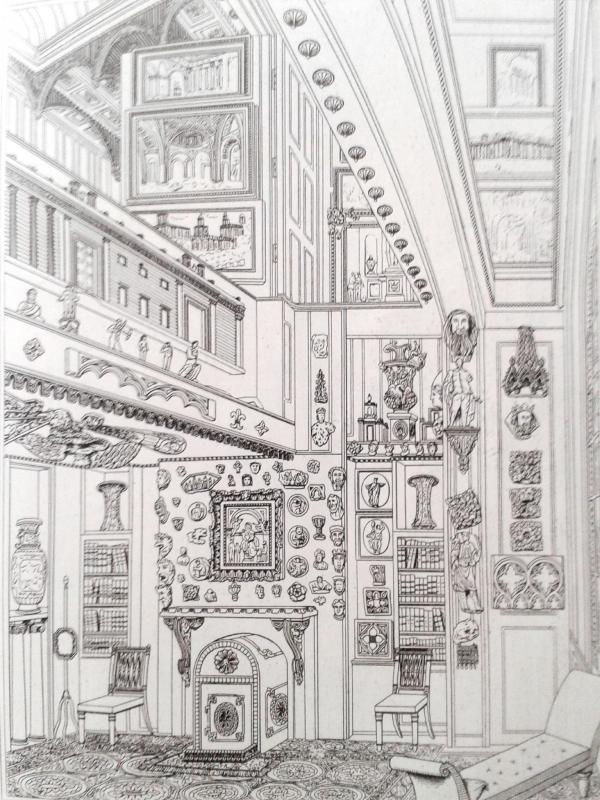
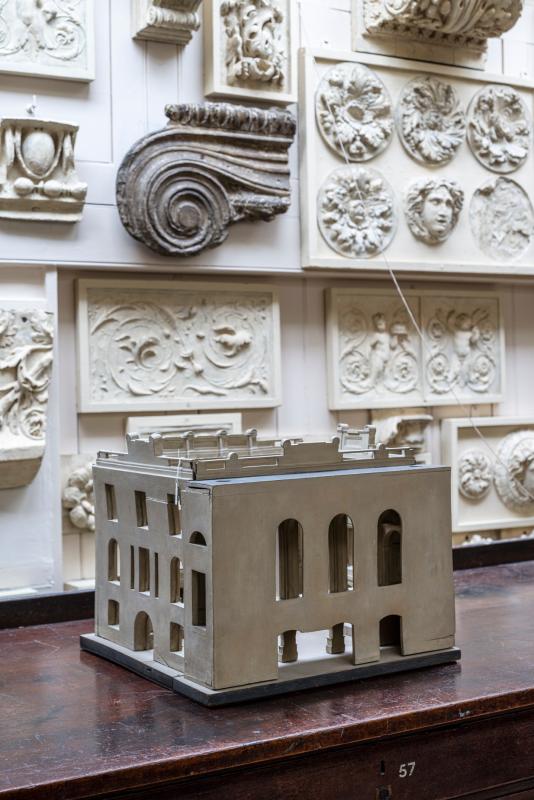
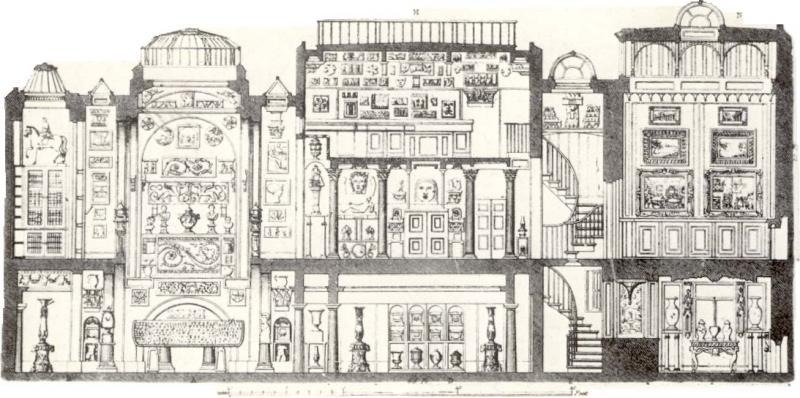
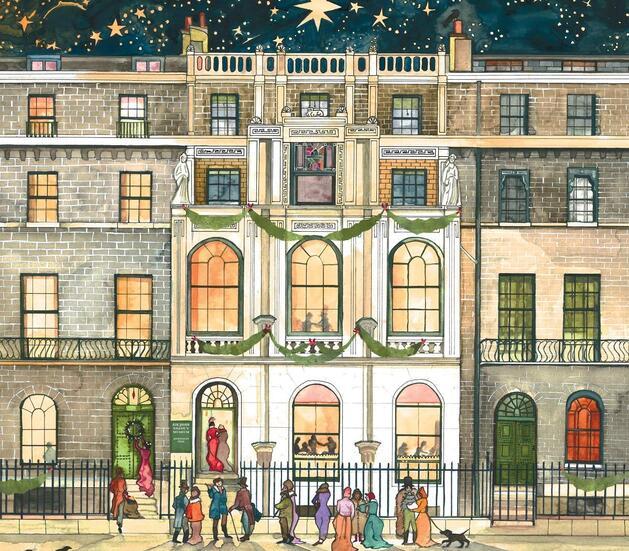
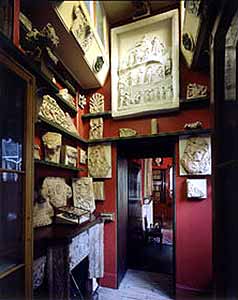
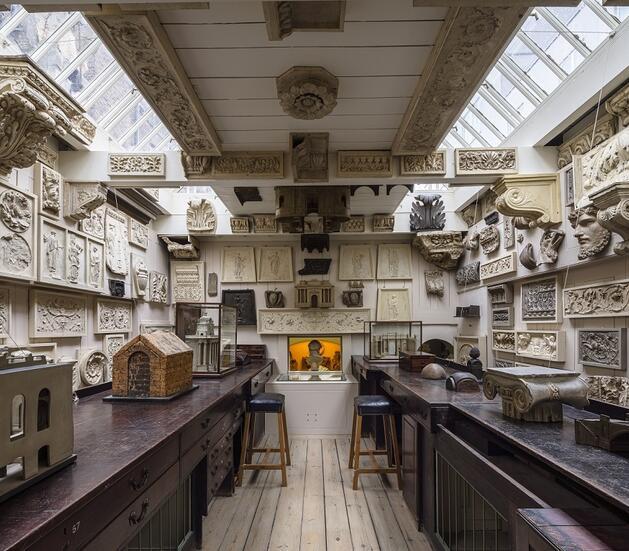

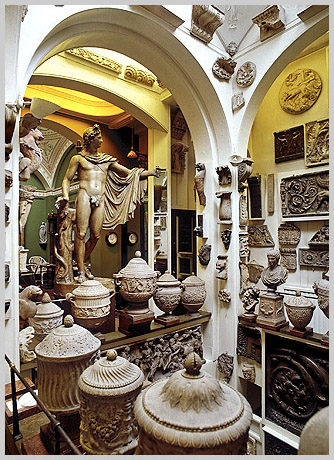
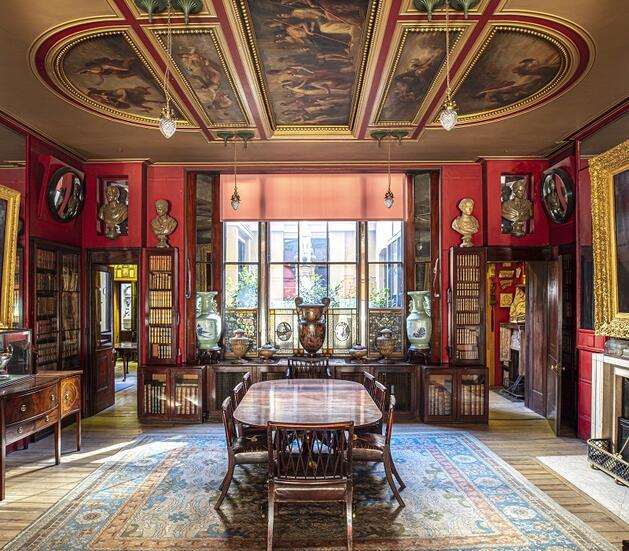
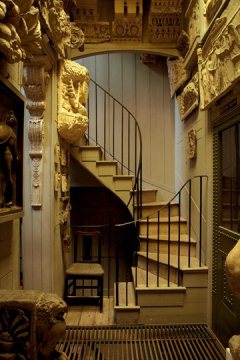
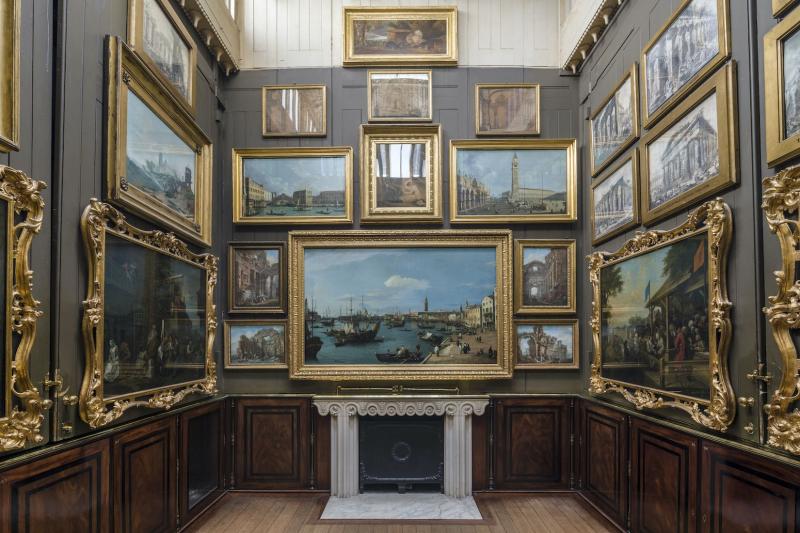
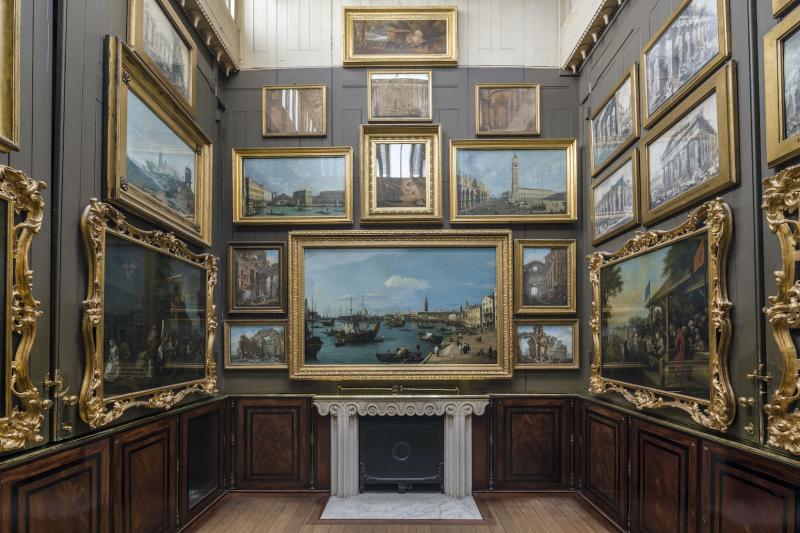
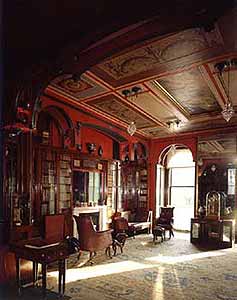
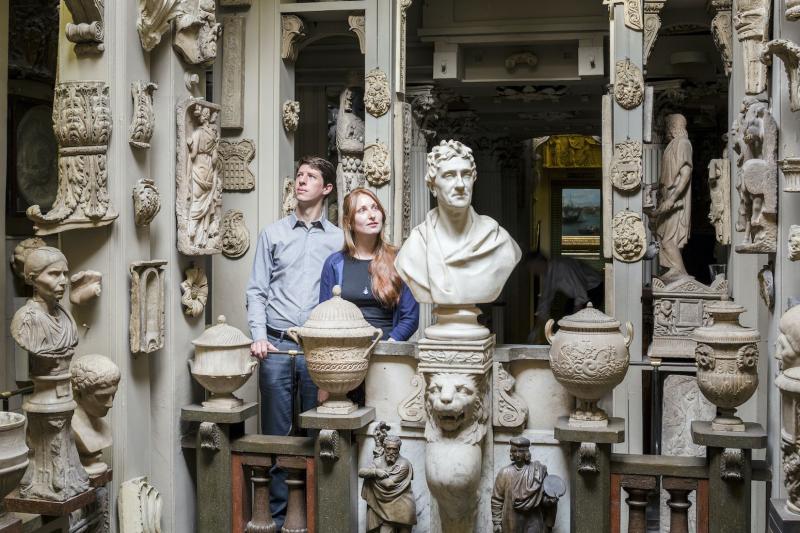
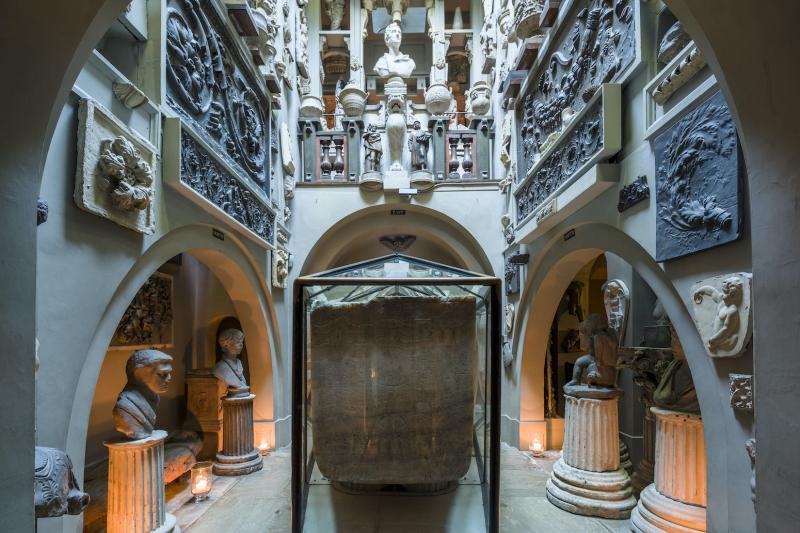
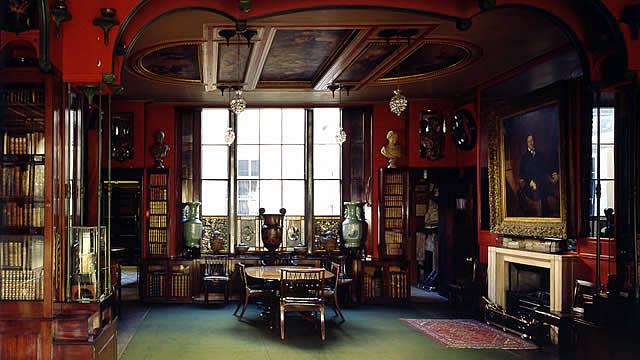
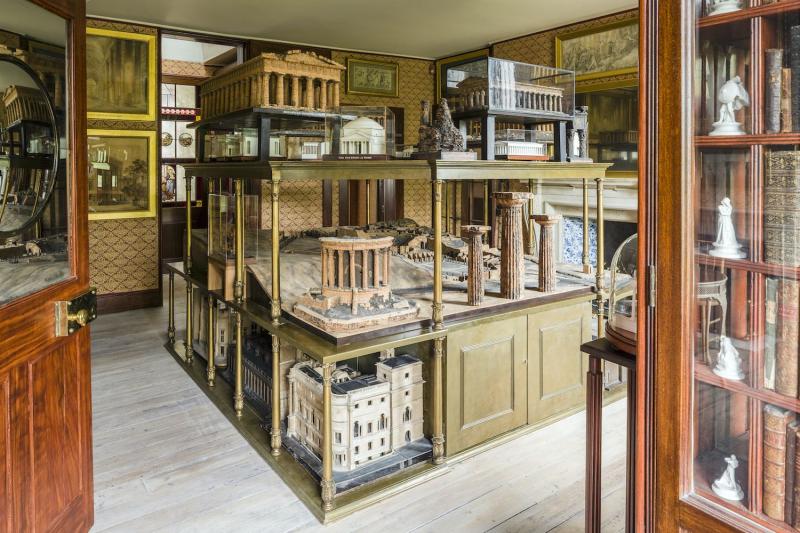
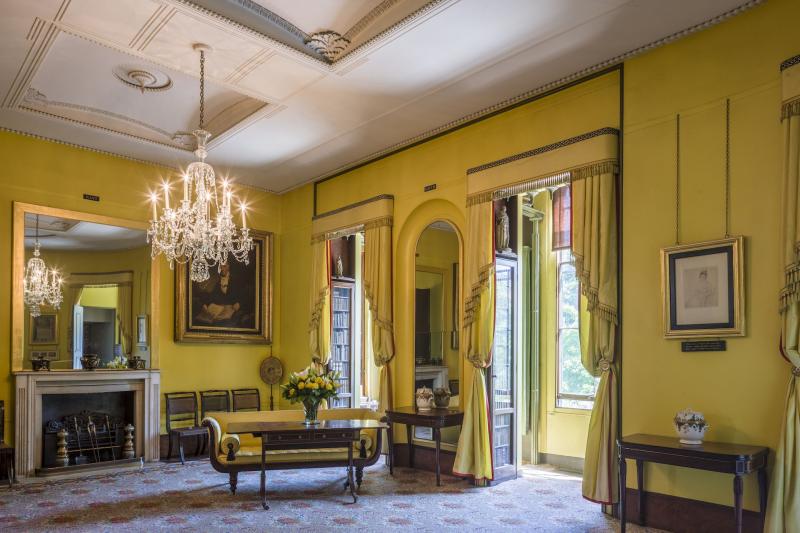
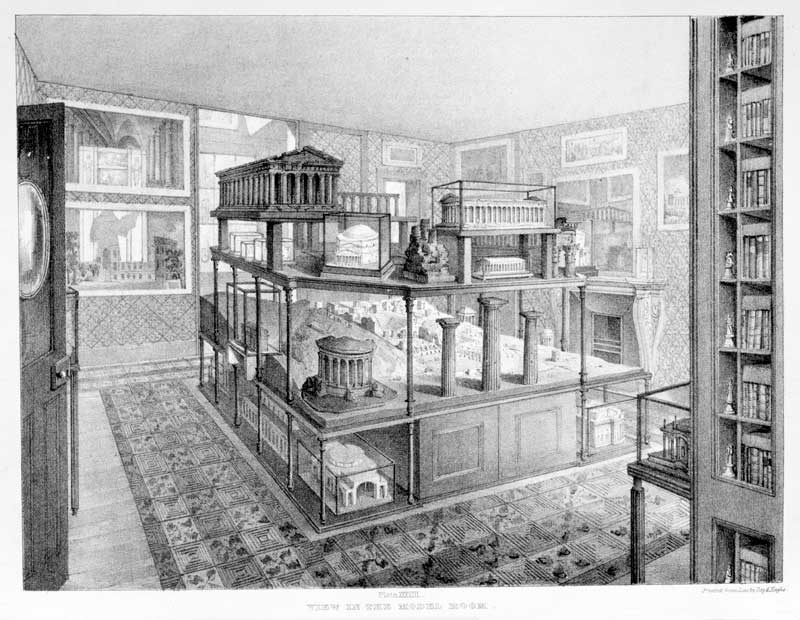
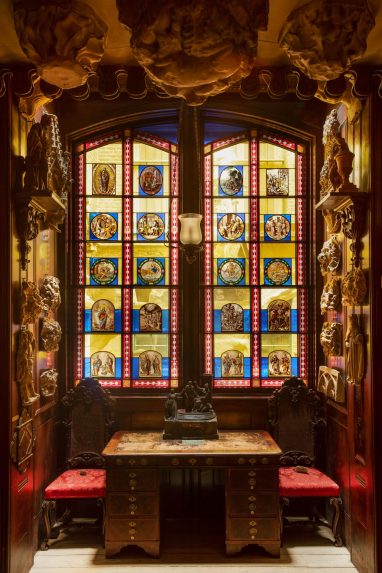
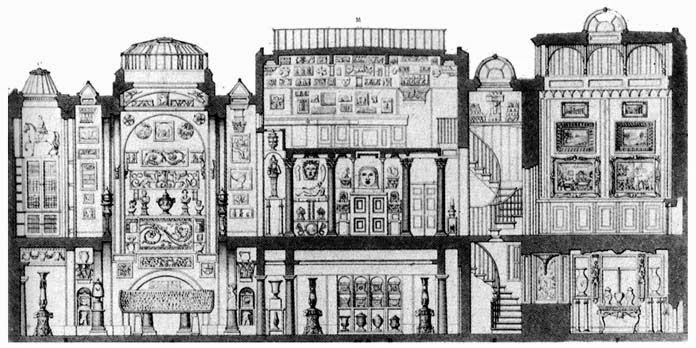
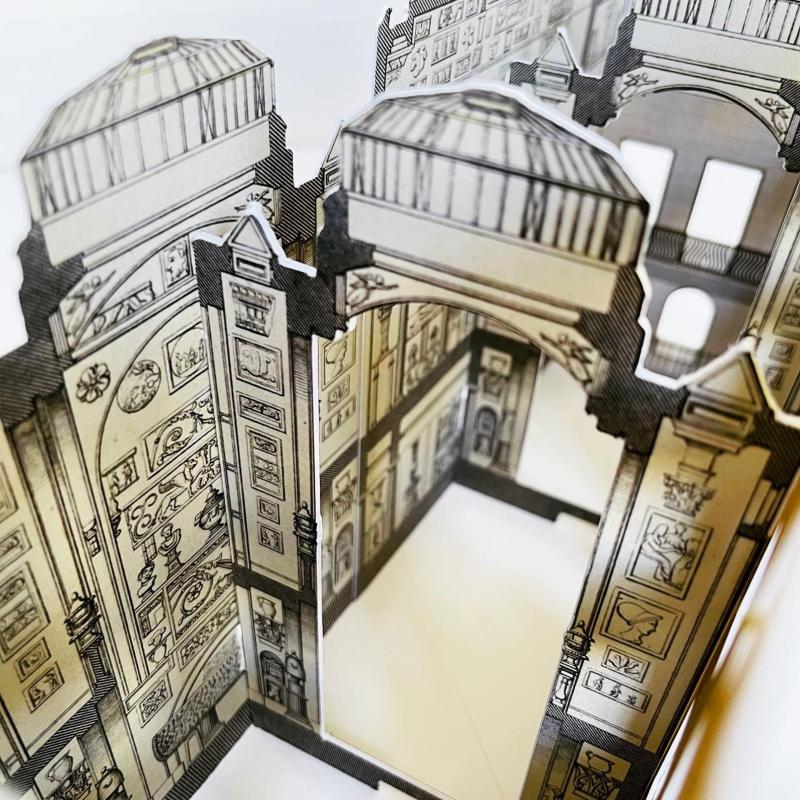
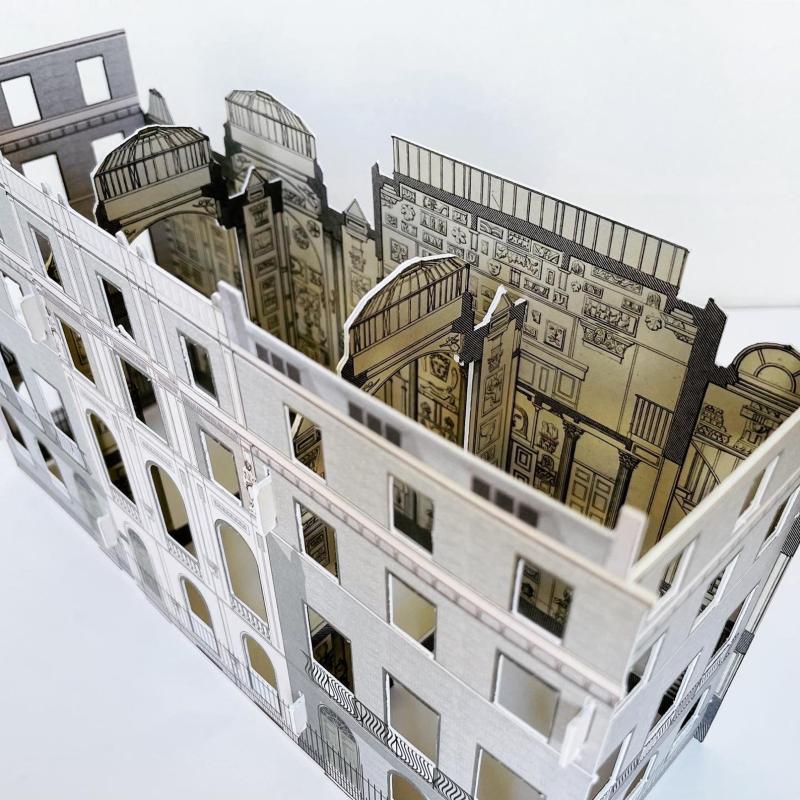
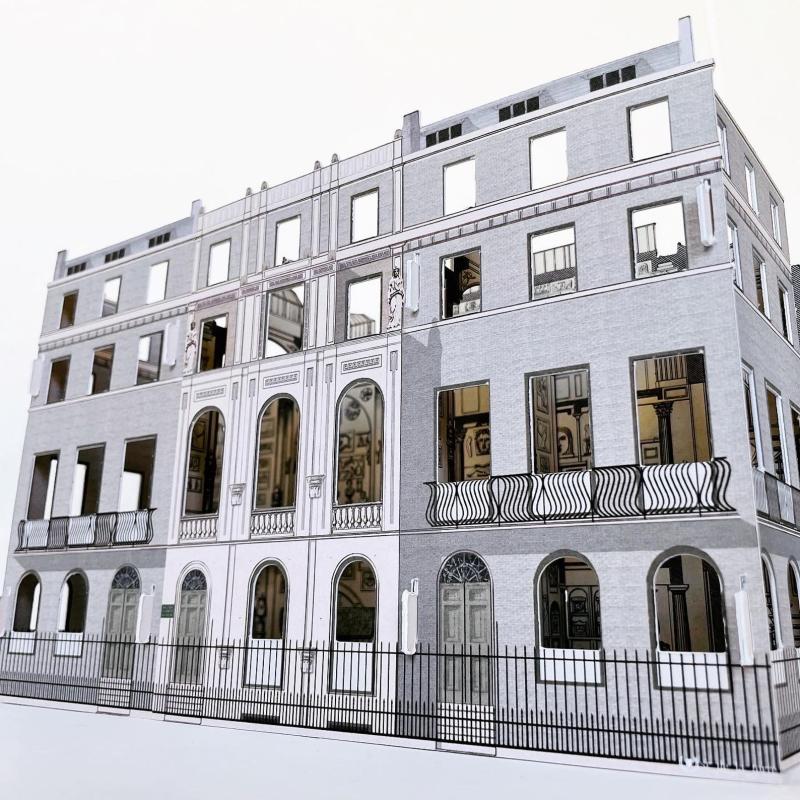
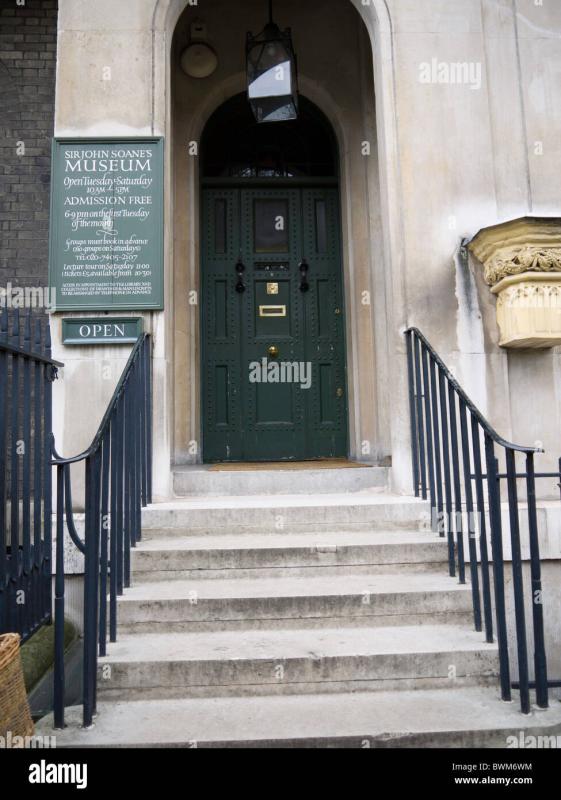
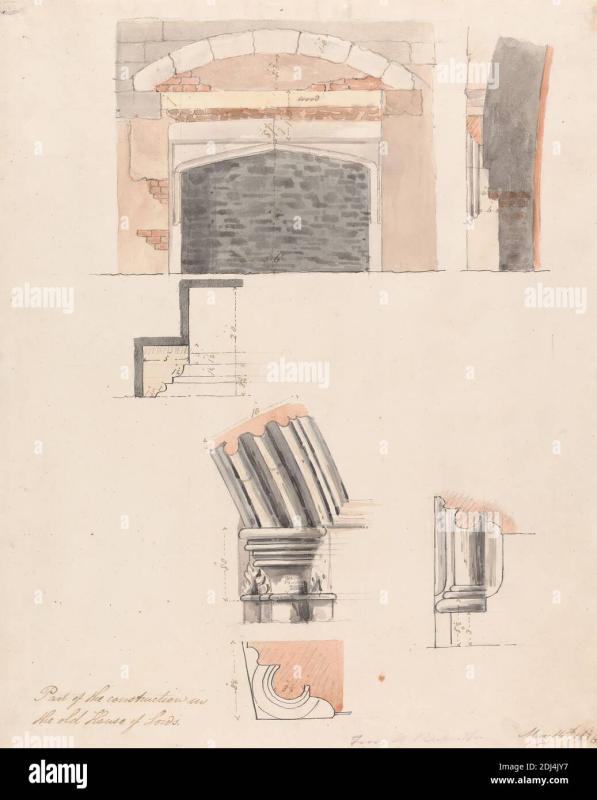
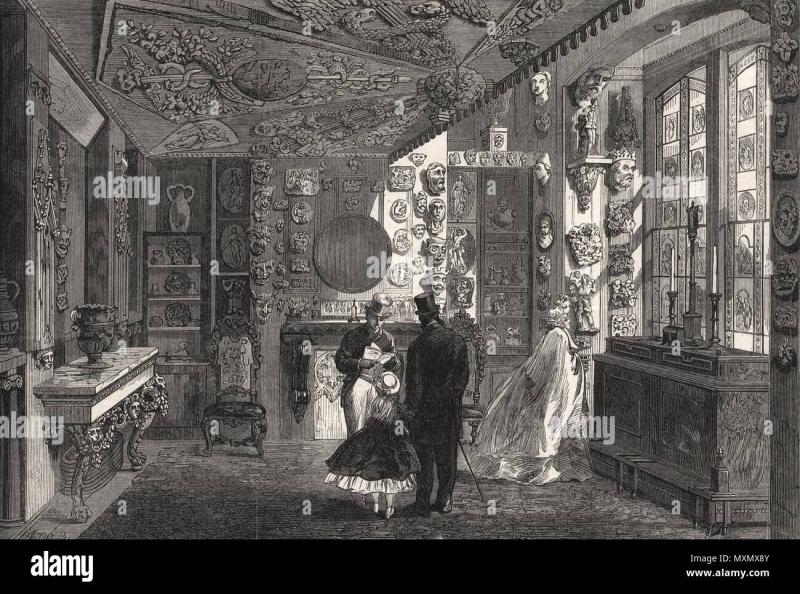
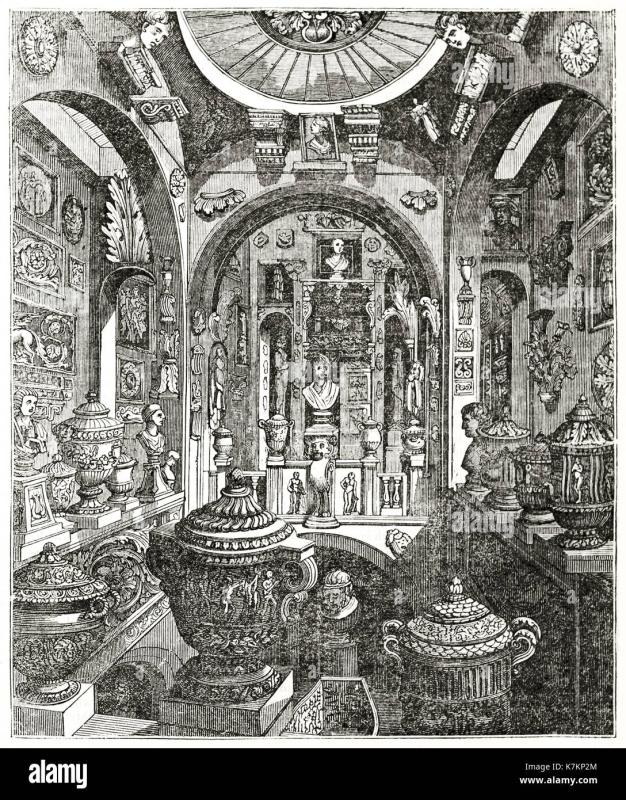
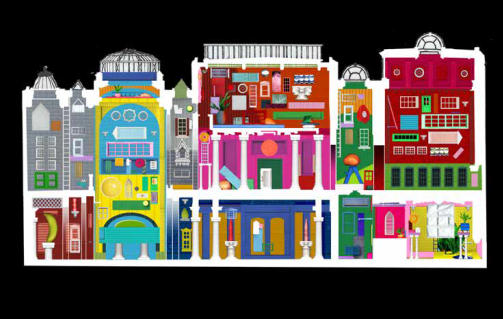
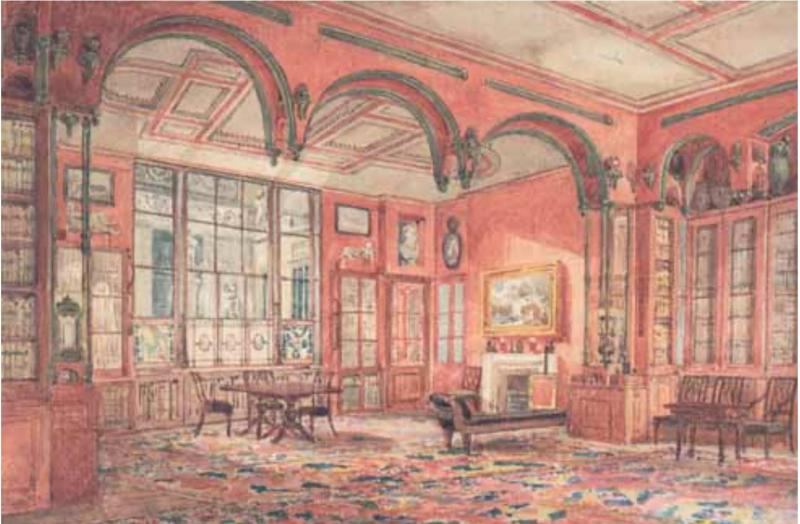
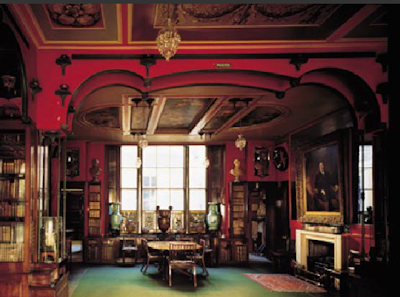
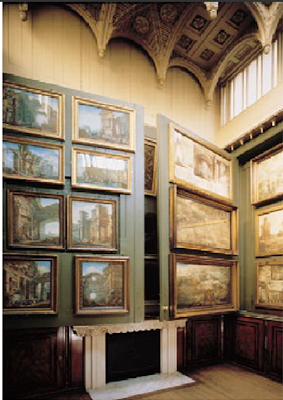
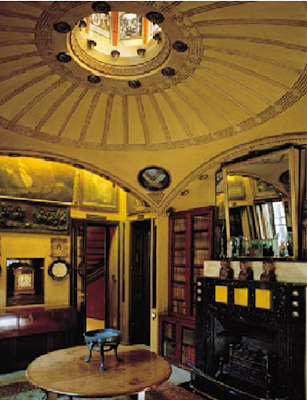
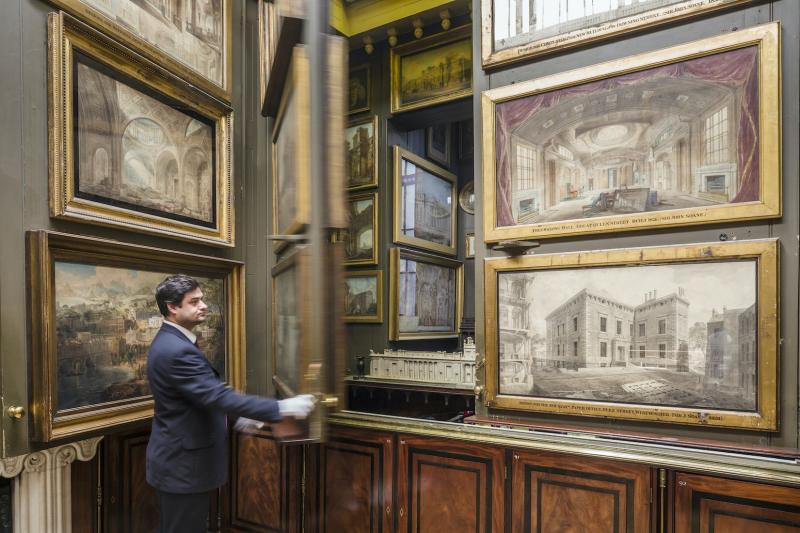
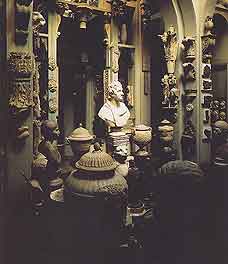
El museo Soane considerado el primer museo de arquitectura, era la vivienda original del arquitecto, que poco a poco fue ampliando, ante la insuficiencia de espacios que tenía su propia casa-estudio para albergar sus colecciones. La labor desarrollada con todos estos materiales arquitectónicos era de recopilación, de estudio e investigación de los mismos y finalmente de exposición y divulgación. Que son las tres características que tienen desde entonces los museos de arquitectura. Para ello John Soane fue adquiriendo solares contiguos a su propia casa, dando finalmente a dicha ampliación una imagen unitaria que podemos hoy en día apreciar en la fachada
-------
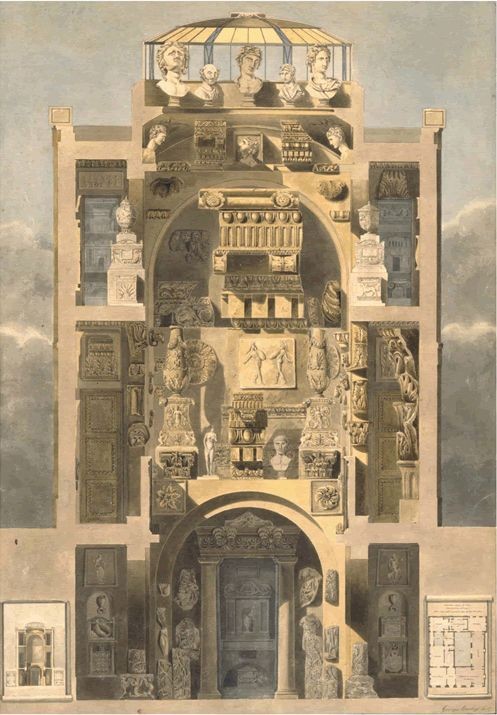
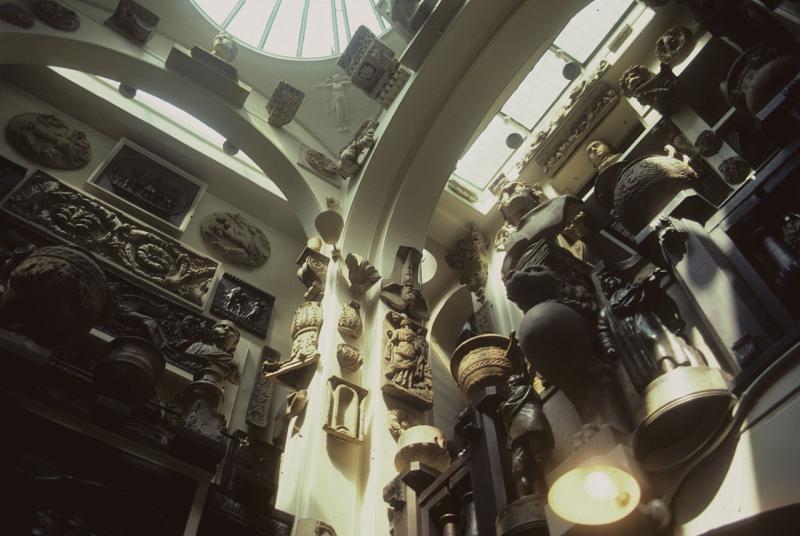
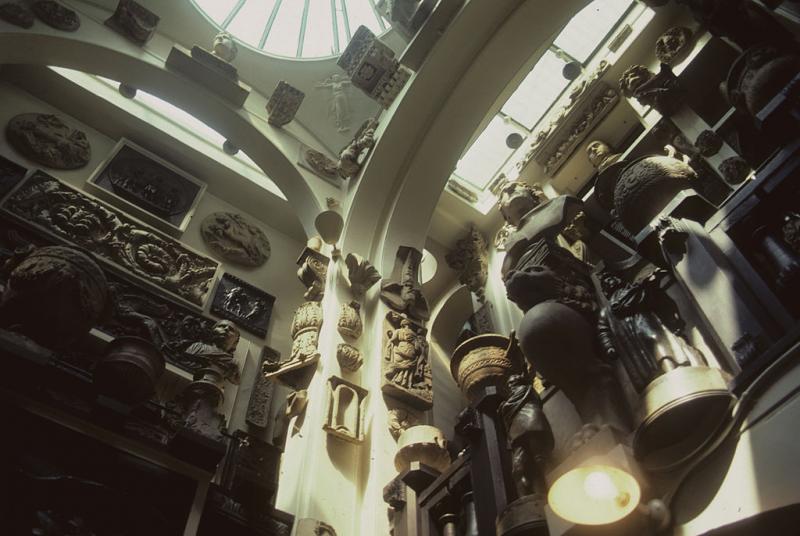
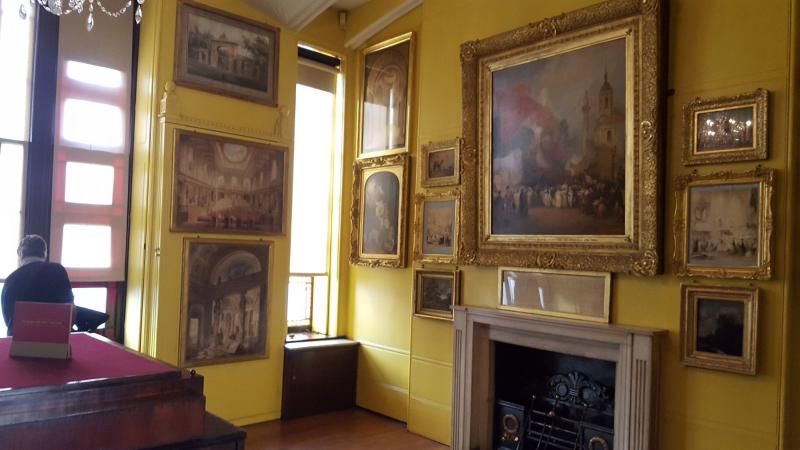
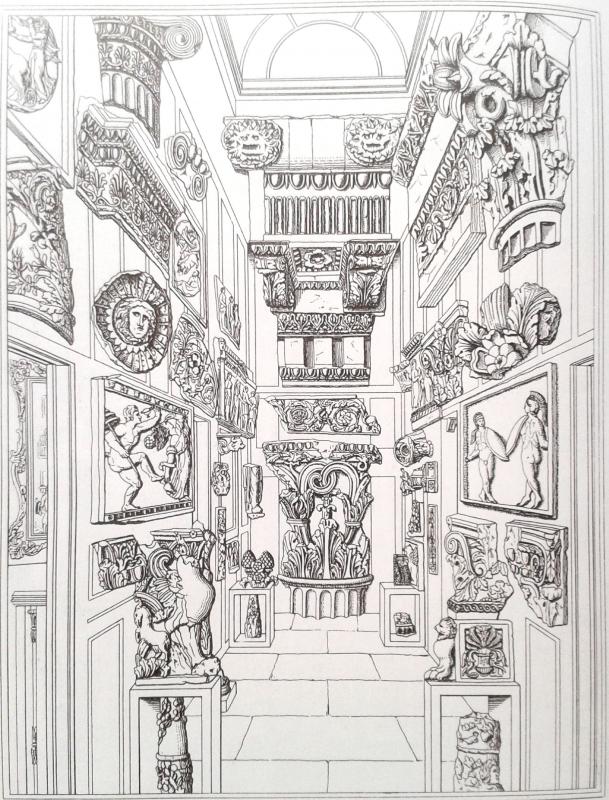
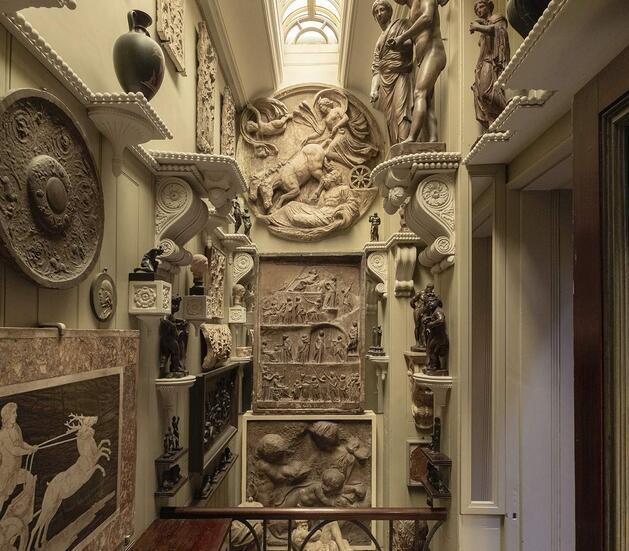
La colección del arquitecto Sir John Soane, alberga varios dibujos y proyectos del arquitecto, así como obras de arte y arquitectura antiguas que reunió a lo largo de su vida. Además de por la colección, el museo llama la atención por su estética clasicista, el diseño cuidado de los lucernarios a diferentes alturas y la concentración de objetos de todo tipo, que carecen de espacio de visualización. Dando la impresión de un cofre decorado, con superposición de elementos. No fue hasta la llegada de Peter Thornton como director, tras la muerte de Sir John Soane, que el museo se convirtió en lo que hoy día conocemos, con las salas y estudios de restauración y conservación de antigüedades.
---
TRACHTENBERG, Marvin, HYMAN Isabelle., Arquitectura. De la Prehistoria a la Postmodernidad.
Edit.Akal. Madrid, 1990
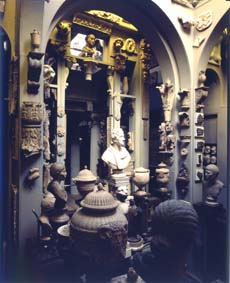
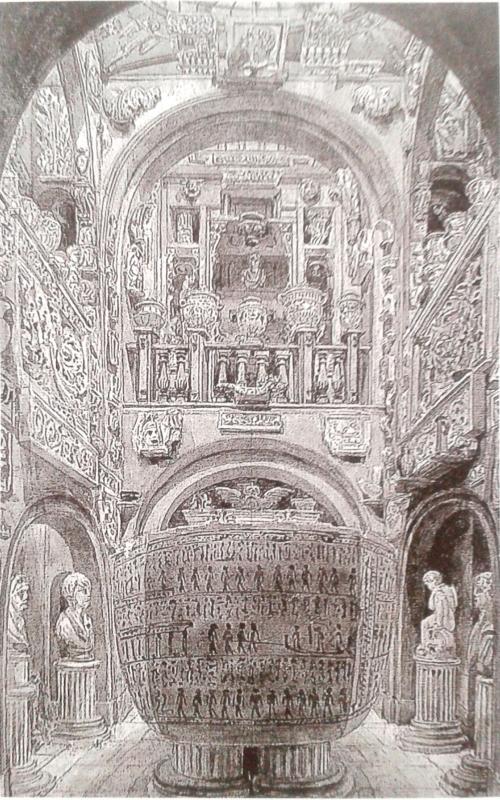
págs. 522- 527." Soane fue más lejos incluso en la más excéntrica de sus obras, su propia casa en Londres. Este edificio extraordinario fue el resultado de la reconstrucción de tres csas en hilera entre el 12-14 de Lilncoln´s Inn Fields, un proceso intermitente que duró desde 1792 a 1824. la complicación de estos espacios interiores, una madriguera de un planeamiento claustrofíbico y unos niveles impredeciblmente cambiantes, no fue tanto el resultado de la construcción a trozos como del cultivo de las complejidades pintorescas de Soane. La casa es una versión urbana del Strawberry Hill de Walpole y produce una impresión inolvidable en todos los que la visitan. Soane cedió el edificio a la nación inglesa como museo, que todavía continúa, con sus numerosísimas colecciones de dibujos, cuadros, esculturas, expolios de la antigüedad y del medievo y artefactos de todo tipo. En la llamada Cúpula del Museo, la colección de Soane de fragmentos arquitectónicos antiguos fue dispuesta originalmente en una sugestiva forma de Piranesi - un apilado de antiguedades en arcos y bóvedas a distintos niveles asemejándose a unas ruinas sepulcrales romanas. La casa estaba caracterizada por una variedad de estilos góticos neoclásicos y un ejemplo en particular - el salón de desayuno - sirve para anclar al arquitecto en las corrientes culturales de su época y también para profetizar una era posterior.
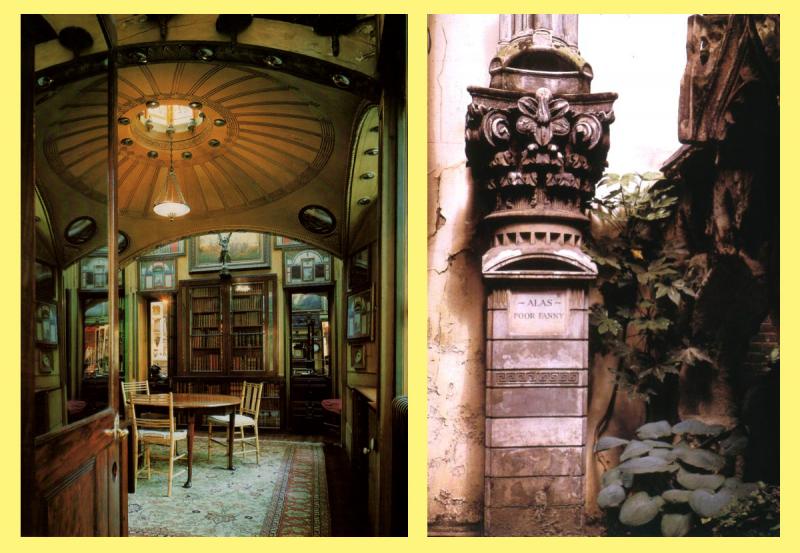
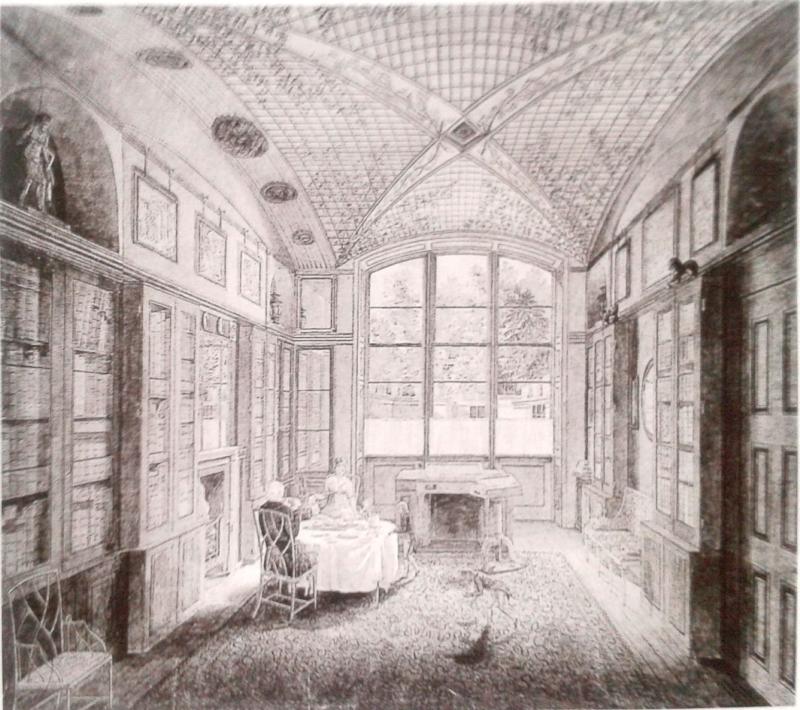
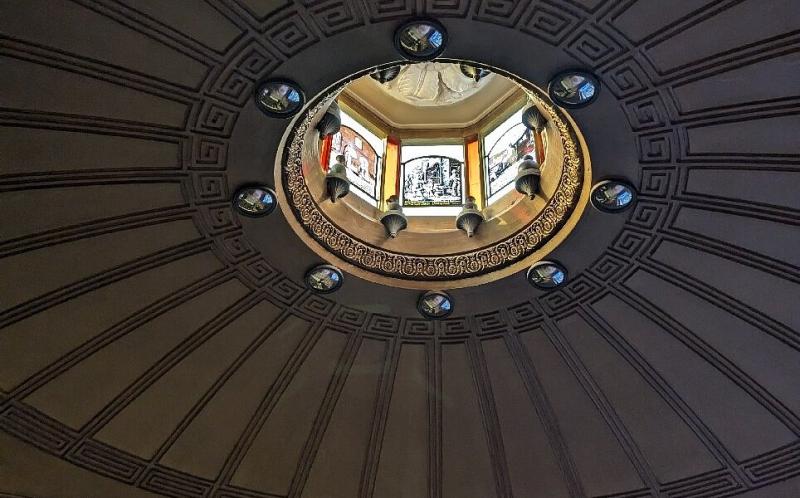
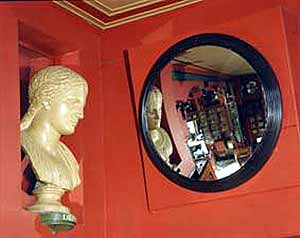
La habitación es pequeña, sus detalles modestos, pero el conjunto es de un efecto brillante. Está construída en una planta rectangular, con espacios iluminados "misteriosamente" en cada extremo y una unidad de abovedado cuadrada en el centro, formada por una estructura sobre pechinas con una linterna sobre simples apoyos de esquina. El Salón de Desayuno, delicado y boyante, es considerado otro ejemplo de la síntesis de diversas fuentes inglesas y francesas que ya se observó en las oficinas del banco. Pero hay más cosas en este interior aparentemente inocente. Por todas partes aparecen espejos convexos que son la clave de los efectos de la habitación. La solidez de las formas se disuelve en línea y plano y éstos, a su vez, se difunden en reflejos cambiantes e intangibles. No hay límites seguros, sólo planos y bordes interpenetrables y reflexivos que no ofrecen un punto de descanso a la vista. Soane estabamuy orgulloso de su salón de desayuno, pero tuvo problemas para describir sus efectos revolucionarios, escribiendo que "las vistas desde esta habitación... los espejos en el techo y en la pared, combinados con la variedad de perfiles y la distribución general en el diseño y la deocoración del espacio limitado, presentan una sucesión de aquellos efectos fantásticos que constituyen la poesía de la arquitectura". Lo que parece que Soane estaba sugiriendo, es que el interior no estaba concebido como una unidad clásica concentrado, sino como una "sucesión" de "efectos fantásticos" fragmentados, Una disolución pintoresca de las formas cláscicas en una serie de fenómenos ópticos "poéticamente evocadores". Esto se deriva claramente de lo pintoresco, pero trasciende sus fuentes igual que el pintor contemporáneo J.M.W. Turner al disolver la forma determinada tradicional de pintar en un estilo de color, espacio y luz, trasciende sus fuentes "pintorescas". De la misma manera que Turner adelante el movimiento impresionista y modernista, el estilo Soane del Salón del Desayuno es igualmente profético. En arquitectura monumental, no hubo nada parecido a Soane hasta el estilo arquitectónico abstracto de principios del siglo XX. Como sus equivalentes franceses, al destruir la tradición clásica canónica, realizó la culminación de los movimientos Pintoresco y Neoclásico y preparó el terreno para la siega futura.
---
MONTANER Josep Maria., La modernidad superada. Arquitectura, arte y pensamiento del siglo XX.
Edit. Gustavo Gili. Barcelona, 2002.
págs.25-58 “Espacio y antiespacio. Lugar y no lugar en la arquitectura moderna”
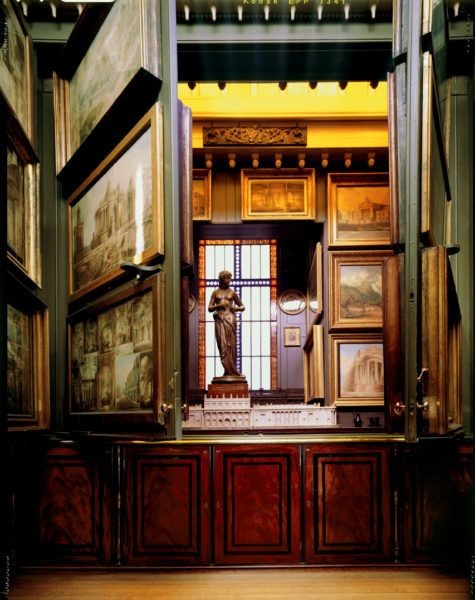
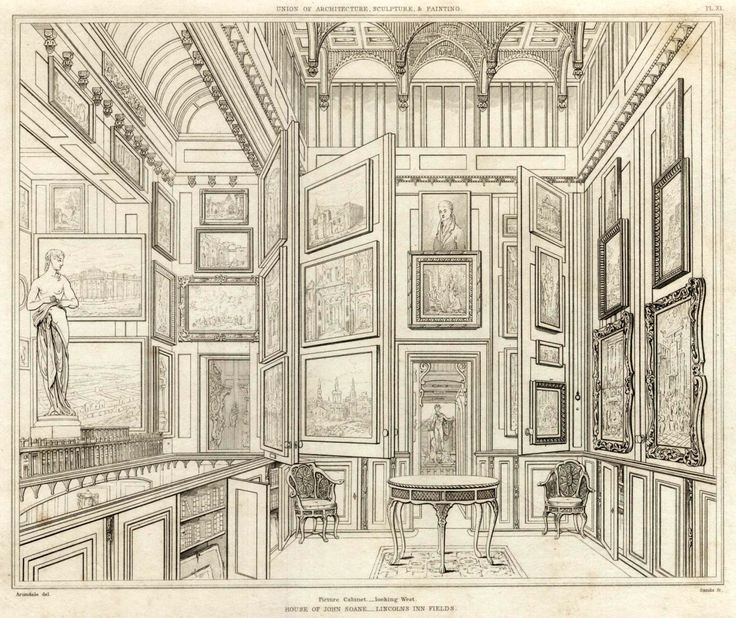
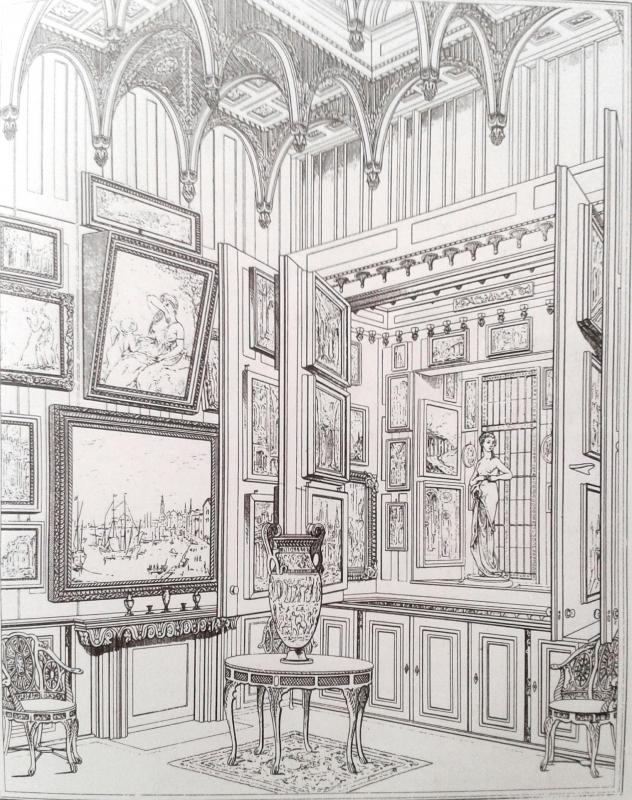
Esta búsqueda de un espacio moderno, infinito y dinámico se intuye en distintos precedentes. En la casa museo de John Soane en Londres(1792-1837), su extensa colección de pinturas y esculturas se sitúa en un espacio que fluye, con iluminación cenital por claraboyas, con salas que surgen detrás de salas, escaleras que surgen tangencialmente entre los muros y colecciones de cuadros -es decir, ventanas simbólicas- que se abaten para dejar planos posteriores, como si el espacio dentro de los muros se fuera deshojando, desvelando y emancipando
---