Imprimir
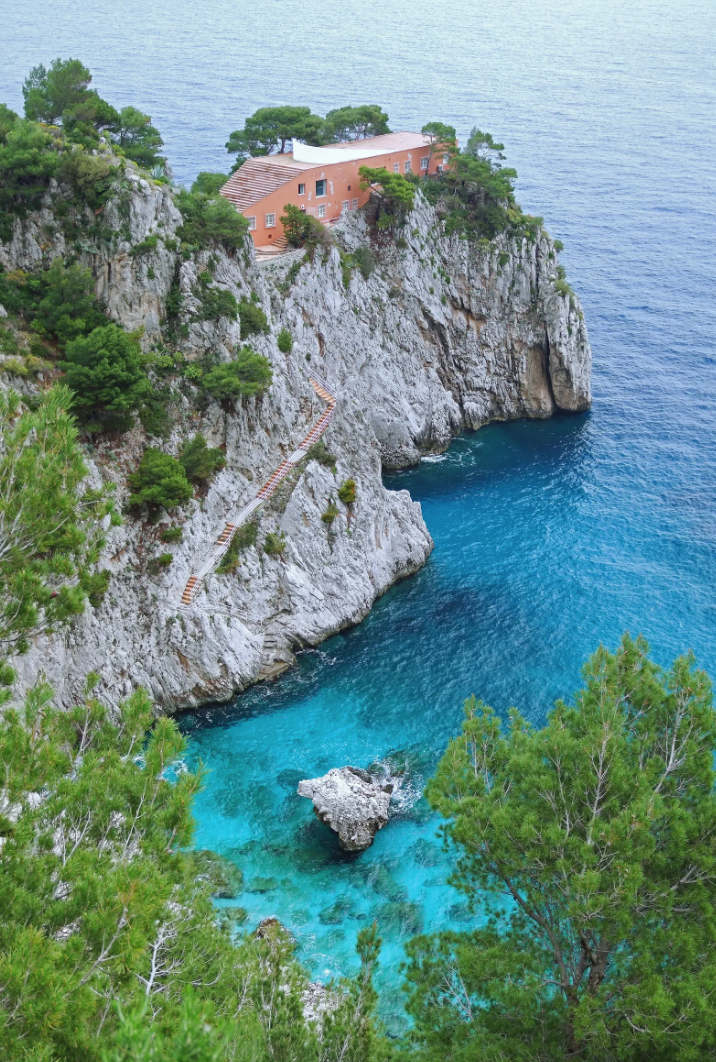
Malaparte Home
Casa Malaparte- 1938 - 1942
- MALAPARTE, Curzio
- LIBERA, Adalberto
- Capri
- Italia
- Artículo en Architectural Digest (21-2-2019) [22-2-2022]
- Artículo en Architectural Digest (21-2-2019) [22-2-2022]
- Adalberto Libera, Casa Malaparte. TECNNE. Arquitectura y contextos [14-9-2023]
- Adalberto Libera, Casa Malaparte. TECNNE. Arquitectura y contextos [14-9-2023]
- Artículo en el Financial Times (16-06-2020) [22-2-2022]
- Artículo en el Financial Times (16-06-2020) [22-2-2022]
- Arquitectura y cine. "Le Mépris"y su rodaje en la Casa Malaparte. Architectural Digest. [14-9-2023]
- Arquitectura y cine. "Le Mépris"y su rodaje en la Casa Malaparte. Architectural Digest. [14-9-2023]
- Blog. Villa Malaparte. La casa hecha a medida del hombre: "Casa como yo". Alargos, Arte e Historia. [14-9-2023]
- Blog. Villa Malaparte. La casa hecha a medida del hombre: "Casa como yo". Alargos, Arte e Historia. [14-9-2023]
- Casa Malaparte [10-4-2014]
- Casa Malaparte [10-4-2014]
- Casa Malaparte. Un símbolo para la Arquitectura fruto de una compleja relación. Cosas de arquitectos. Revista digital de arquitectura. [14-9-2023]
- Casa Malaparte. Un símbolo para la Arquitectura fruto de una compleja relación. Cosas de arquitectos. Revista digital de arquitectura. [14-9-2023]
- Casa Malaparte en Capri. Aryse.18/05/2012 [14-9-2023]
- Casa Malaparte en Capri. Aryse.18/05/2012 [14-9-2023]
- Casa Malaparte. Wikiarquitectura. [14-9-2023]
- Casa Malaparte. Wikiarquitectura. [14-9-2023]
- Casa Malaparte. Blog de Ila Basmati [14-9-2023]
- Casa Malaparte. Blog de Ila Basmati [14-9-2023]
- Casa Malaparte. Capri, 1937. Hipérbole. Intersecciones creativas. [14-9-2023]
- Casa Malaparte. Capri, 1937. Hipérbole. Intersecciones creativas. [14-9-2023]
- Descripcion [10-4-2014]
- Descripcion [10-4-2014]
- Extracto de la película "El desprecio" (1963) con las escenas rodadas en la casa Malaparte: Interesante. [10-4-2023]
- Extracto de la película "El desprecio" (1963) con las escenas rodadas en la casa Malaparte: Interesante. [10-4-2023]
- Ficha de información completa y enlaces de interés: modelo 3D, bibliografía y publicaciones [10-4-2023]
- Ficha de información completa y enlaces de interés: modelo 3D, bibliografía y publicaciones [10-4-2023]
- Ficha del Edificio (Archdaily Classics) [22-2-2022]
- Ficha del Edificio (Archdaily Classics) [22-2-2022]
- Historia y descripcion arquitectónica [10-4-2014]
- Historia y descripcion arquitectónica [10-4-2014]
- Información general de la Casa Malaparte, fotos y planos [10-4-2014]
- Información general de la Casa Malaparte, fotos y planos [10-4-2014]
- Juego de planos completo: Emplazamiento, alzados, plantas y secciones [10-4-2023]
- Juego de planos completo: Emplazamiento, alzados, plantas y secciones [10-4-2023]
- Maqueta modelo 3D [10-4-2023]
- Maqueta modelo 3D [10-4-2023]
- Prensa. La Nación.19/05/2022. [14-9-2023]
- Prensa. La Nación.19/05/2022. [14-9-2023]
- Reportaje fotográfico comercial de Louis Vuitton (incluye vídeo) [22-2-2022]
- Reportaje fotográfico comercial de Louis Vuitton (incluye vídeo) [22-2-2022]
- Tesis doctoral sobre la casa Malaparte [10-4-2023]
- Tesis doctoral sobre la casa Malaparte [10-4-2023]
- Una trascendencia inesperada: la Casa Malaparte. Horacio Fernández del Castillo.Arquitectura, arte y letras [14-9-2023]
- Una trascendencia inesperada: la Casa Malaparte. Horacio Fernández del Castillo.Arquitectura, arte y letras [14-9-2023]
- Video de la Casa Malaparte [10-4-2014]
- Video de la Casa Malaparte [10-4-2014]
- Prensa. El País. 13/06/2024. La increíble historia de Casa Malaparte [13-6-2024]
- Wiki arquitectura [12-10-2023]
- Archdaily [20-10-2023]
- Revista ad [20-10-2023]
- Cosas de arquitectos [20-10-2023]
- Tecnne [20-10-2023]
- https://www.estudioperpendicular.com/analisis-emocional-ii-casa-malaparte/ [20-10-2023]
- https://www.jotdown.es/2015/11/una-trascendencia-inesperada-la-casa-malaparte/ [20-10-2023]
- Entramos en la casa donde Jean-Luc Godard rodó ‘Le Mépris’, una de las obras más icónicas de la arquitectura moderna de Italia
- Casa Malaparte
- Clásicos de Arquitectura: Casa Malaparte / Adalberto Libera
- ¿Conoces la Casa Malaparte construida por el arquitecto Adalberto Libera?
- Prensa. El País. 13/06/2024. La increíble historia de Casa Malaparte [13-6-2024]
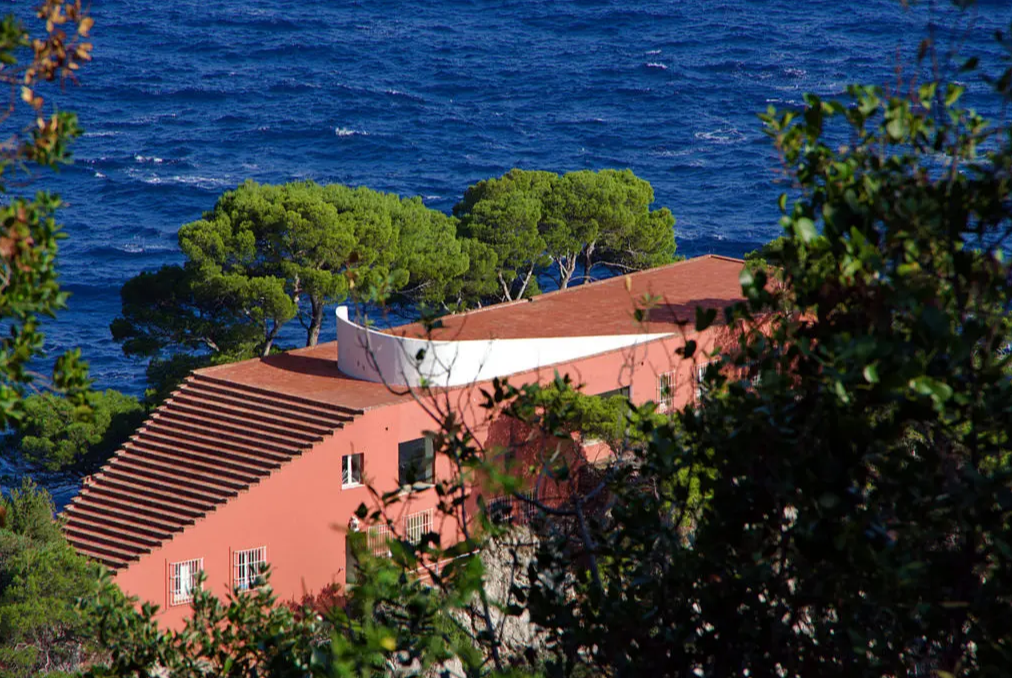

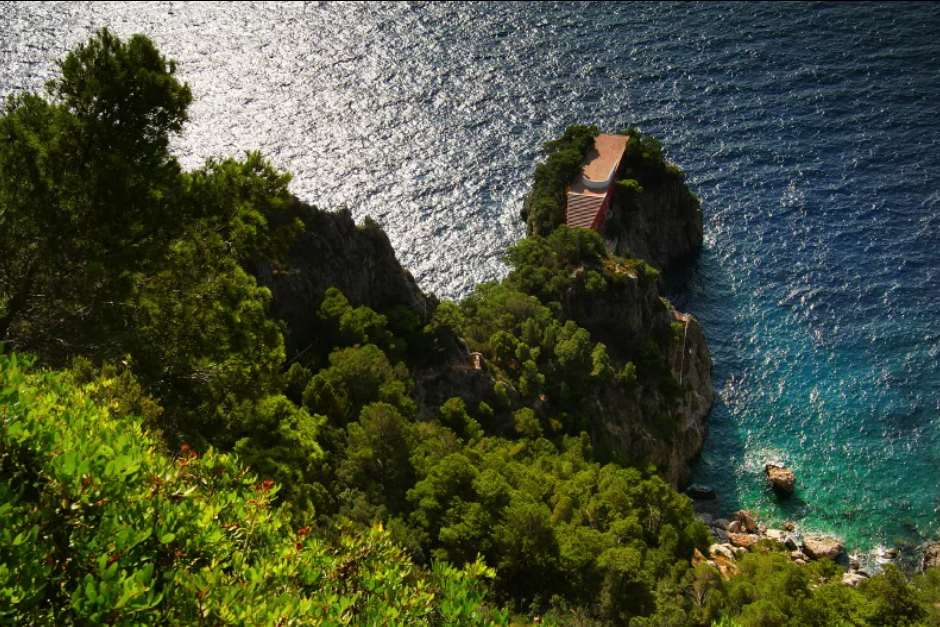
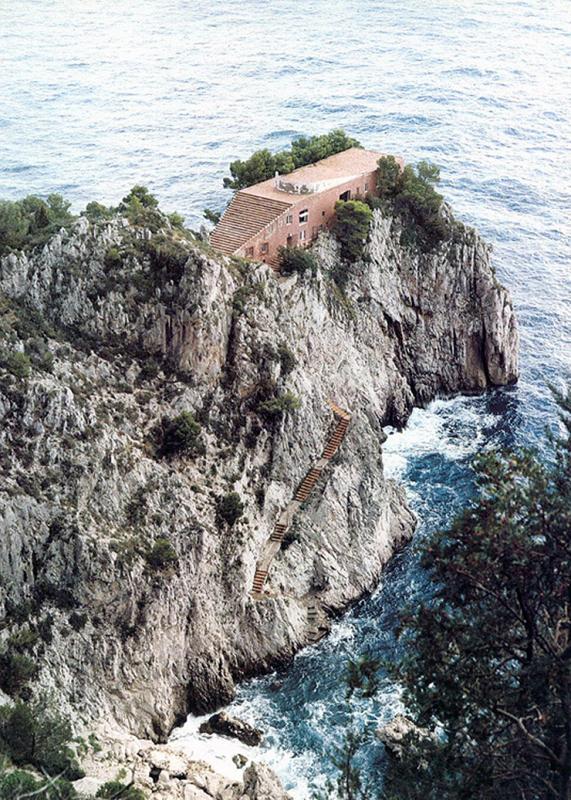
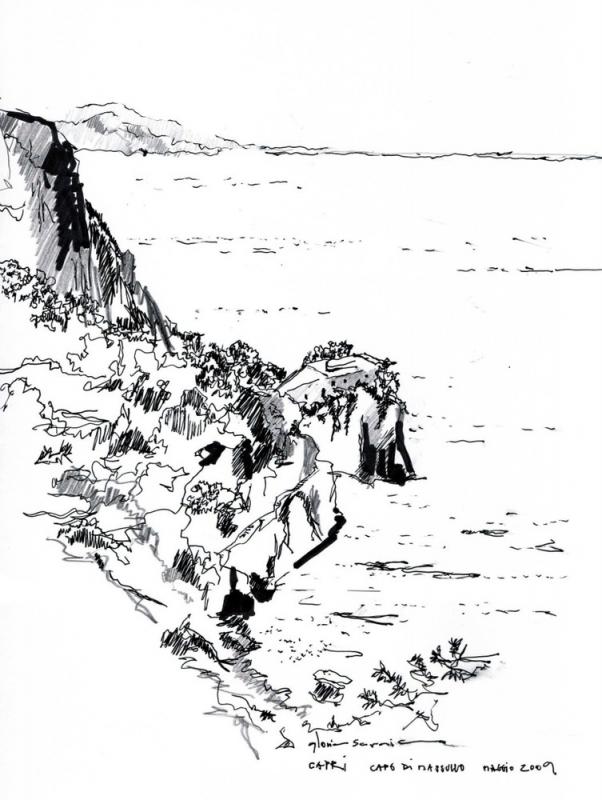
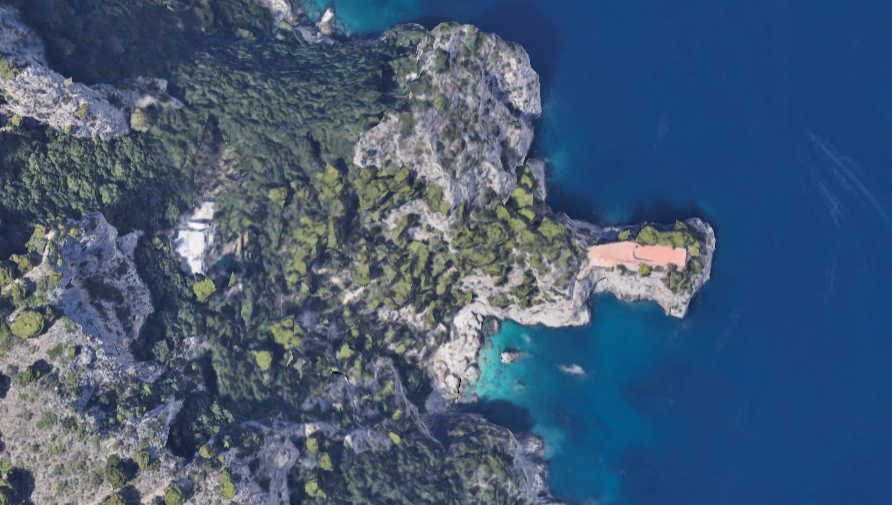
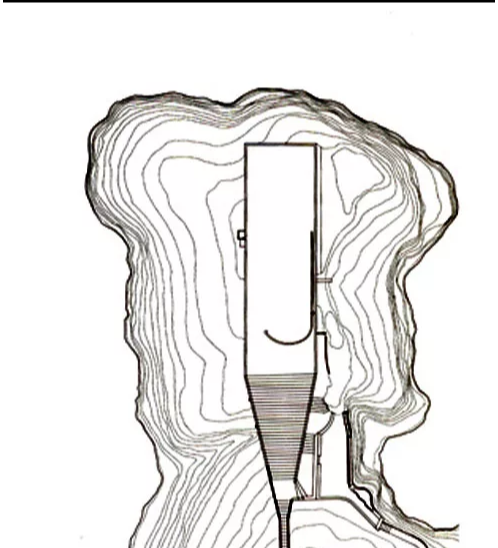
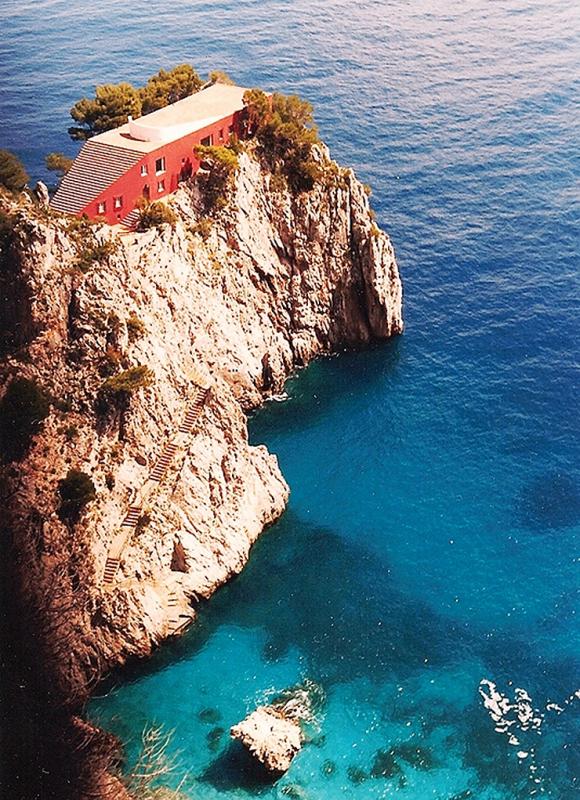
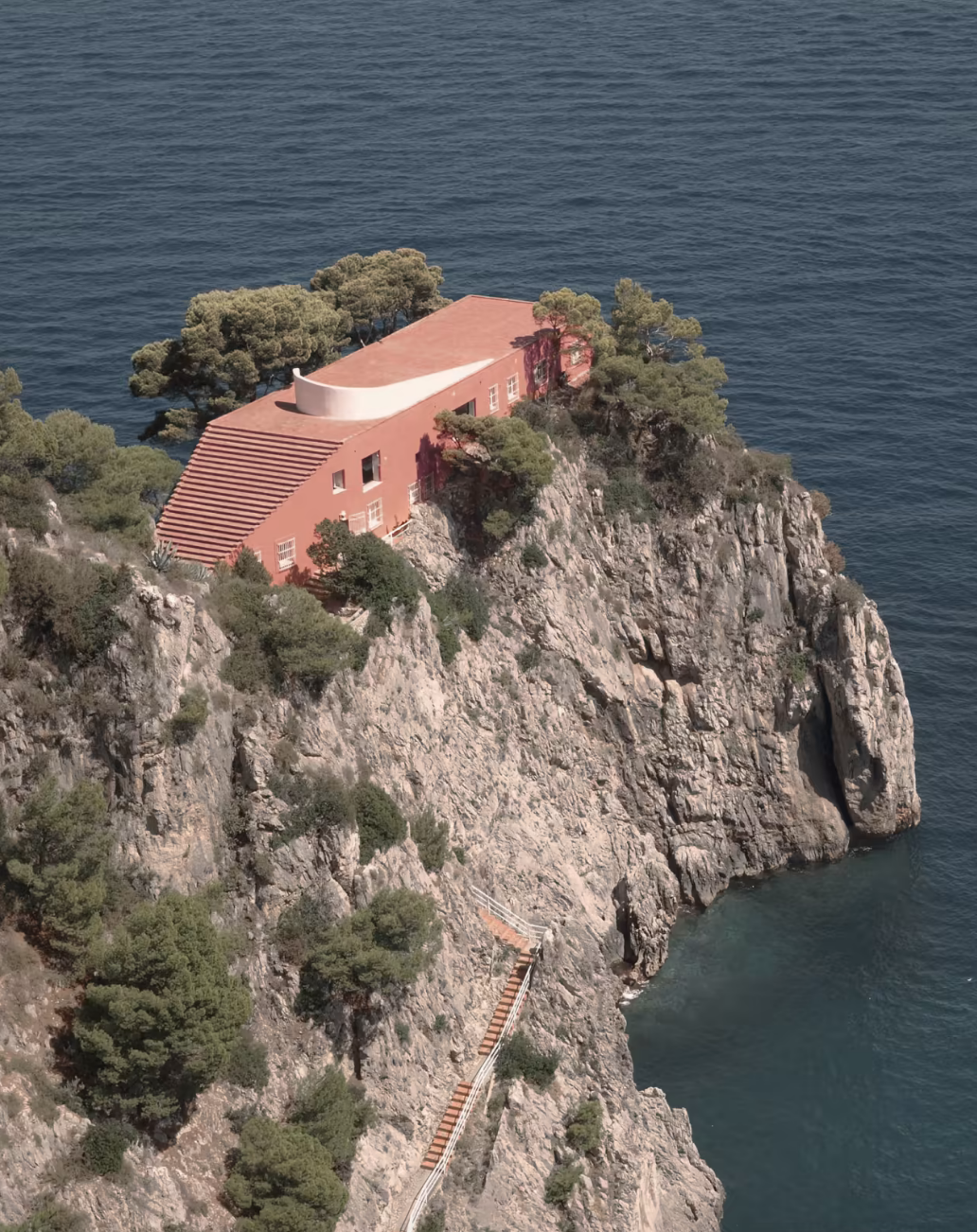
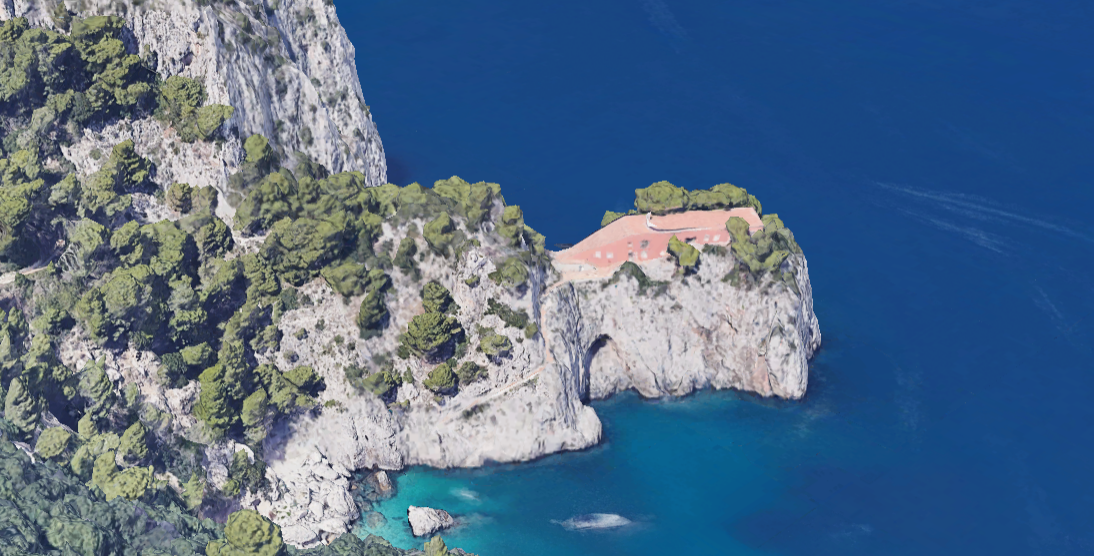
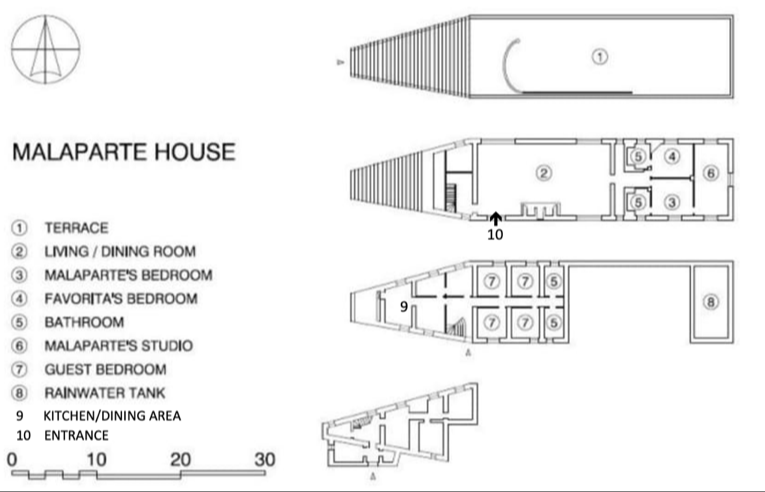
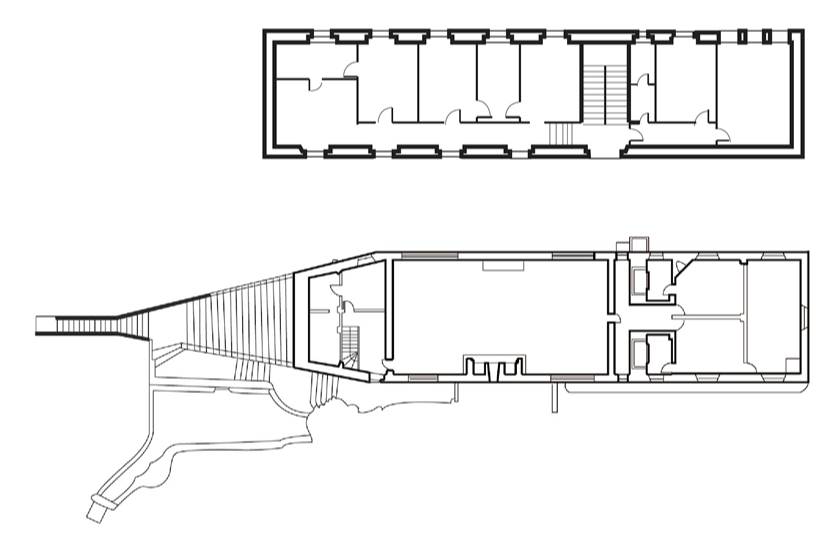
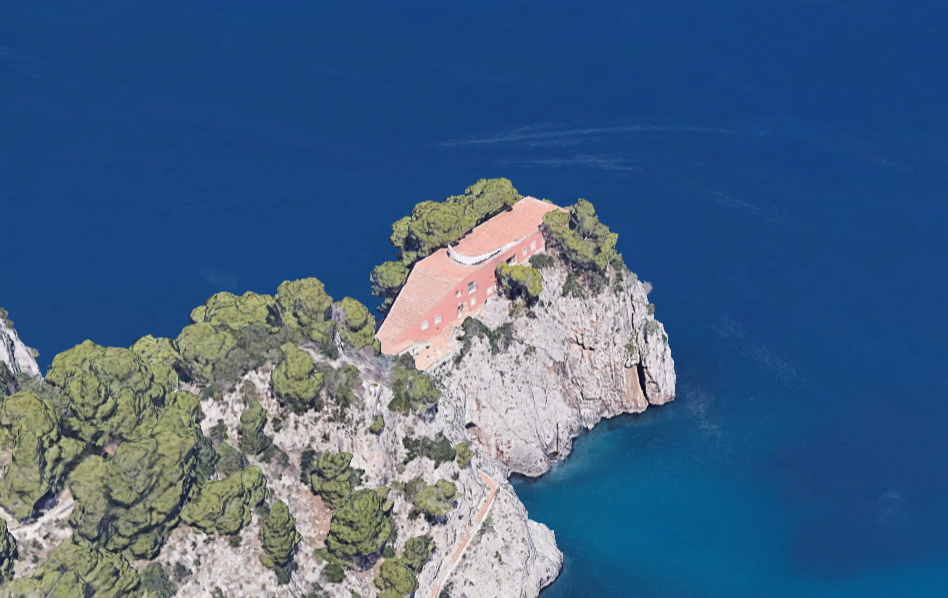
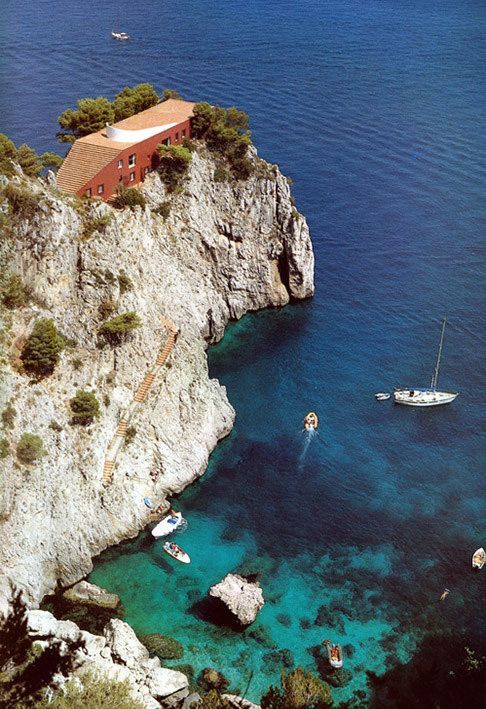
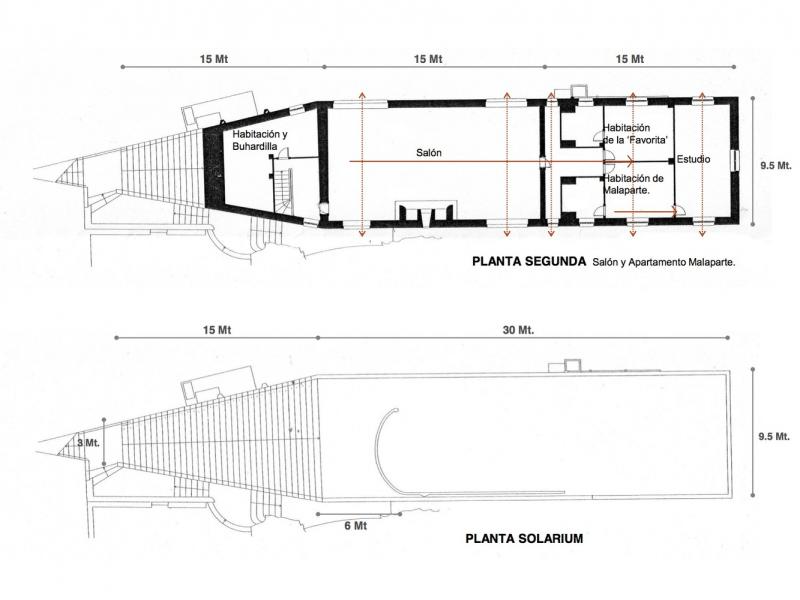
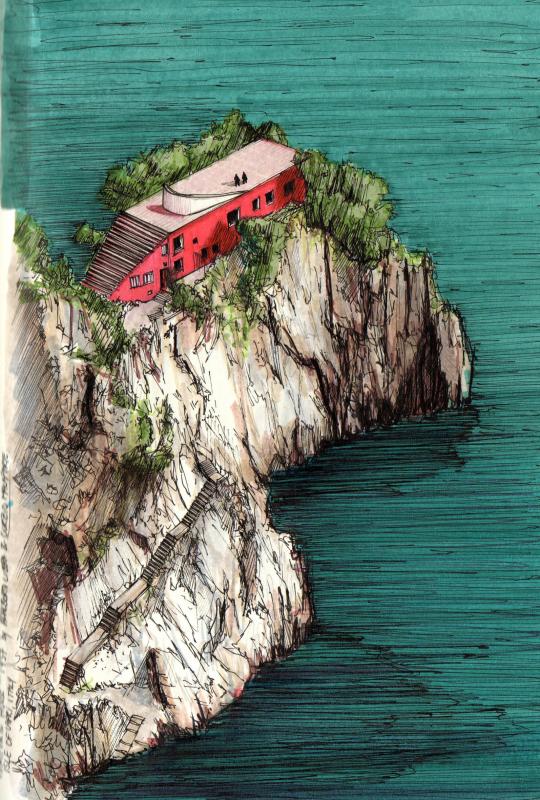
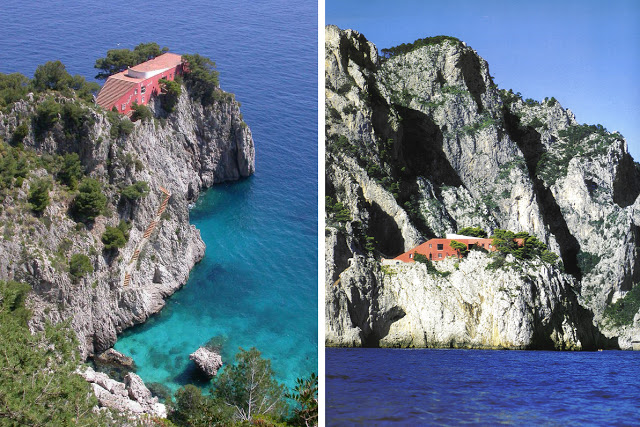
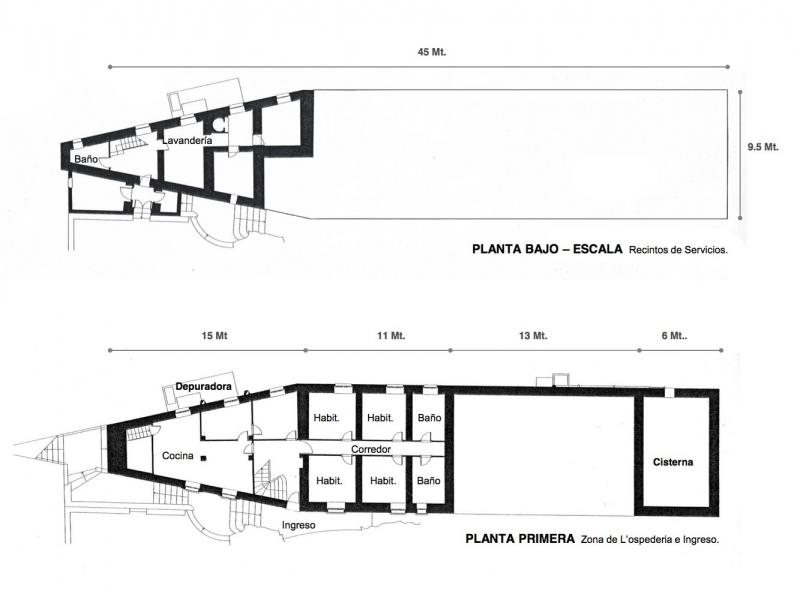
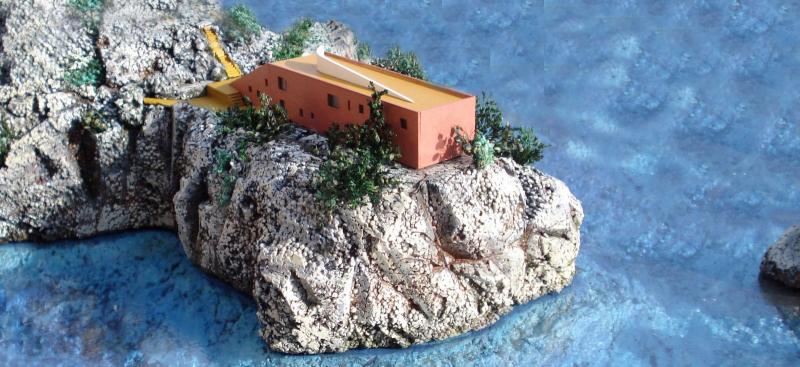
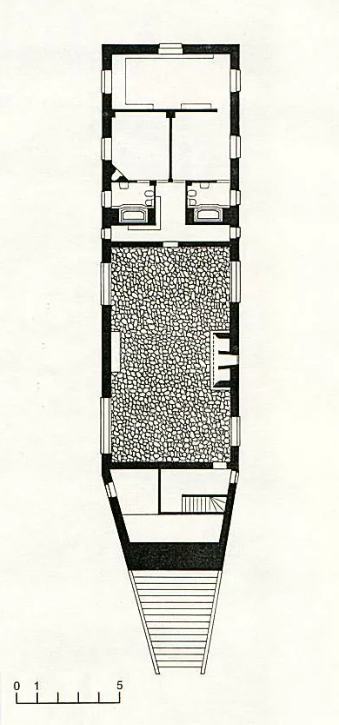
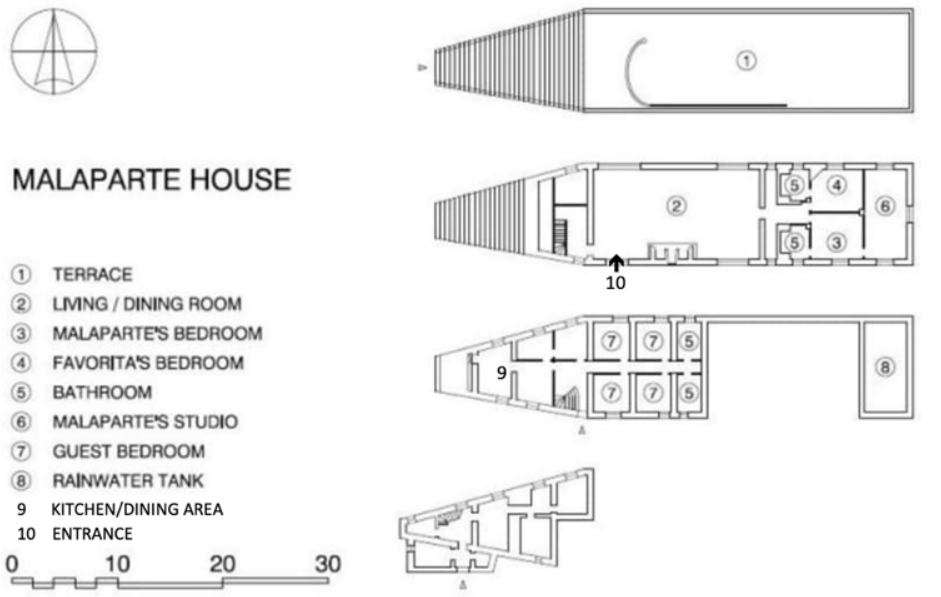
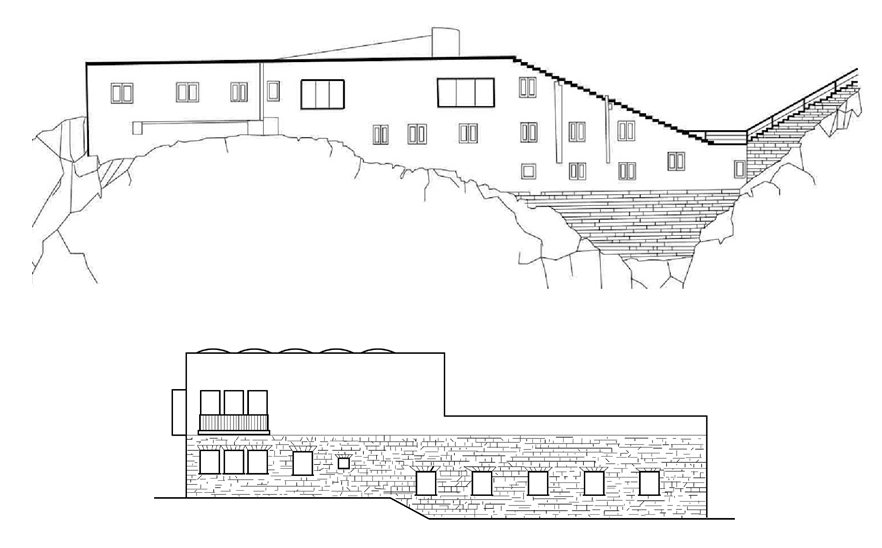
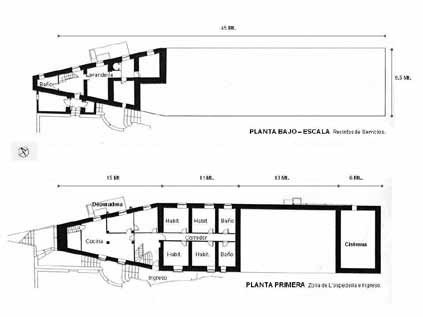
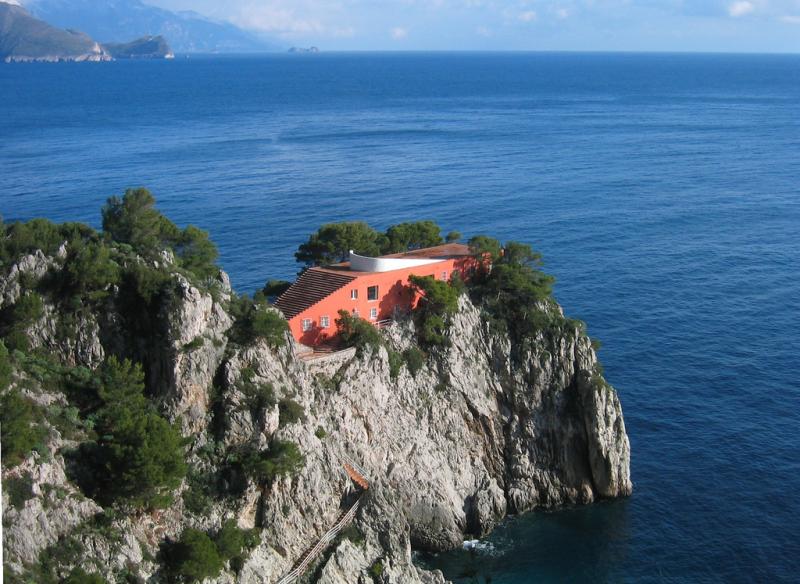
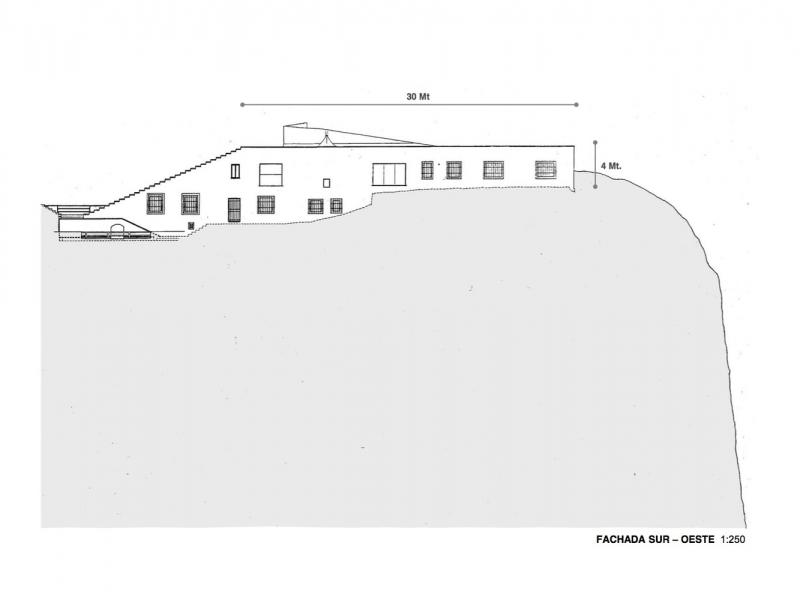
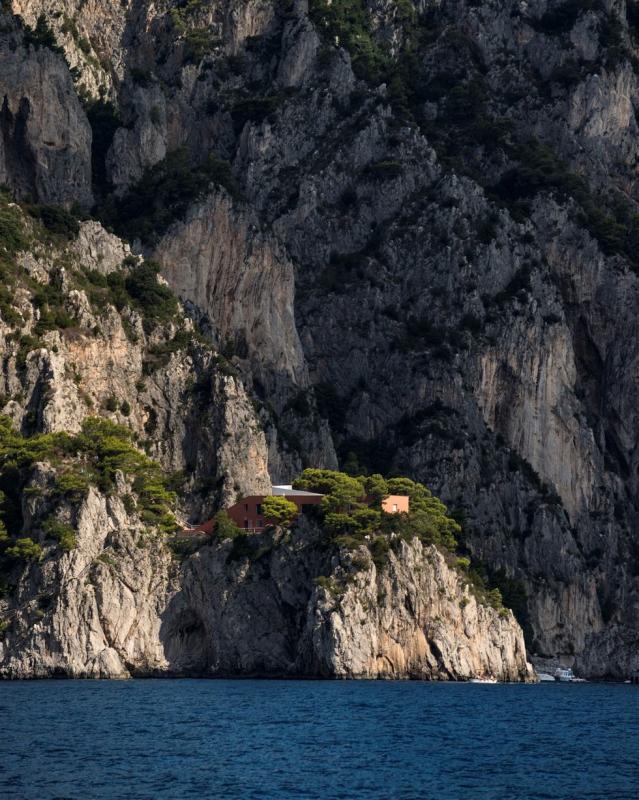
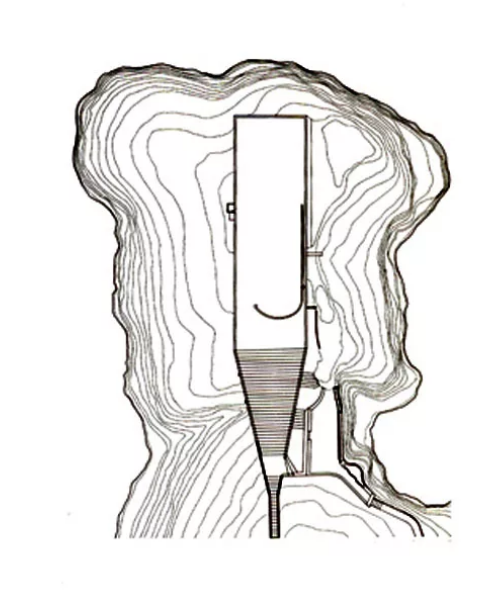
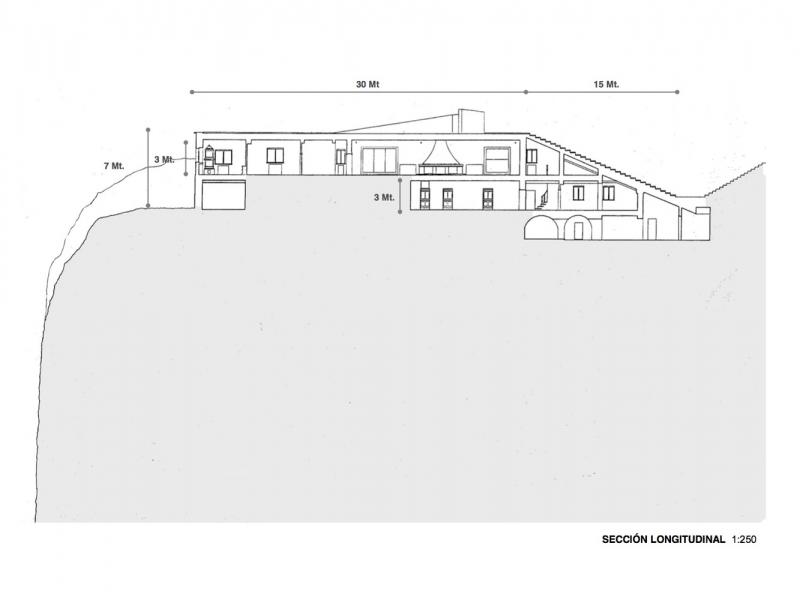
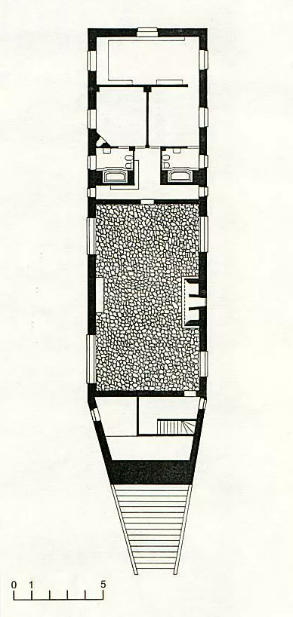
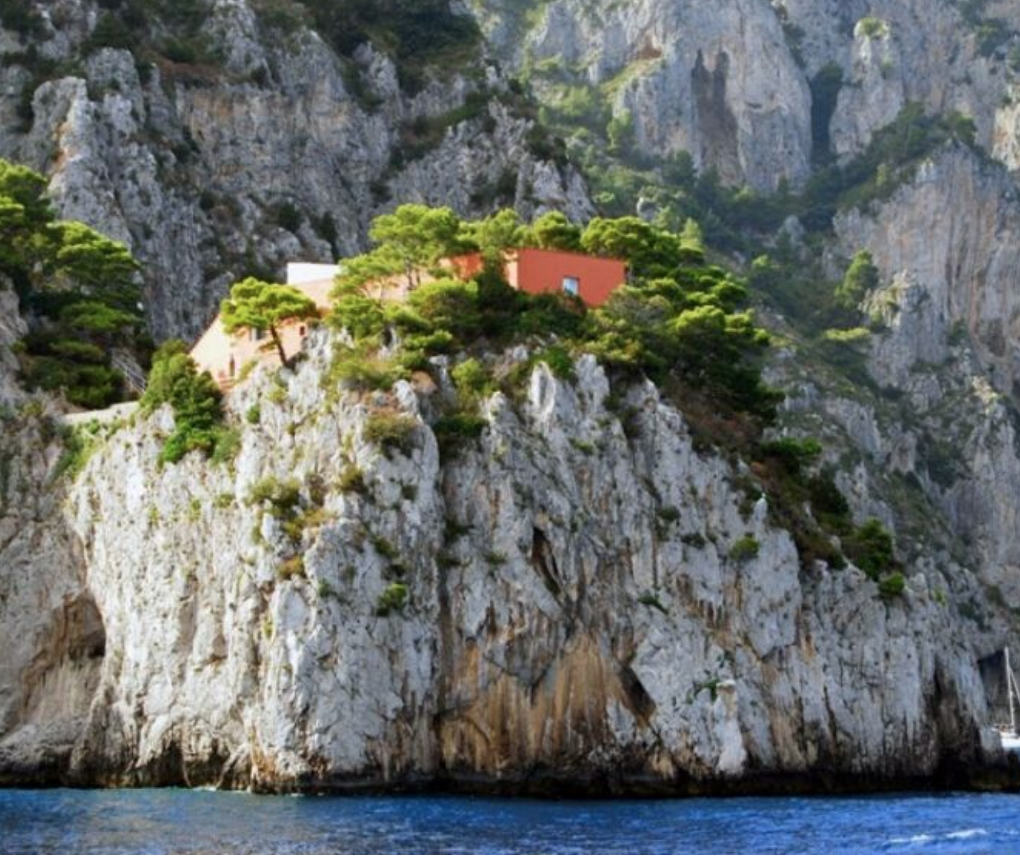
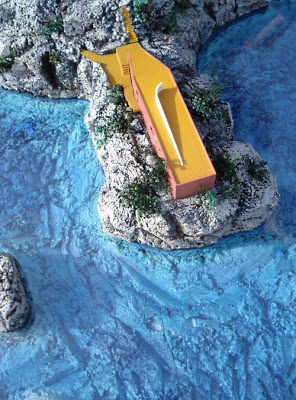
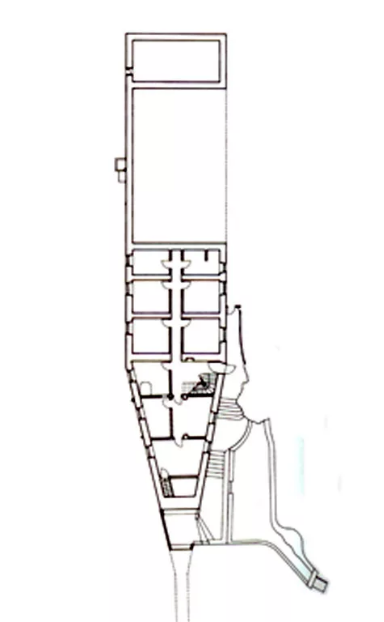
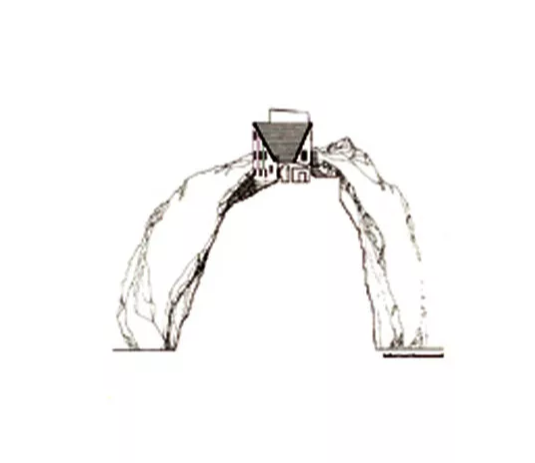
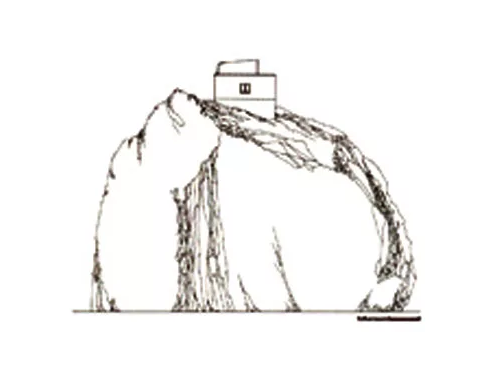
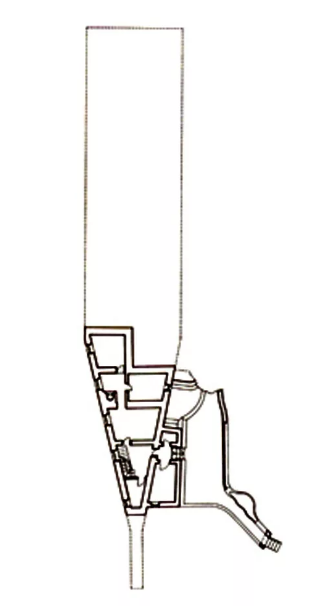
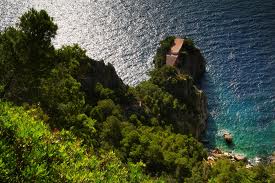
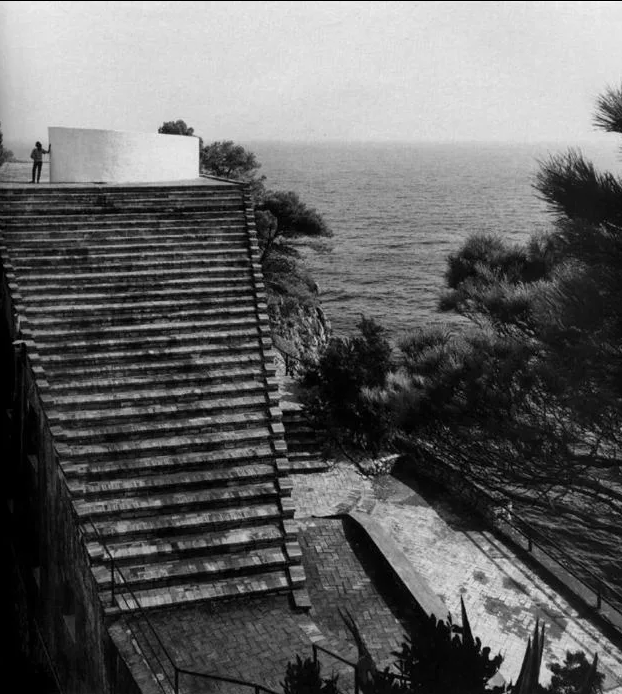
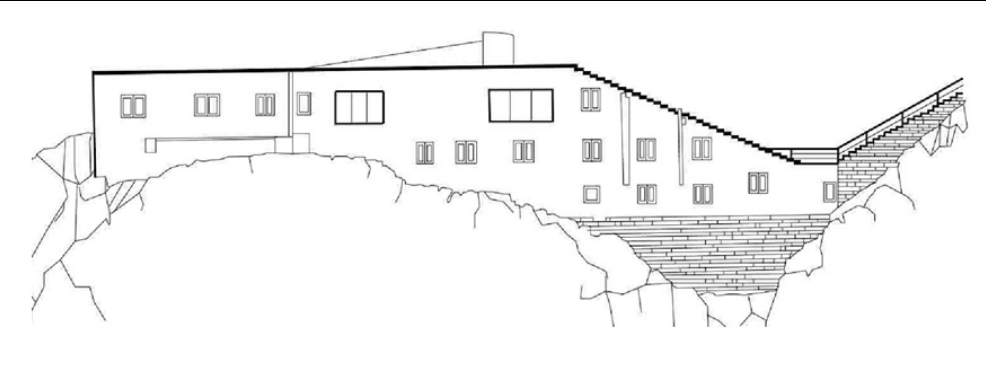
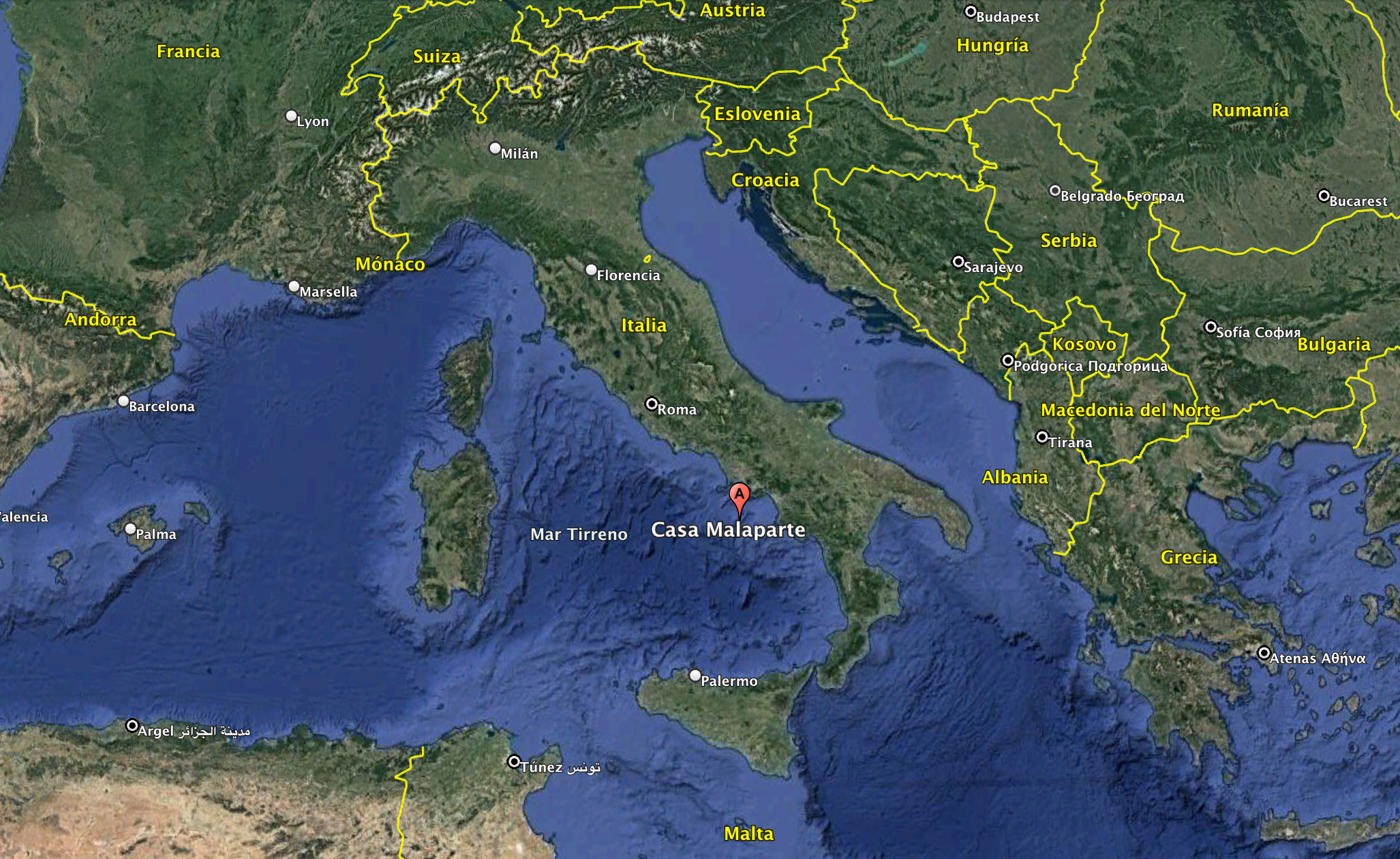
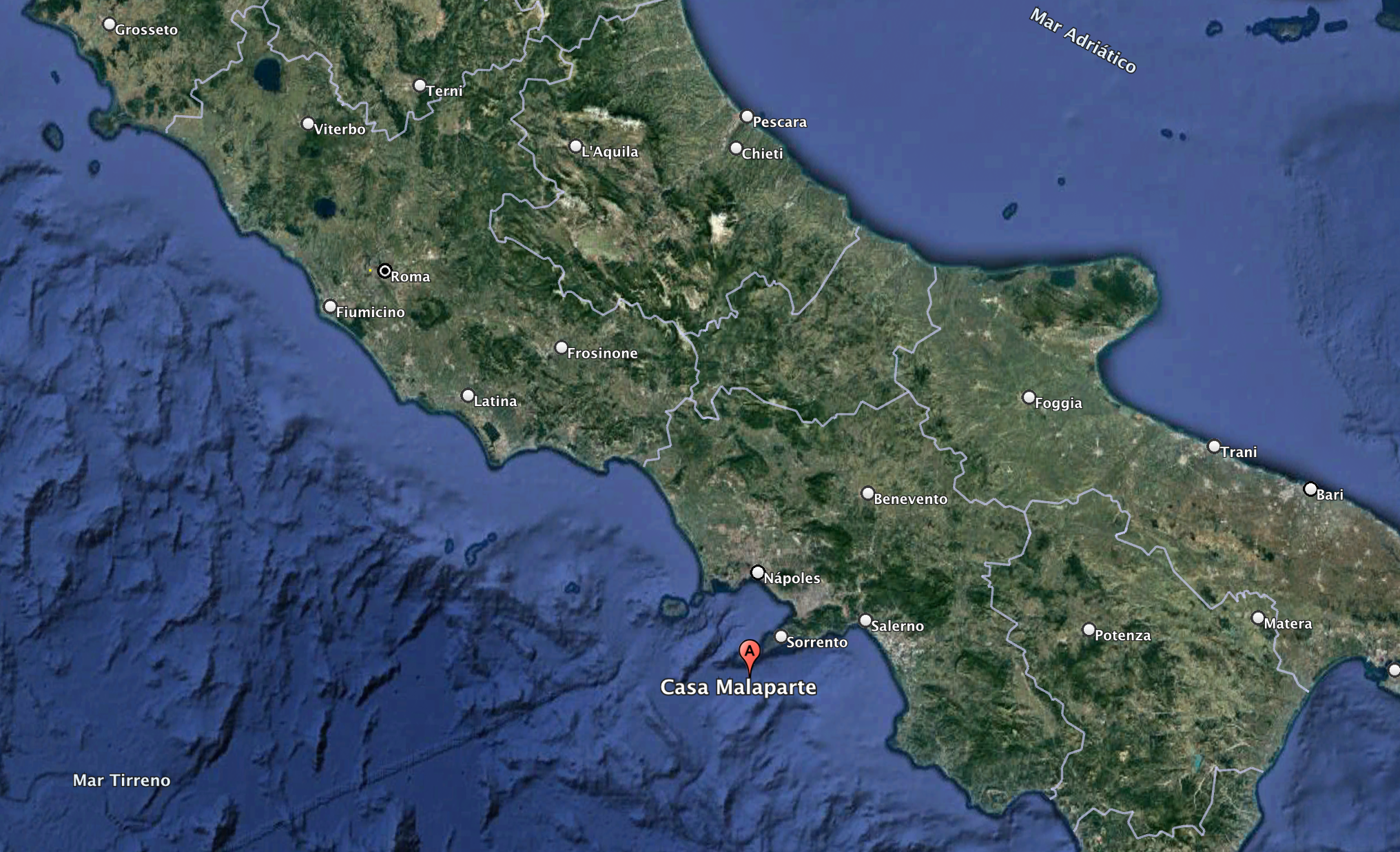
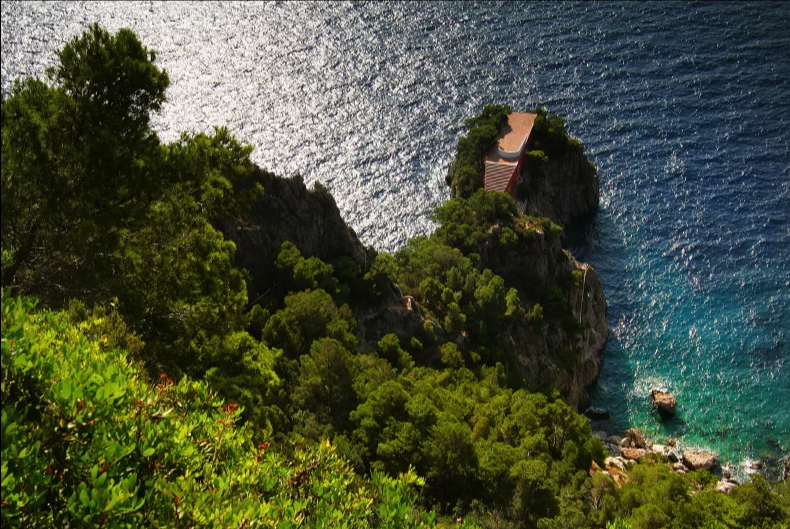
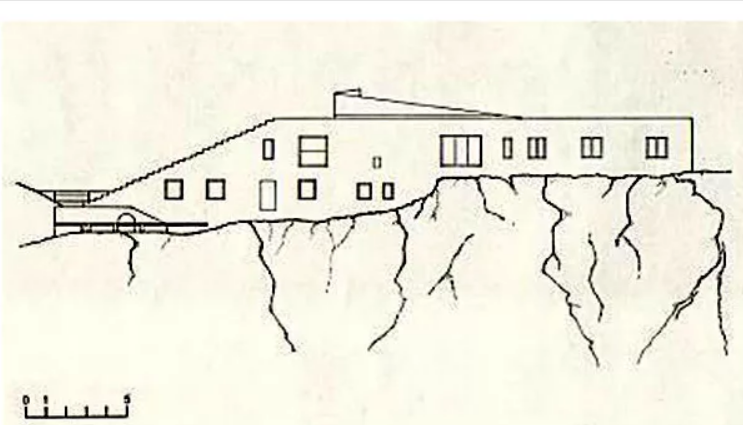
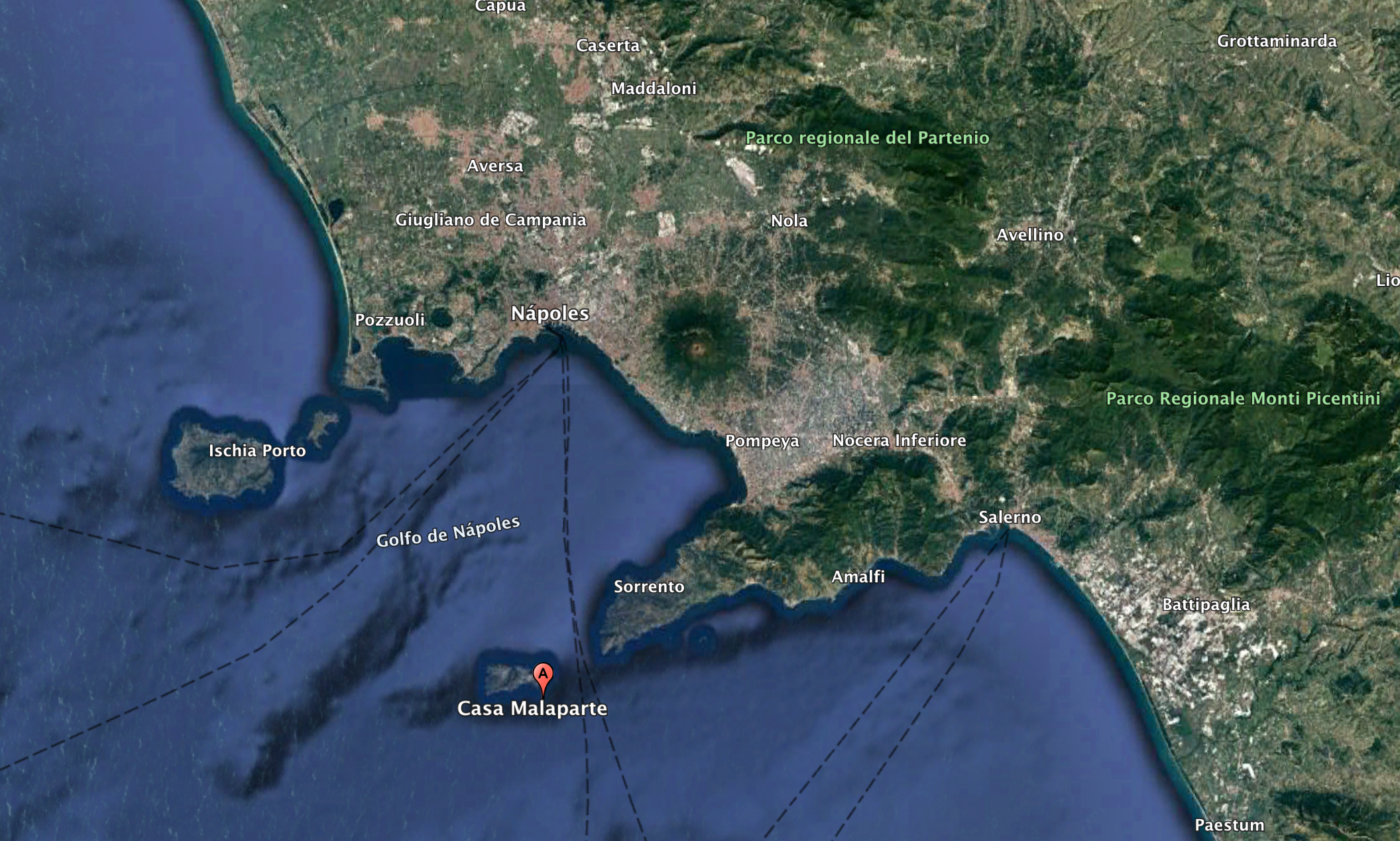
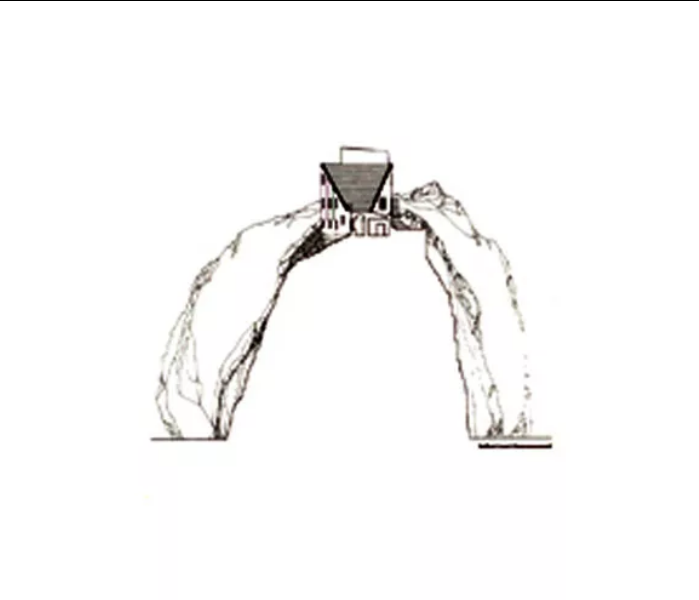
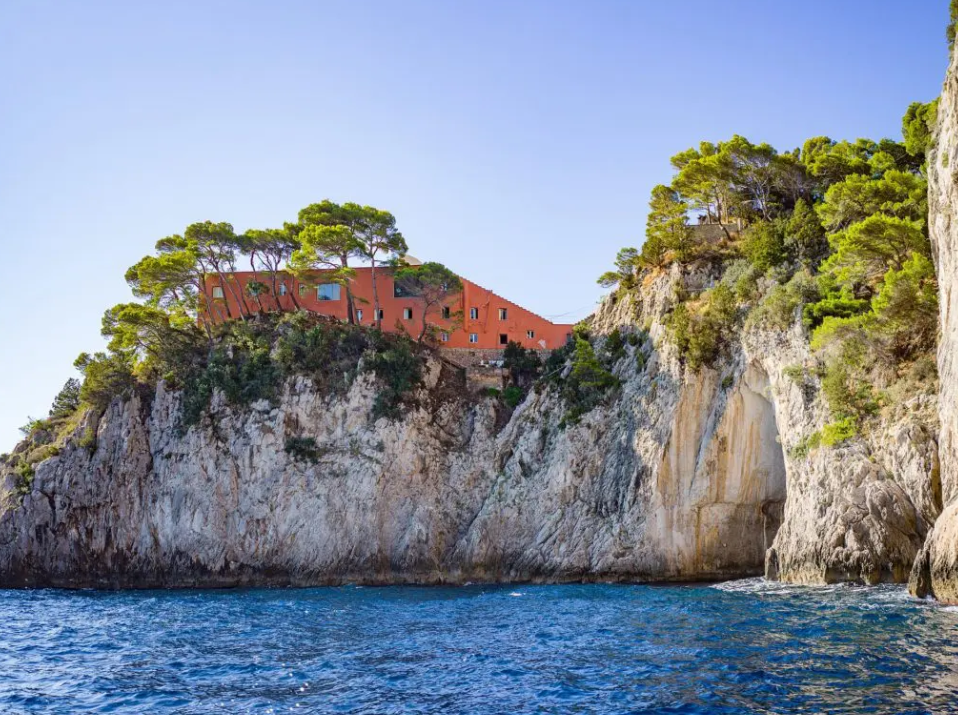
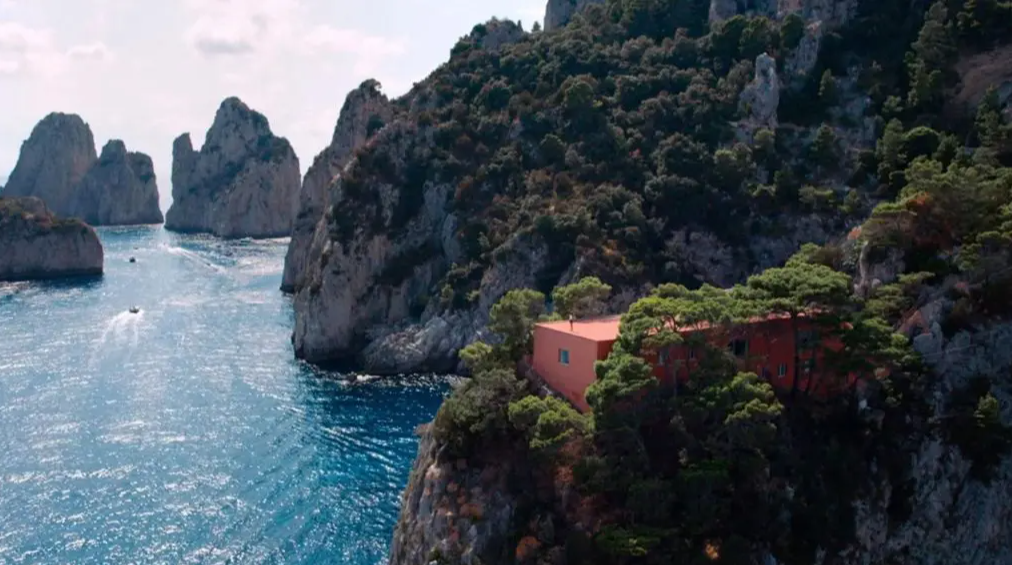
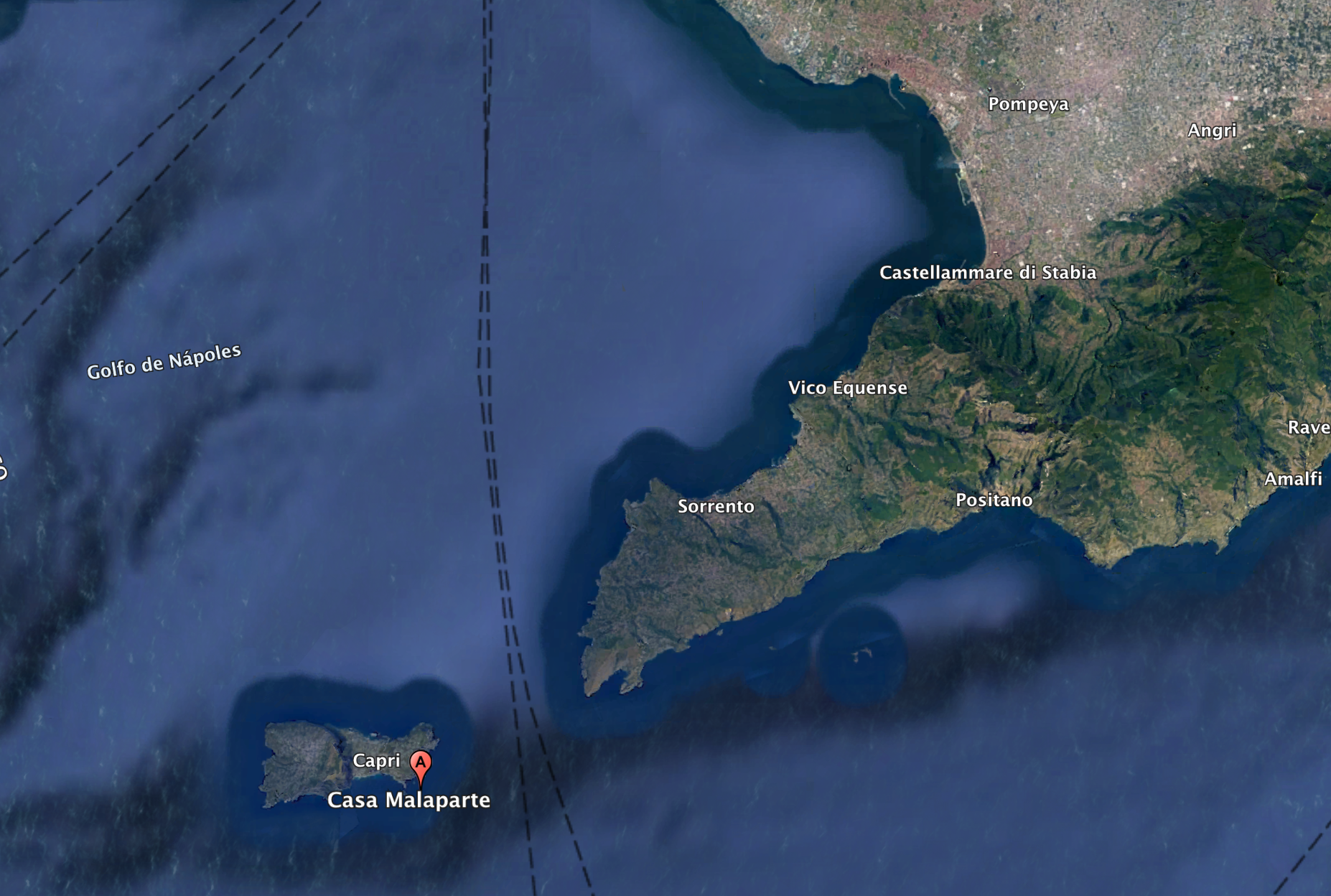
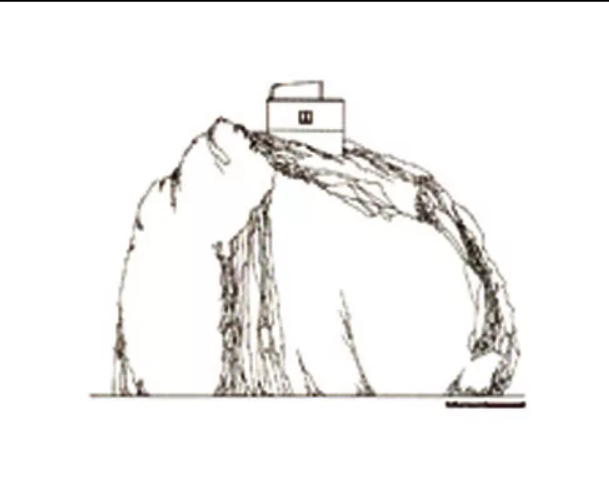
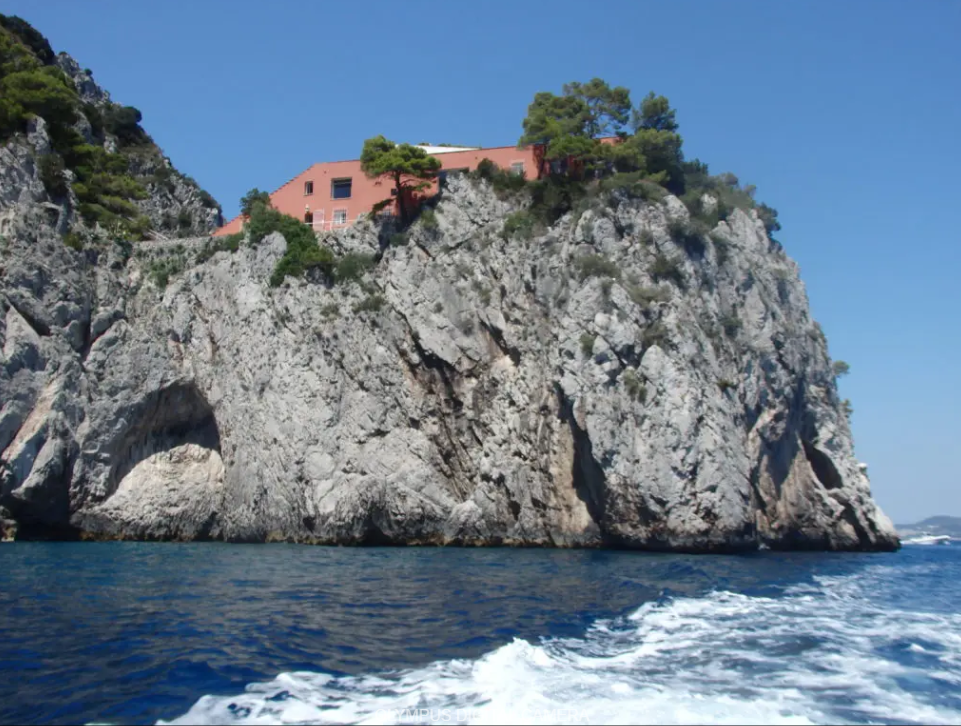
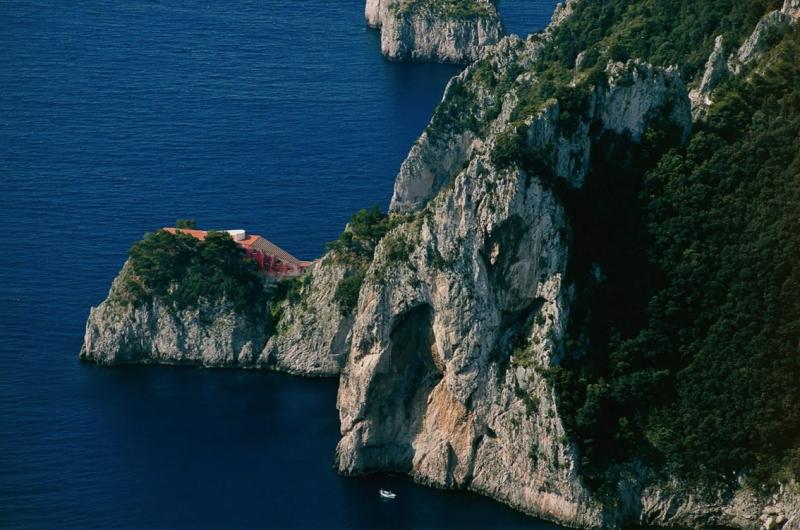
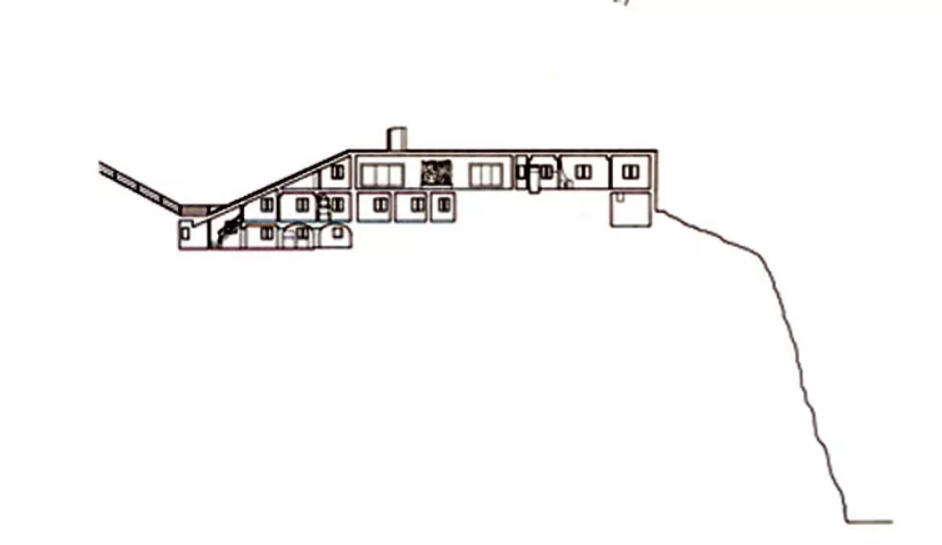
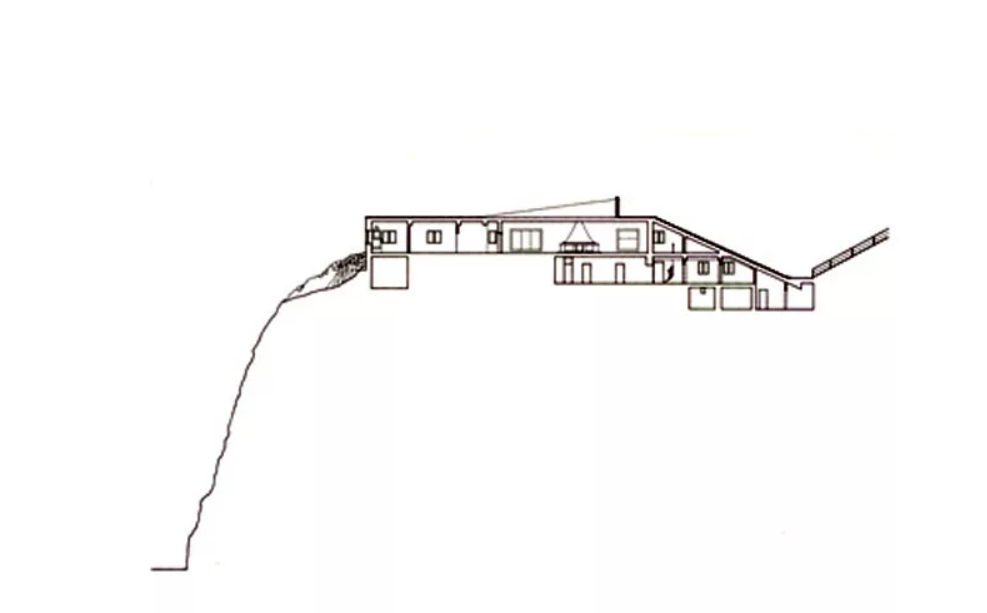
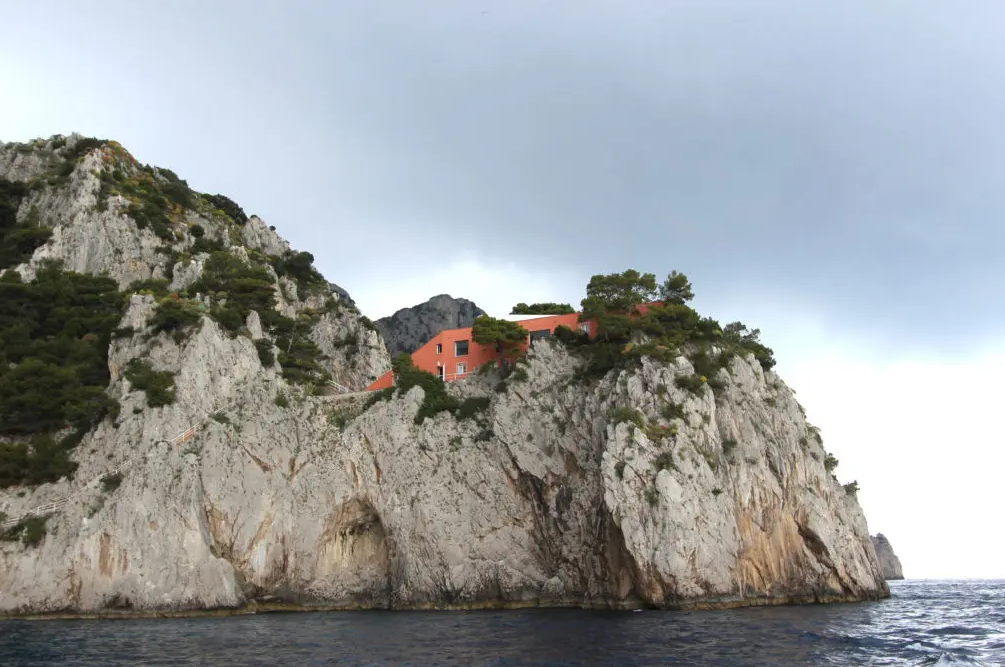
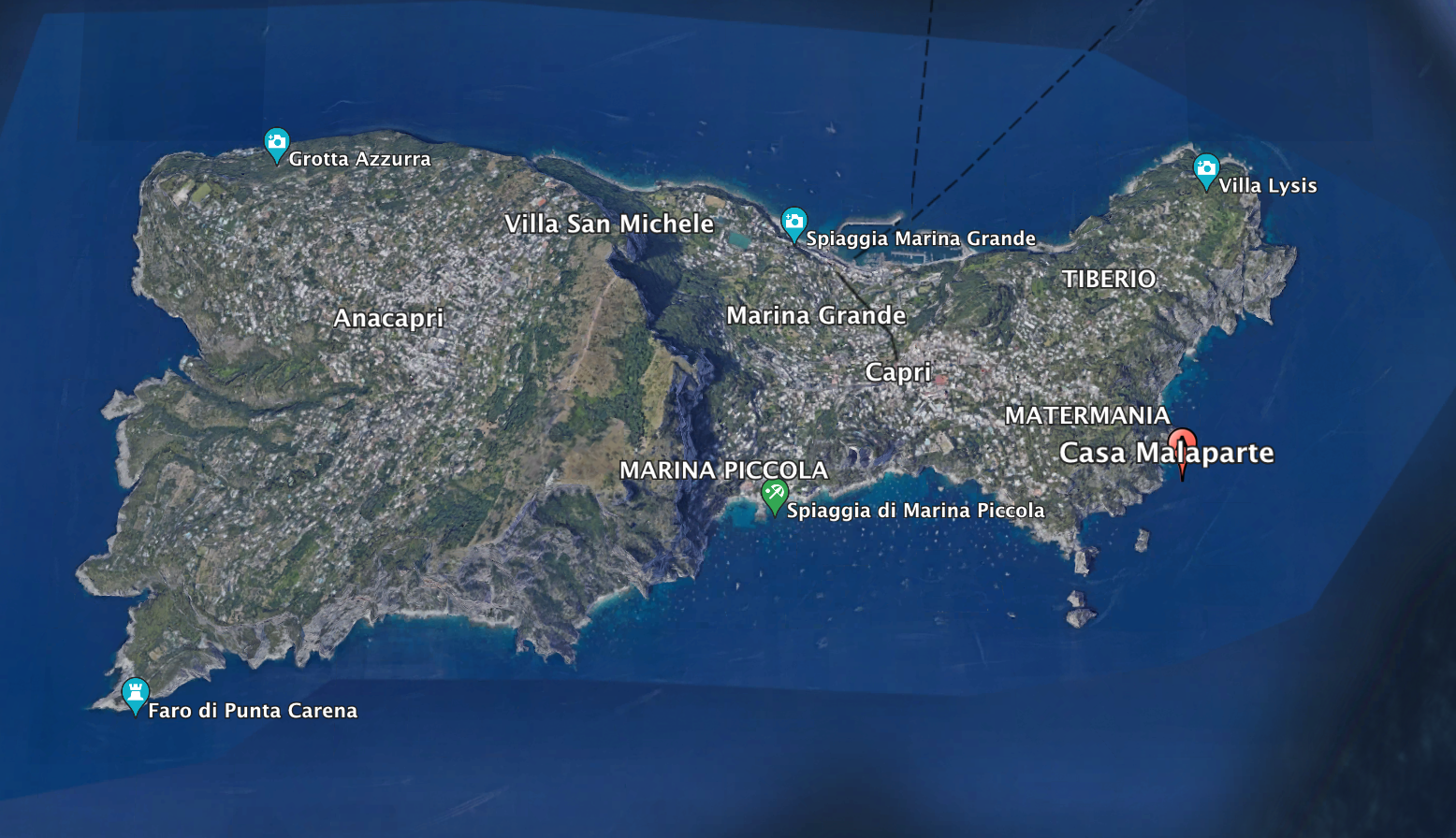
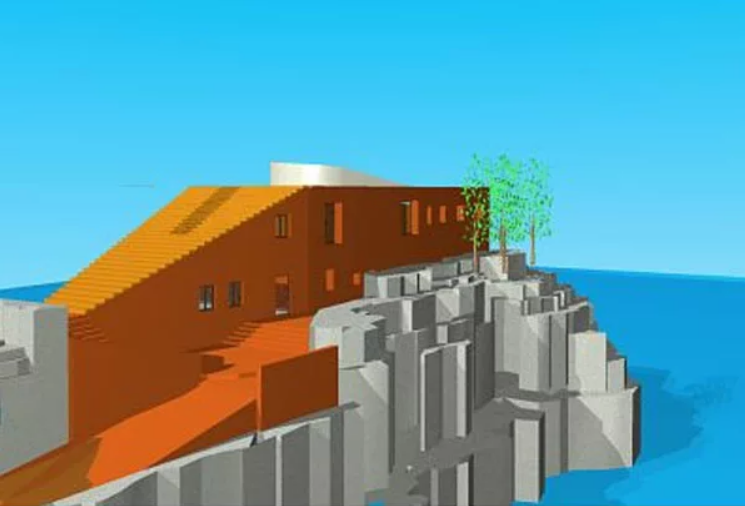
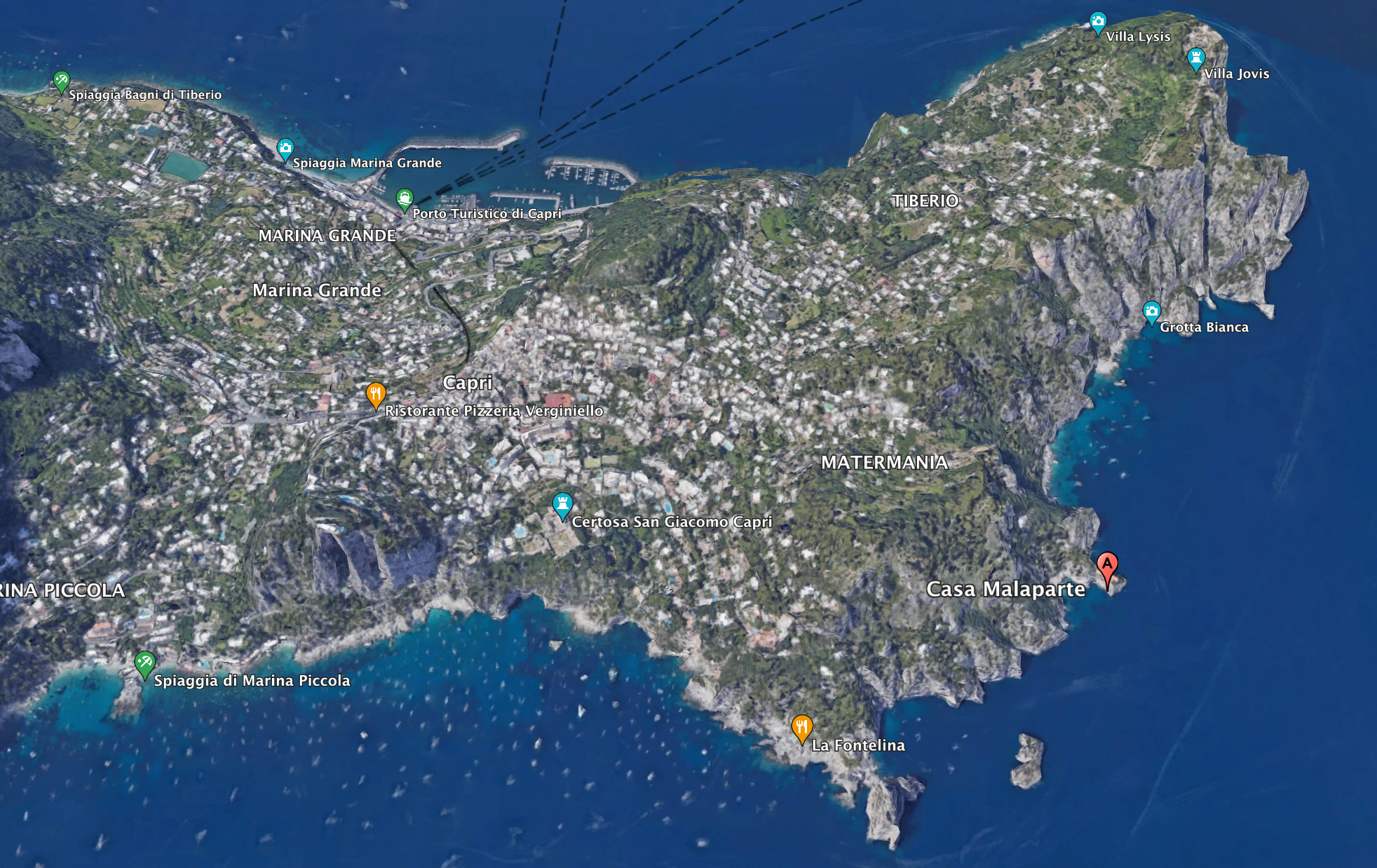
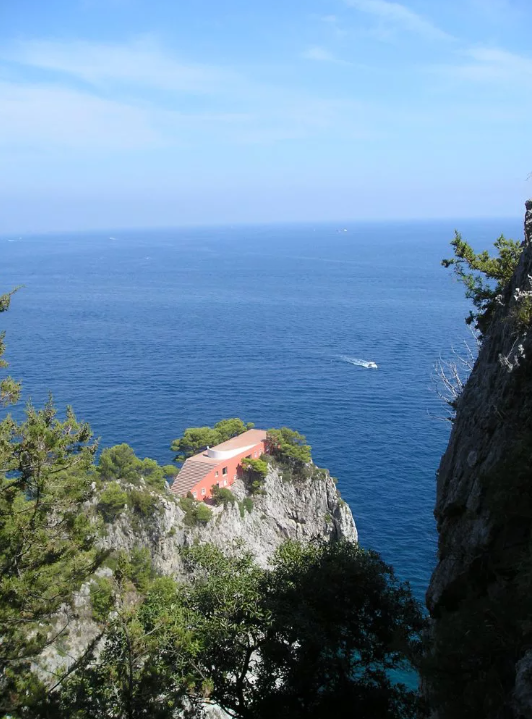
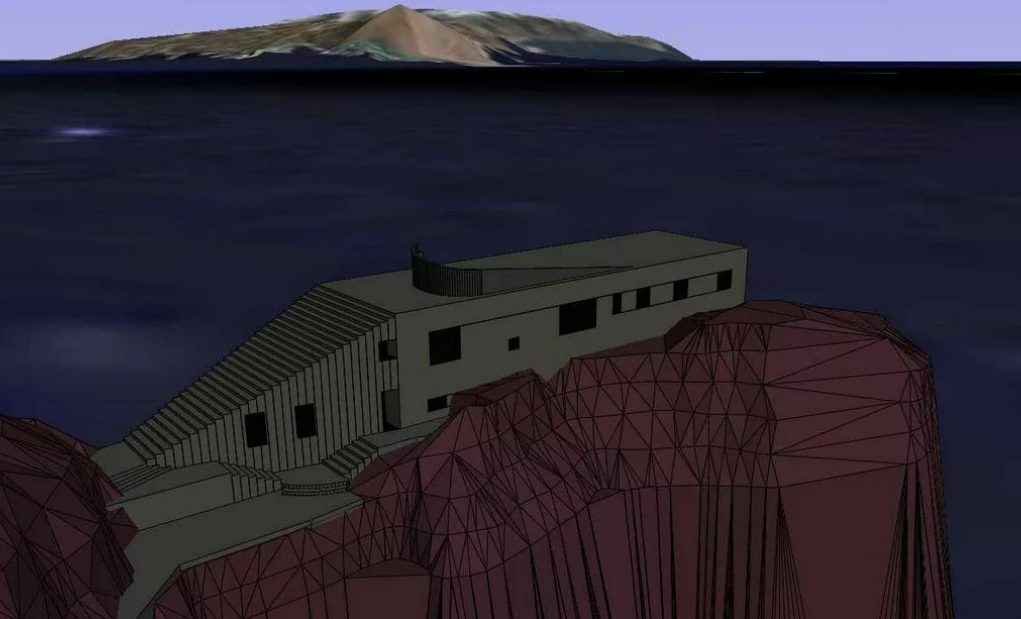
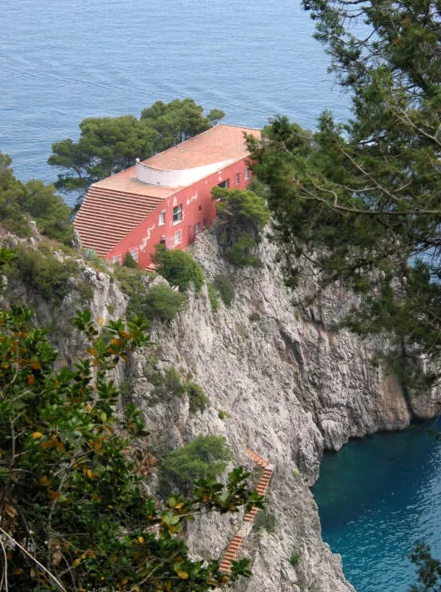
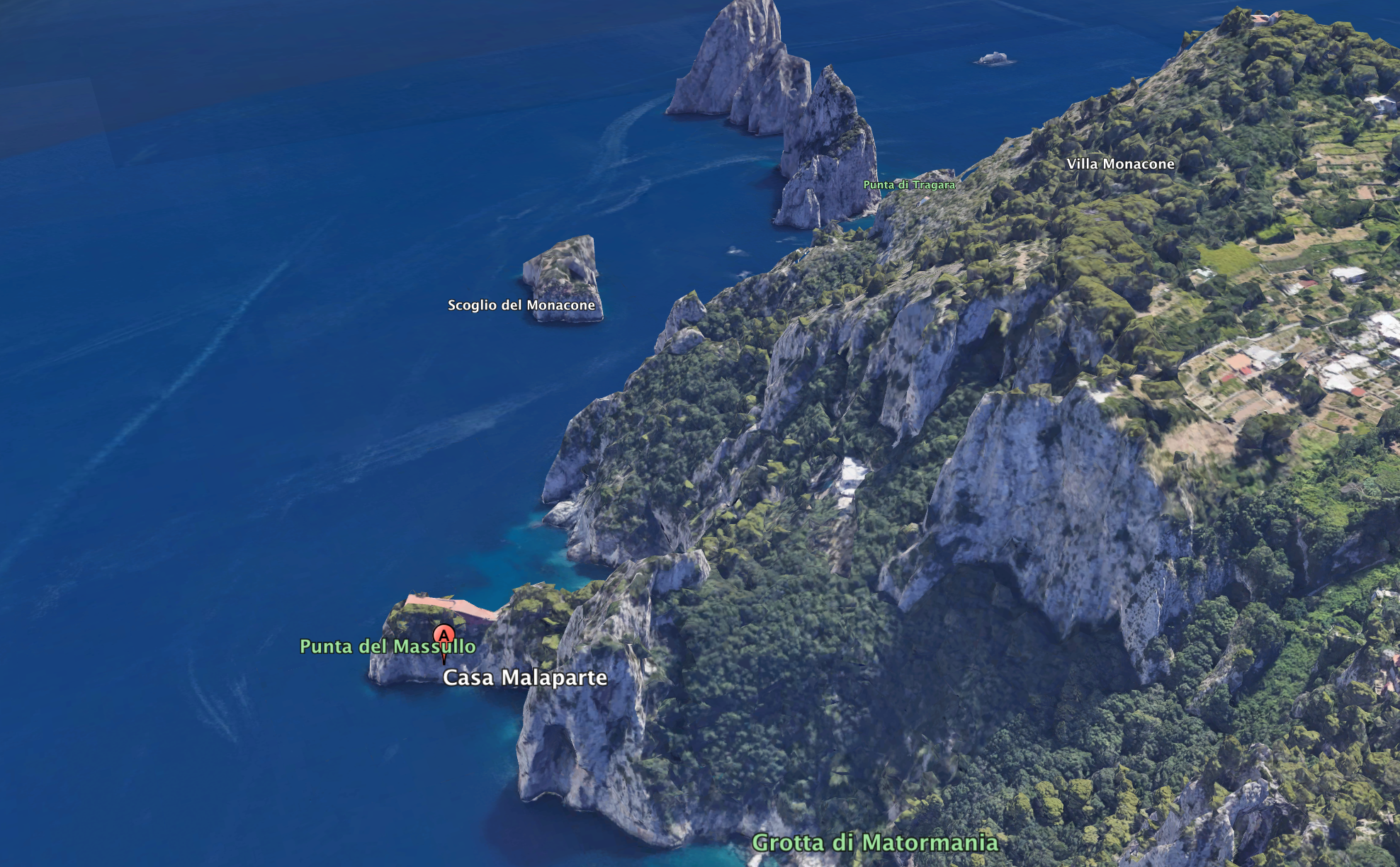
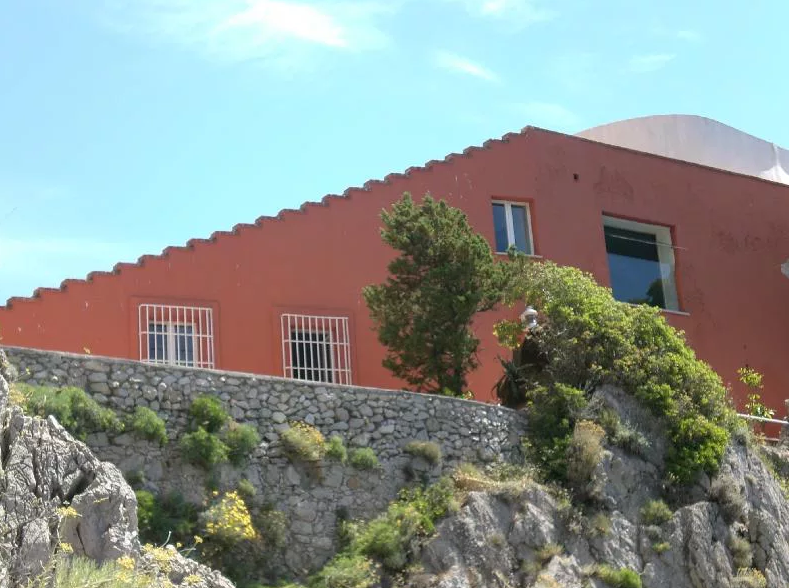
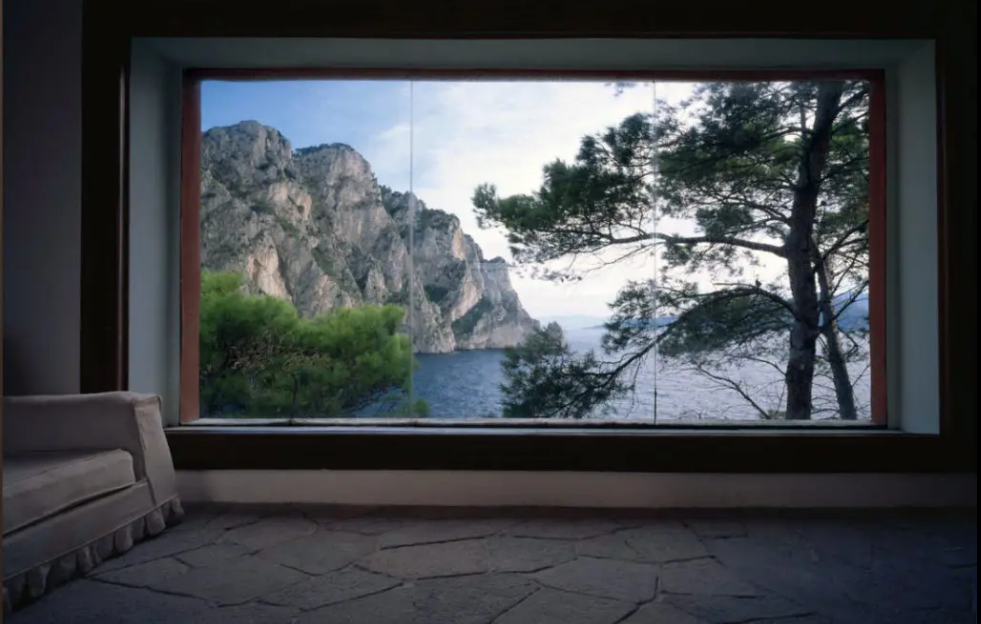
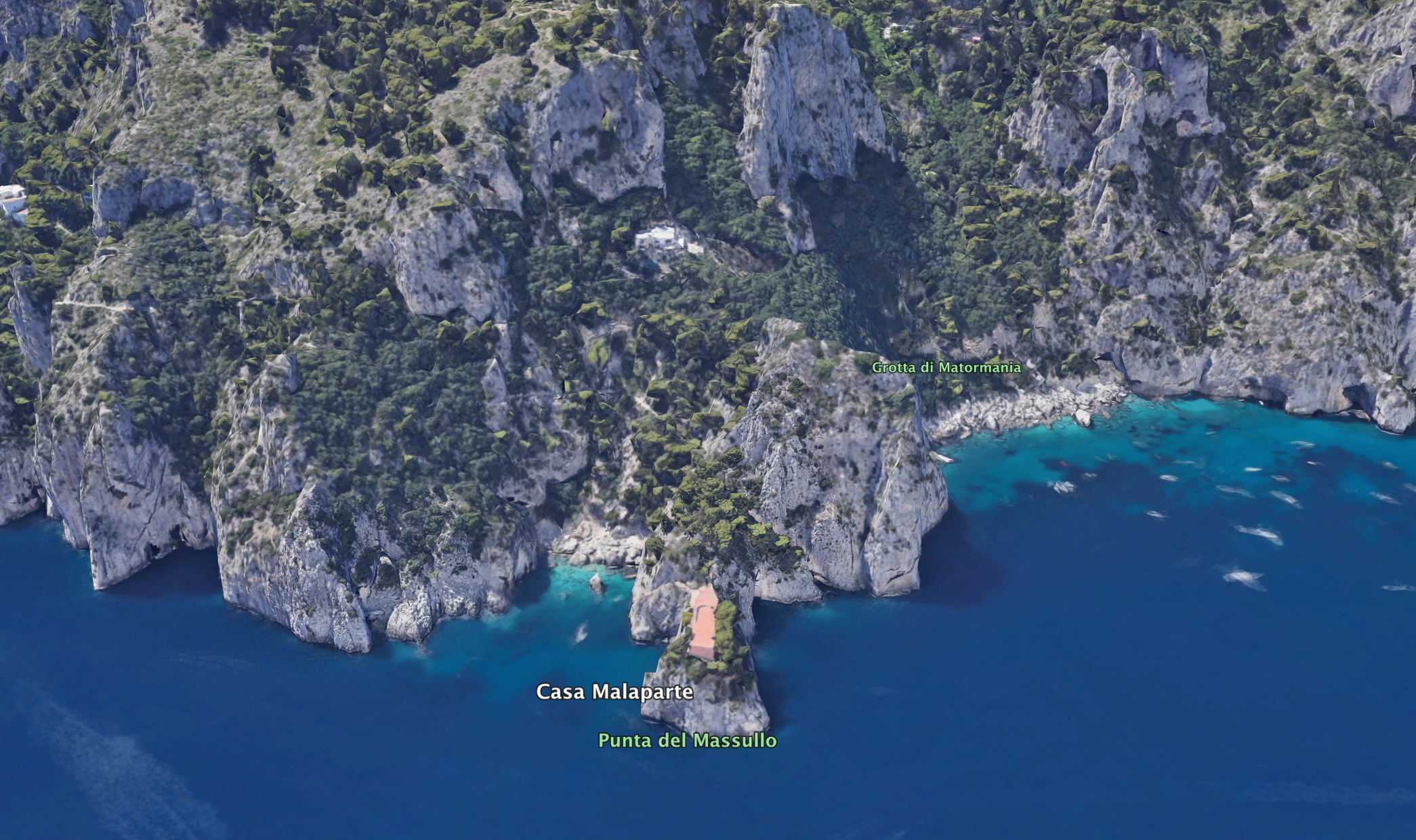
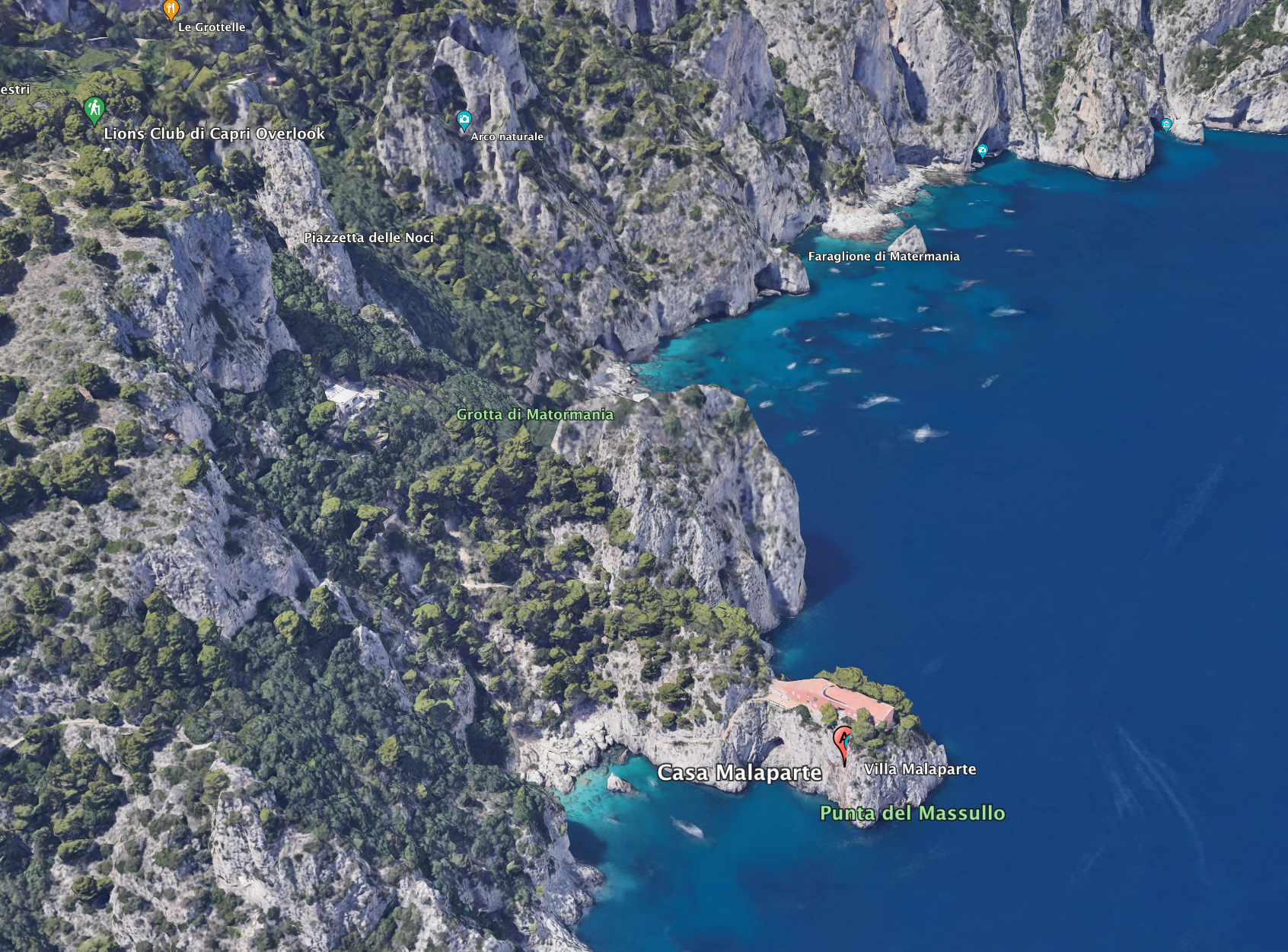
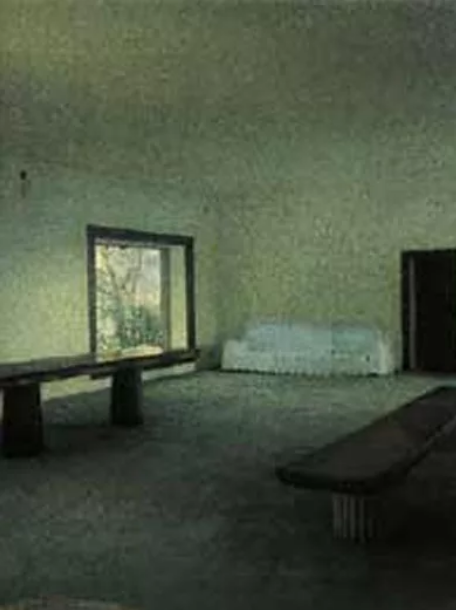
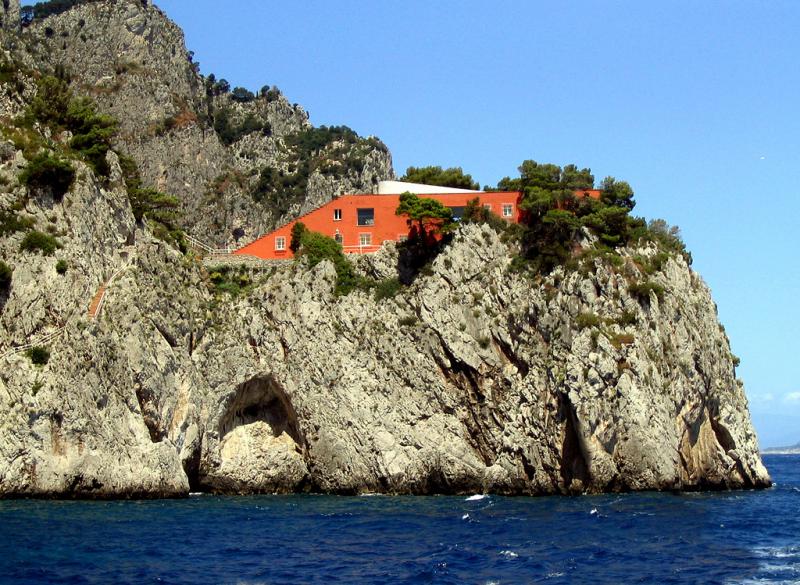
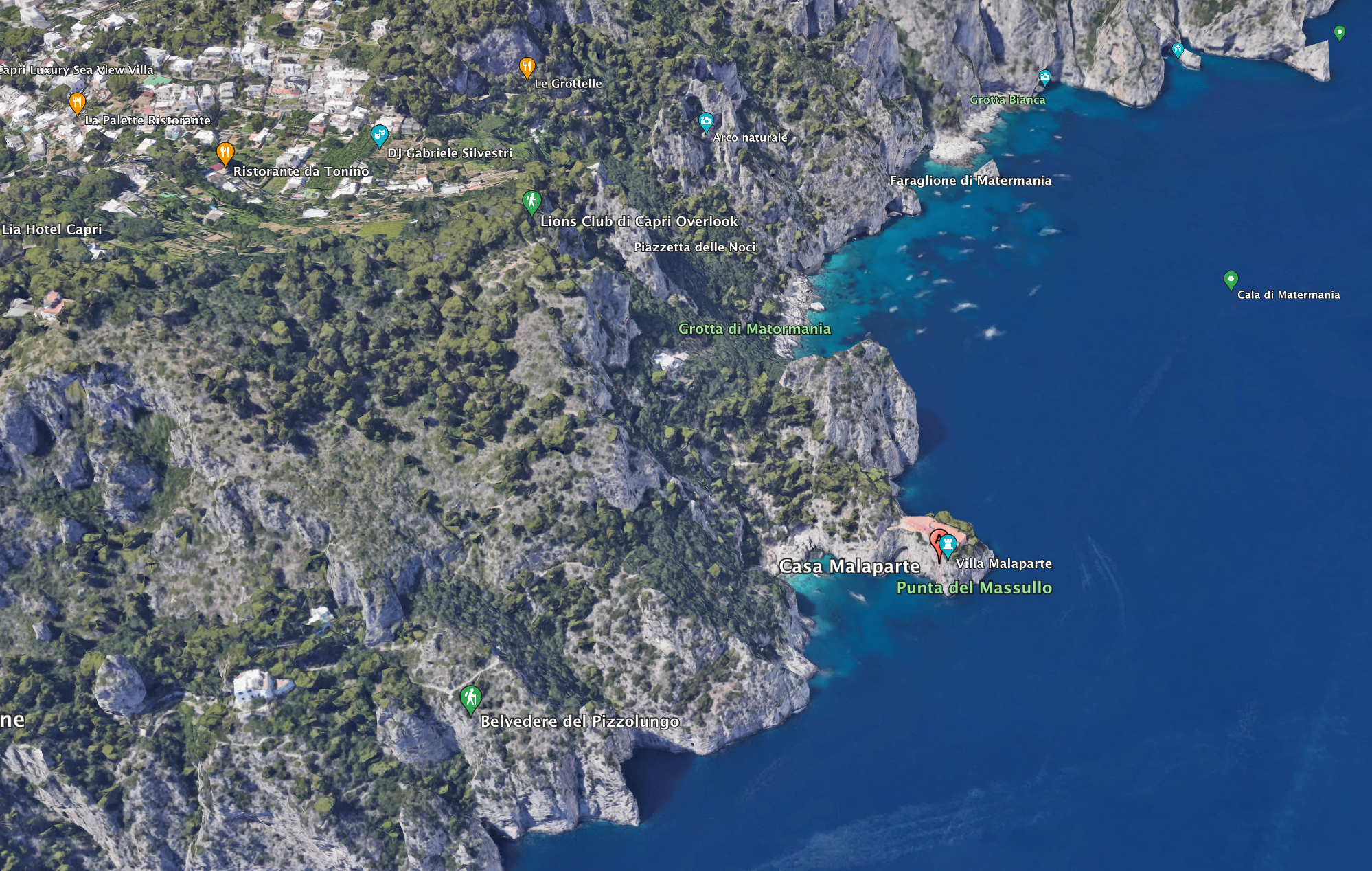
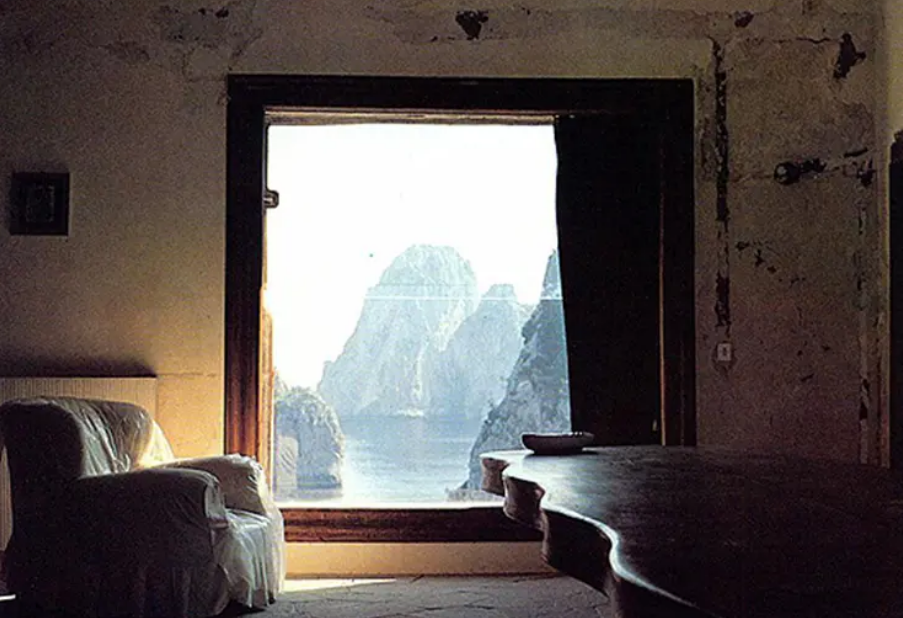
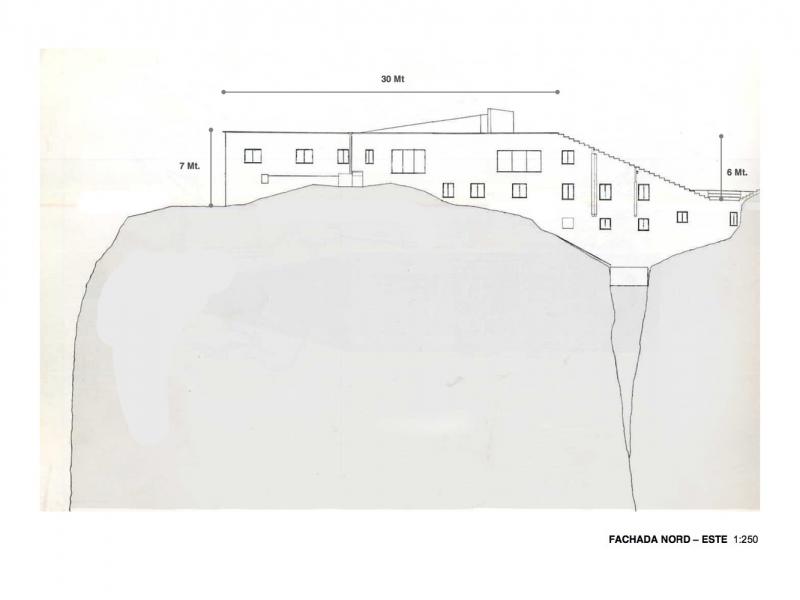
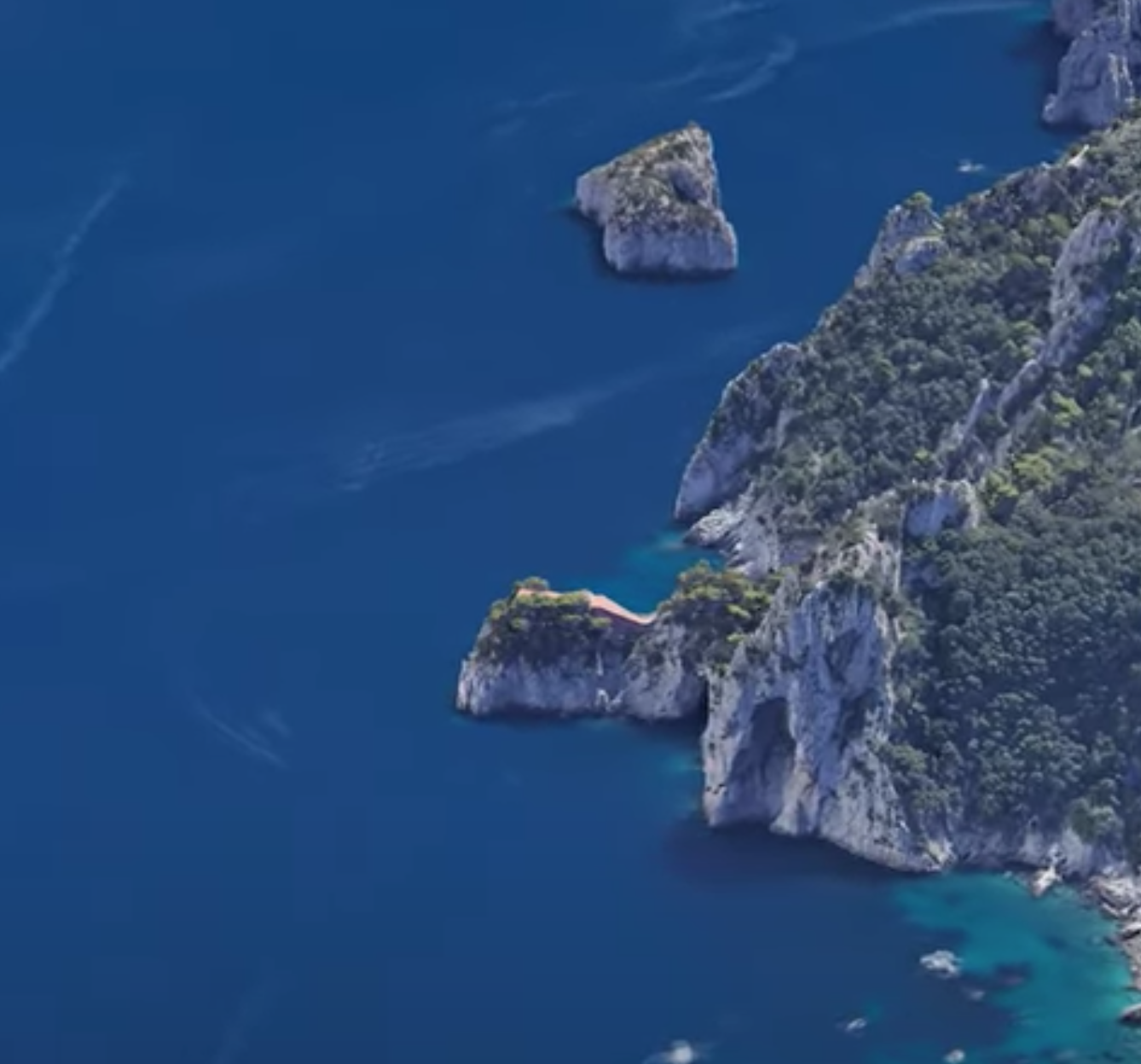
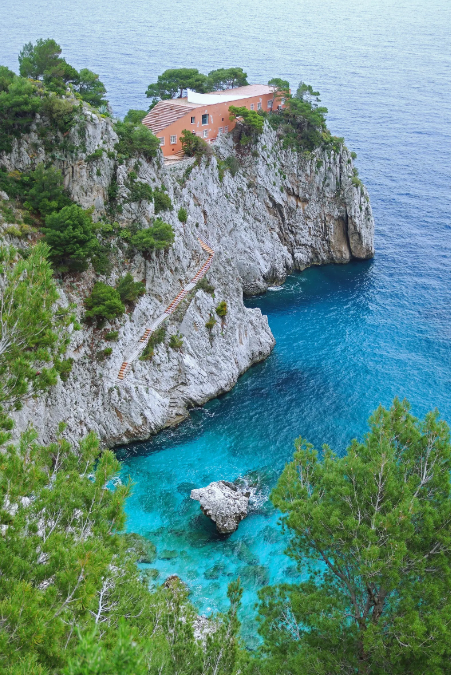
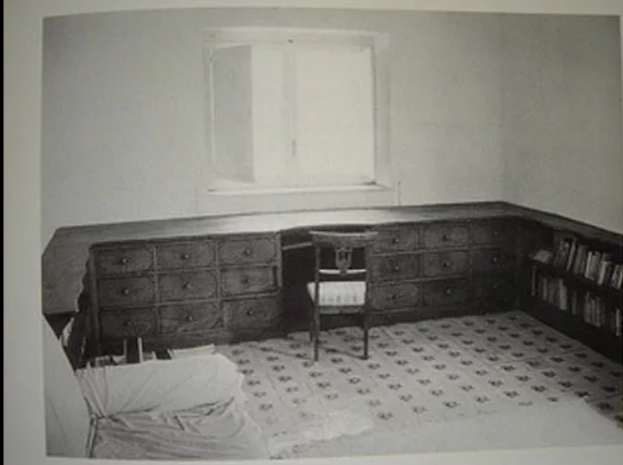
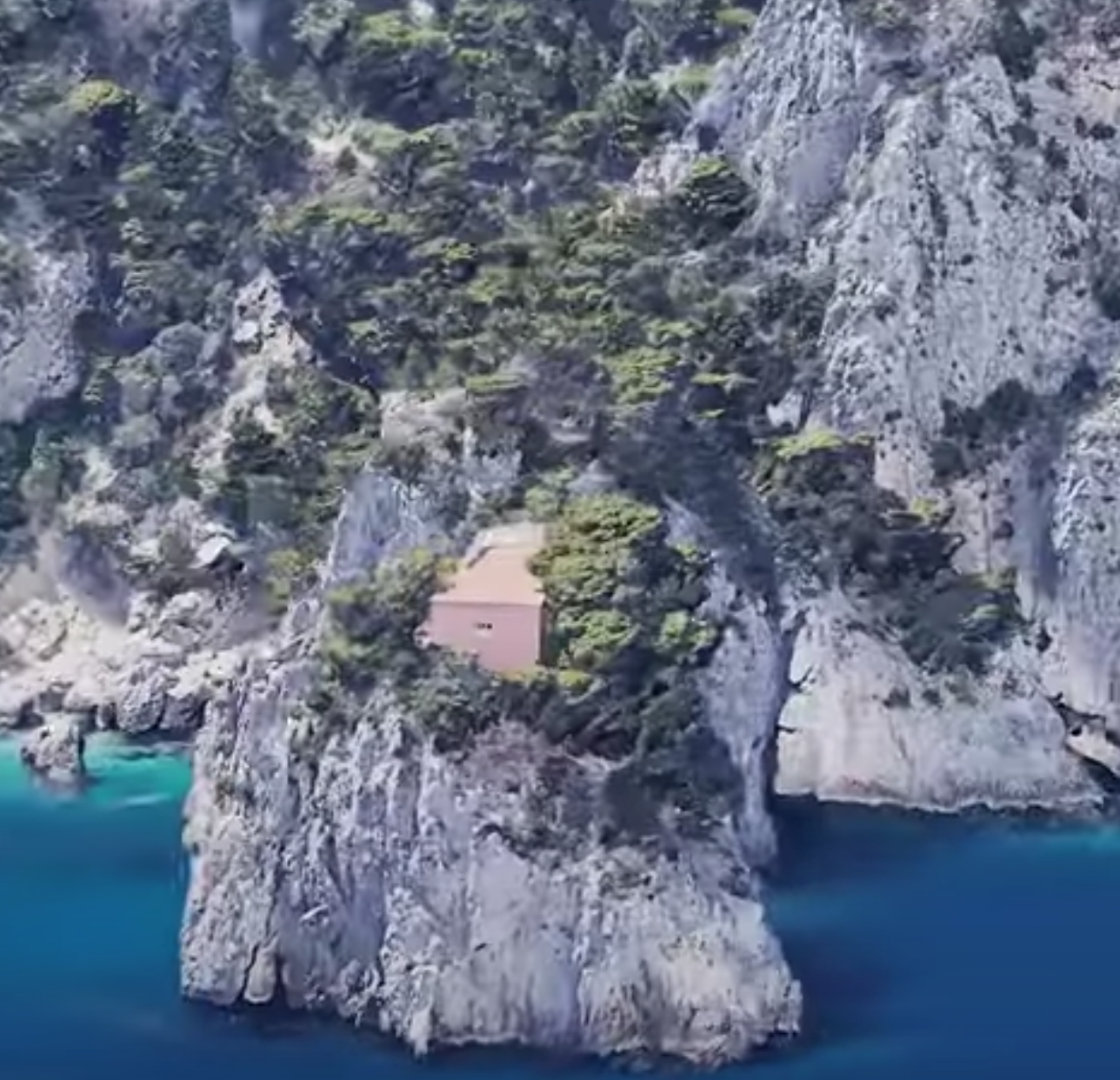
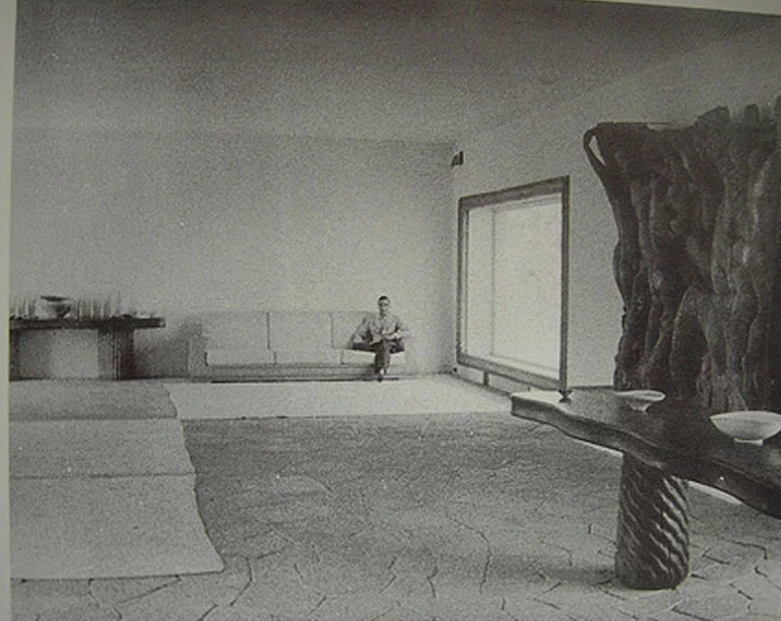
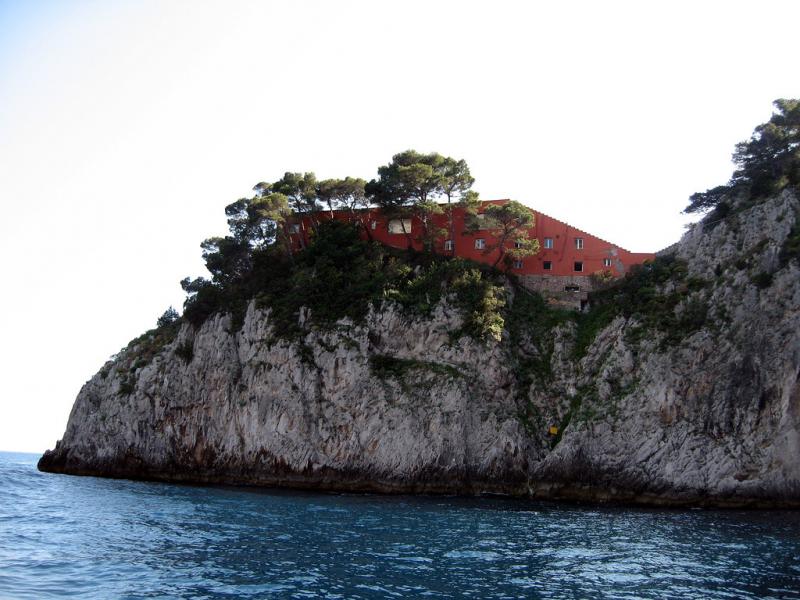
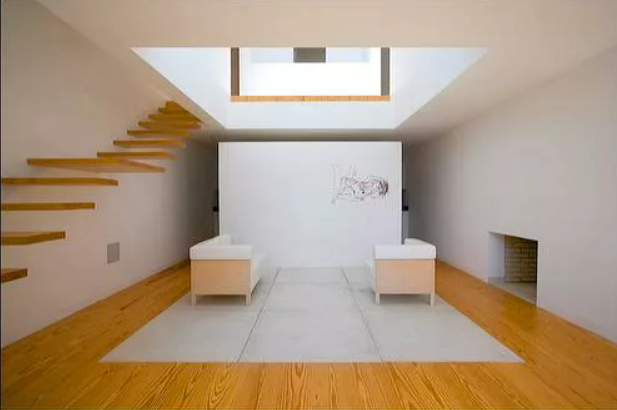
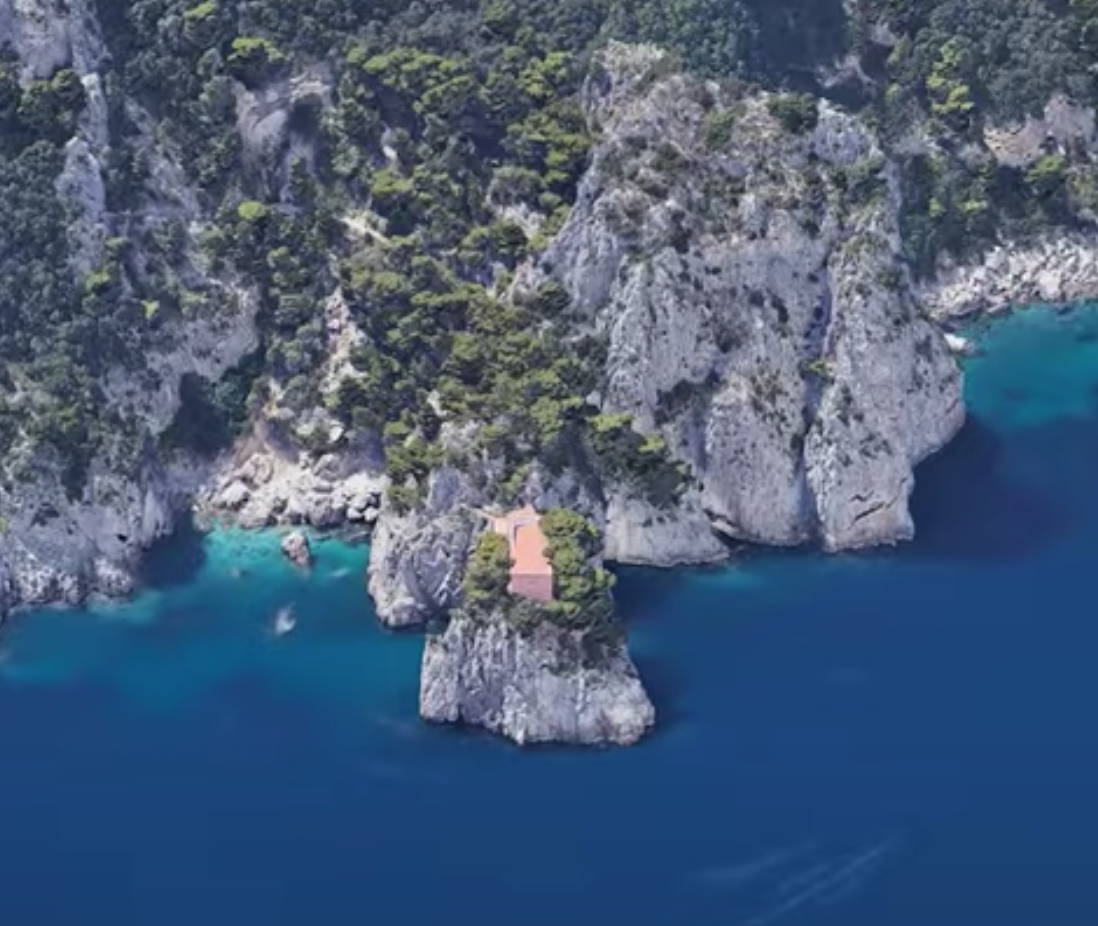
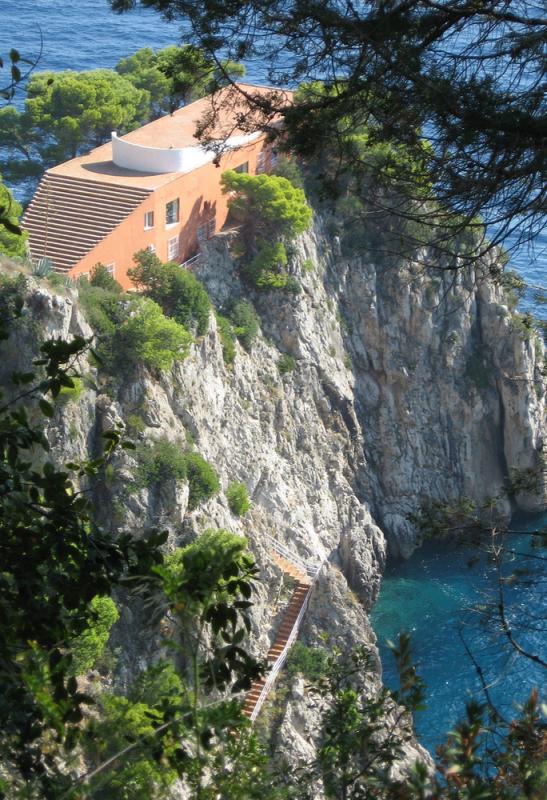
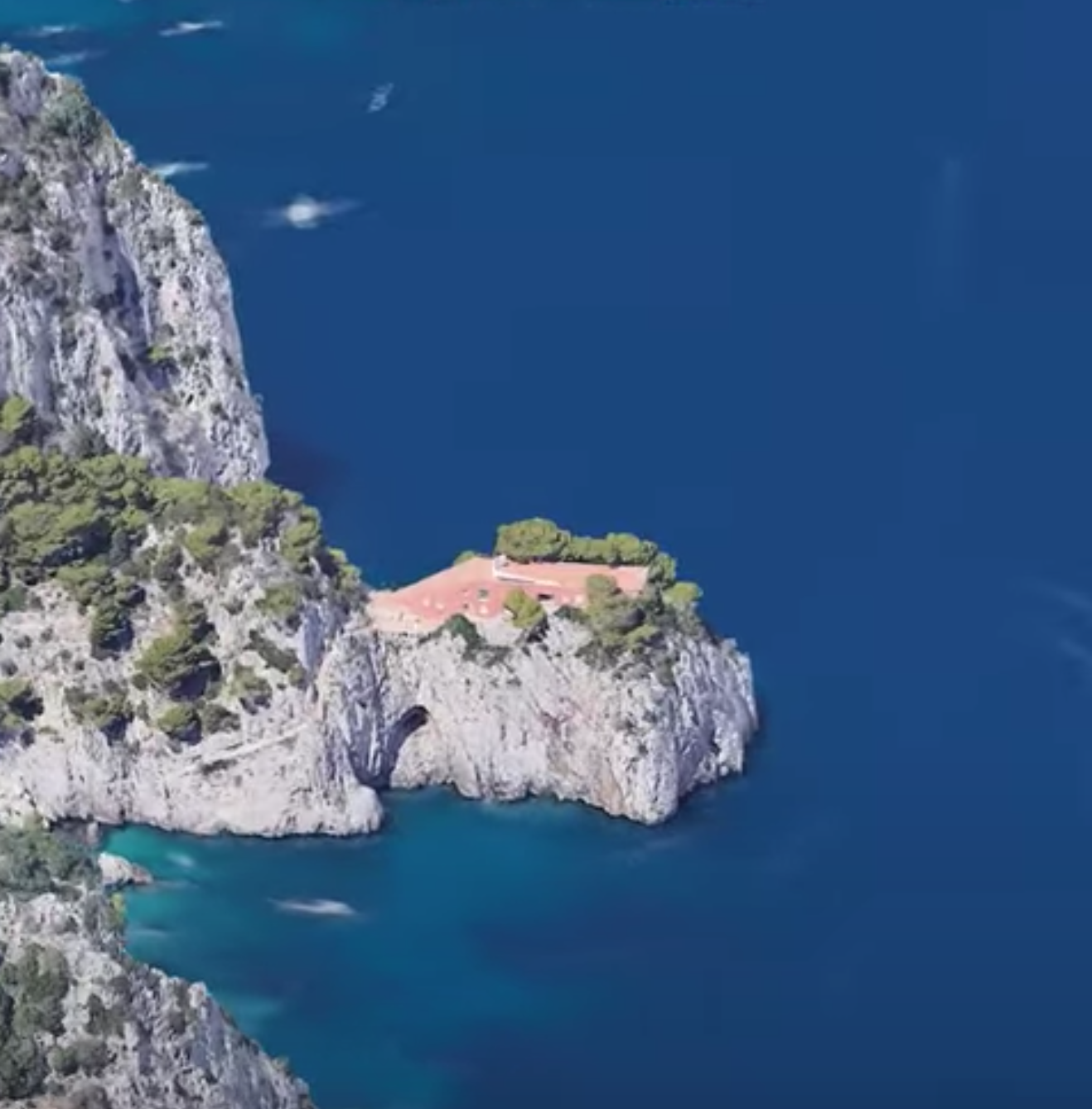
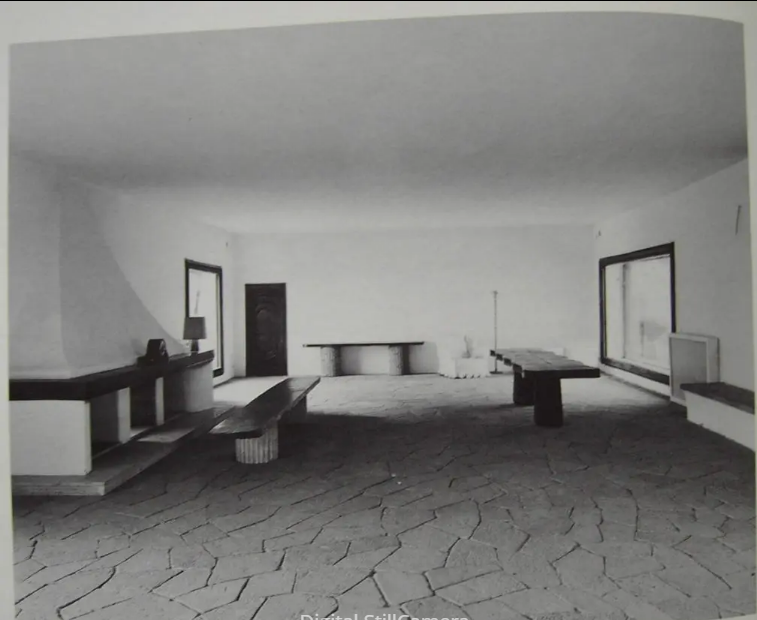
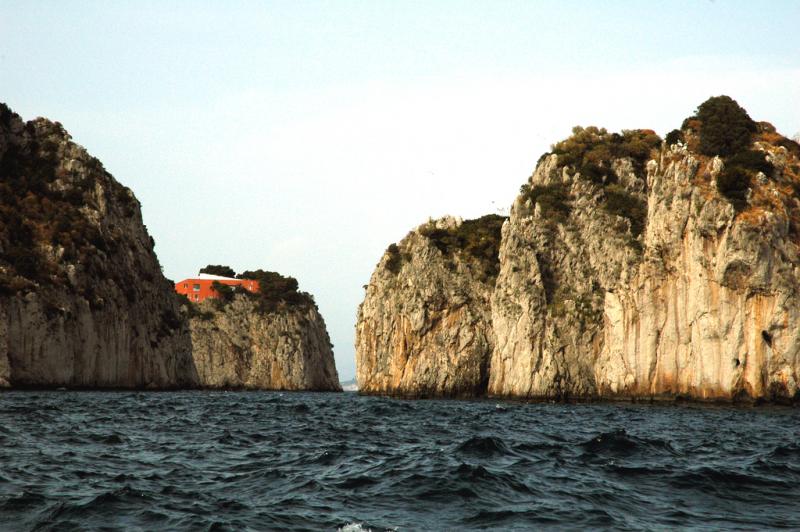
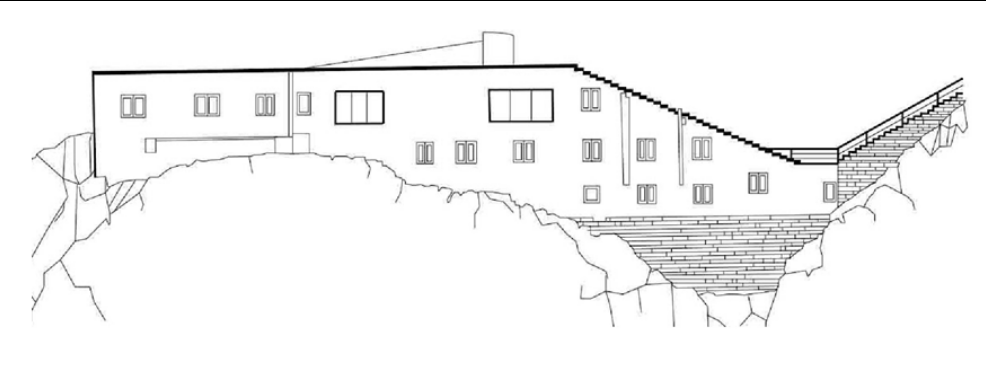
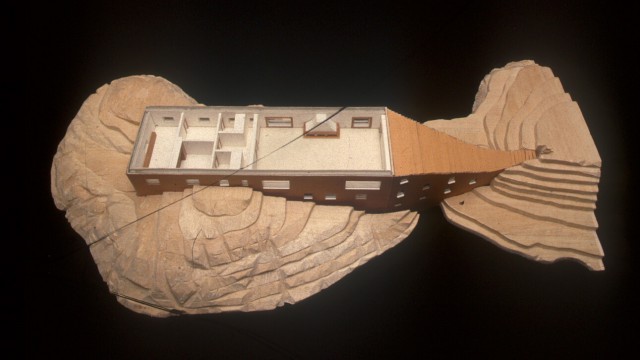
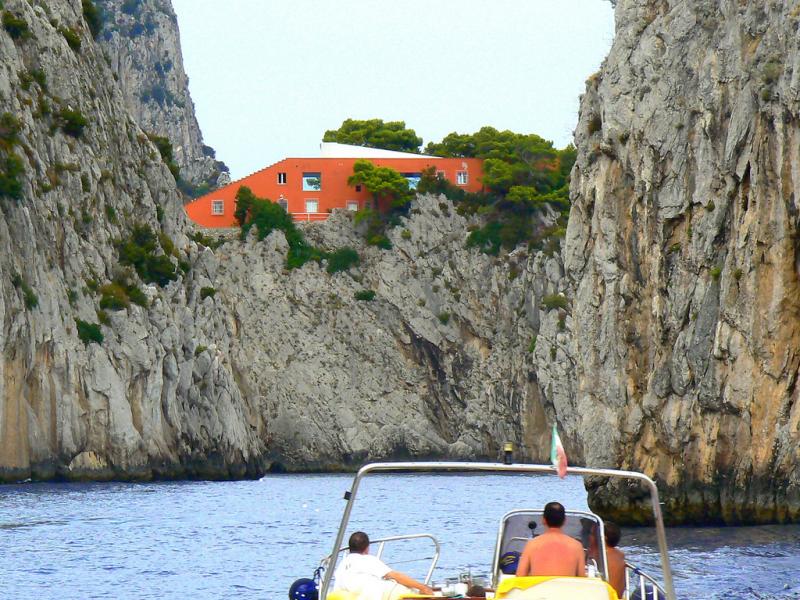
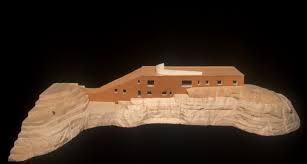
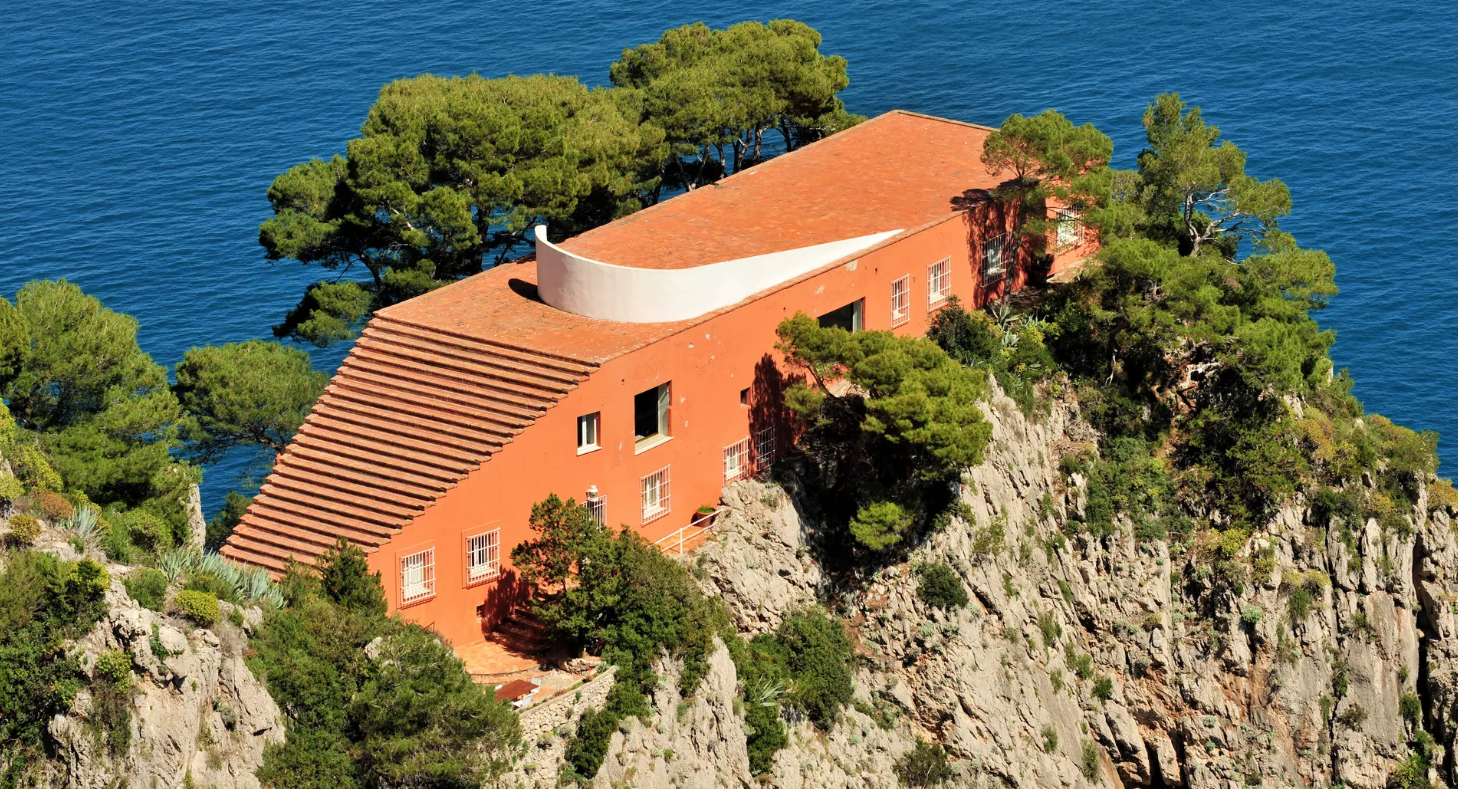
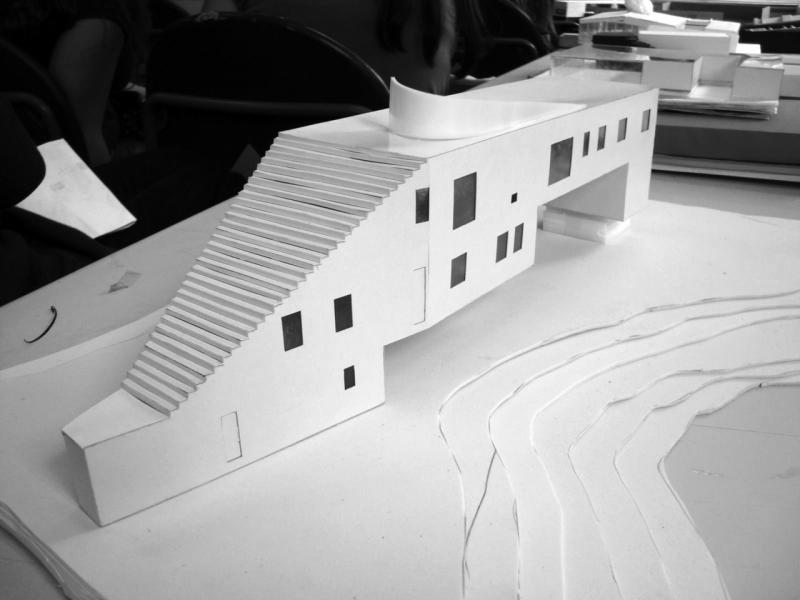
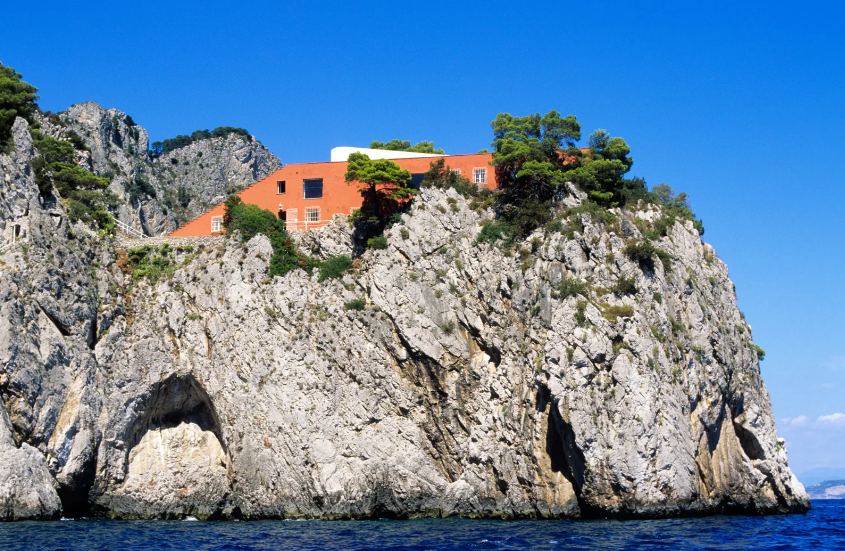
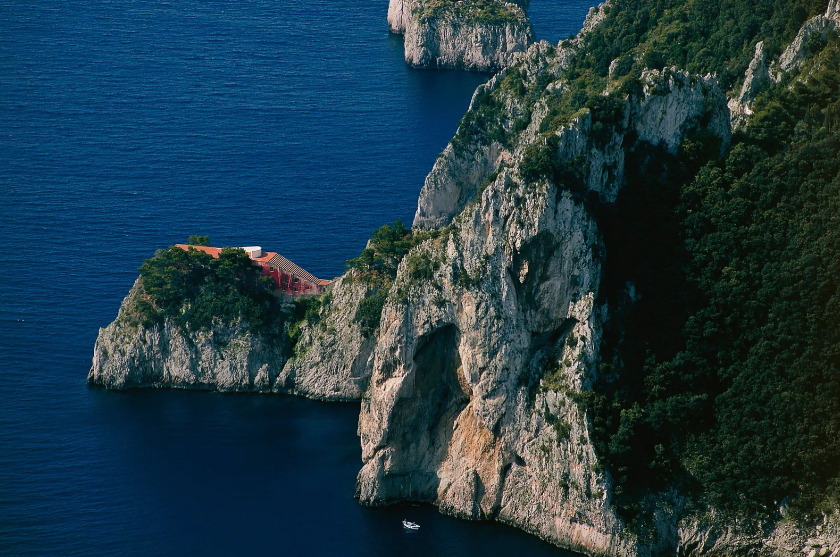
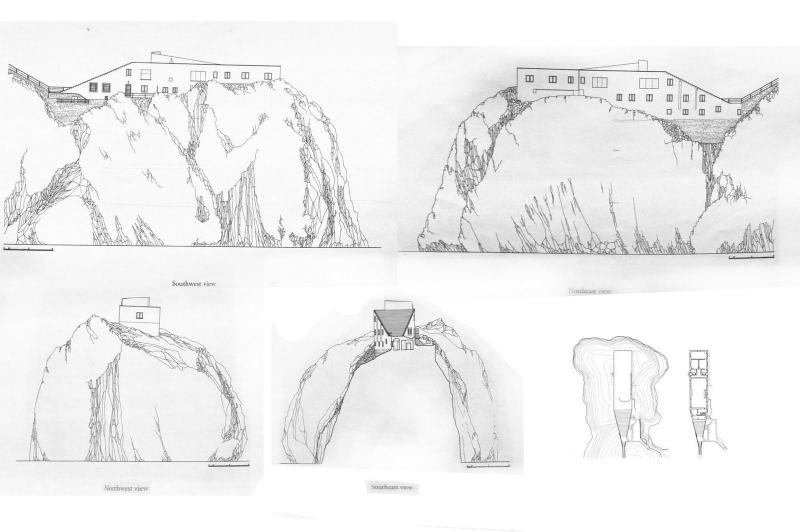
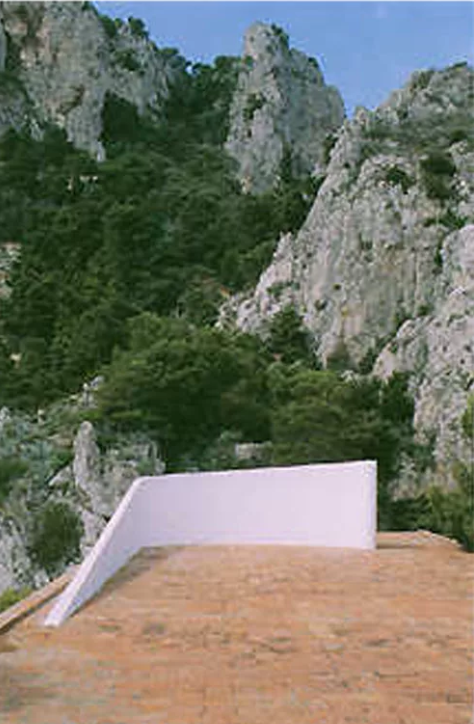
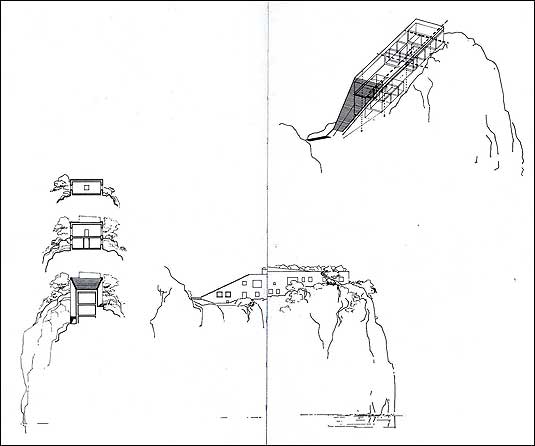
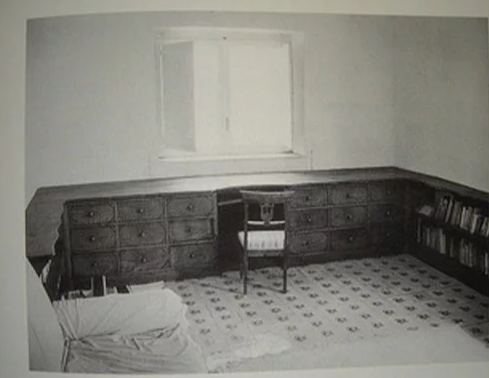
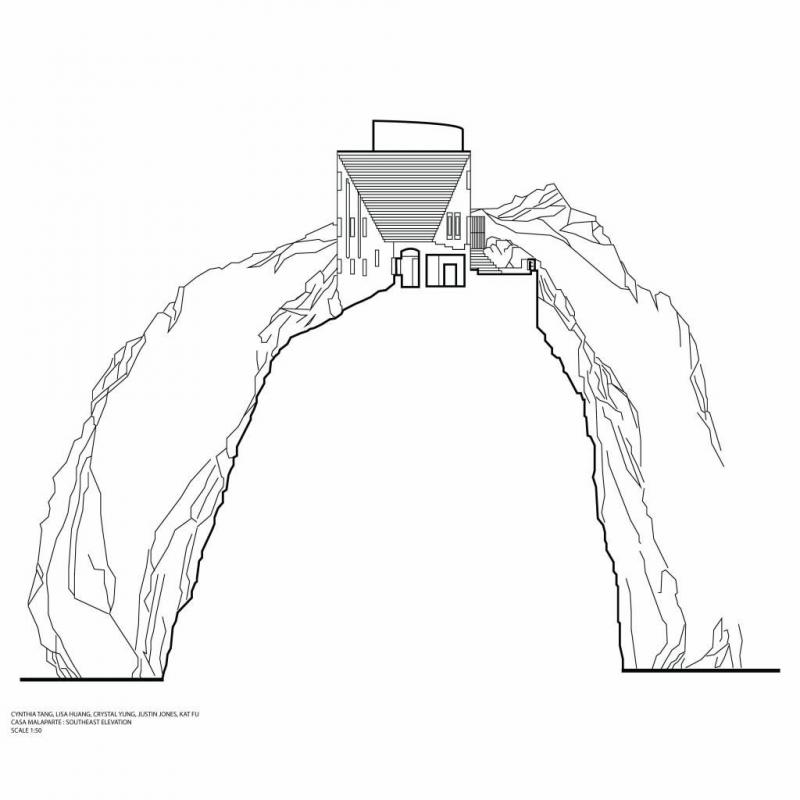
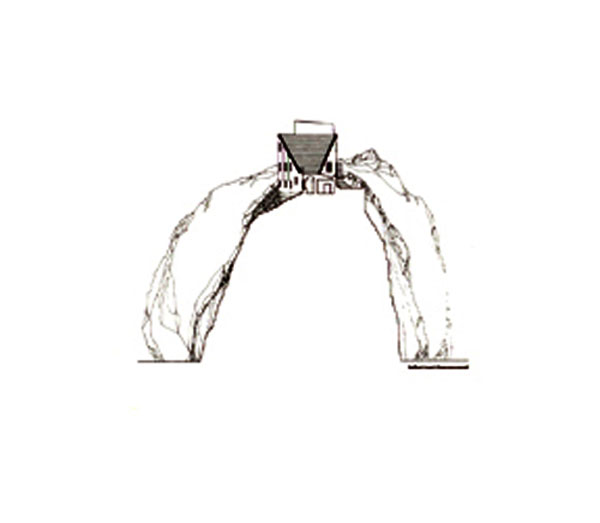
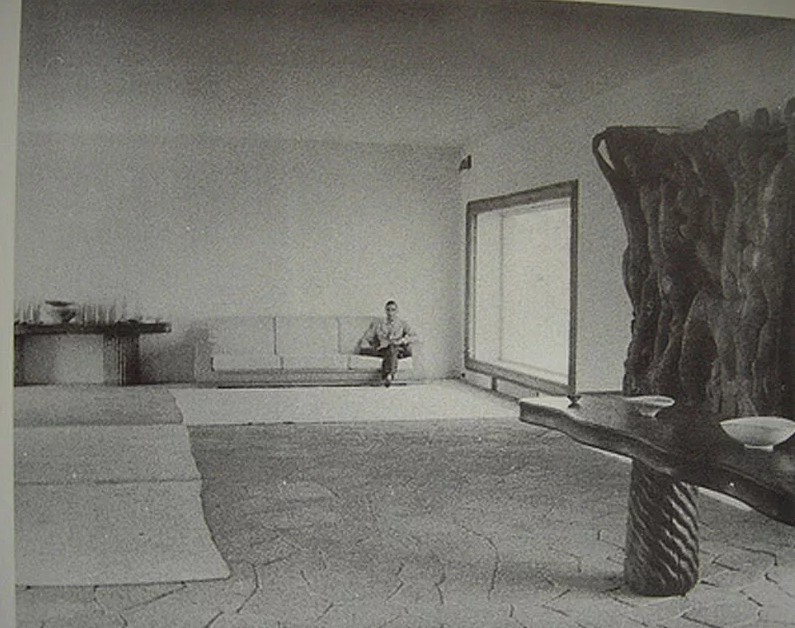
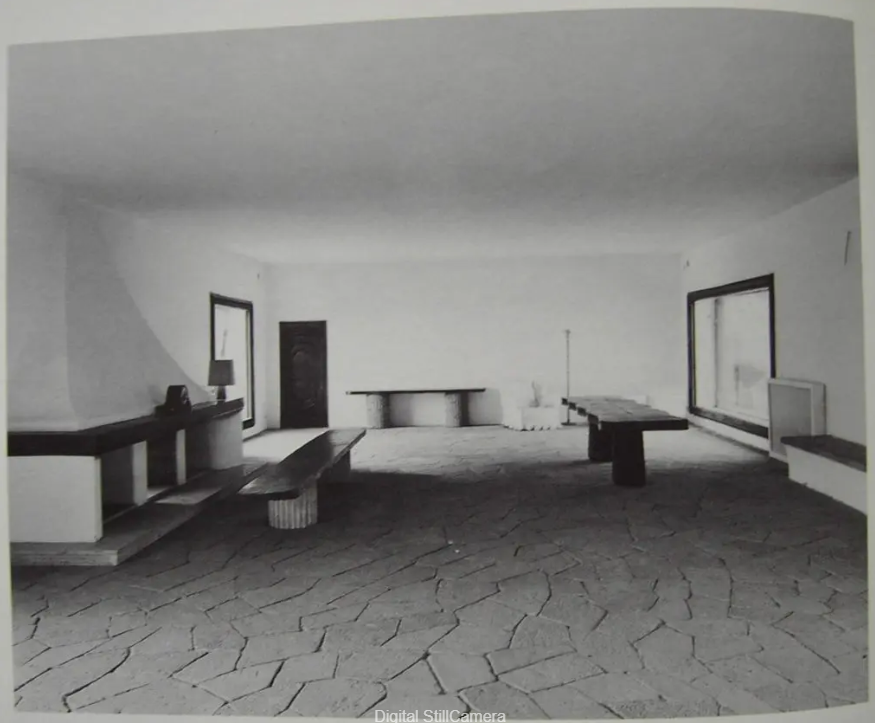
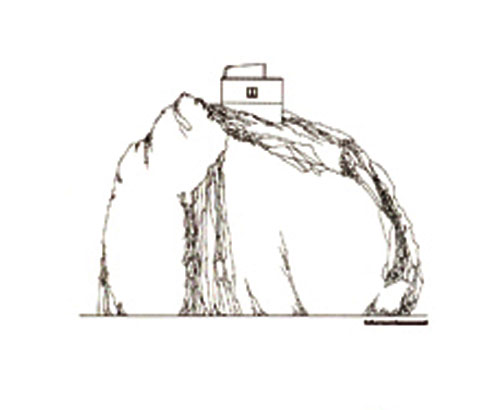
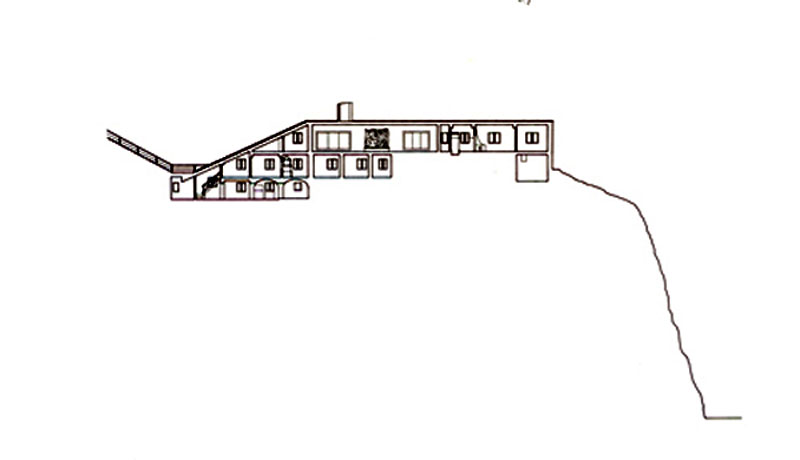
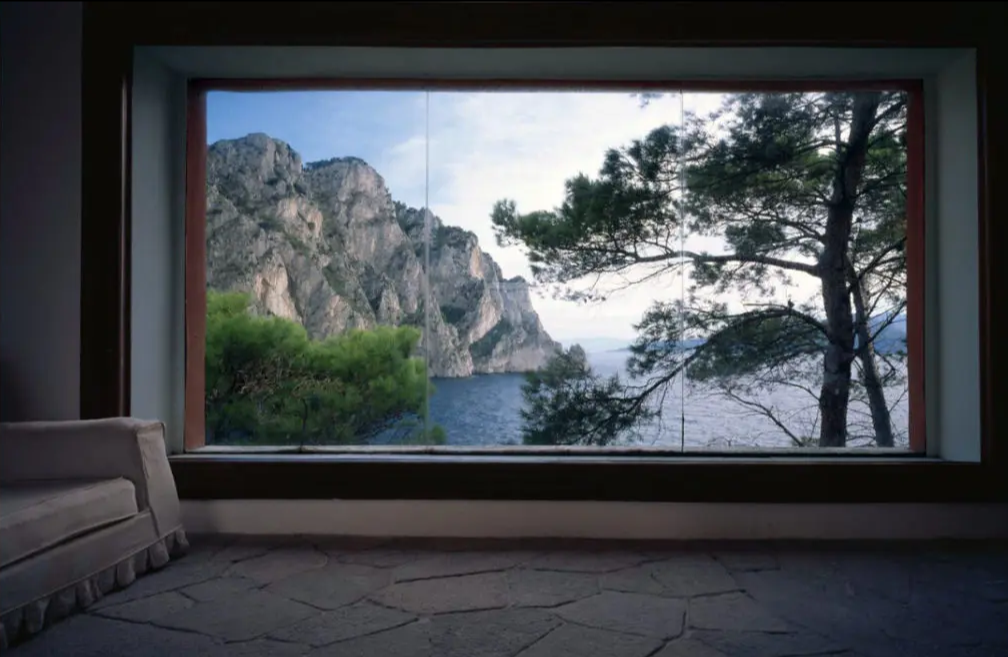
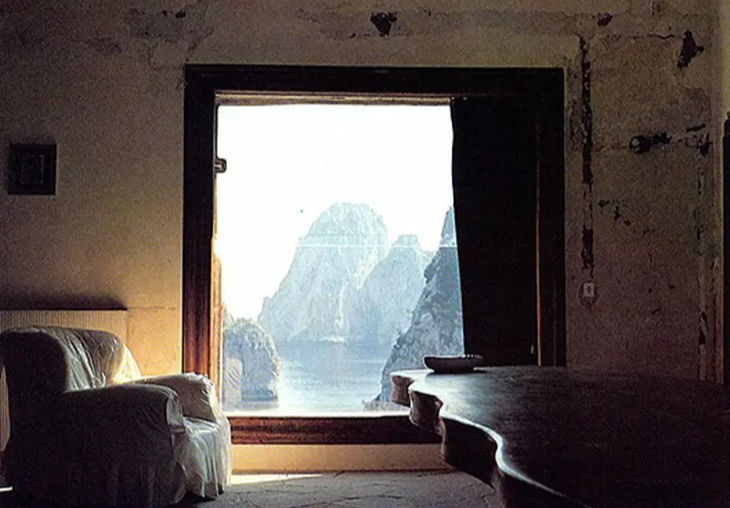
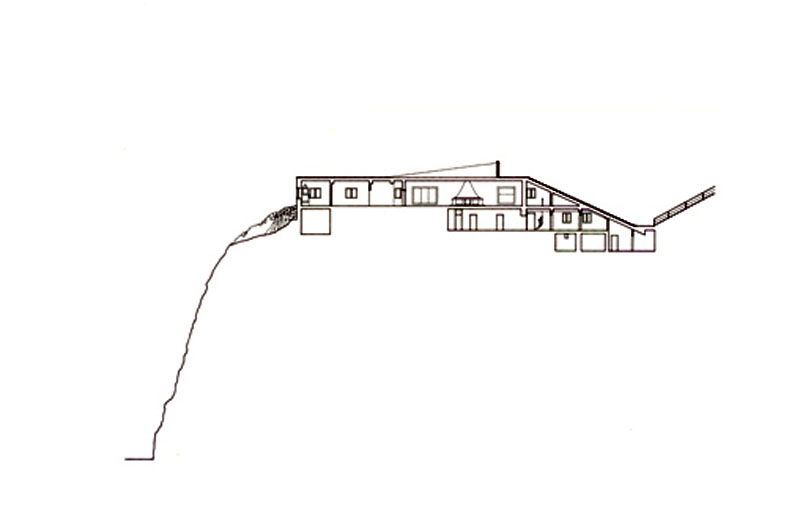
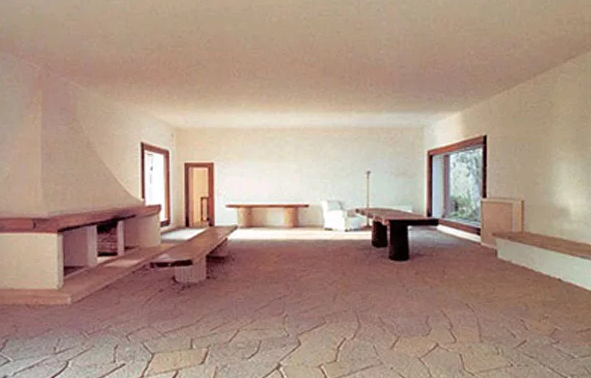
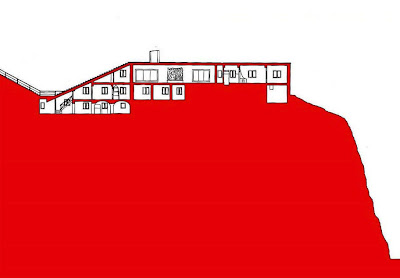
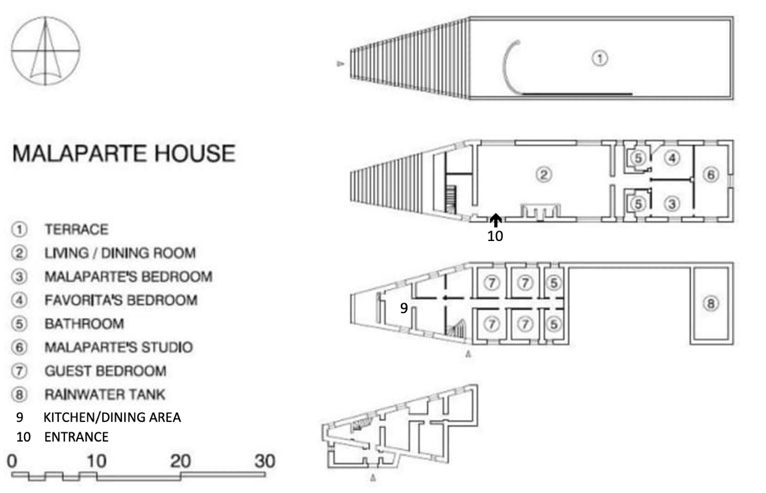
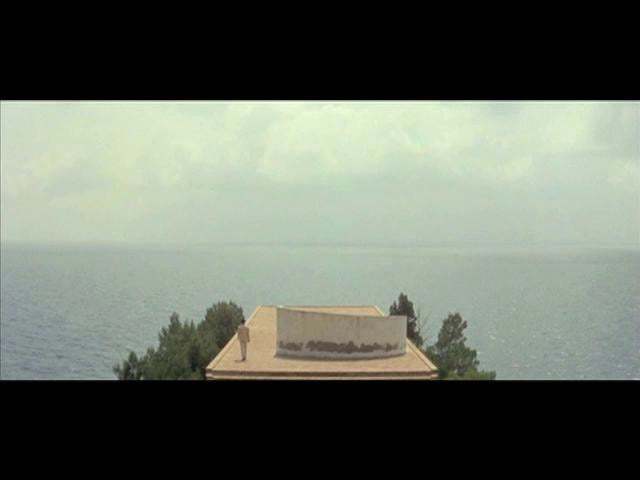
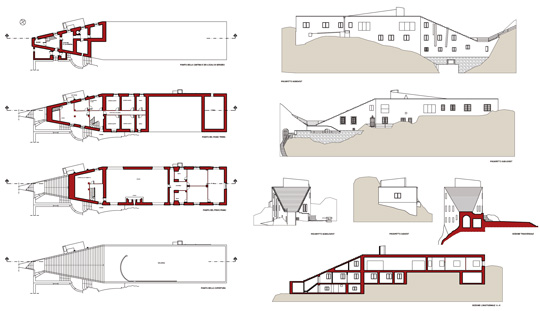
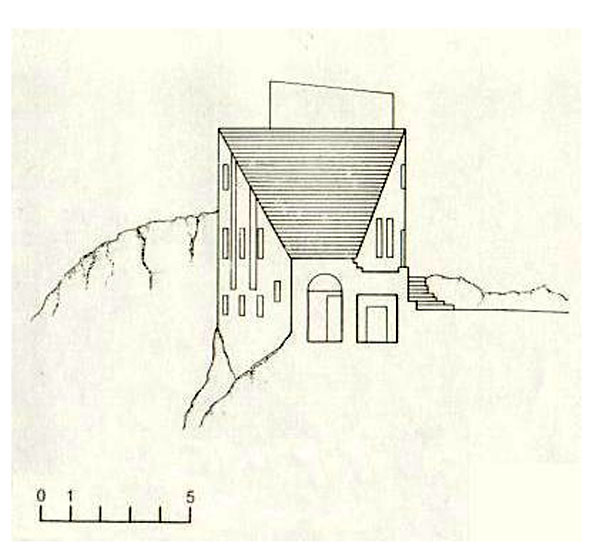
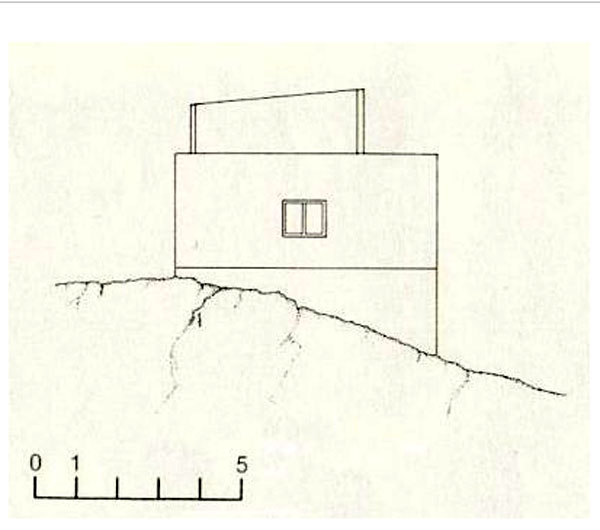
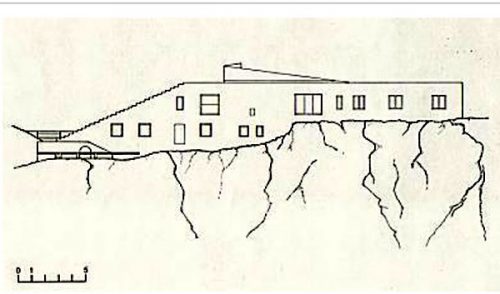
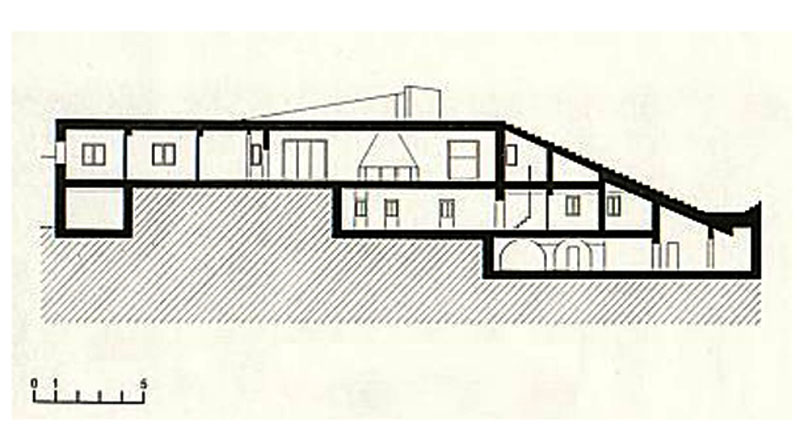
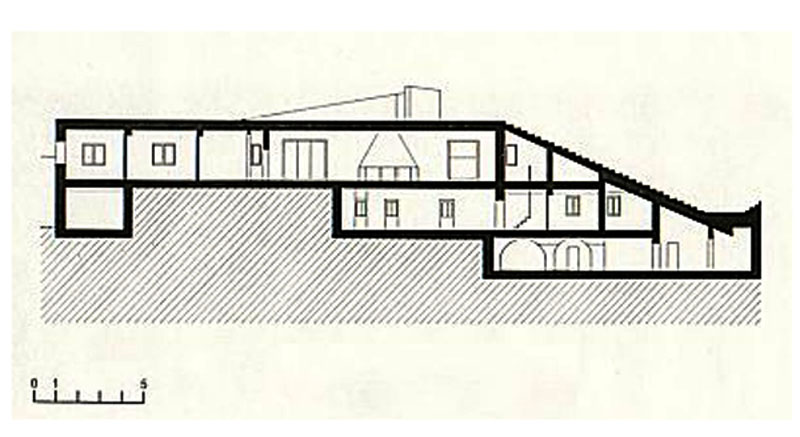
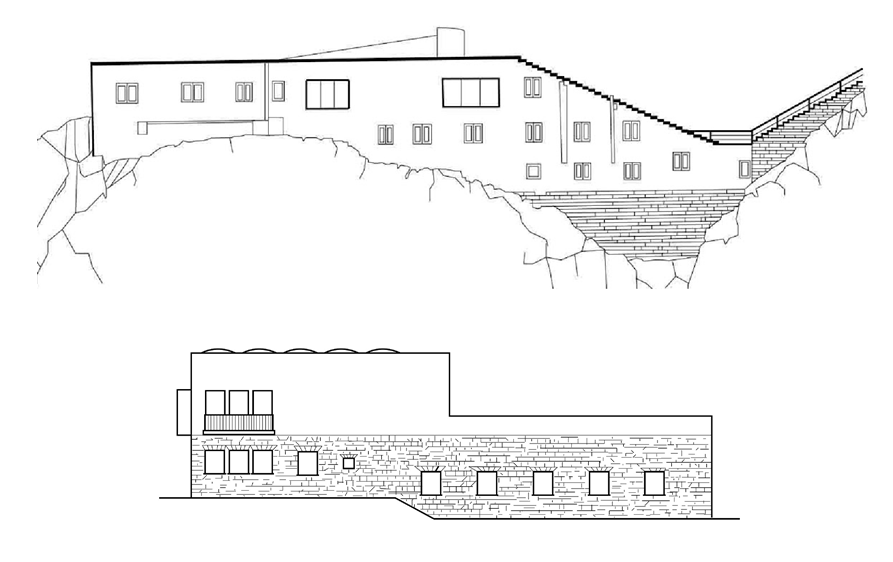
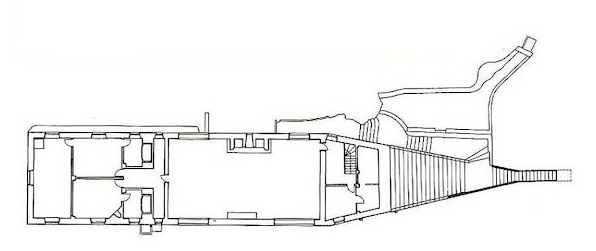
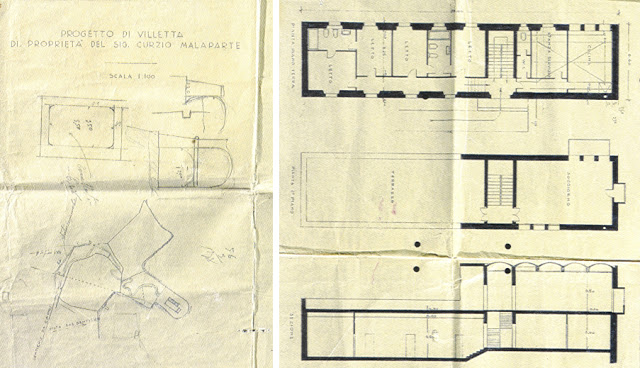
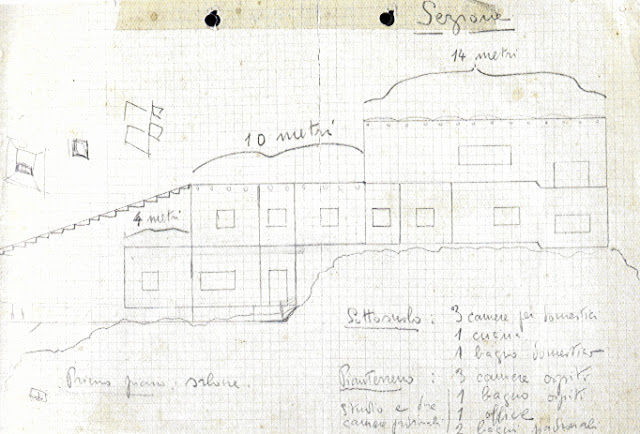
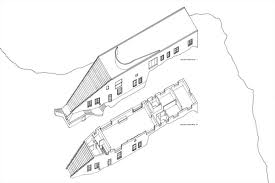
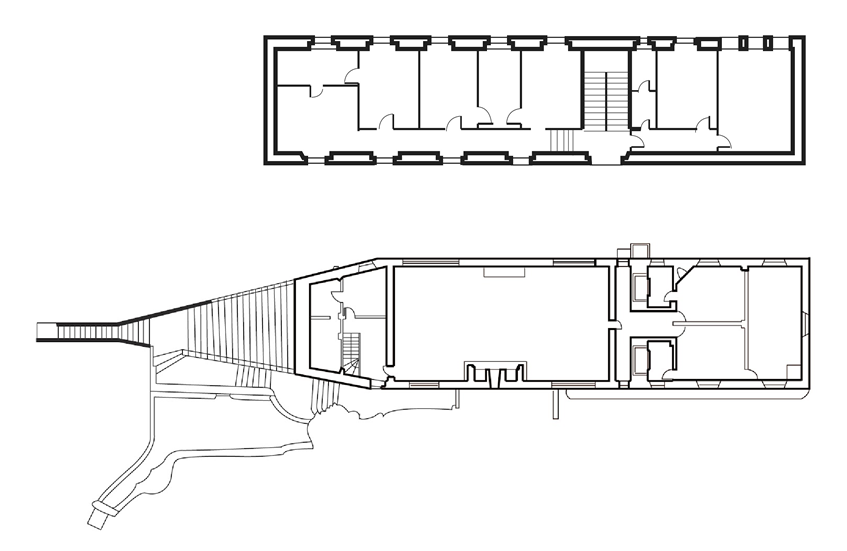
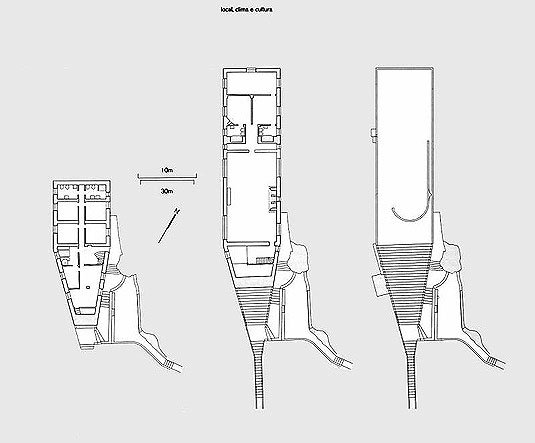
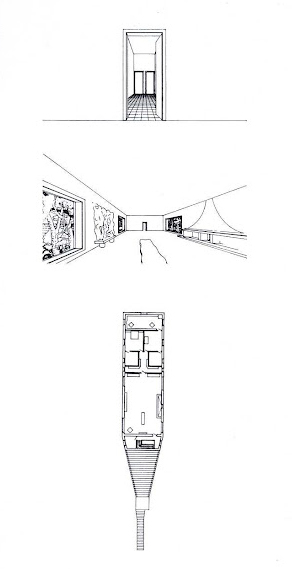
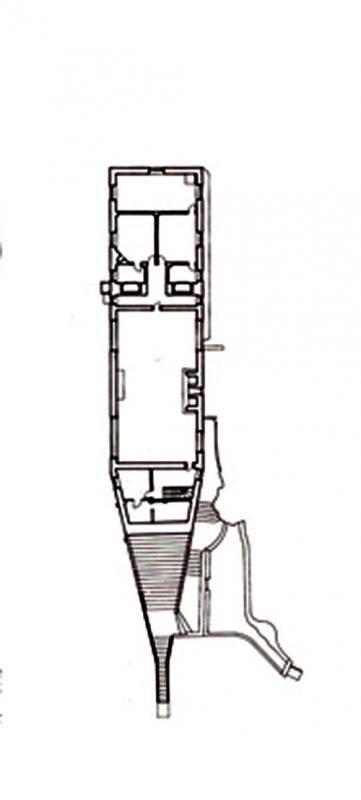
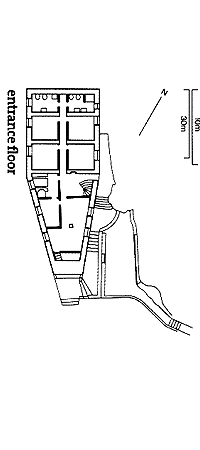
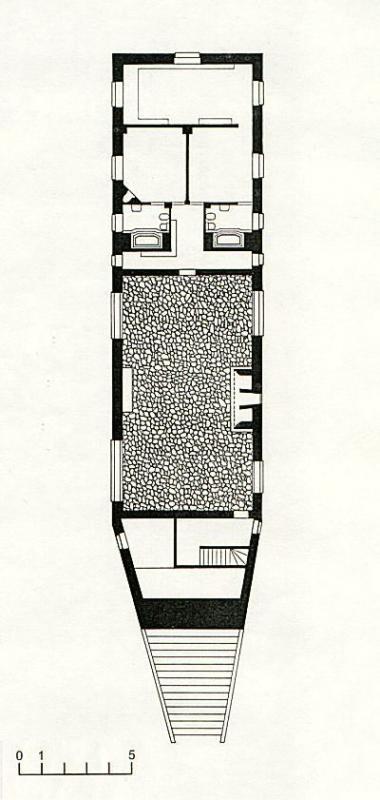
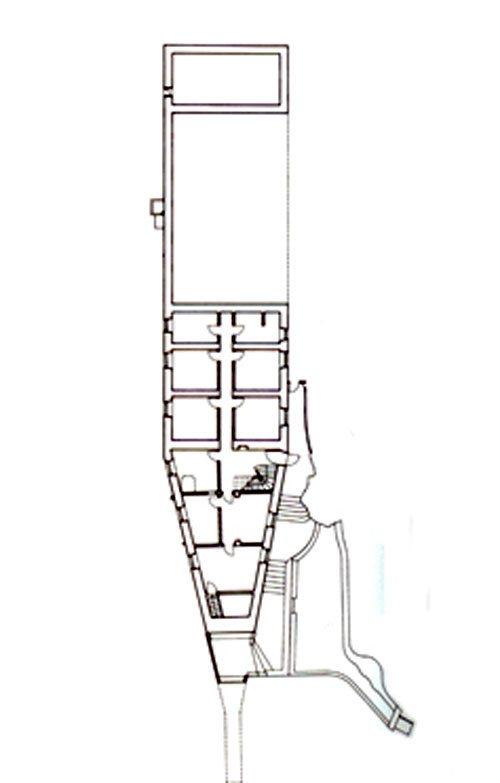
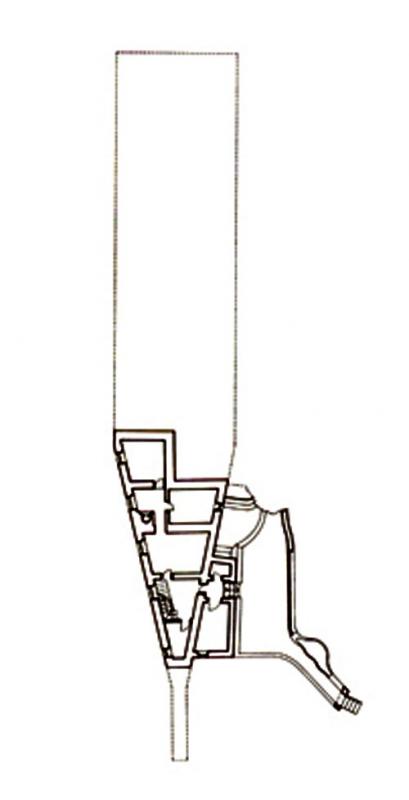
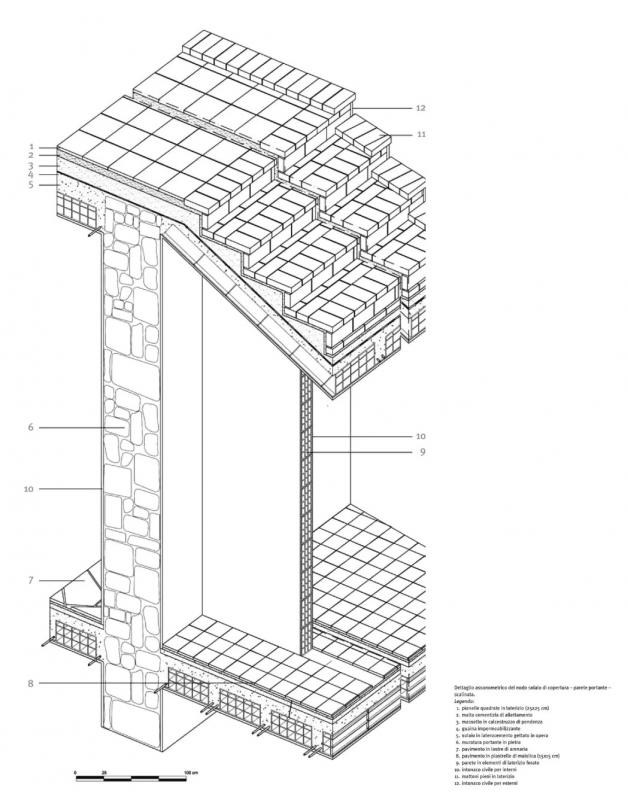
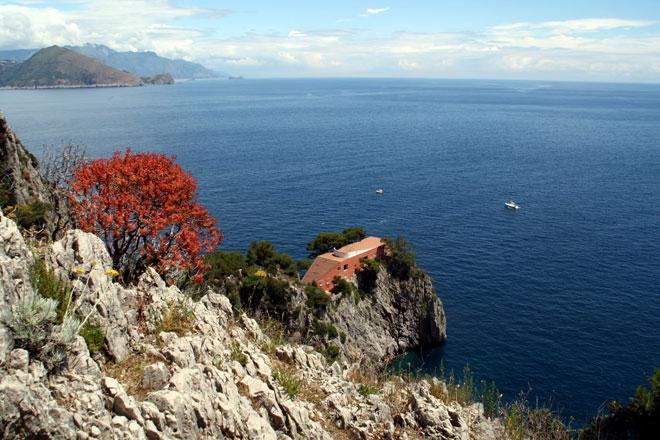
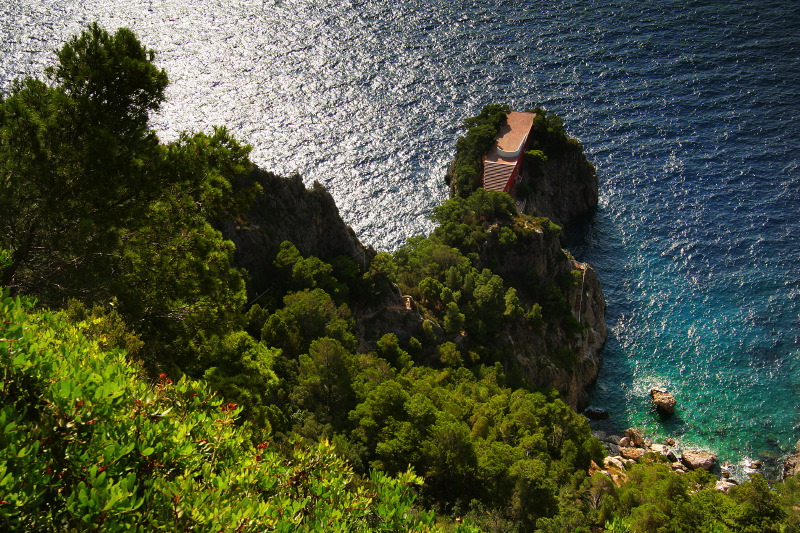
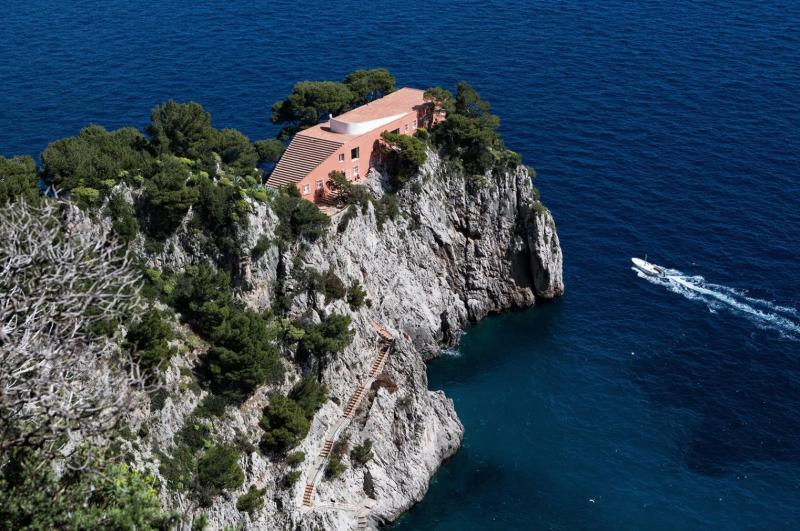
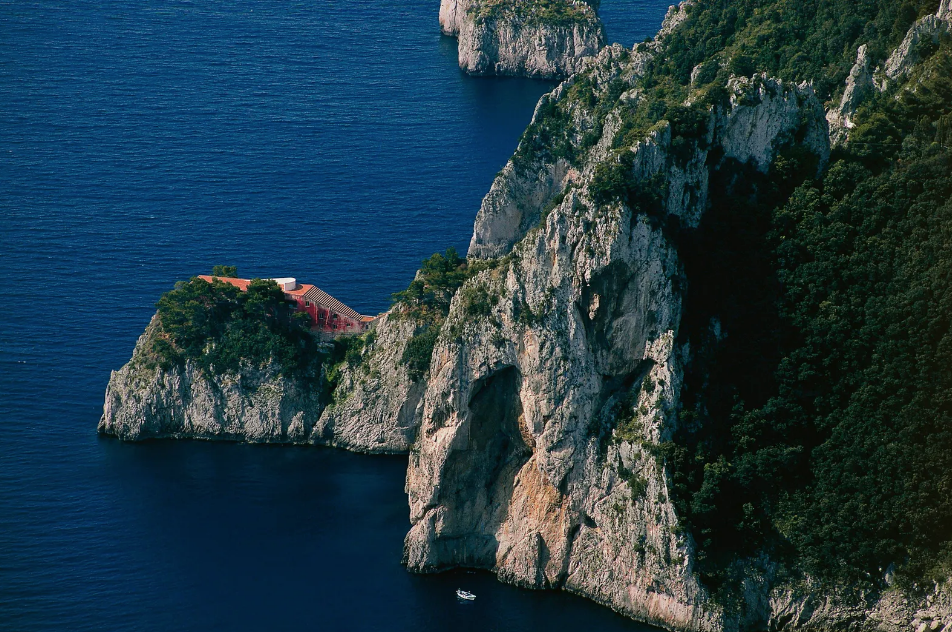
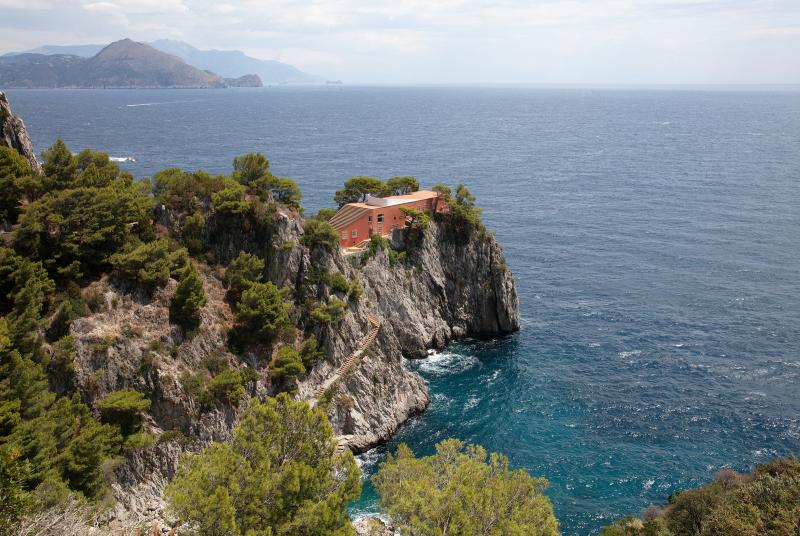
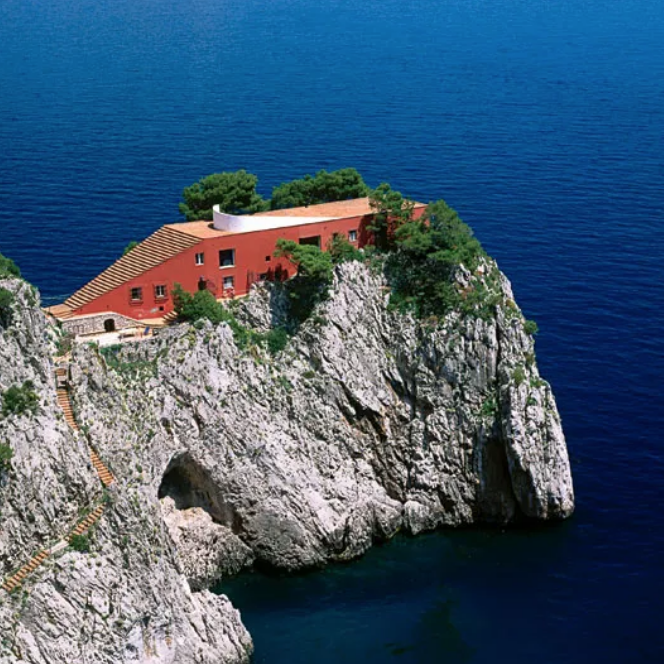
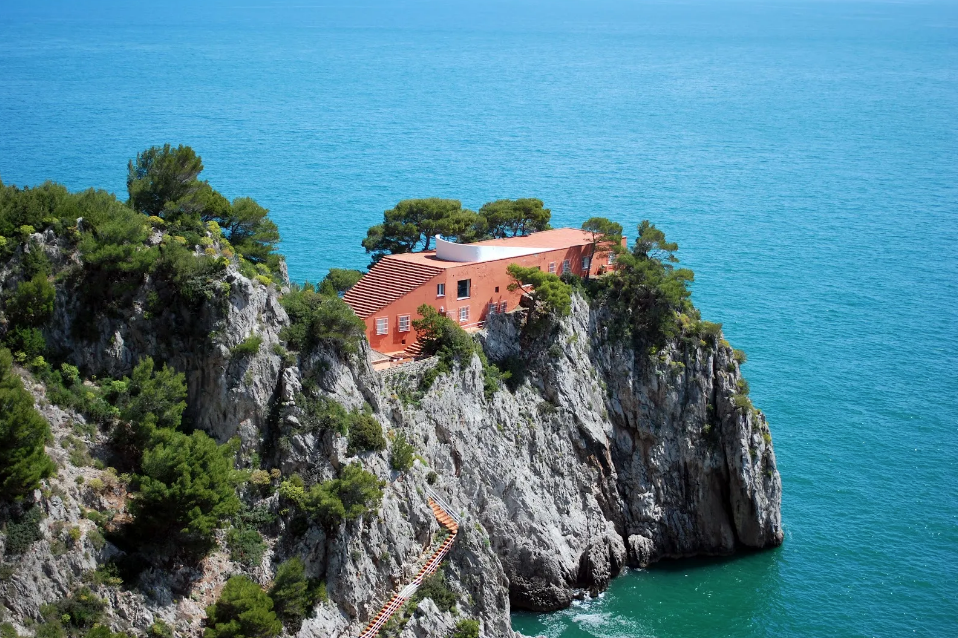
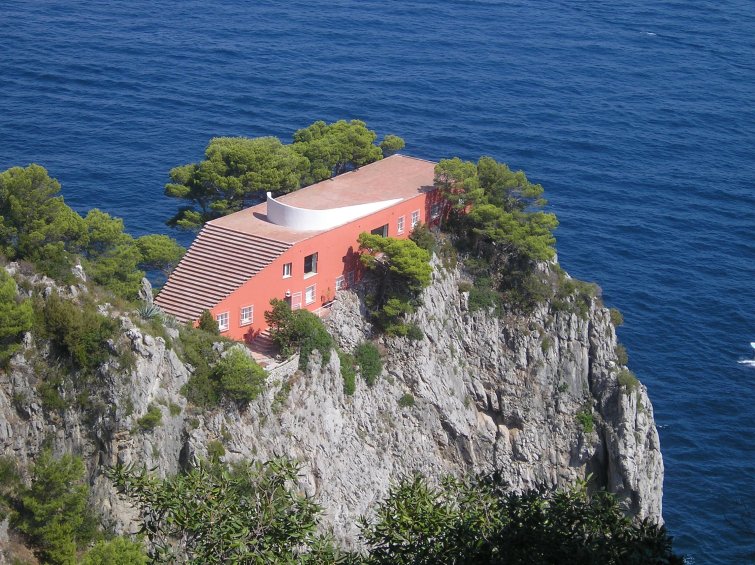
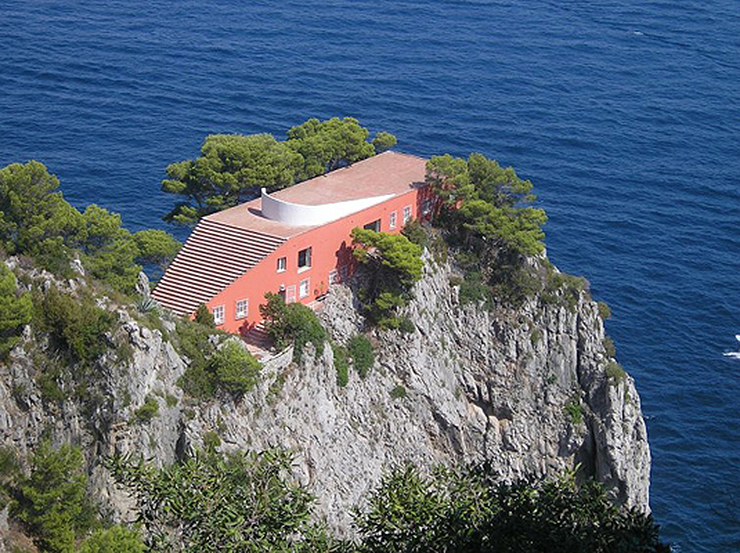
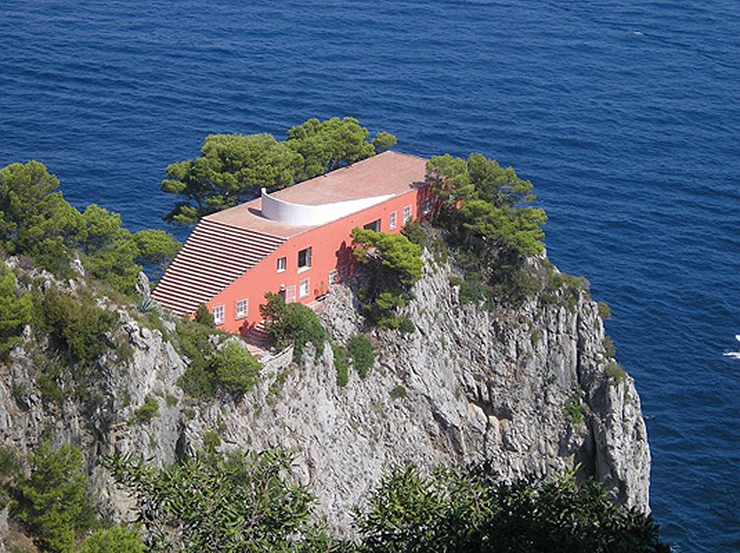
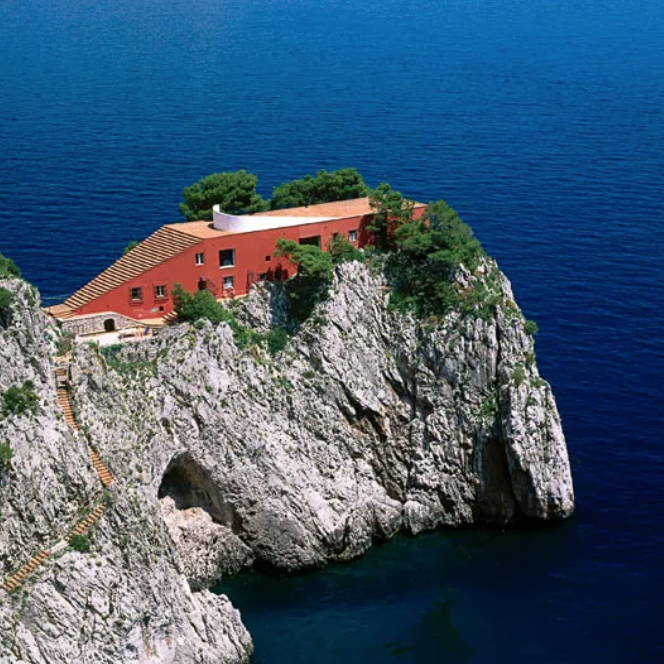
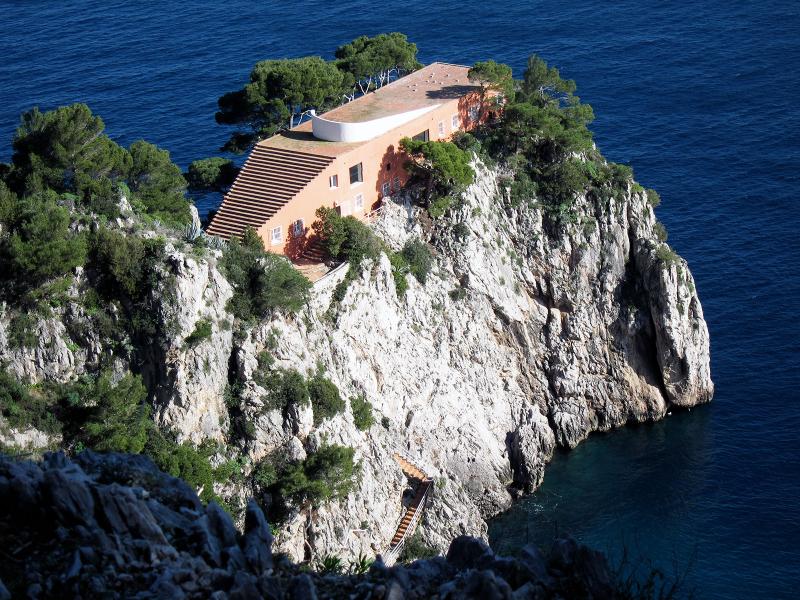


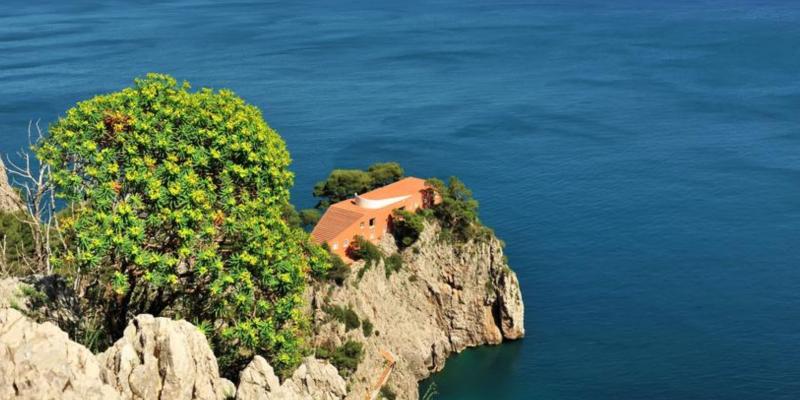
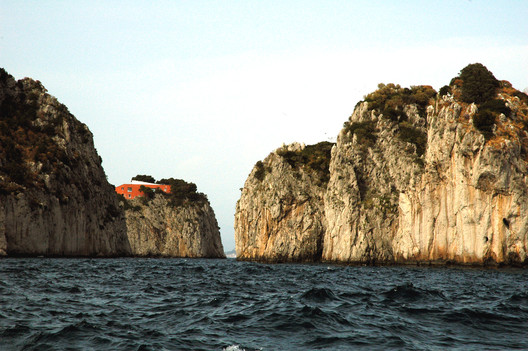
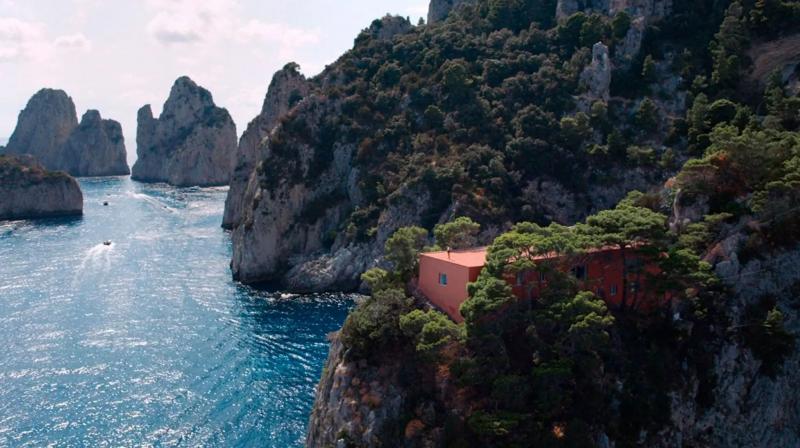
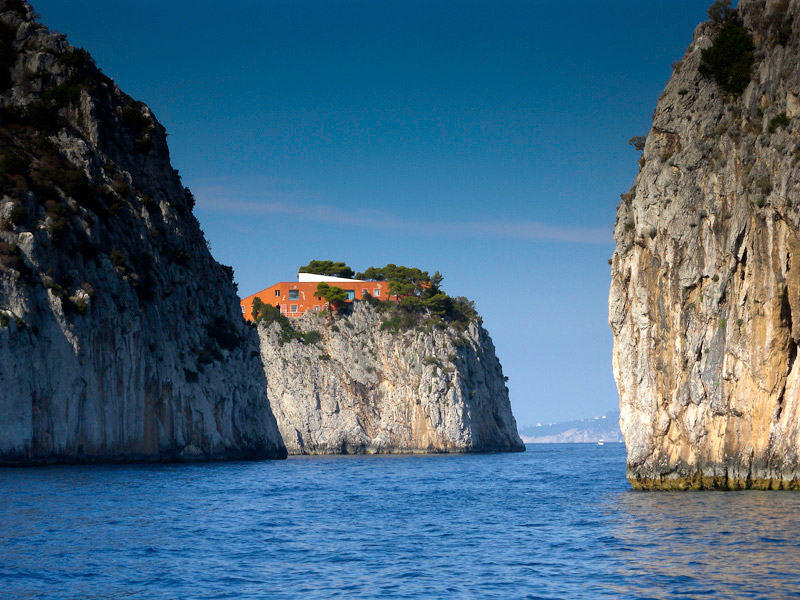
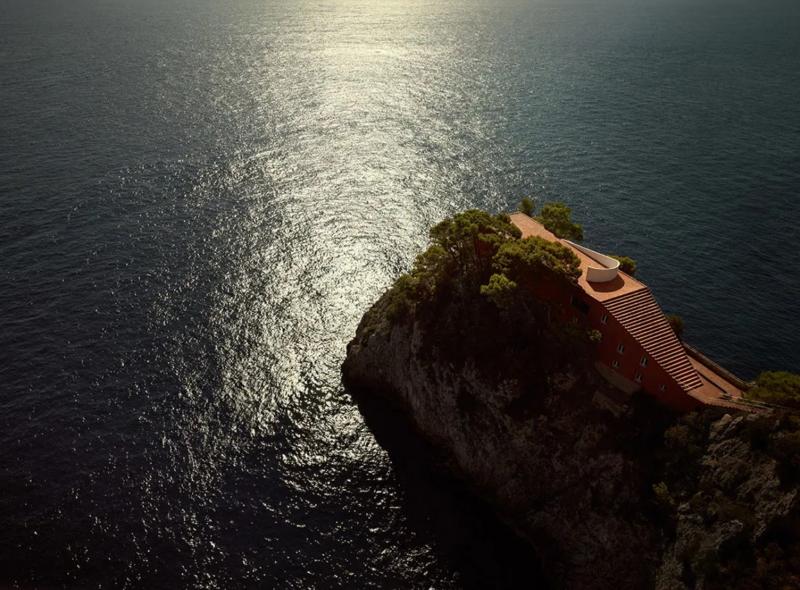
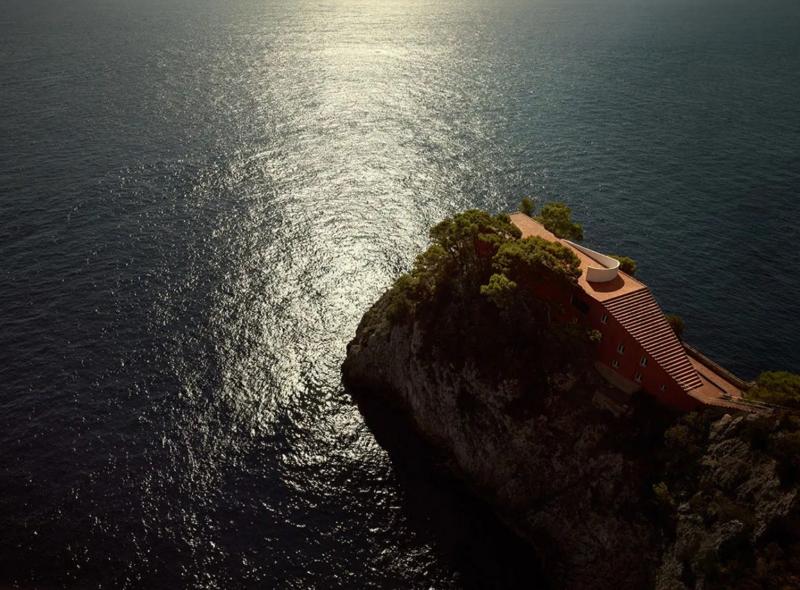
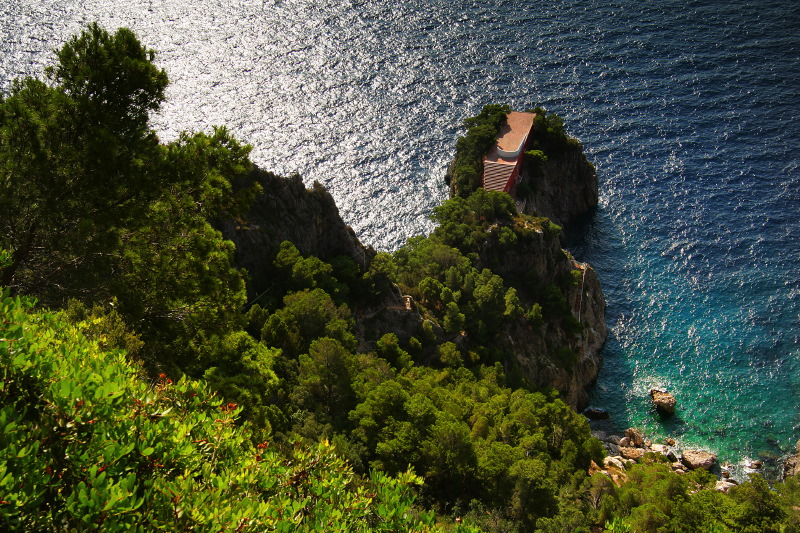
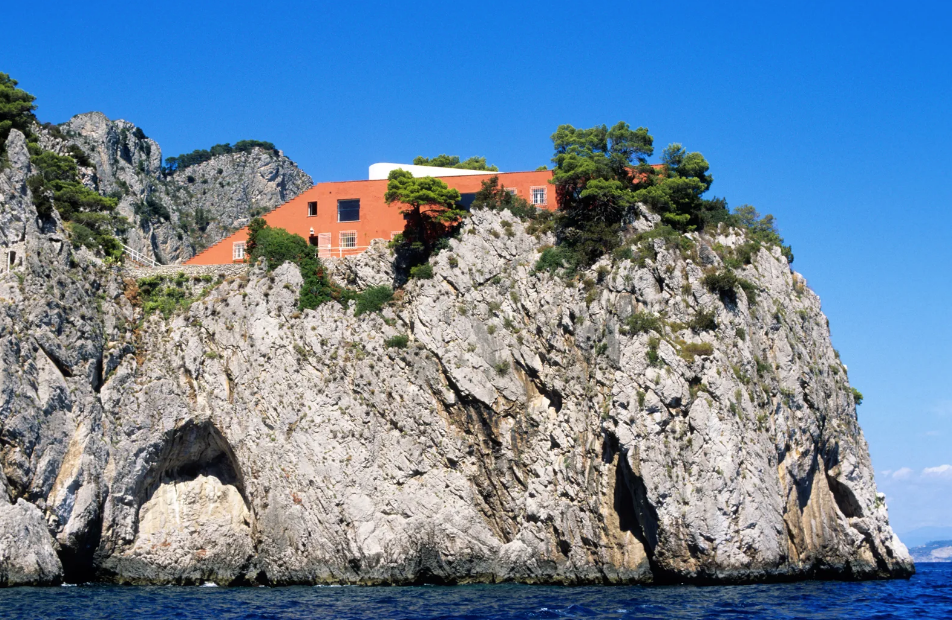
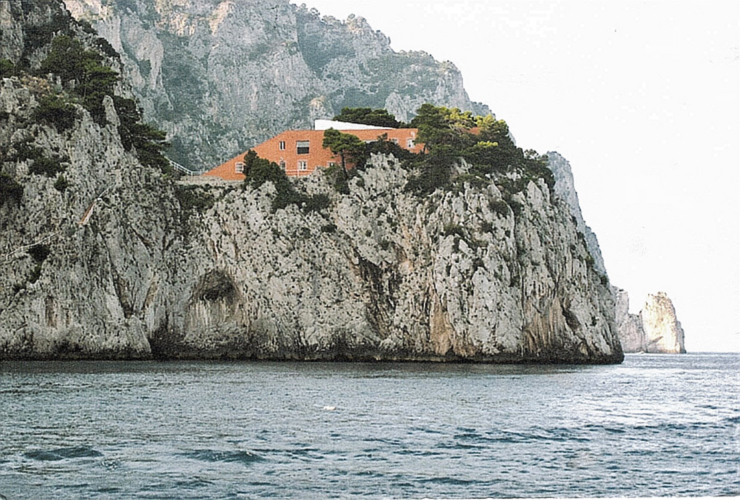
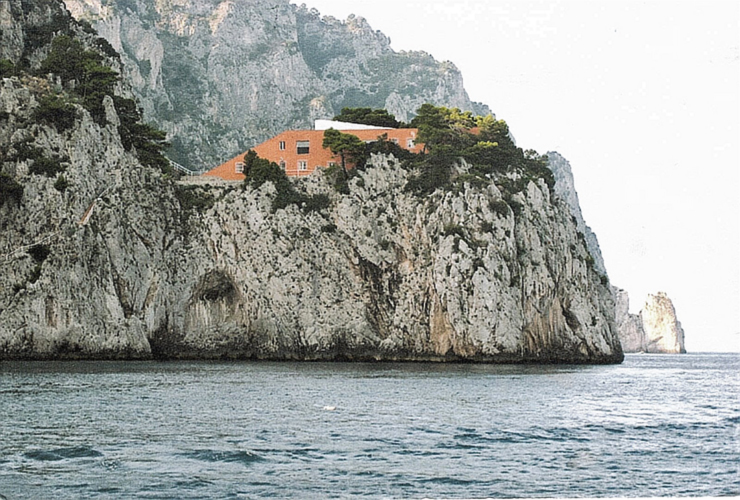
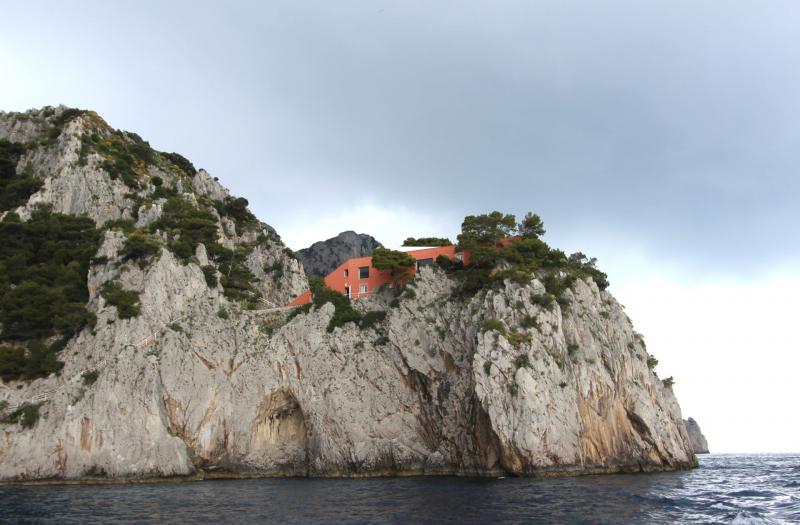
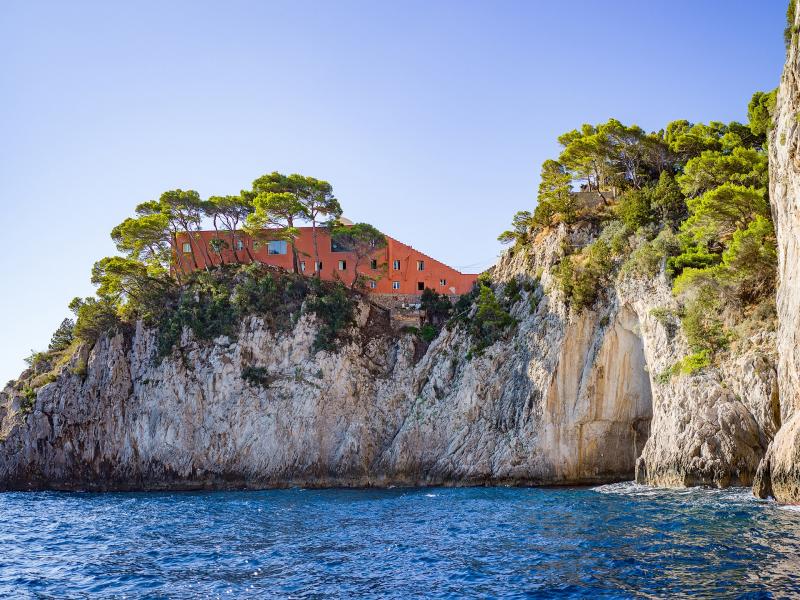
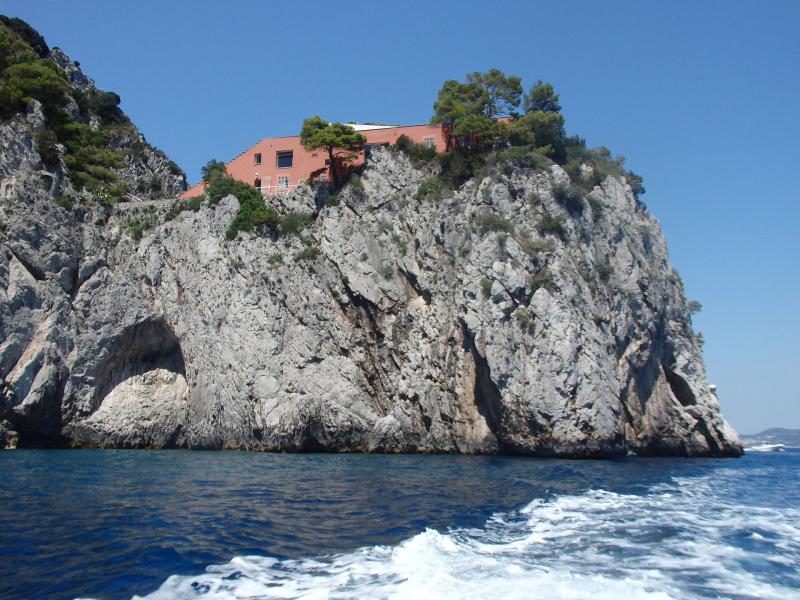
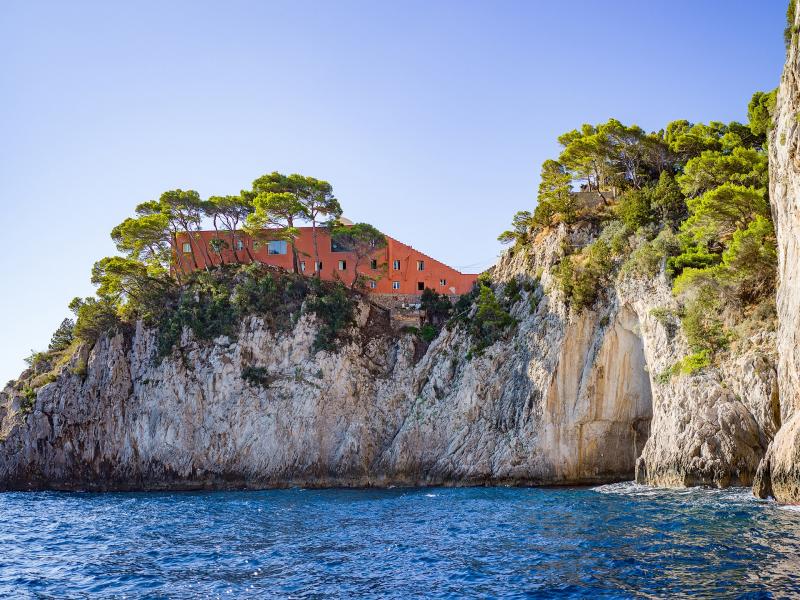
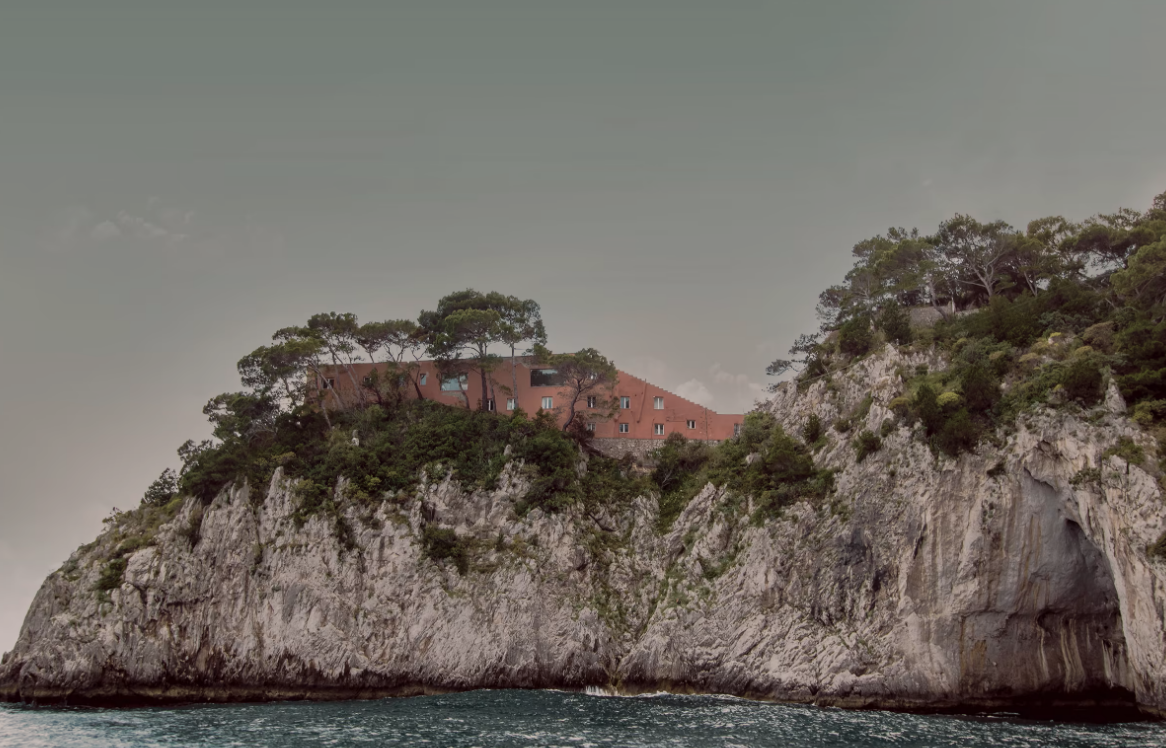
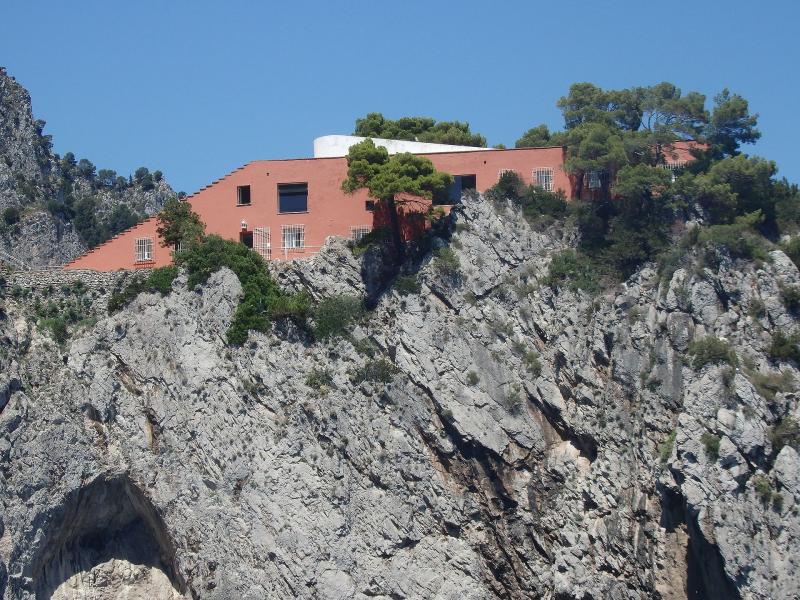
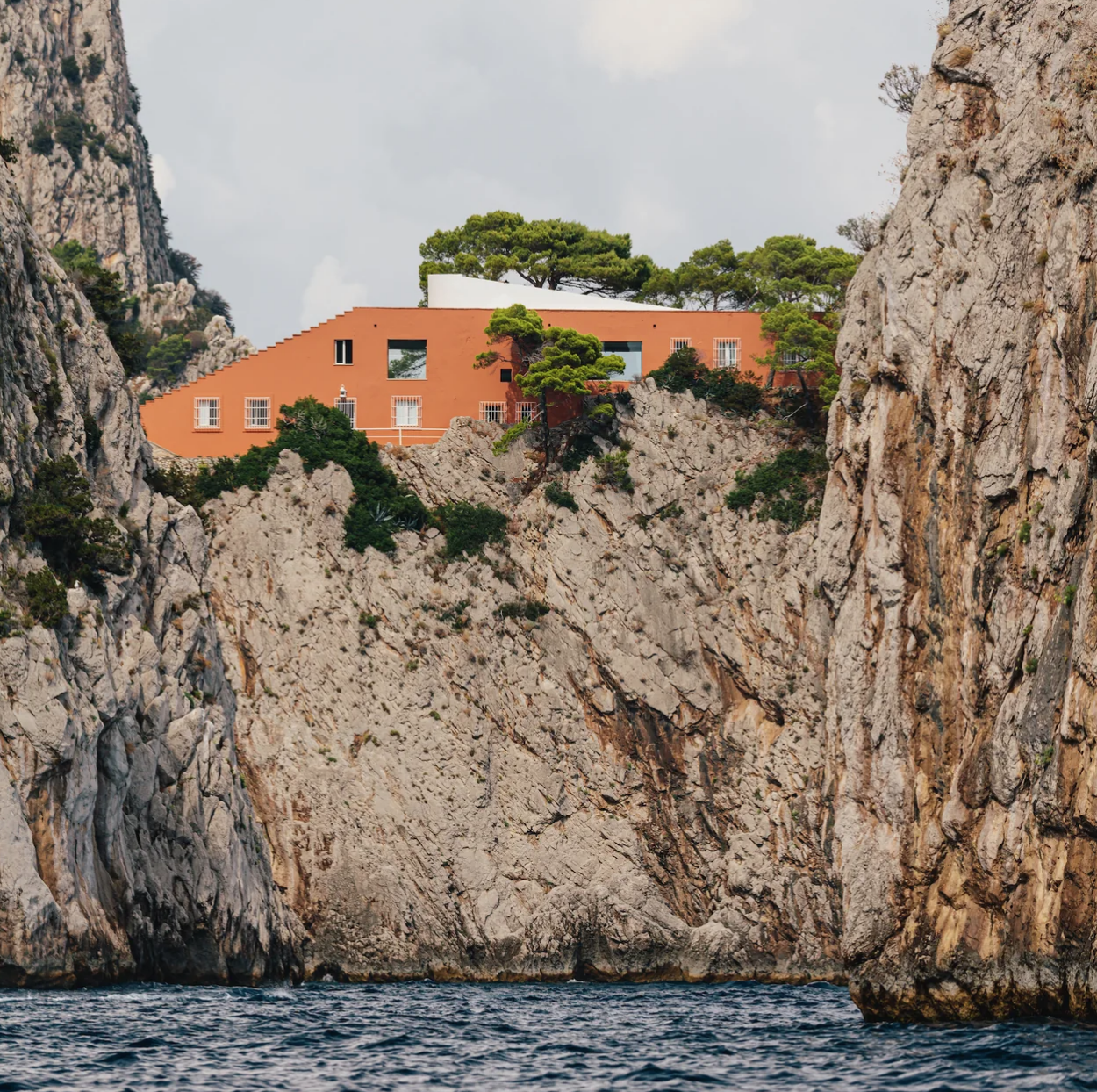
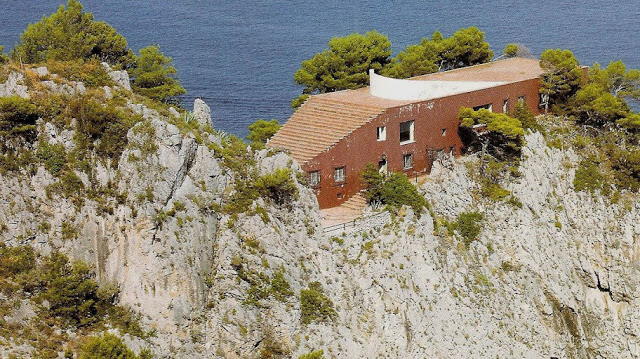
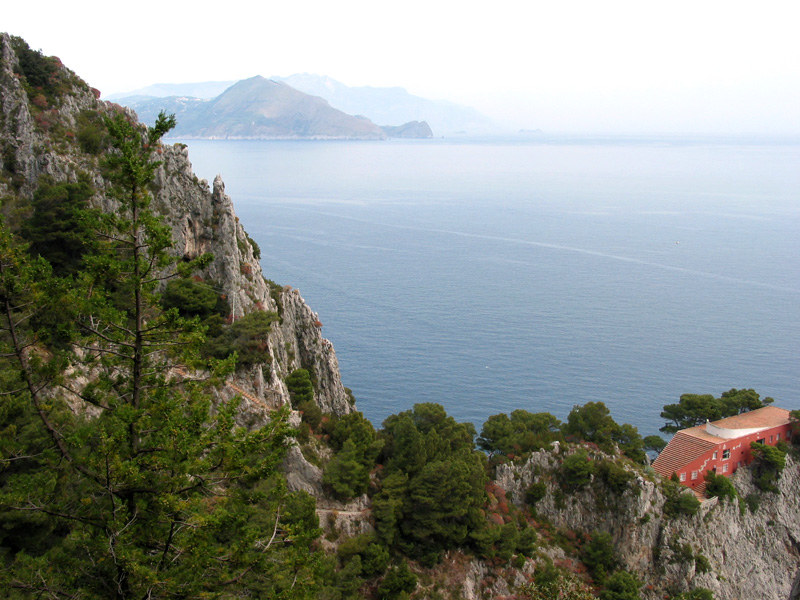
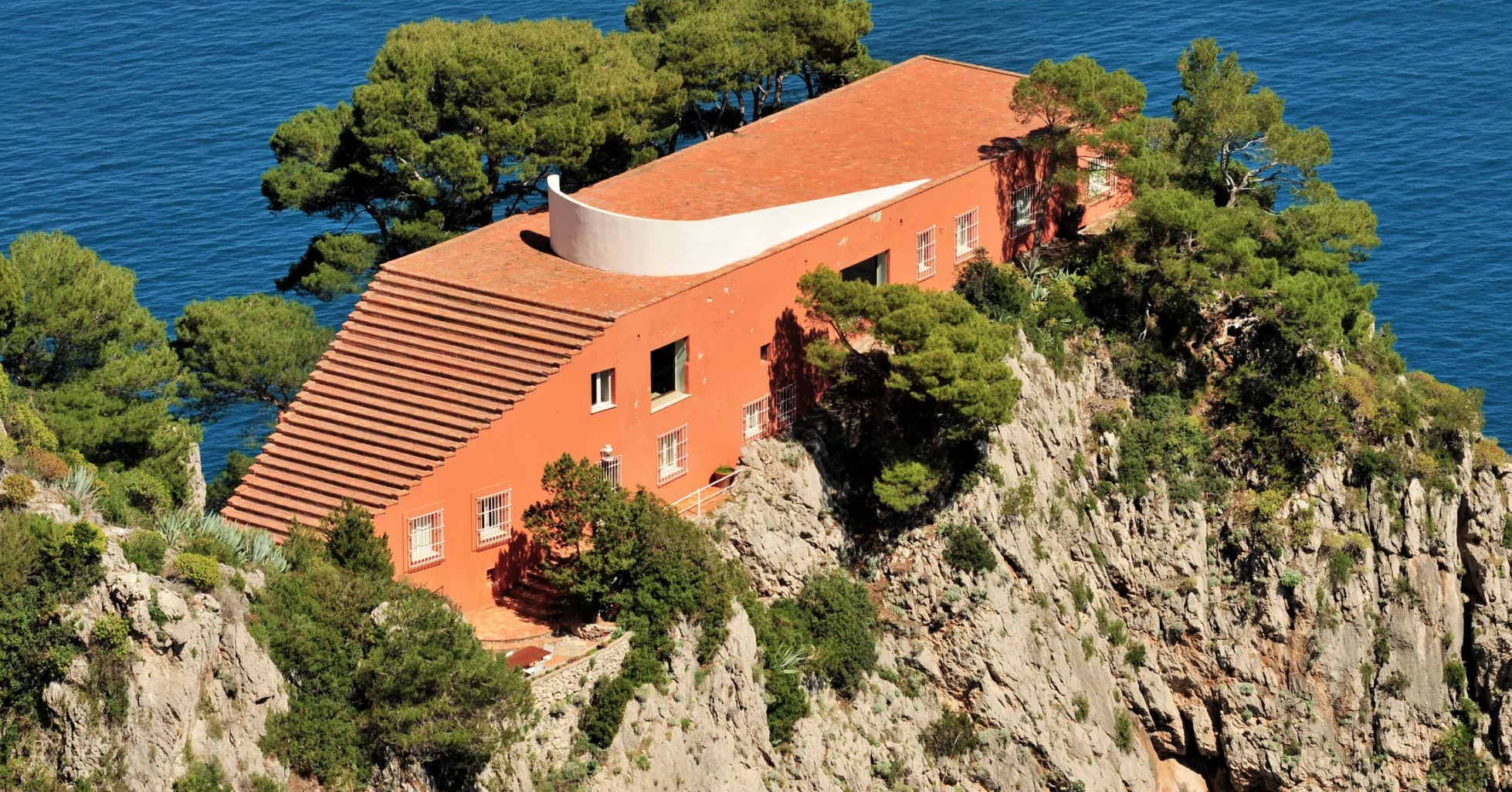
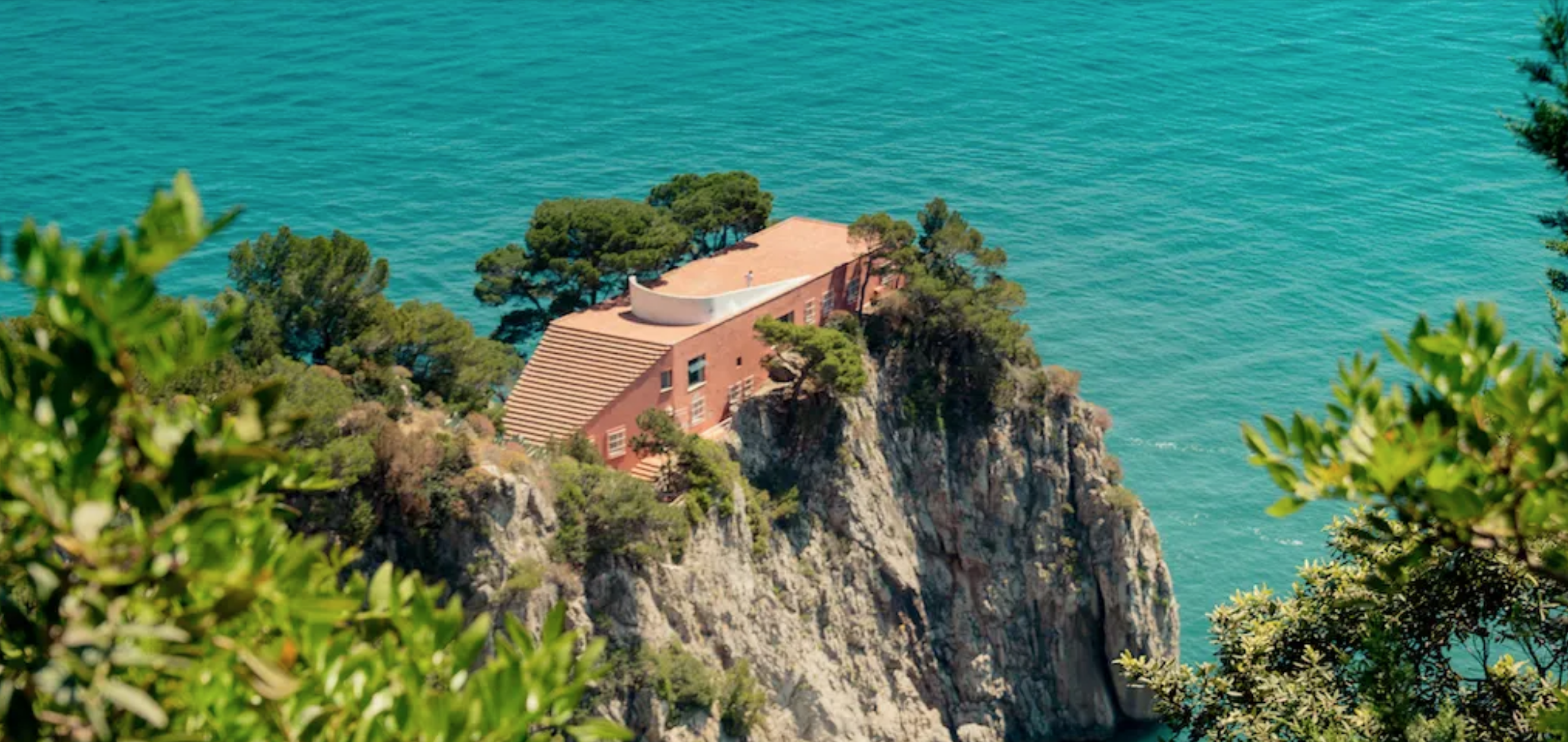
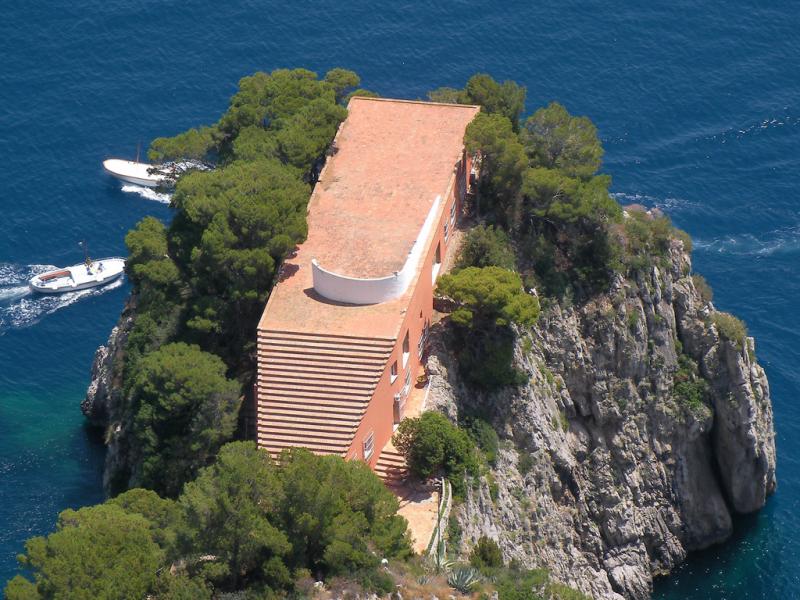
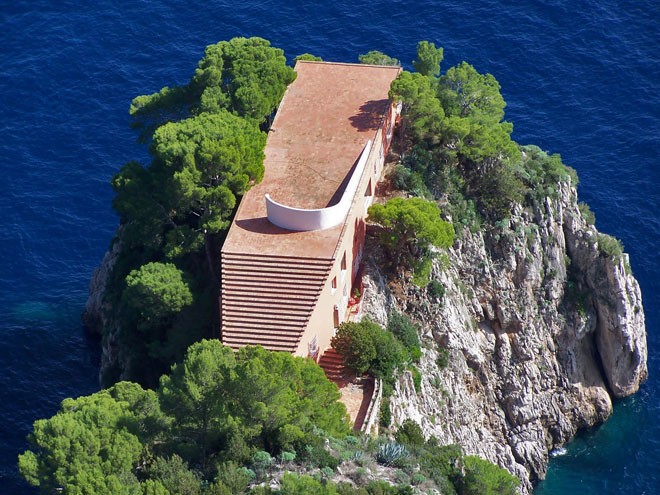
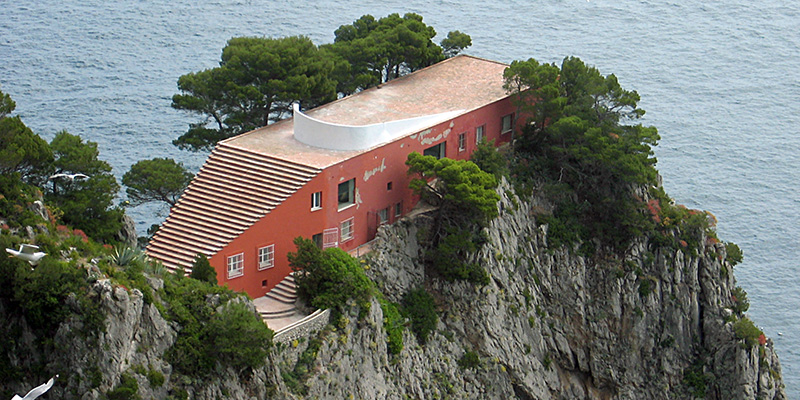
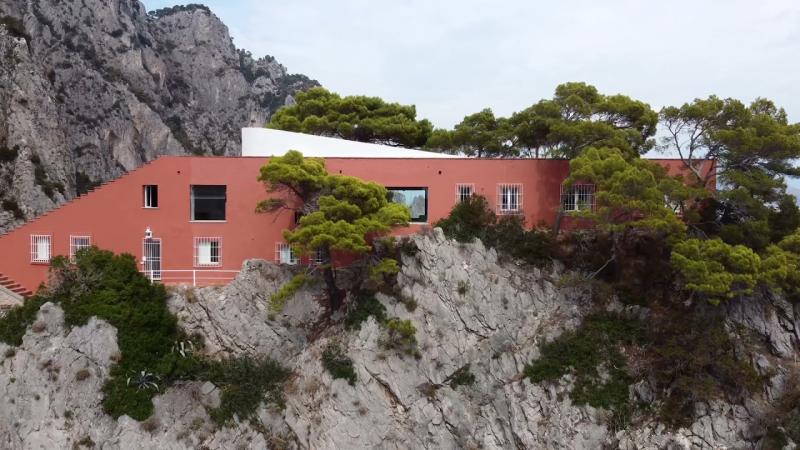
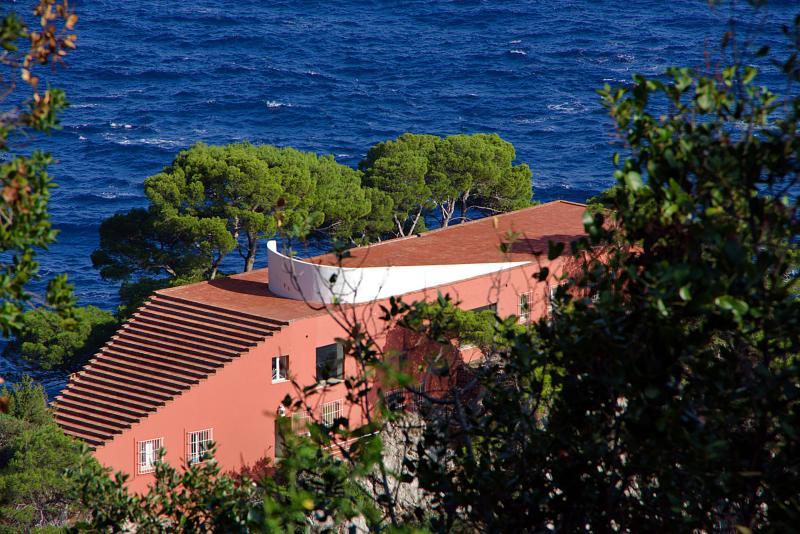
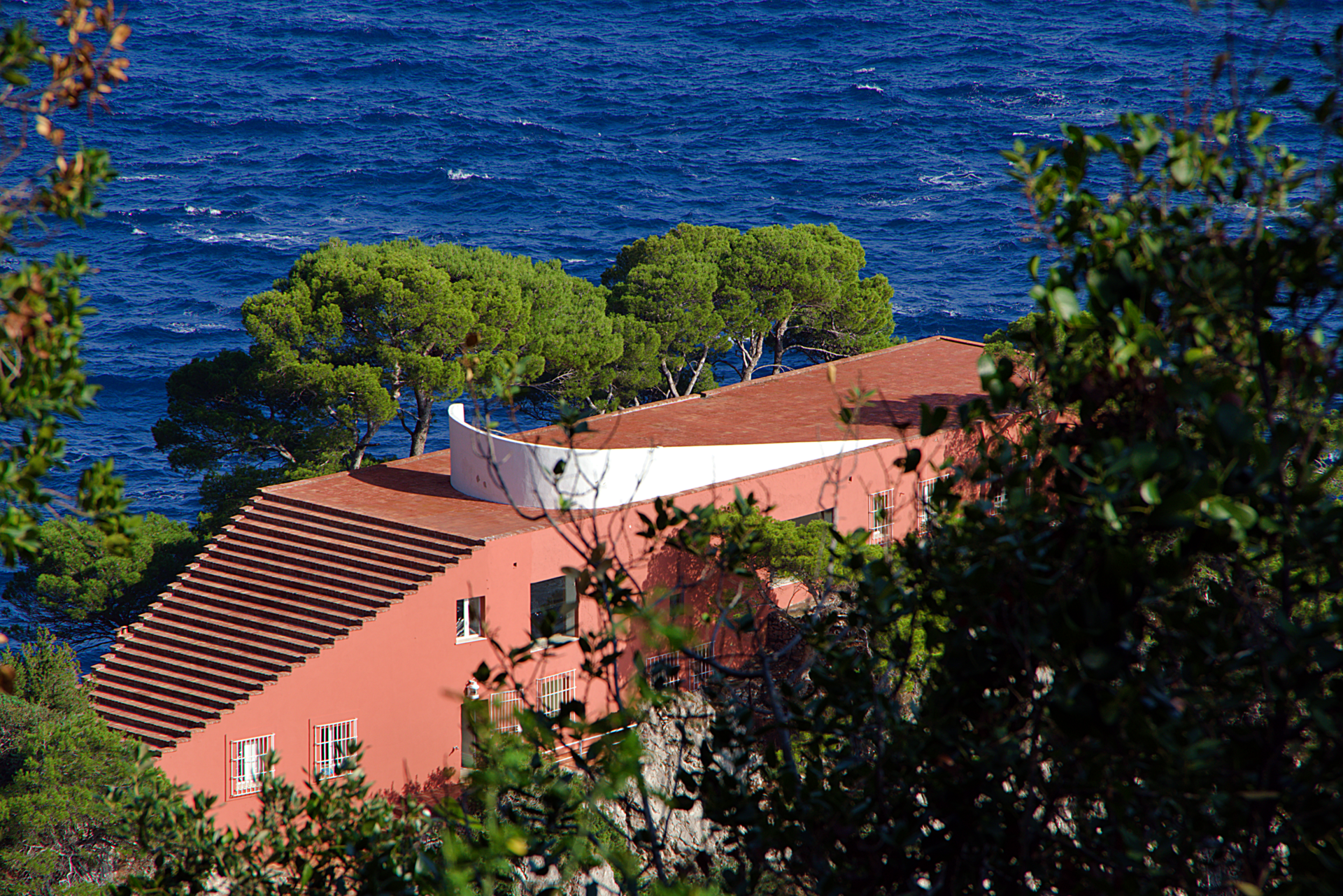
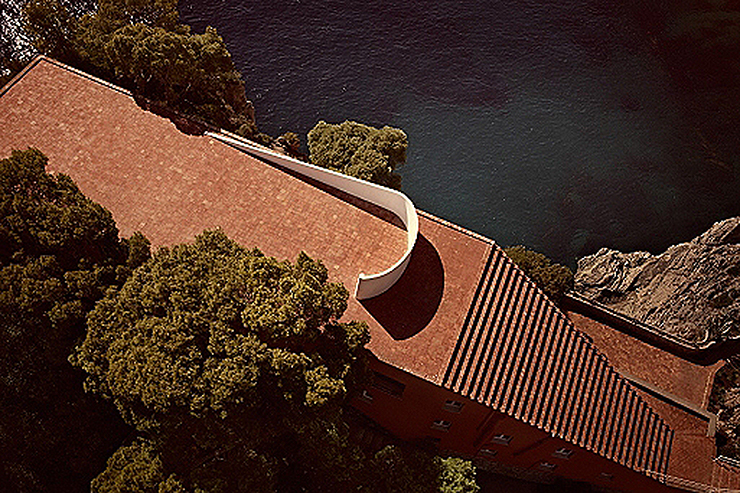
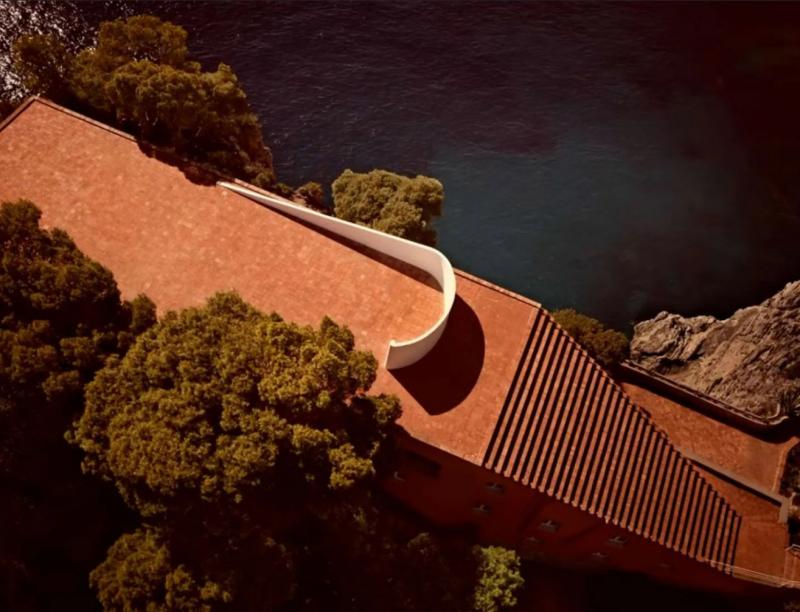
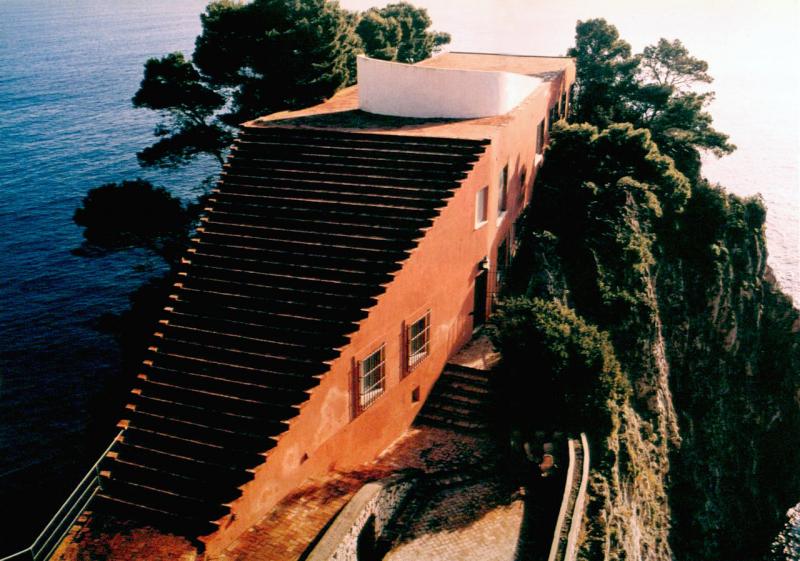
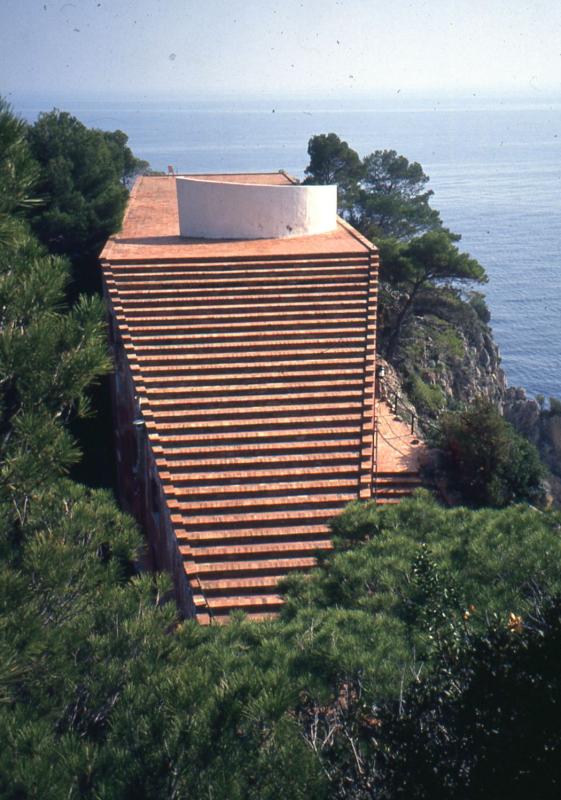
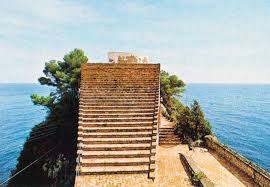
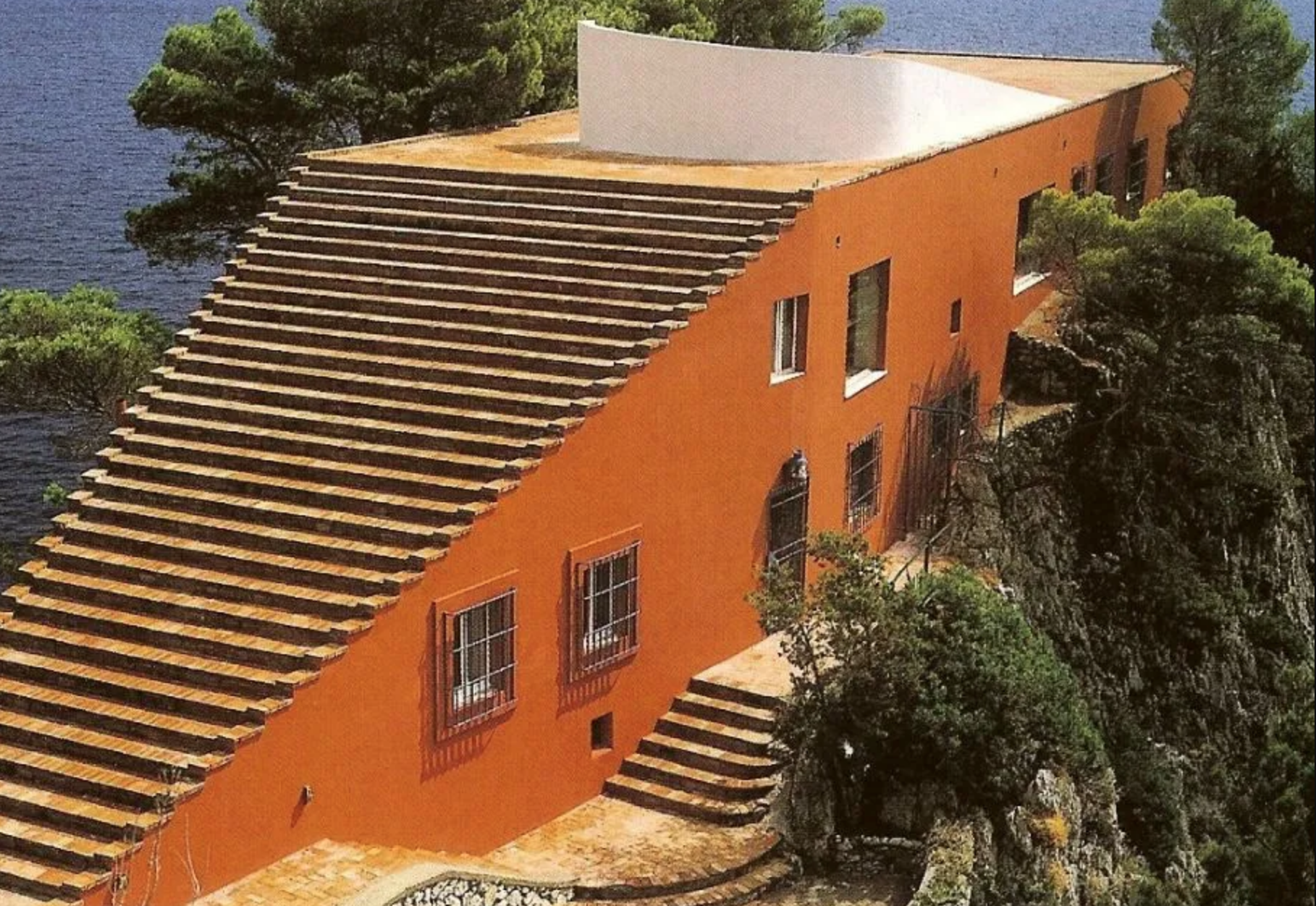
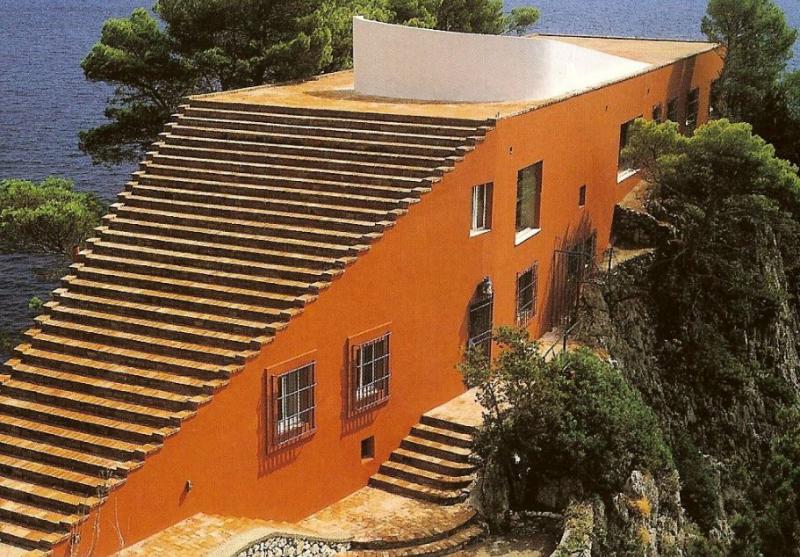
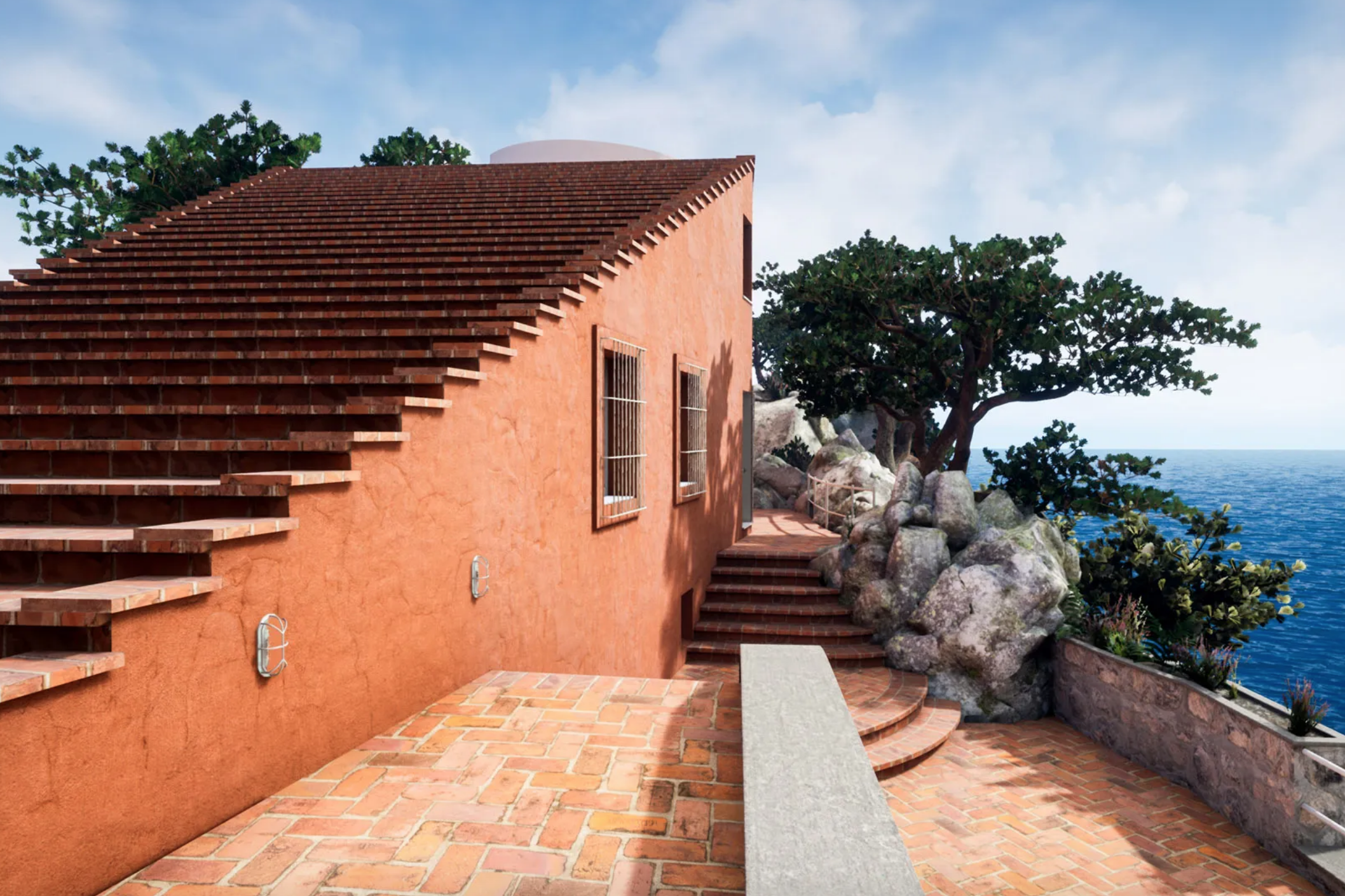
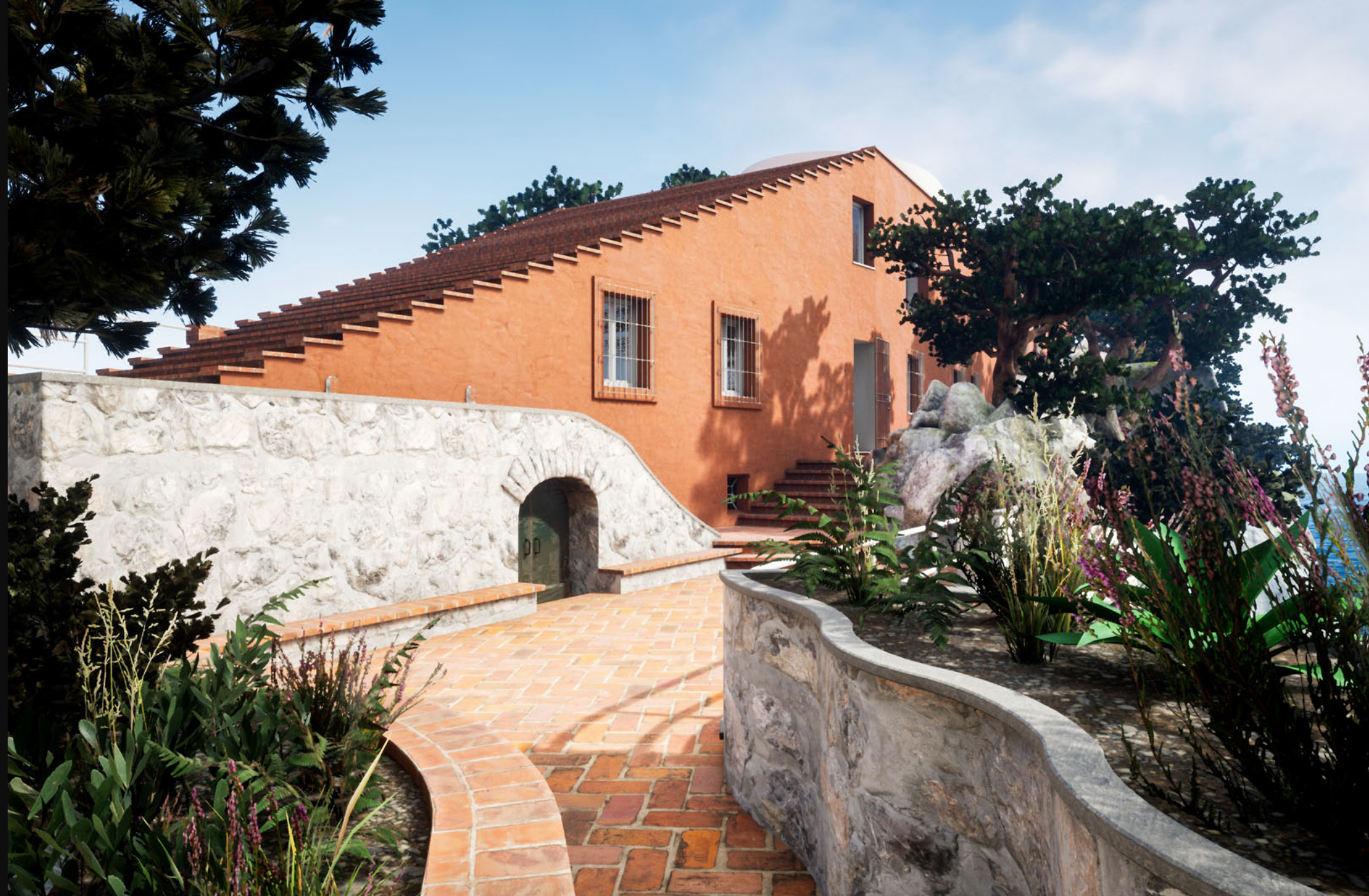
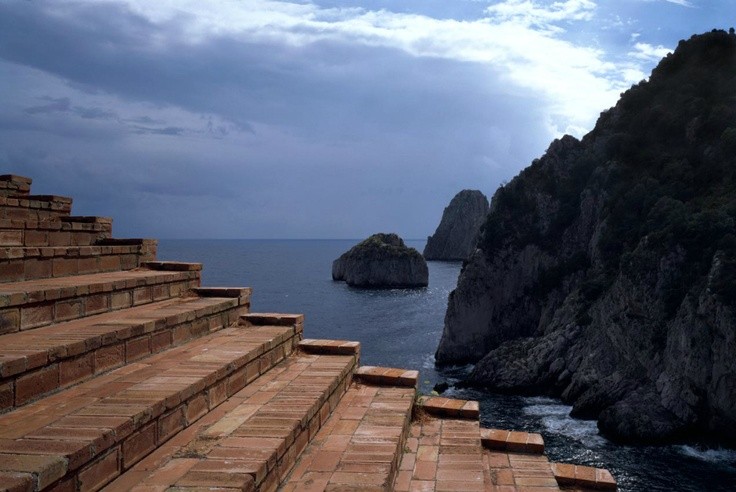
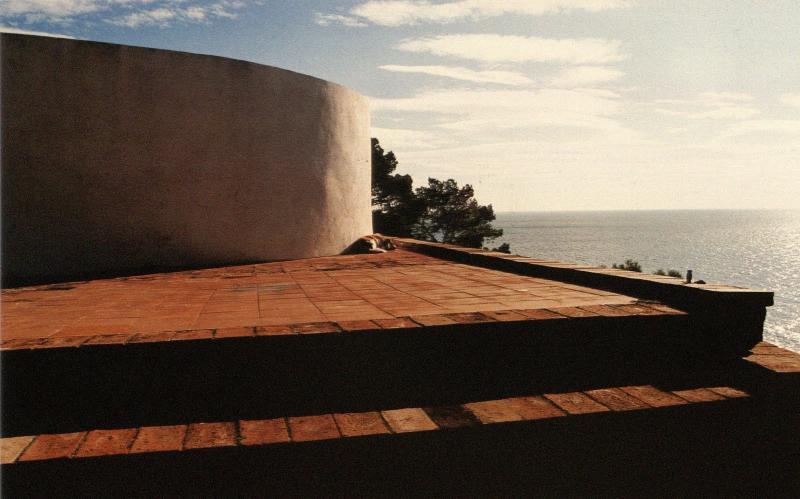
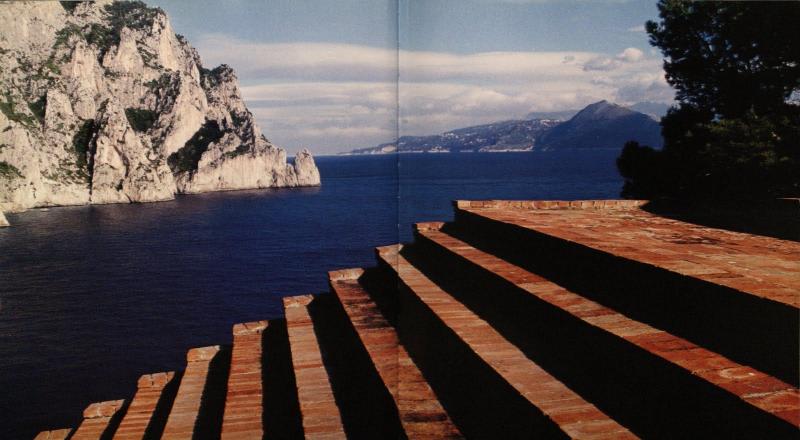
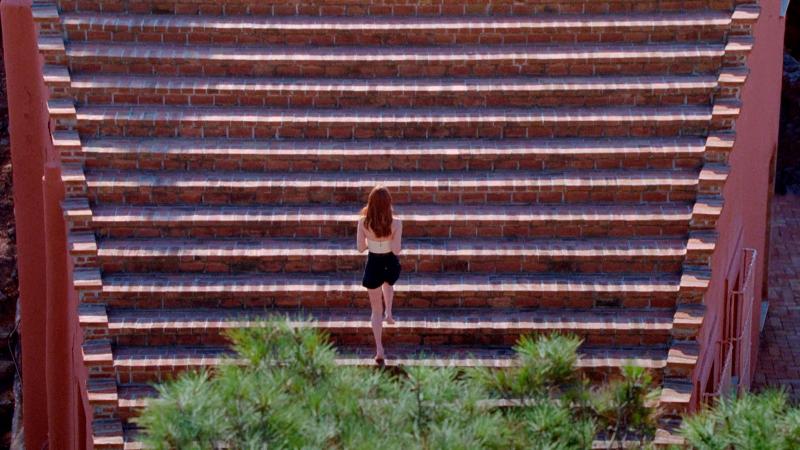
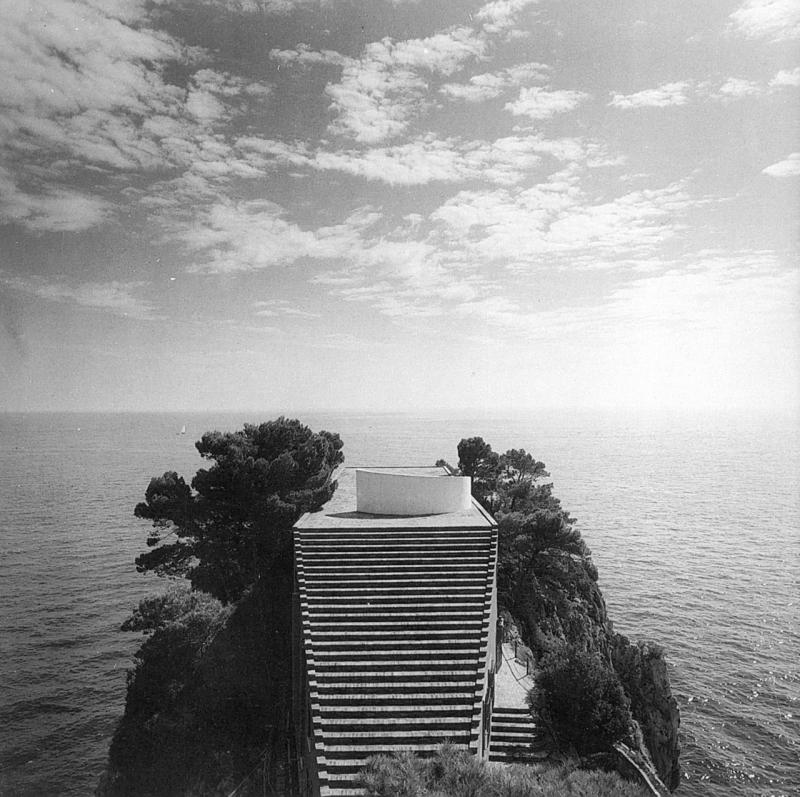
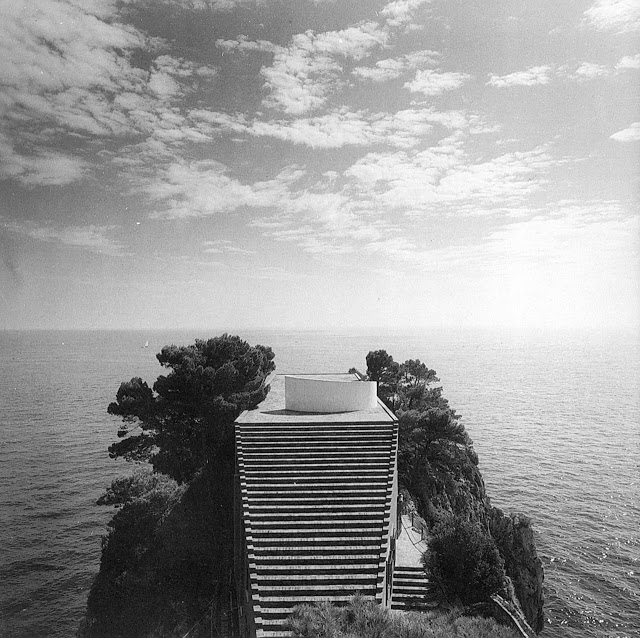
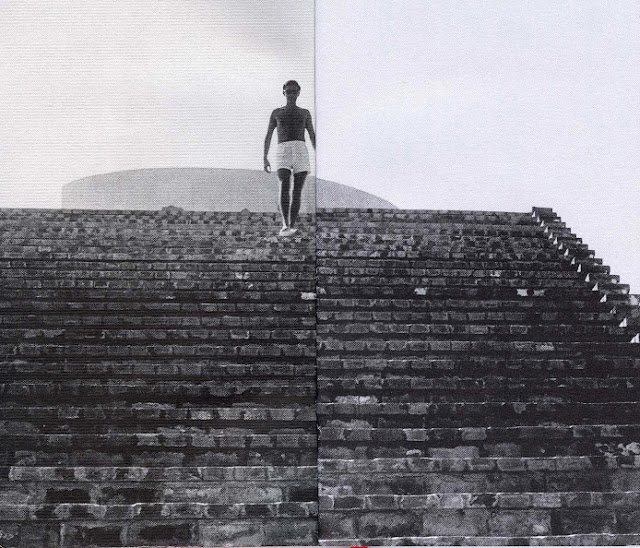
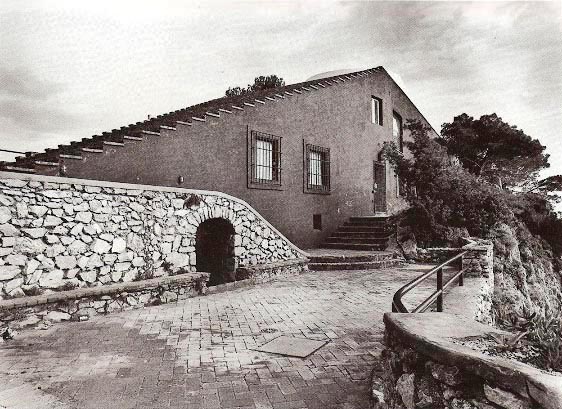
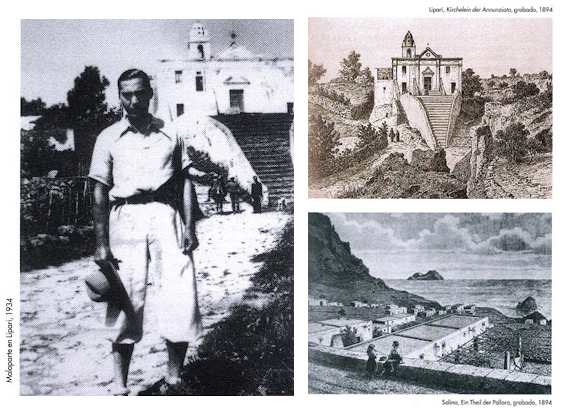
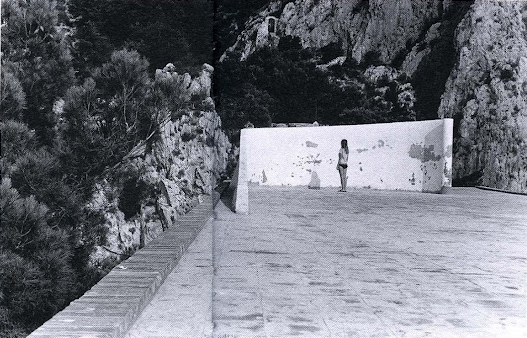
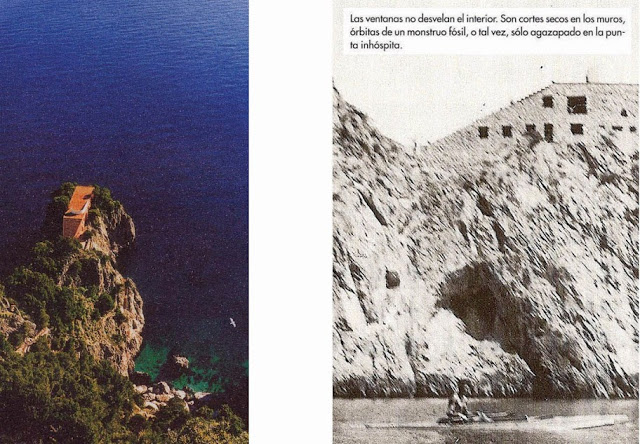
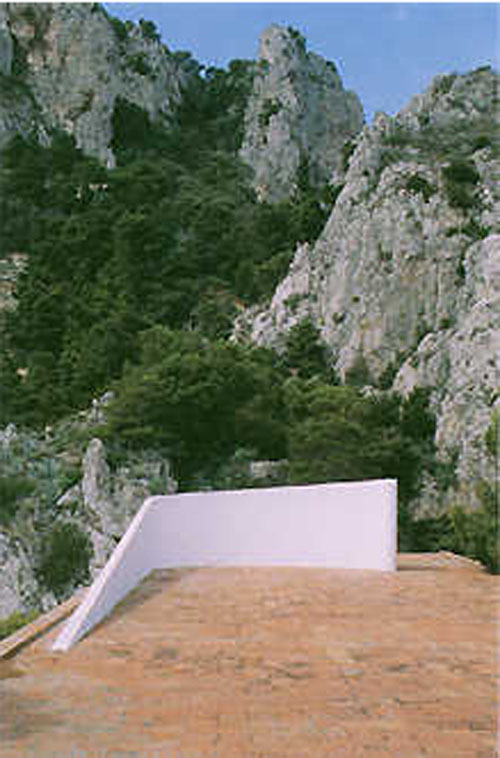
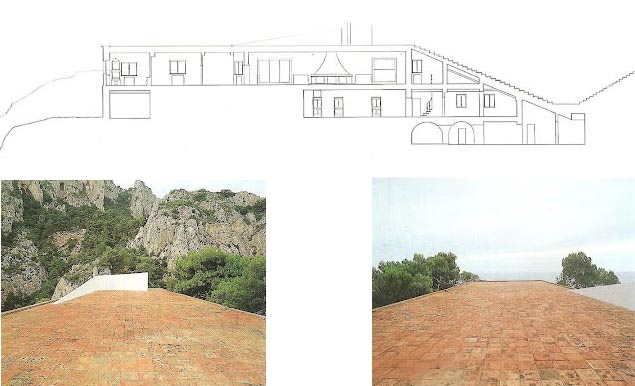
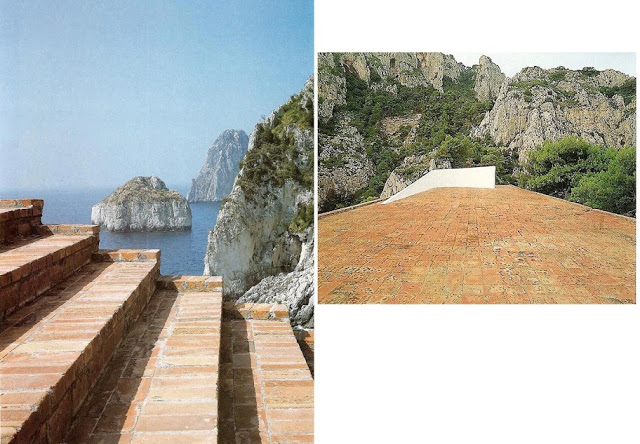
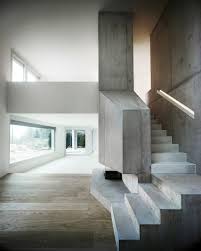
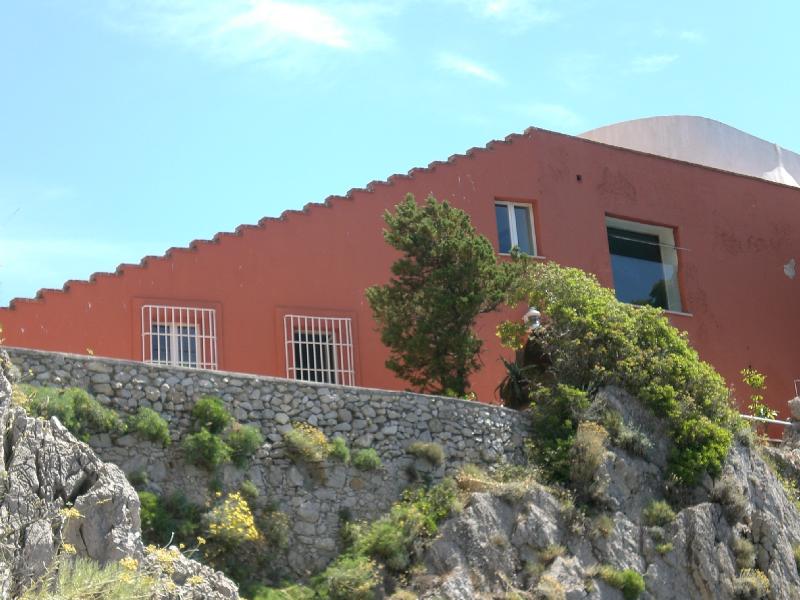
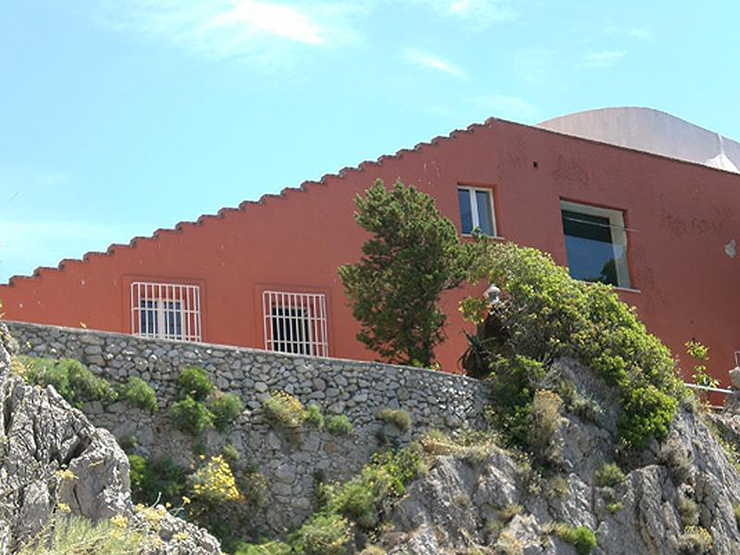
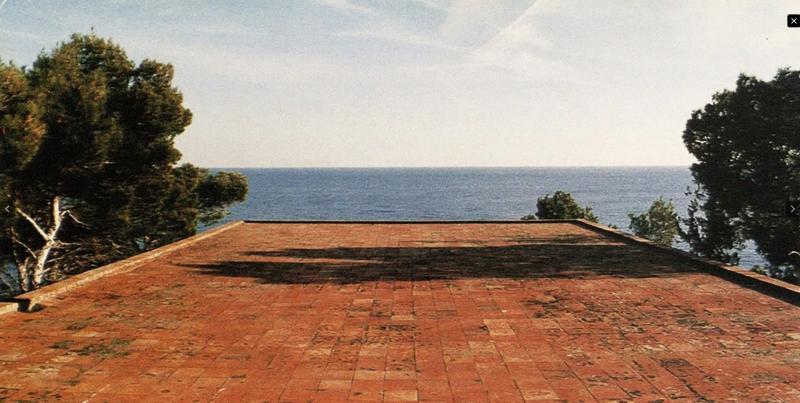
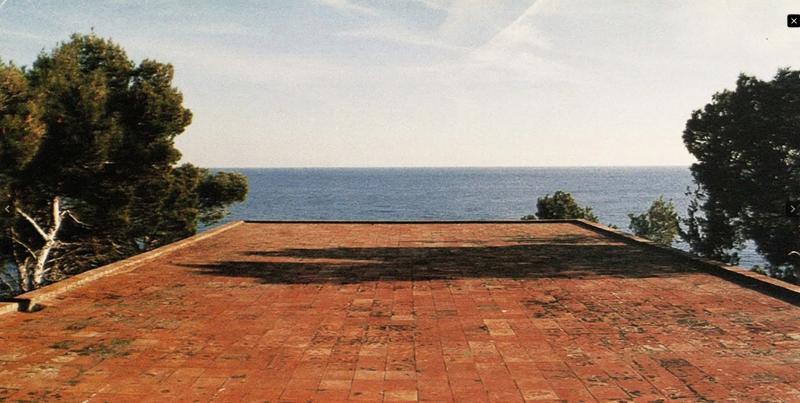
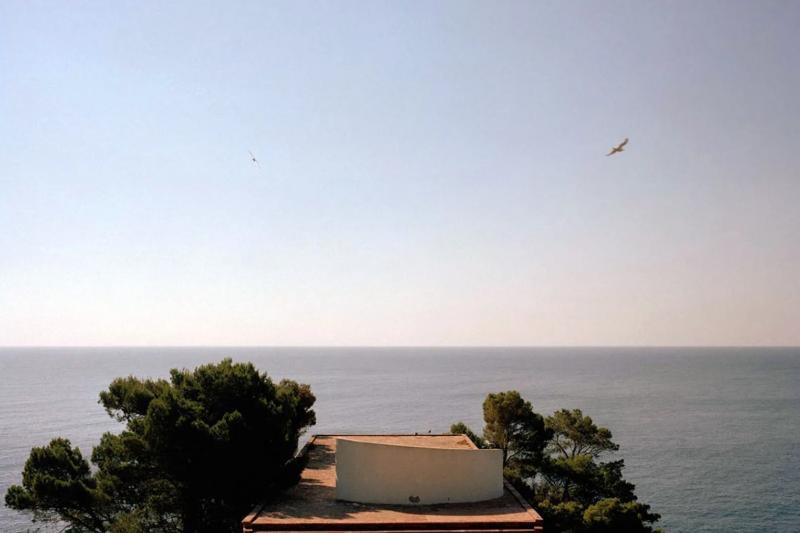
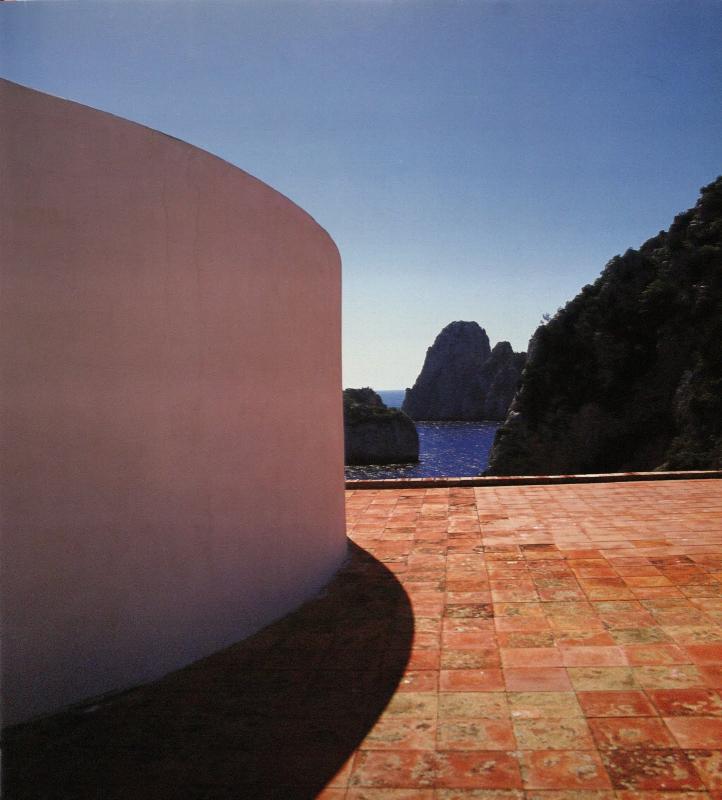
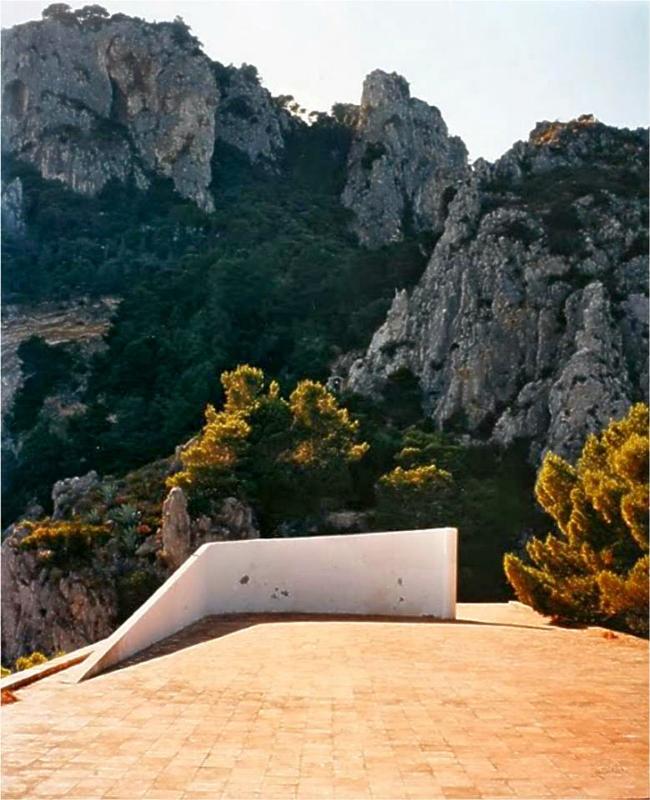
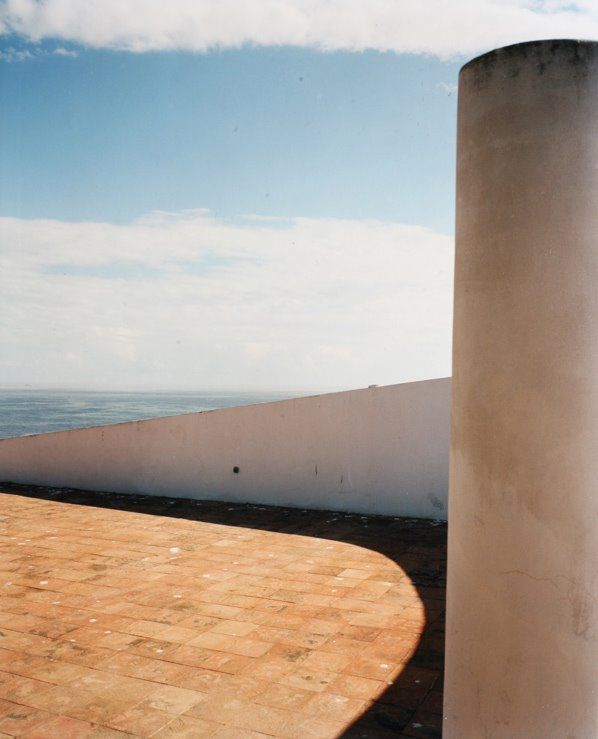
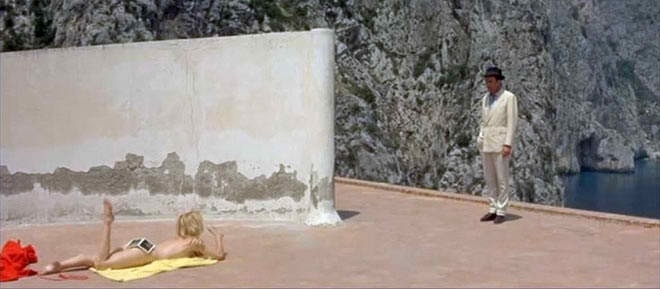
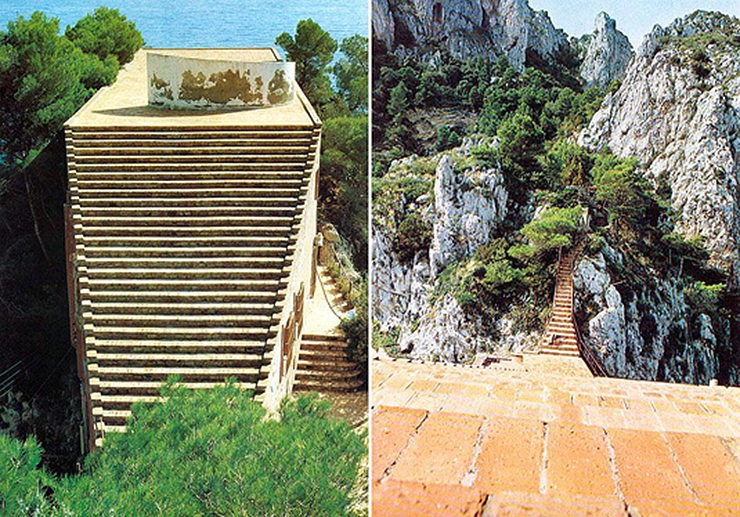
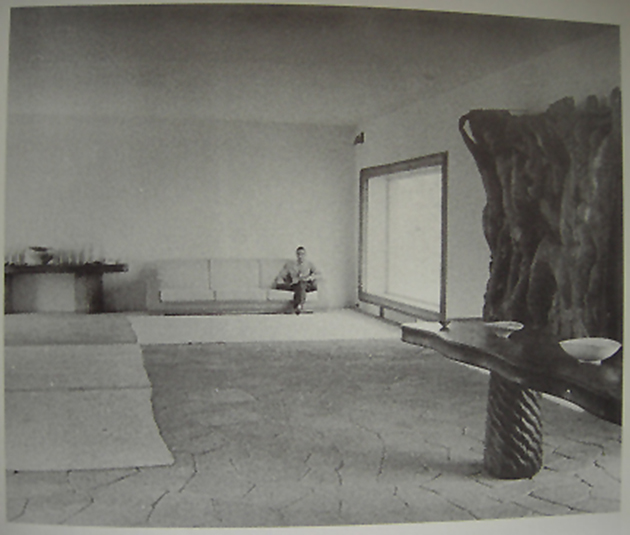
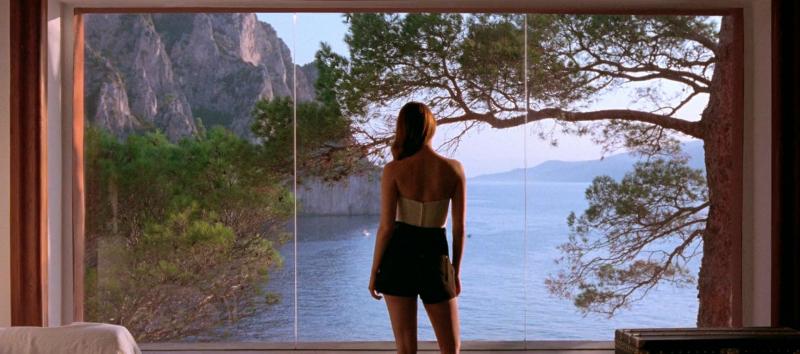
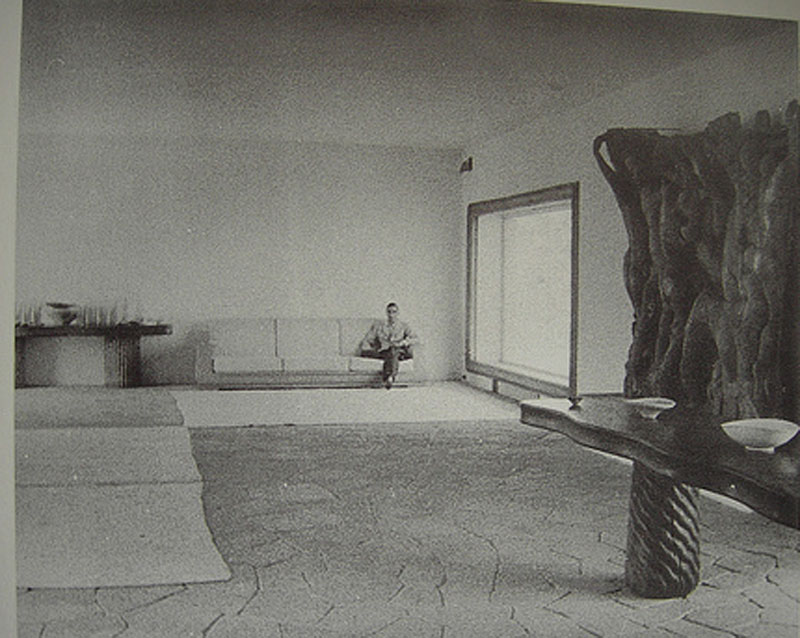
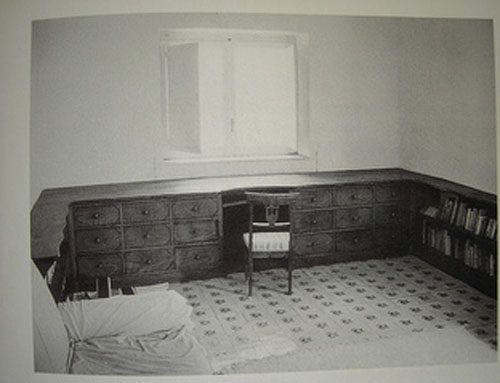
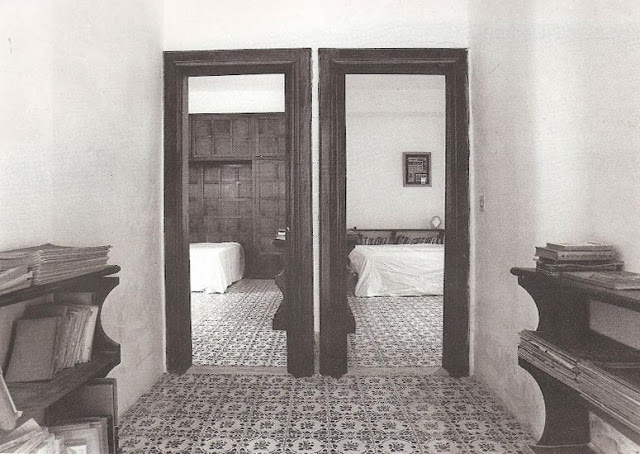
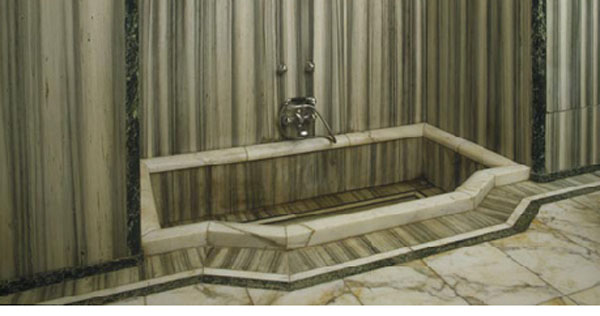
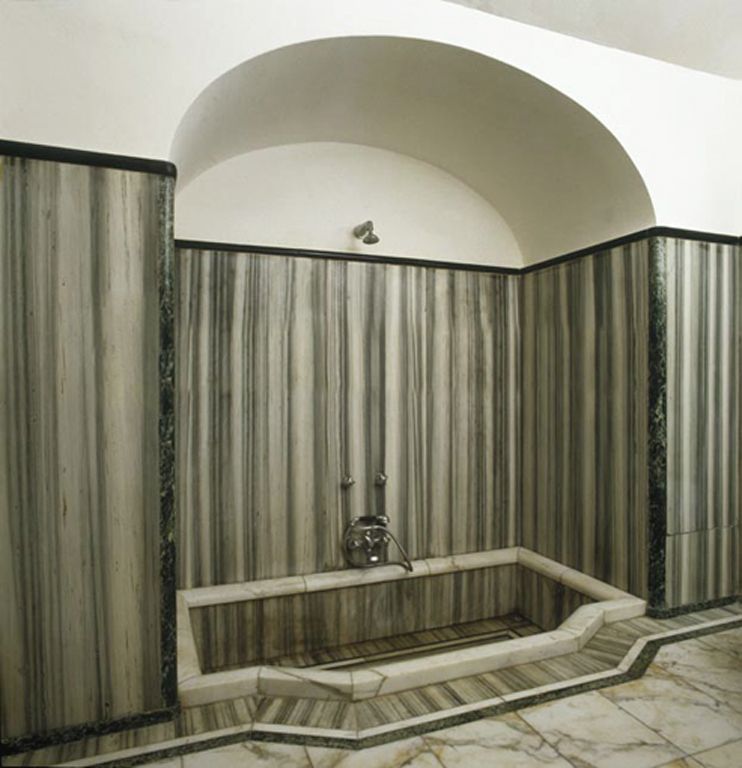
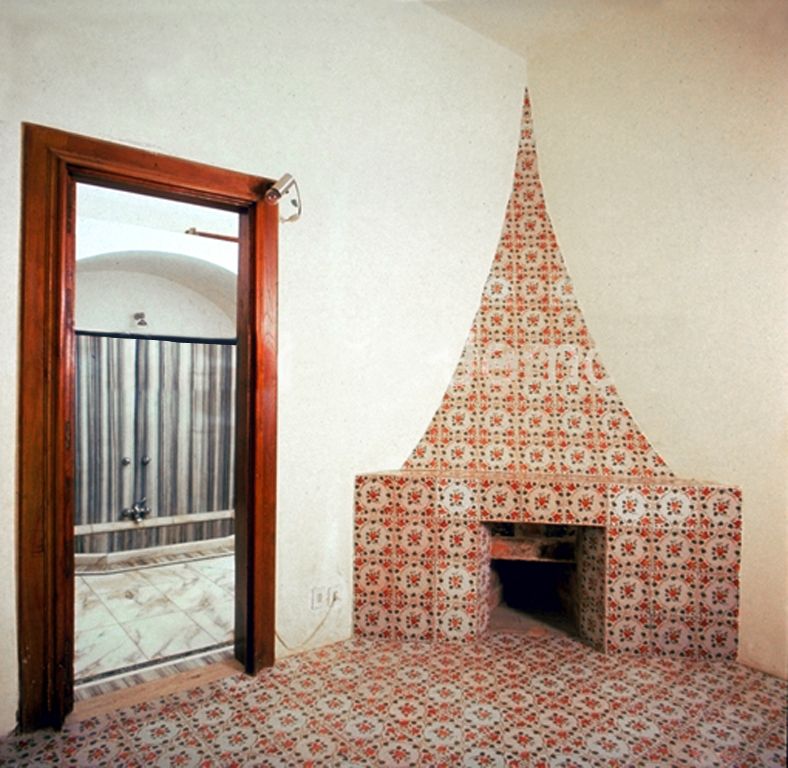
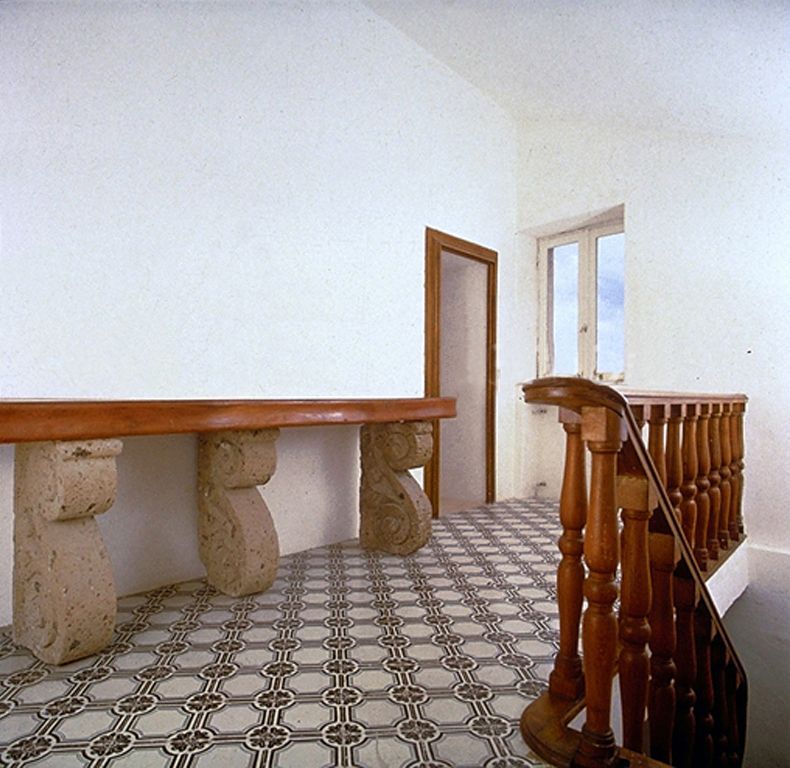
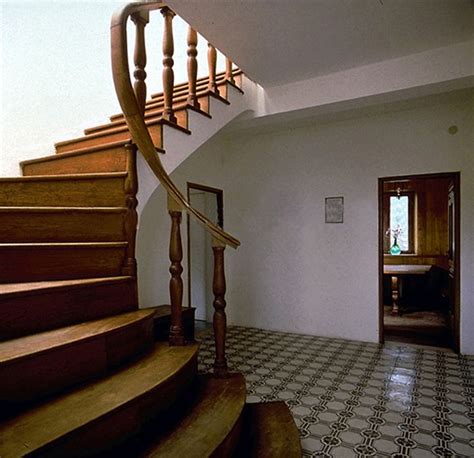
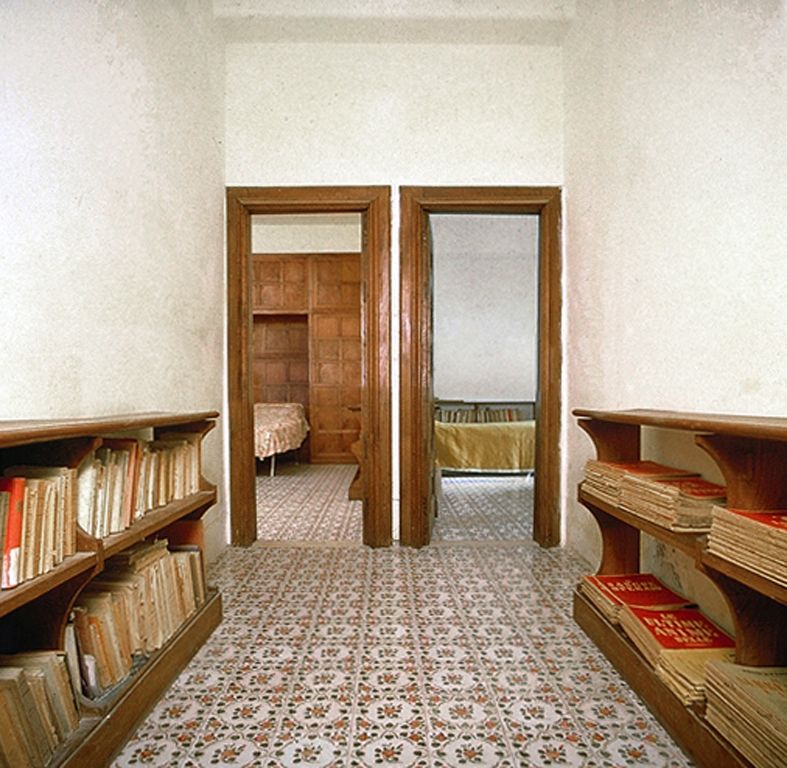
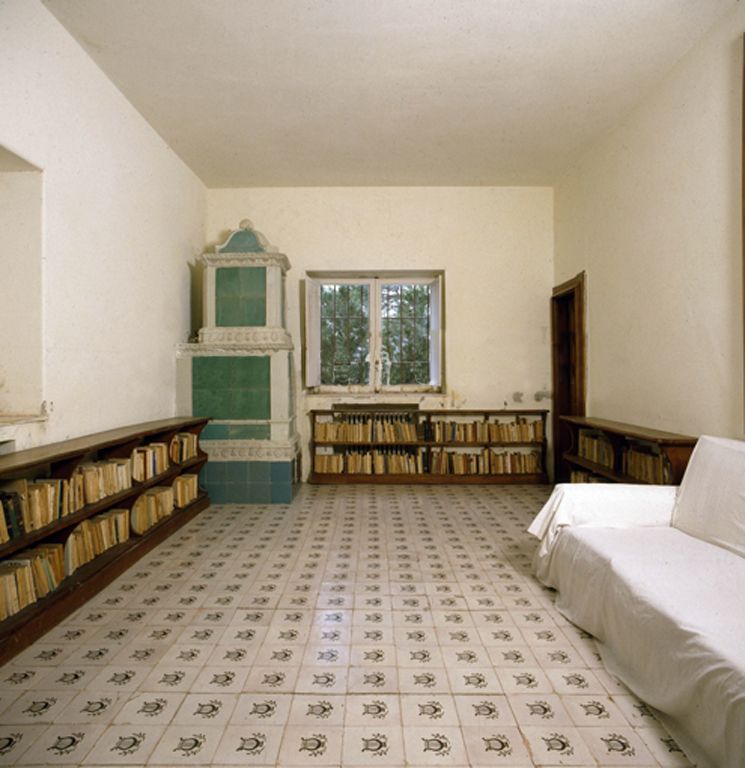
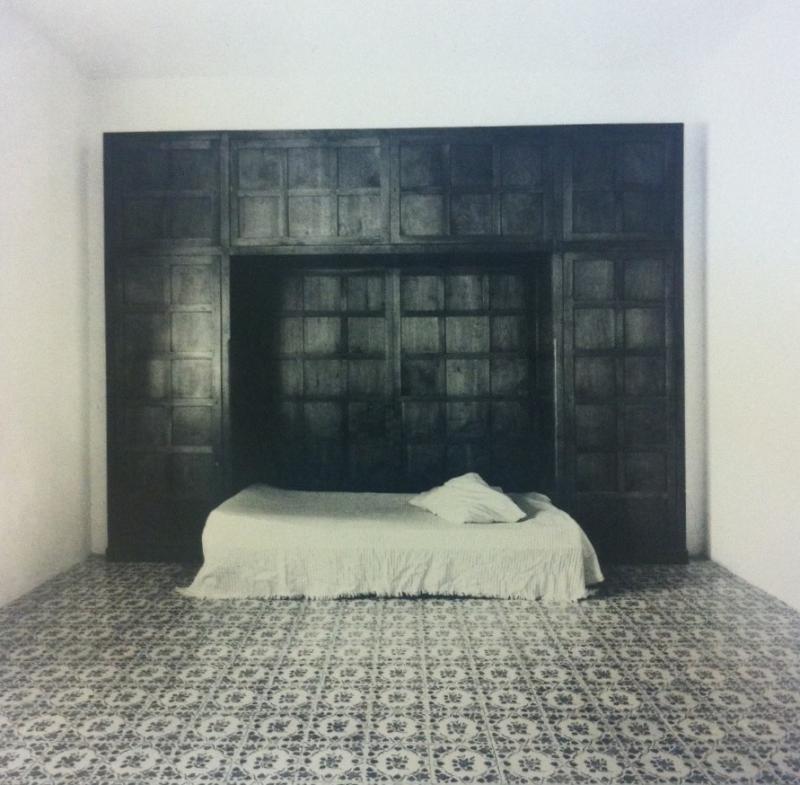
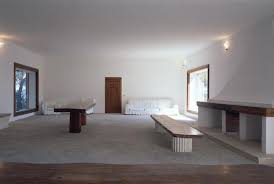
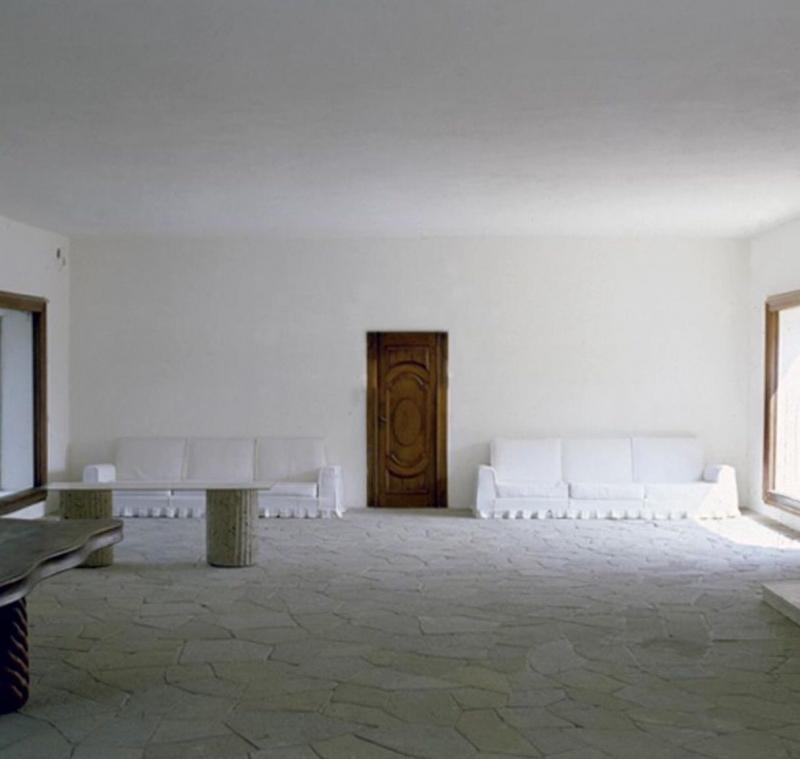
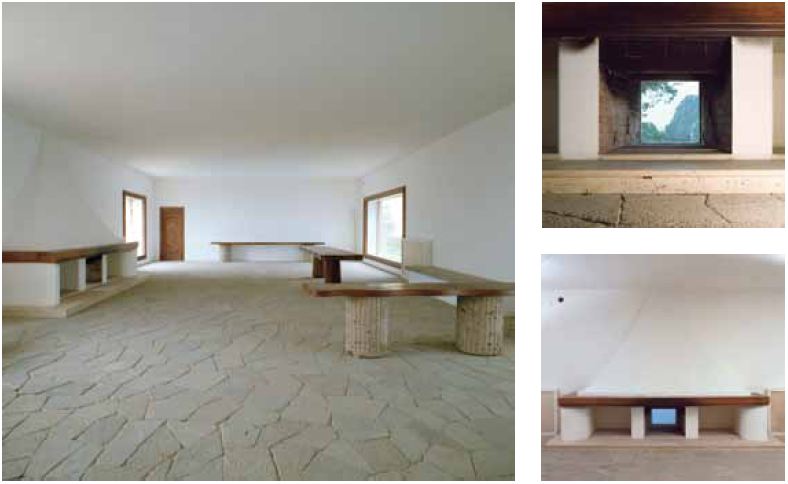
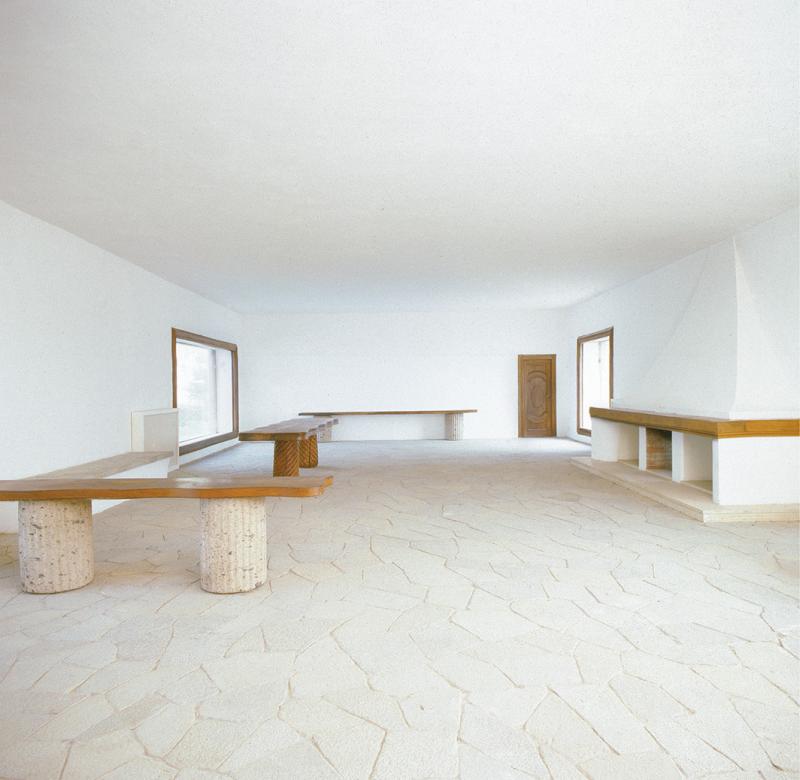
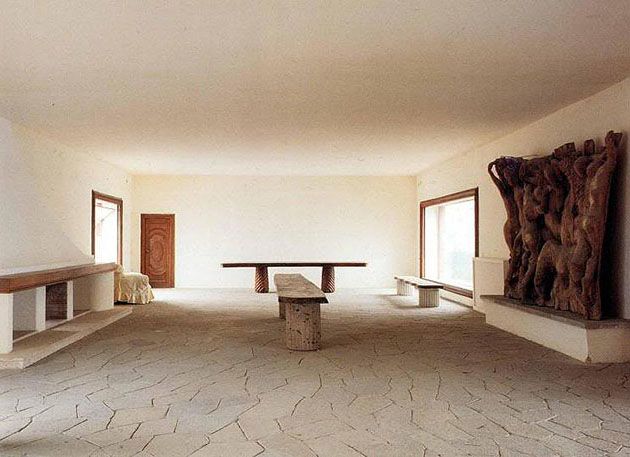
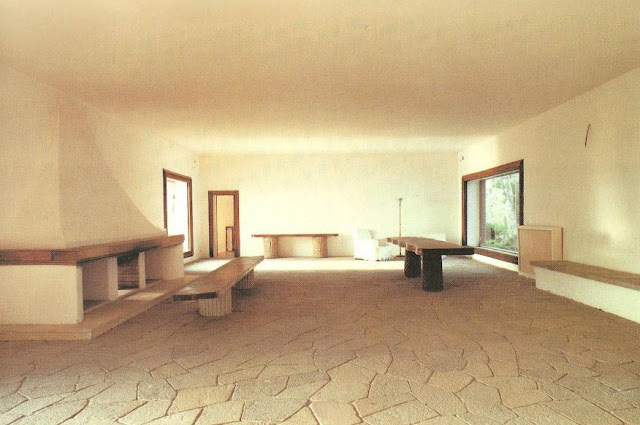
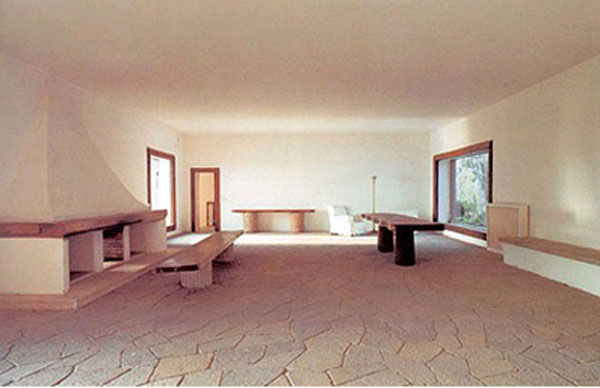
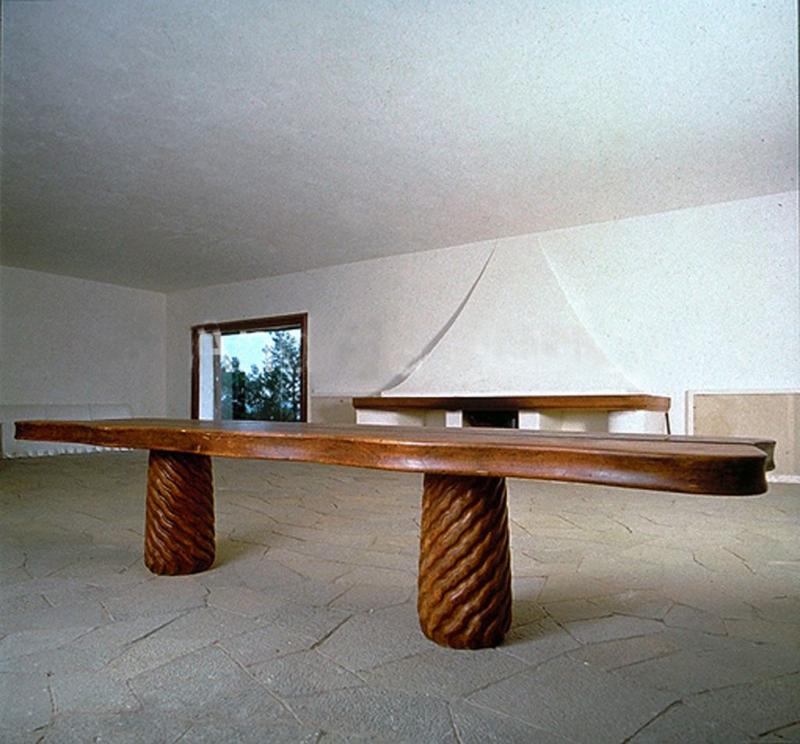
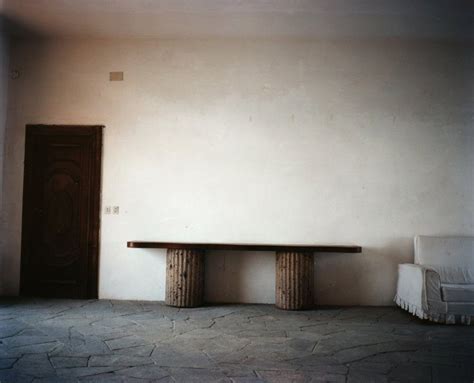
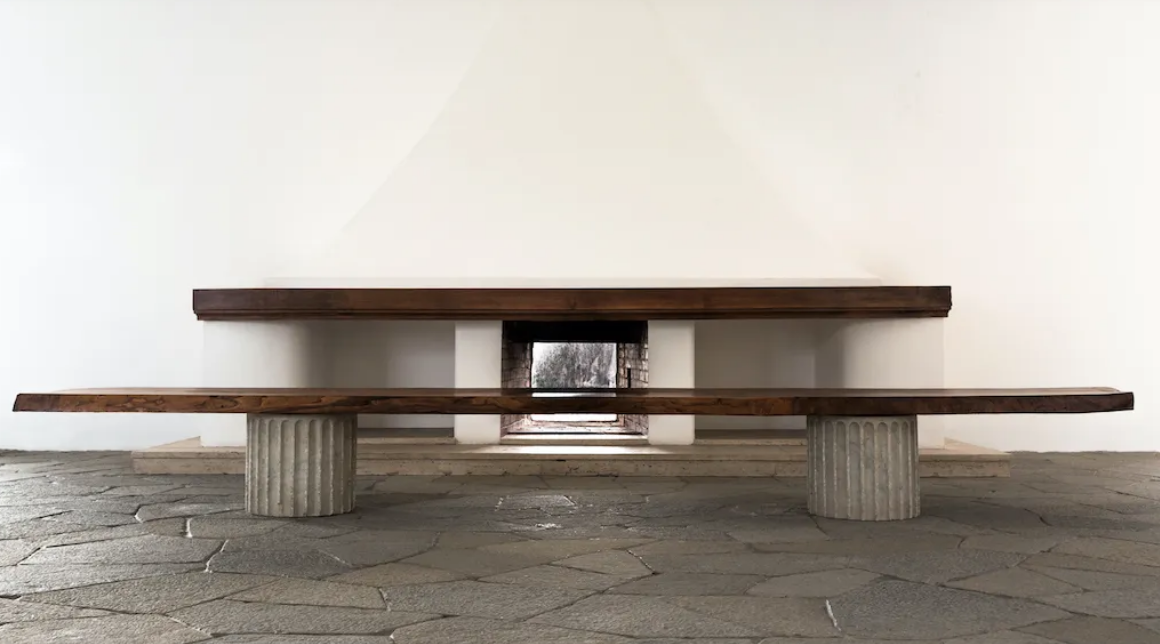
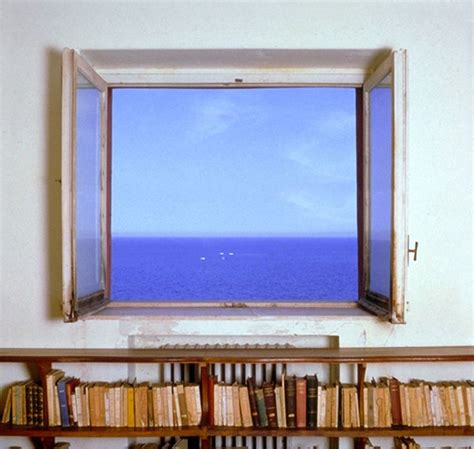
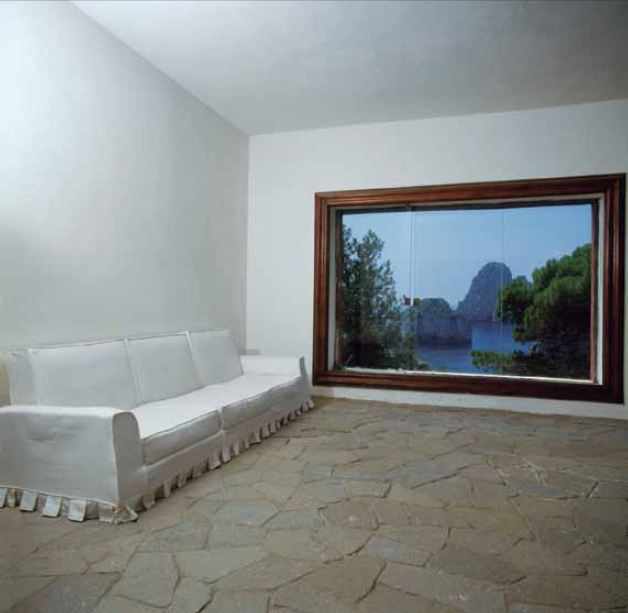
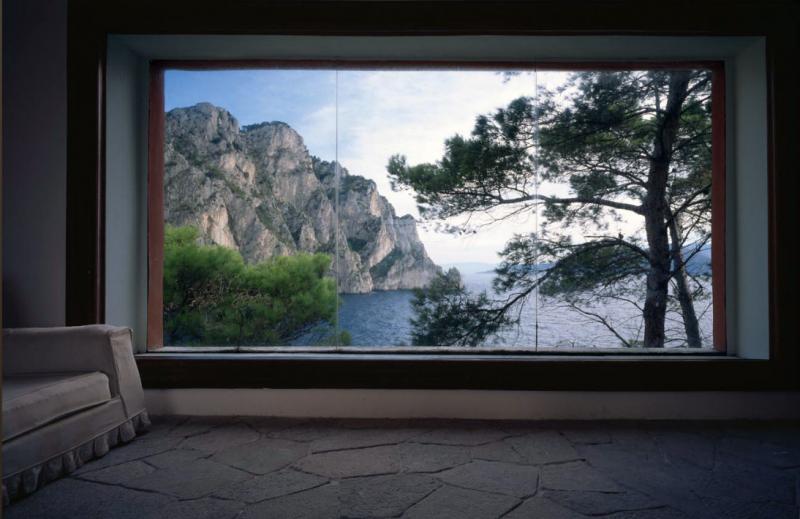
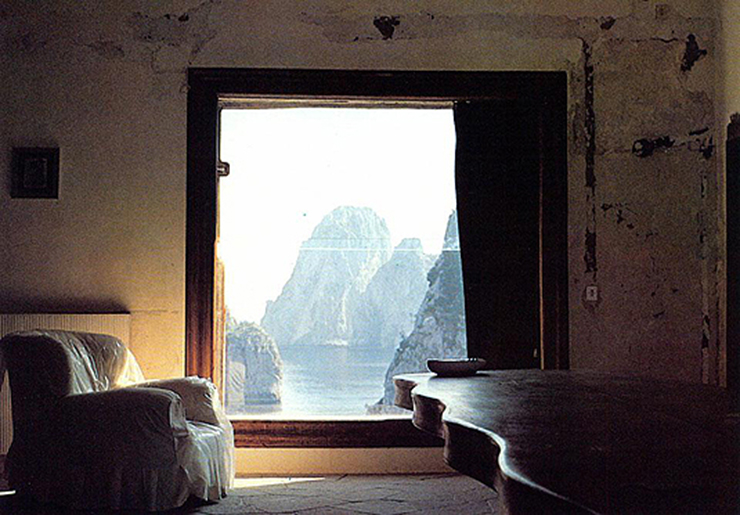
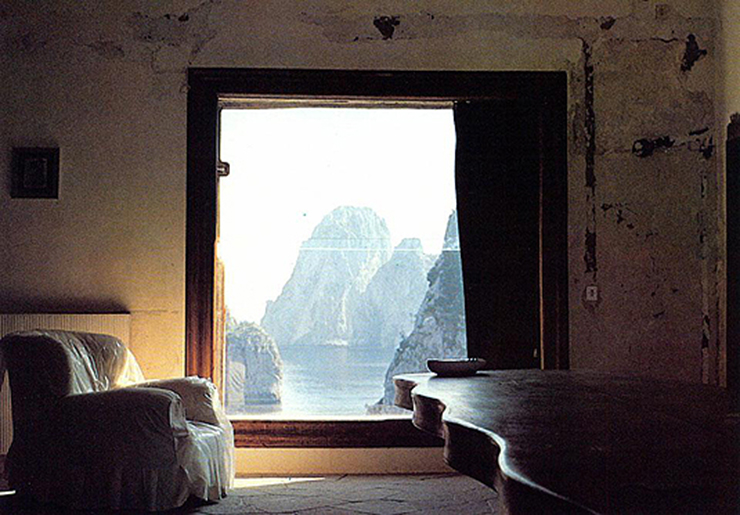

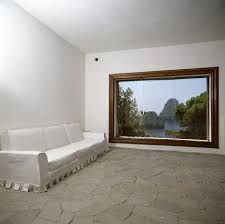
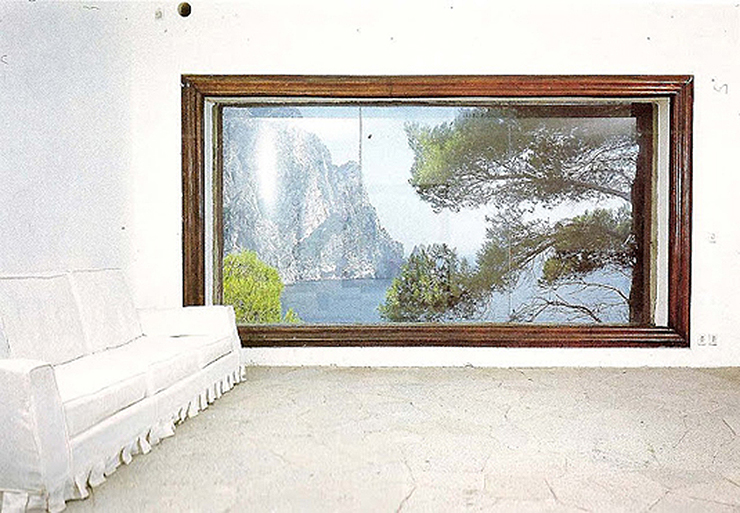
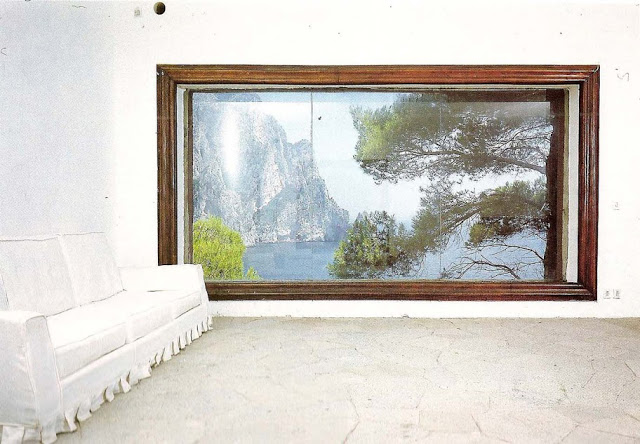
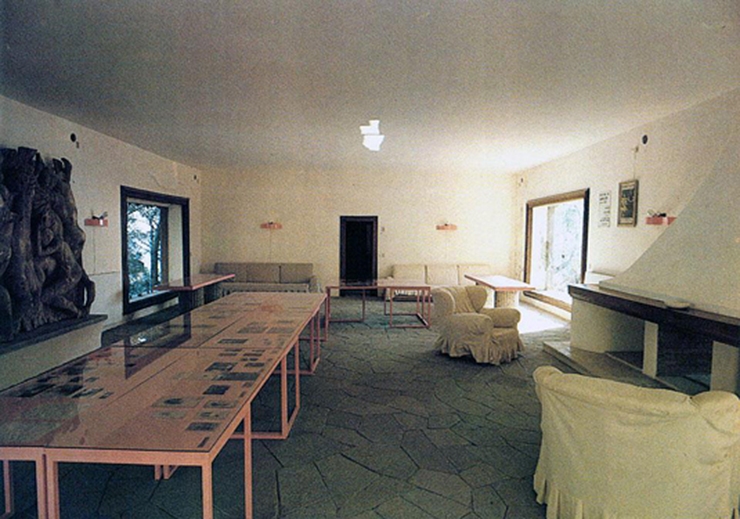

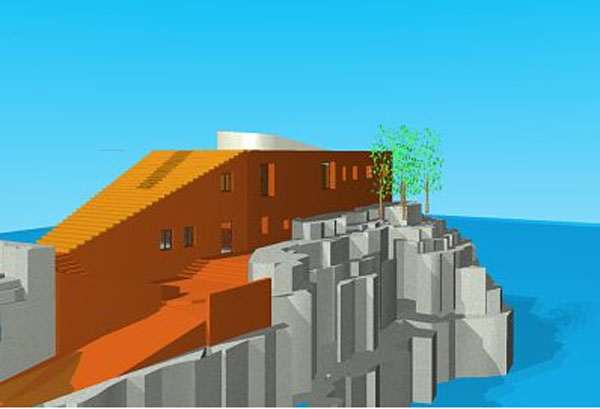
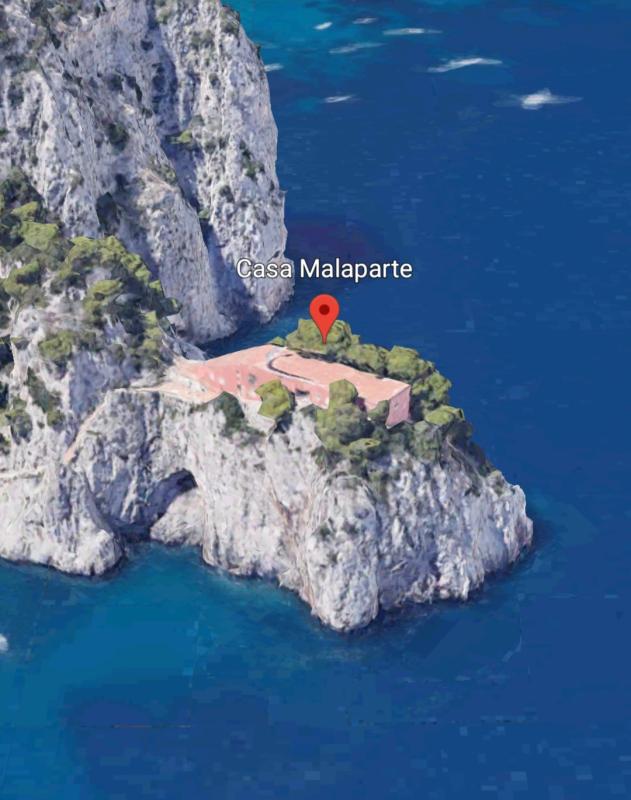
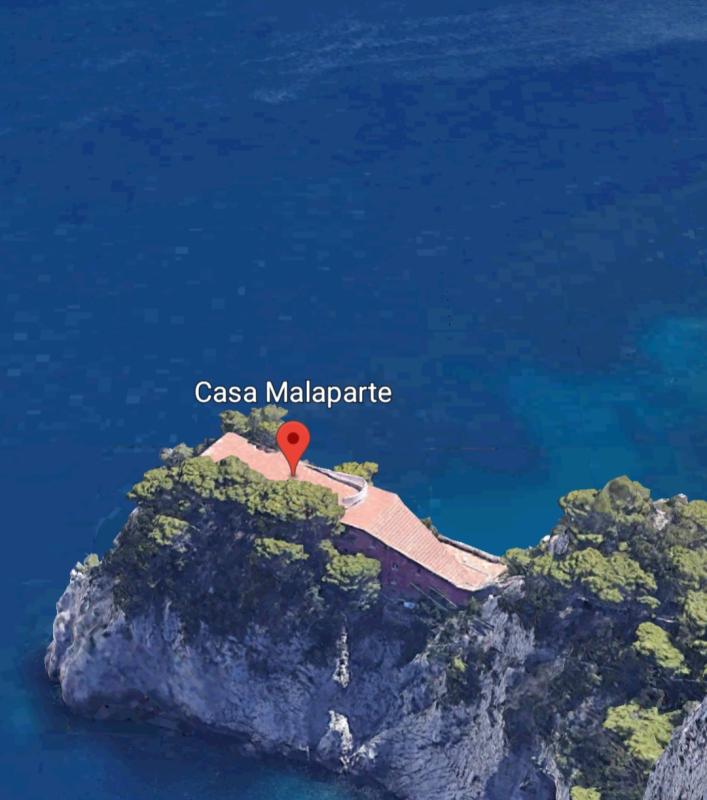
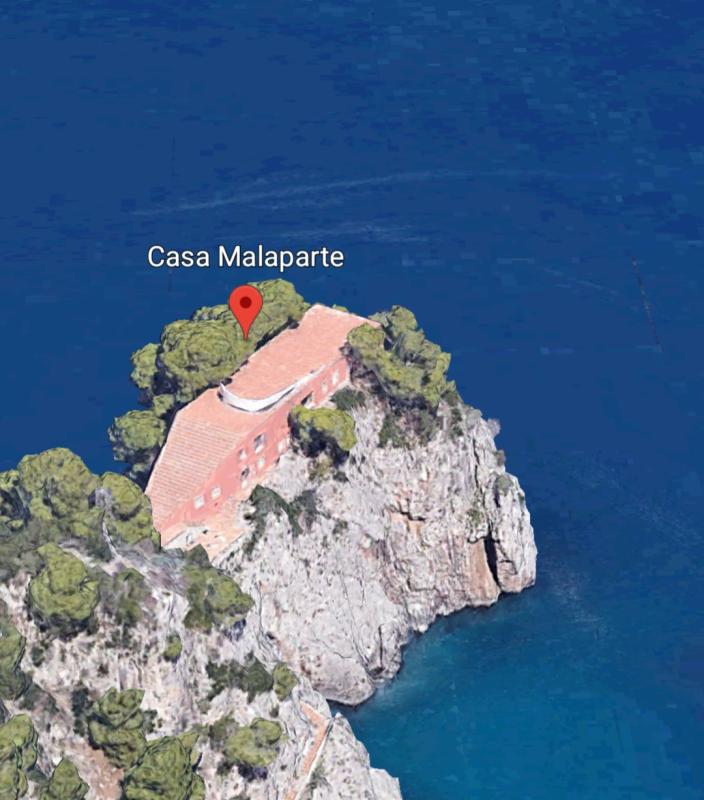
This project is one of the most symbolic and important modern works of the 20th century in Italy. The owner, Curzio Malaparte (a writer at odds with the fascist regime who had been imprisoned), found his ideal location in Masullo, a cliff on the island of Capri (where he wanted to build a spiritual retreat). He commissioned the project from the rationalist architect Adalberto Libera. However, he was not satisfied with the proposed design, finding it too linear and resembling a bunker. Disagreements between the owner and the architect led to a falling out, and Malaparte himself, with the help of construction workers, finished the building.
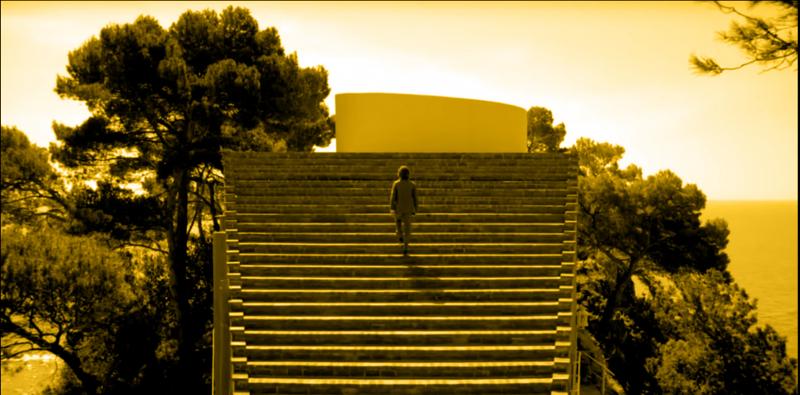
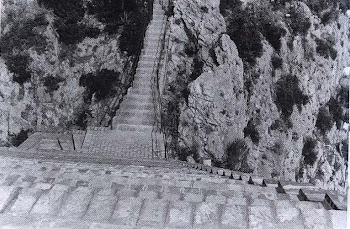
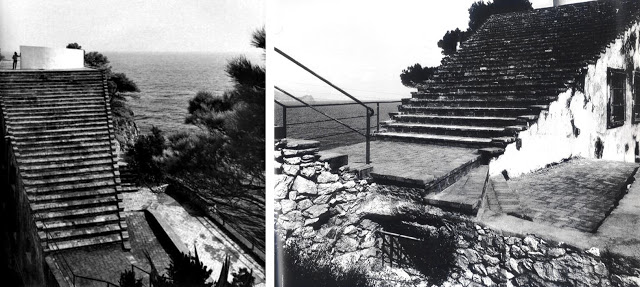
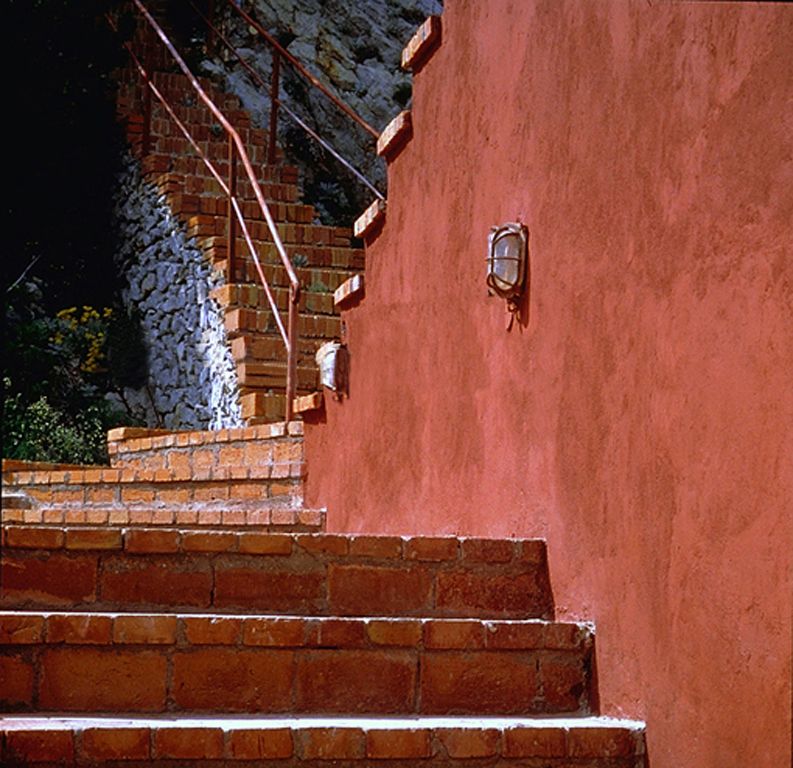
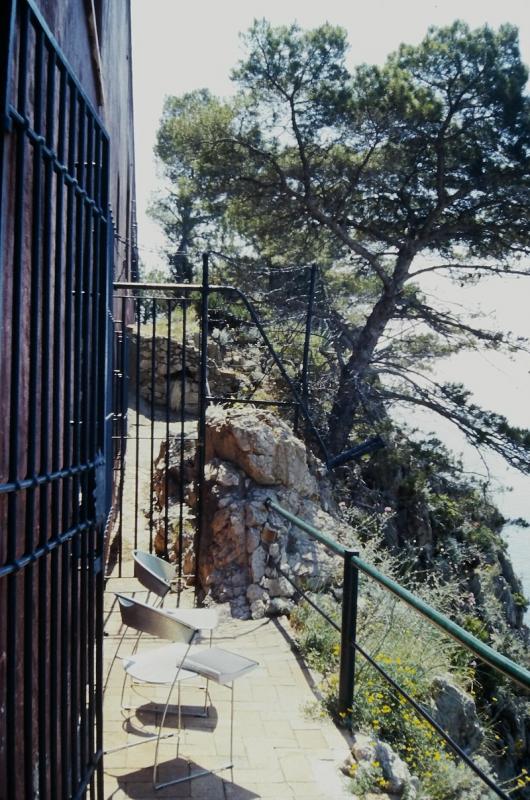
The project sought a place of solitude and love, something he truly felt was his own, imbuing the work with all his tastes and personality, reflecting his desire for freedom "with metaphysical and even surreal aspects" that merge the house and the landscape. Its access via a winding path, a ritual staircase, a ceremonial platform, a jetty, and a rocky reef, marks the Mediterranean character of the intervention, in an “impossible place” that projects you toward infinity. Transforming this indeterminate and anonymous non-place into a unique and unrepeatable one.
His arrogant and proud attitude during the construction of the work embodied his deepest desire: “Now I live on an island, in an austere and melancholic house, which I have built myself on a solitary cliff above the sea. The image of my longing.”