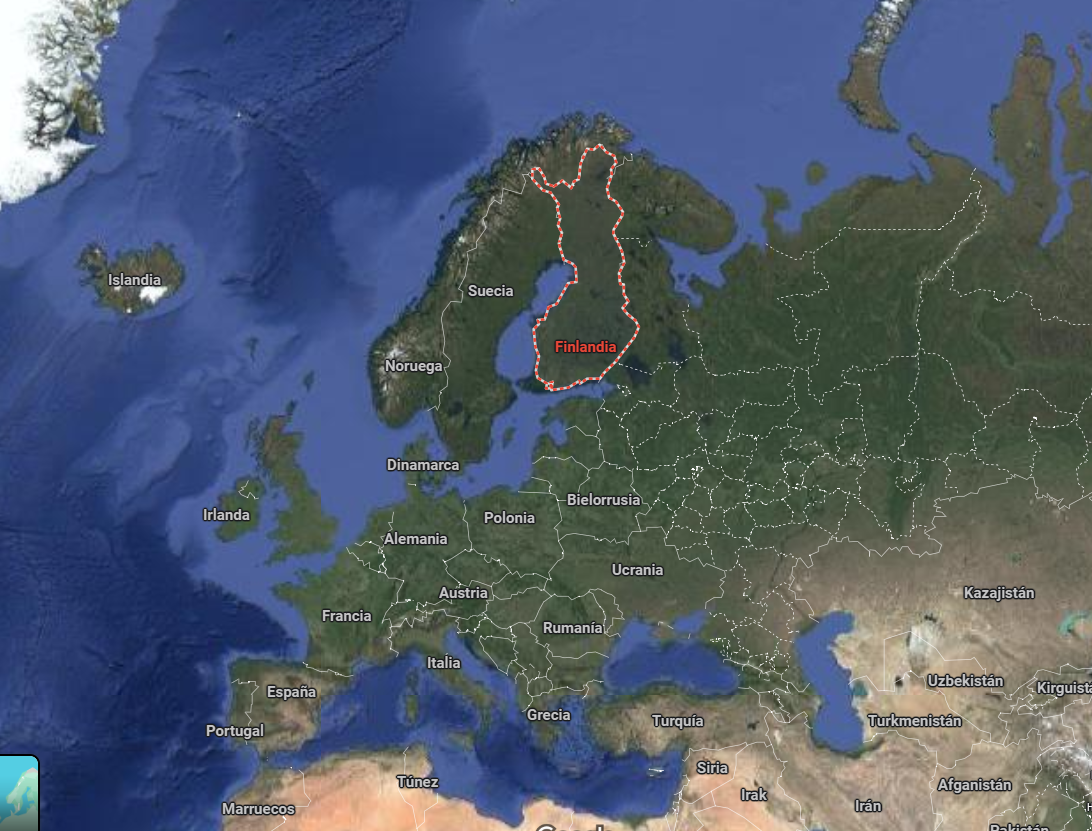
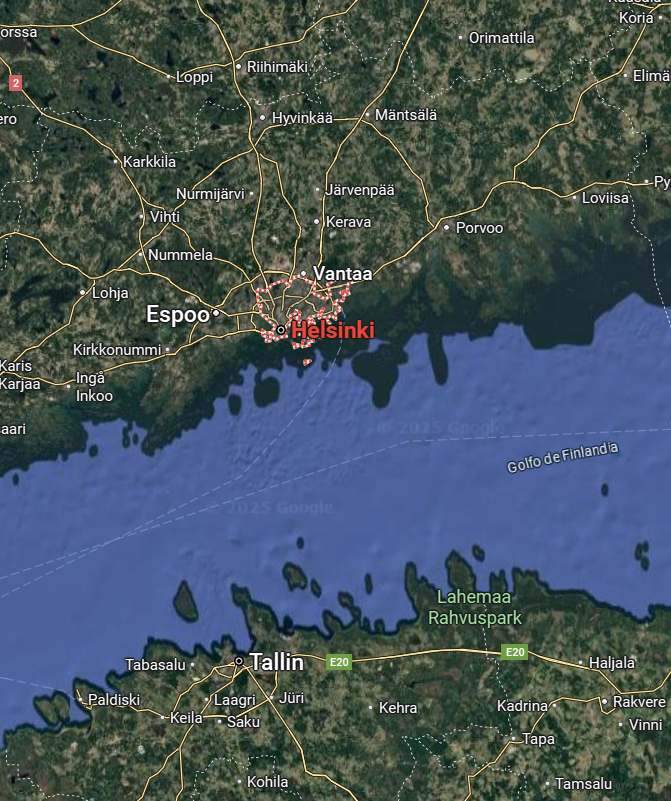
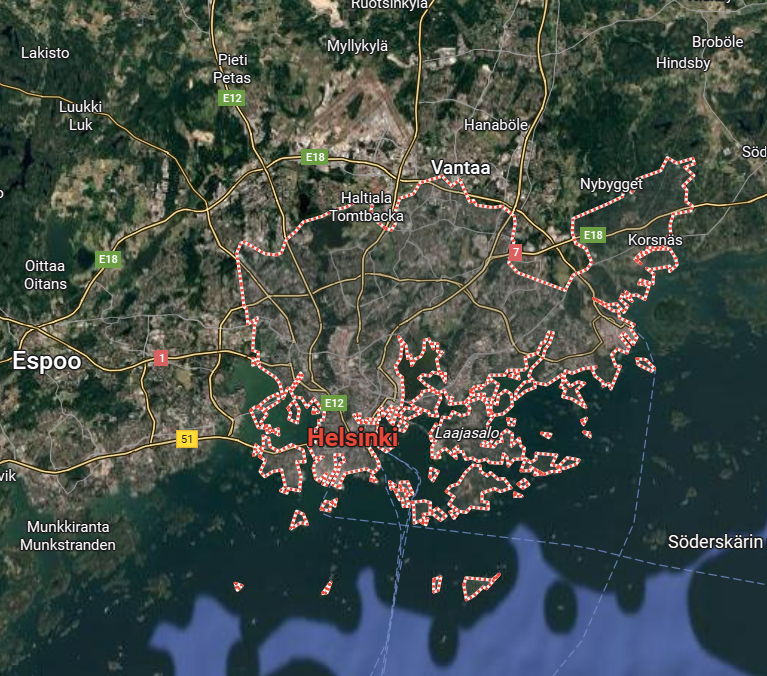
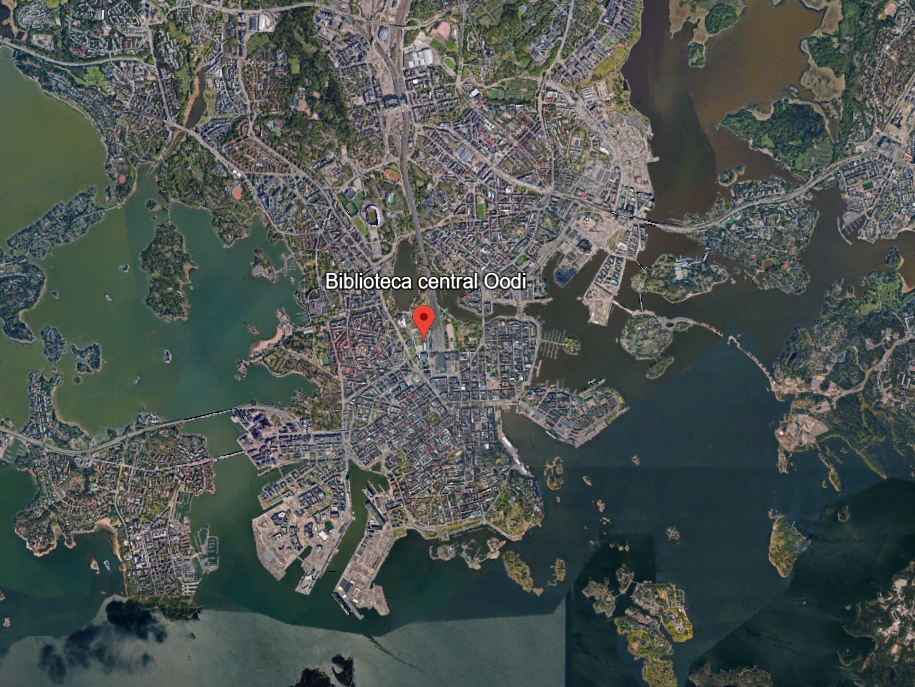
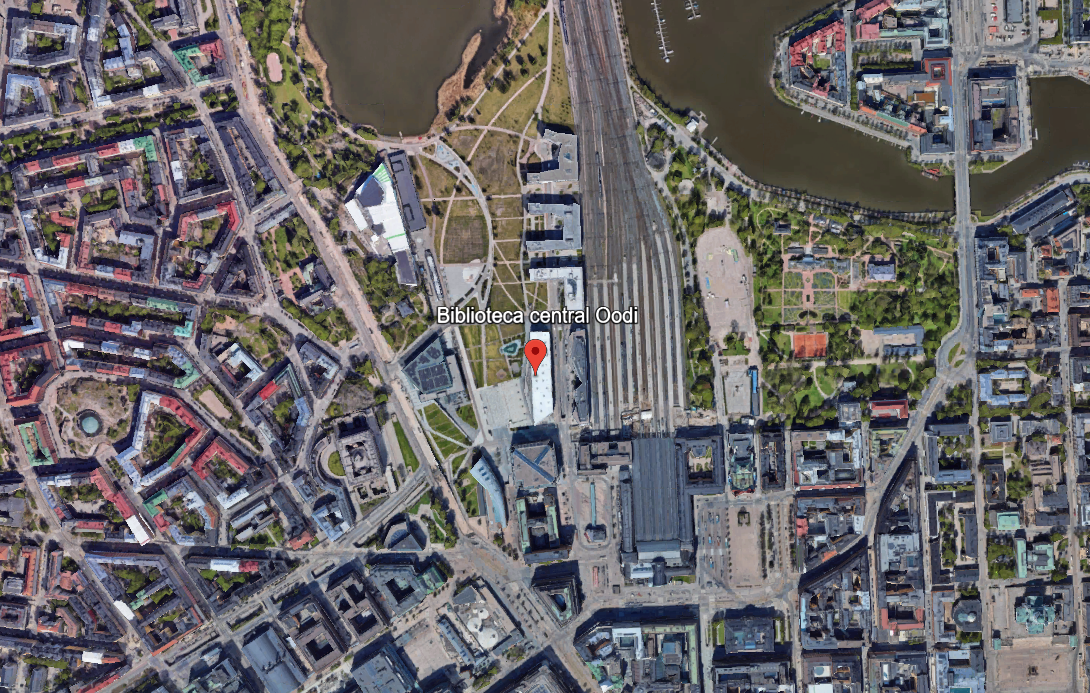
The entrance to Helsinki's harbor offers a striking architectural panorama, set against a backdrop of elevated hills that reveal the historical character of its architecture (the Protestant St. Nicholas Cathedral, the Orthodox Cathedral, the Supreme Court, Helsinki City Hall, the National Library of Finland, etc.).
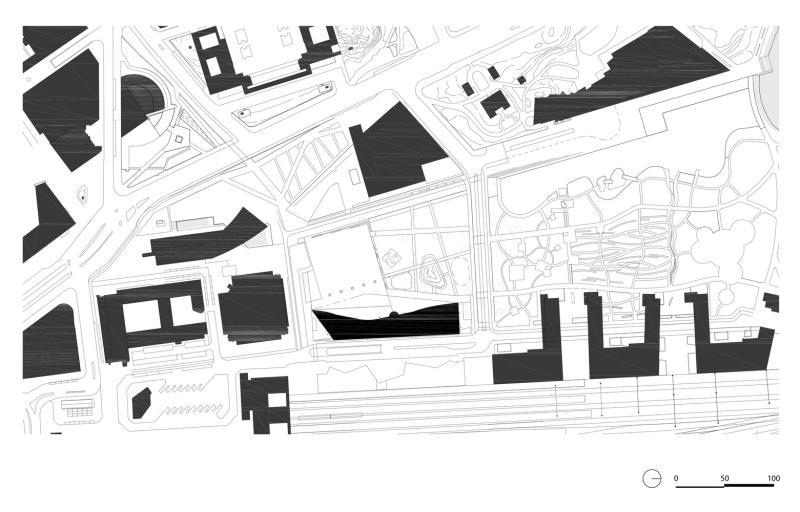
Just behind this iconic image, the Finnish capital gradually expanded inland, where, combined with new transportation infrastructure (the Eliel Saarinen Helsinki Railway Station, 1904-1919) and the current E-12 highway, prominent buildings were constructed (Parliament, the National Museum of Finland, Finlandia Hall, the Kiasma Museum of Contemporary Art, Mussikitalo, etc.), shaping its new identity.
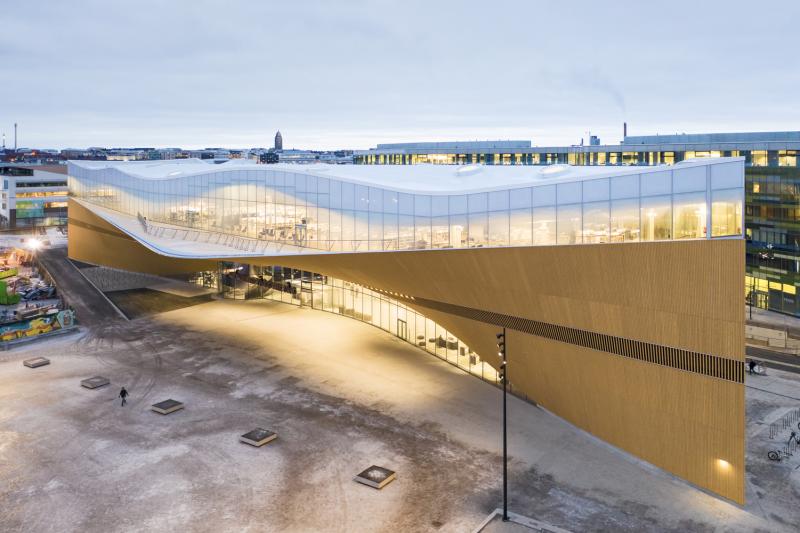
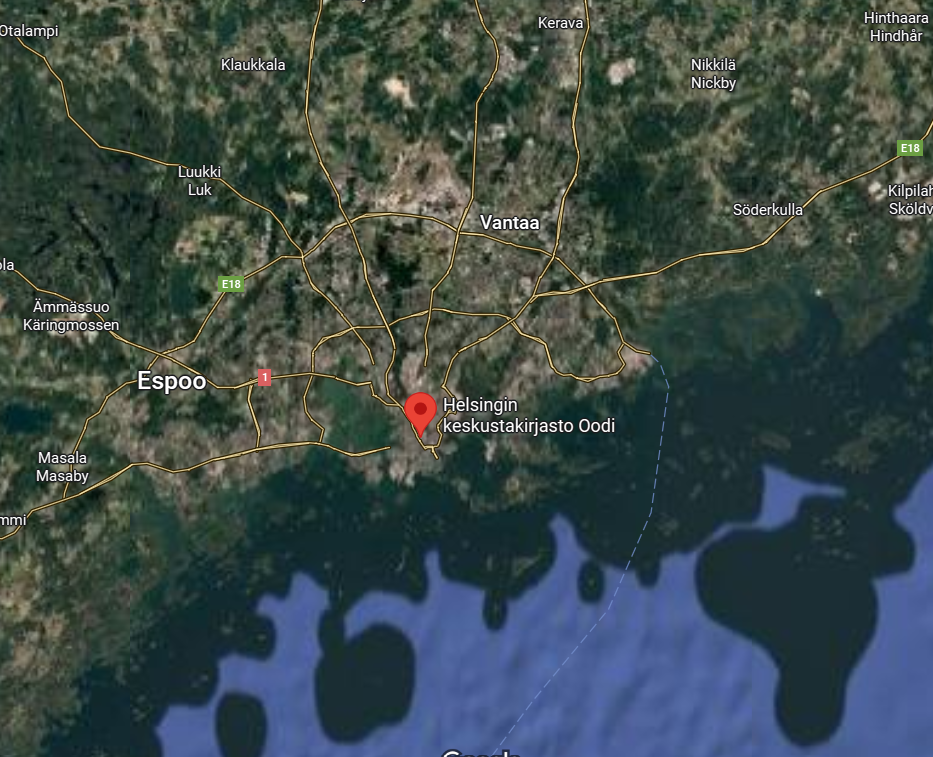
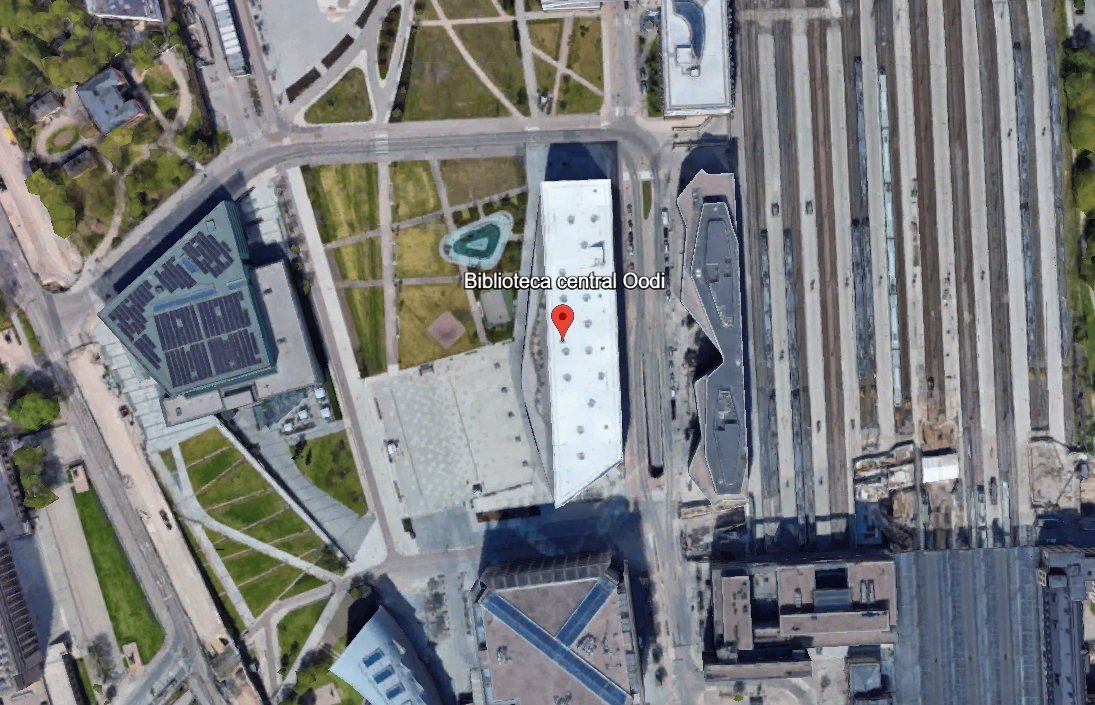
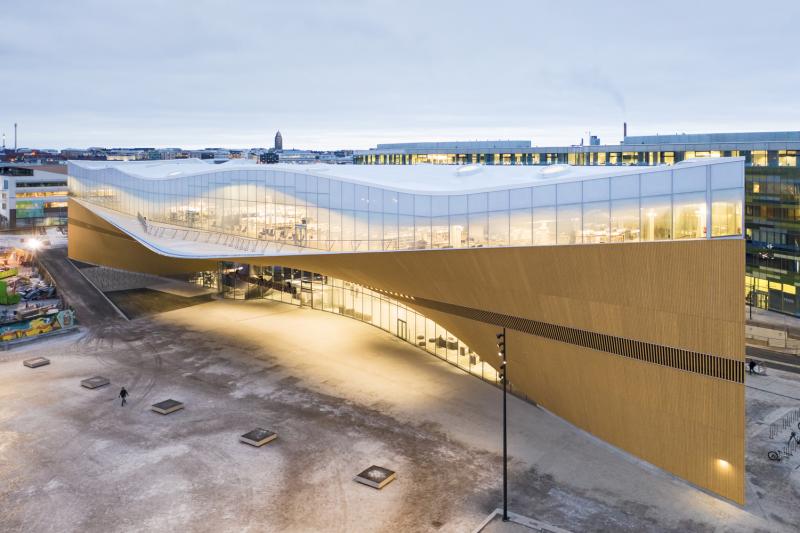
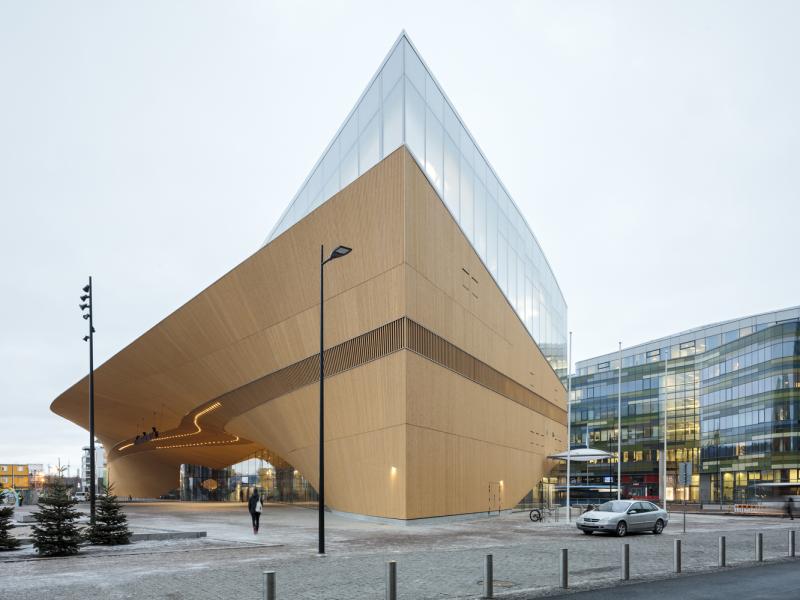
The Oodi Central Library, inaugurated in Helsinki in 2018, is one of the most representative examples of contemporary Nordic architecture. Designed by ALA Architects, it stands as a symbol of openness, modernity, and universal access to knowledge.
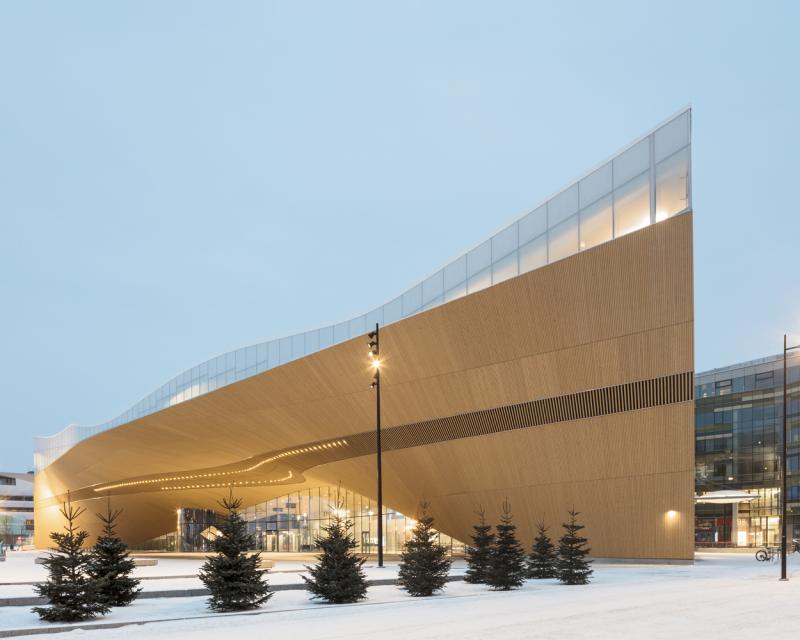
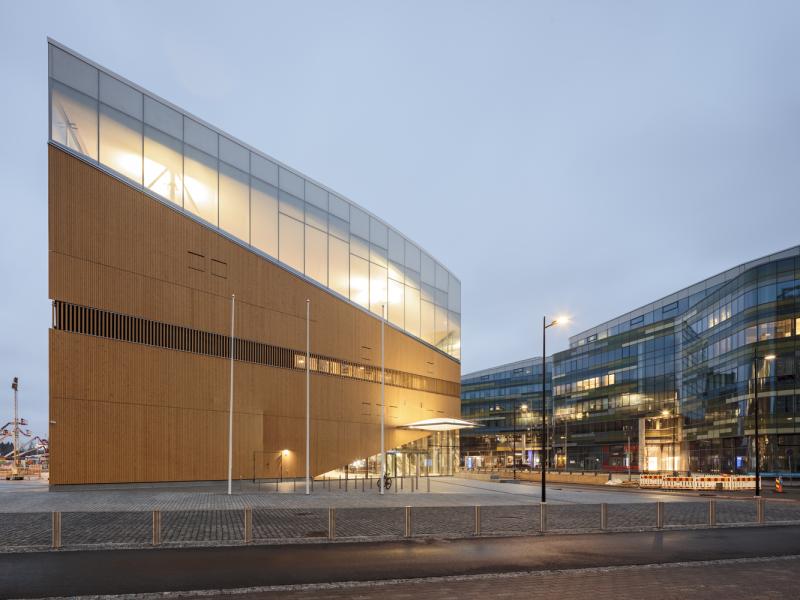
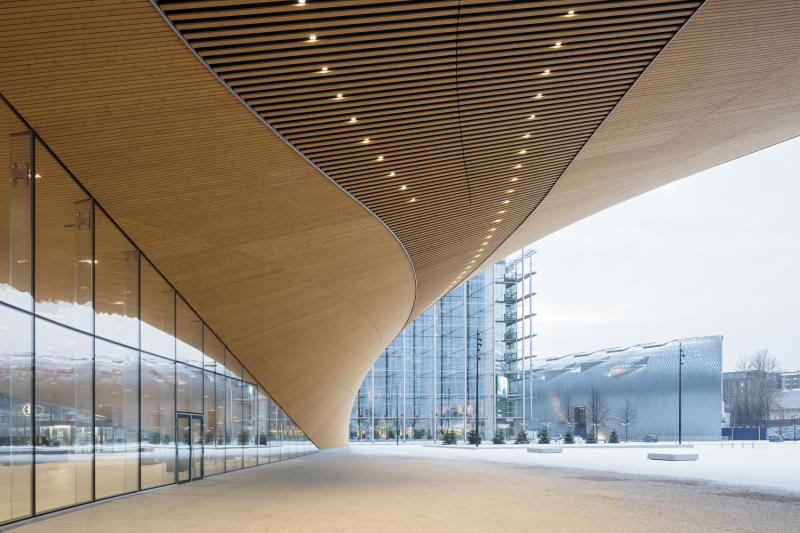
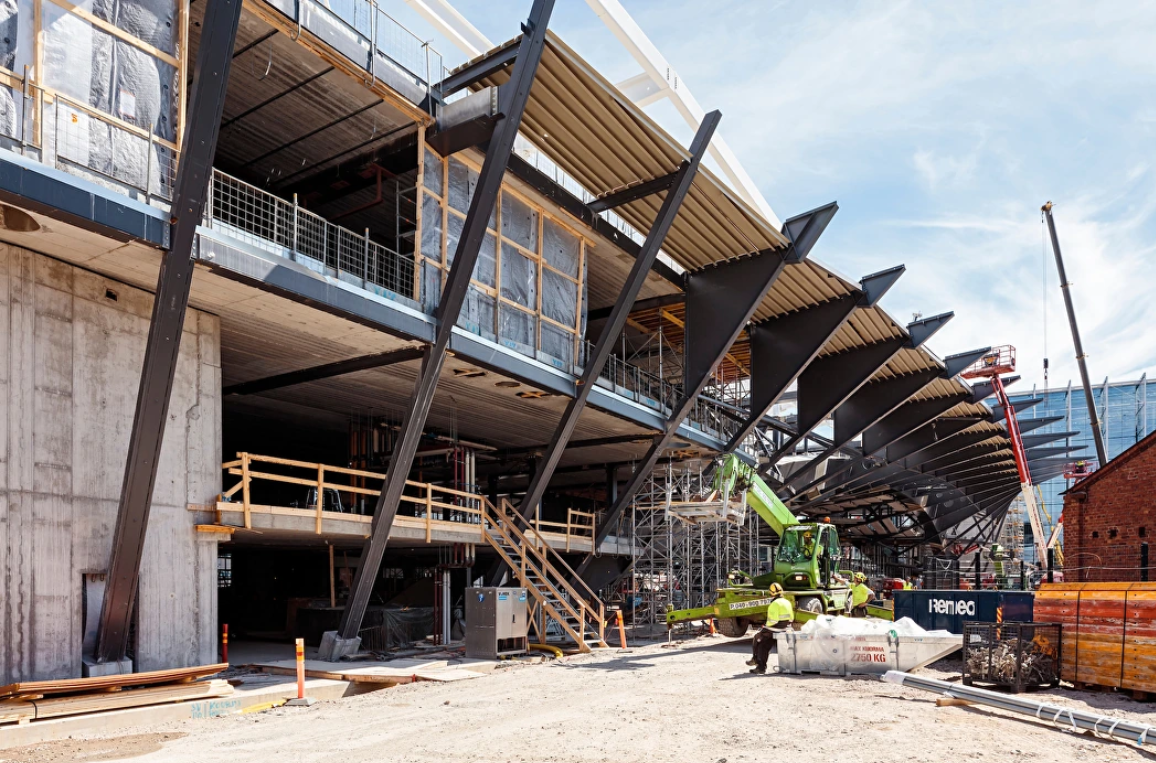
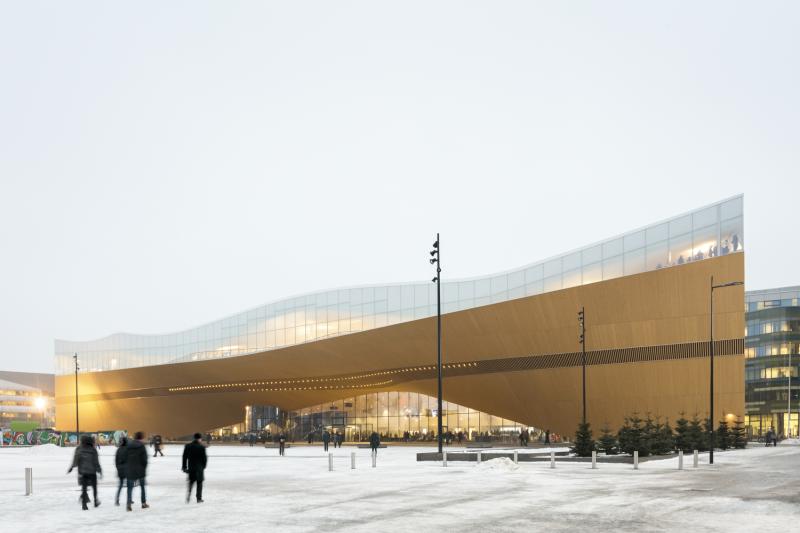
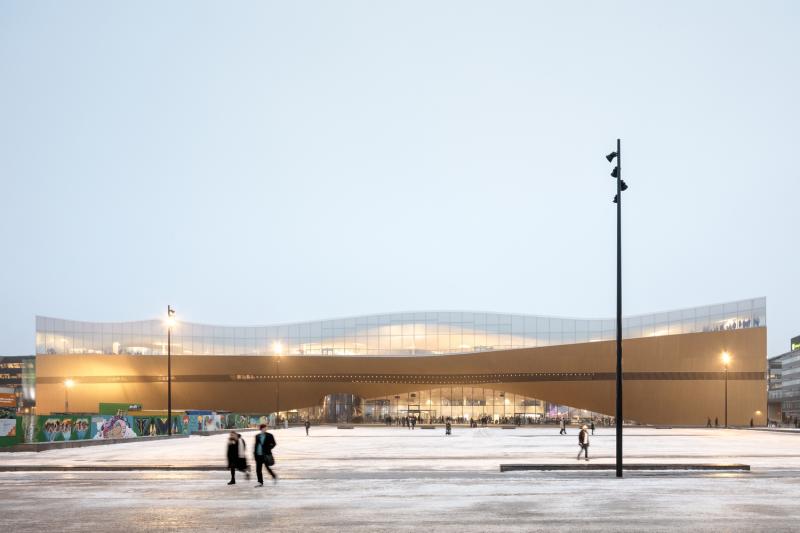
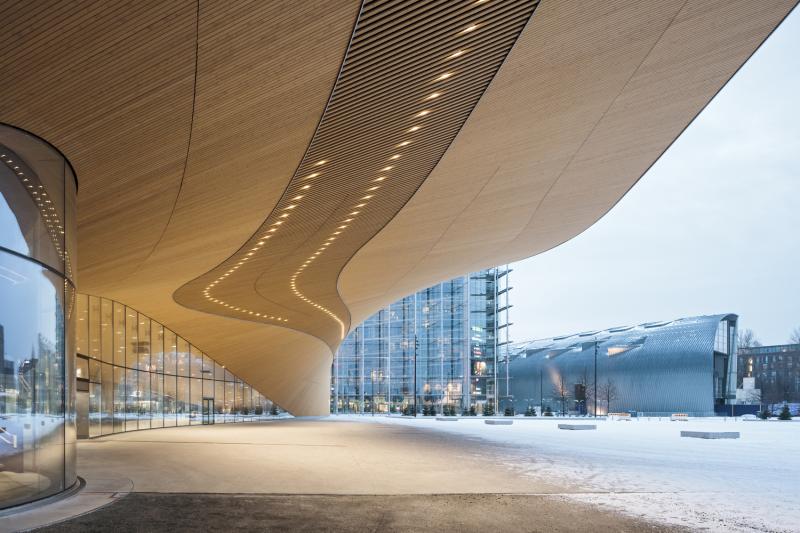
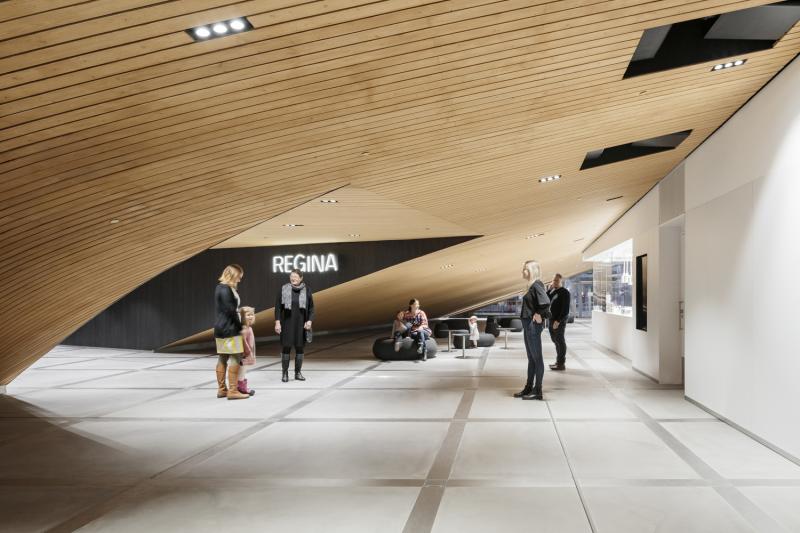
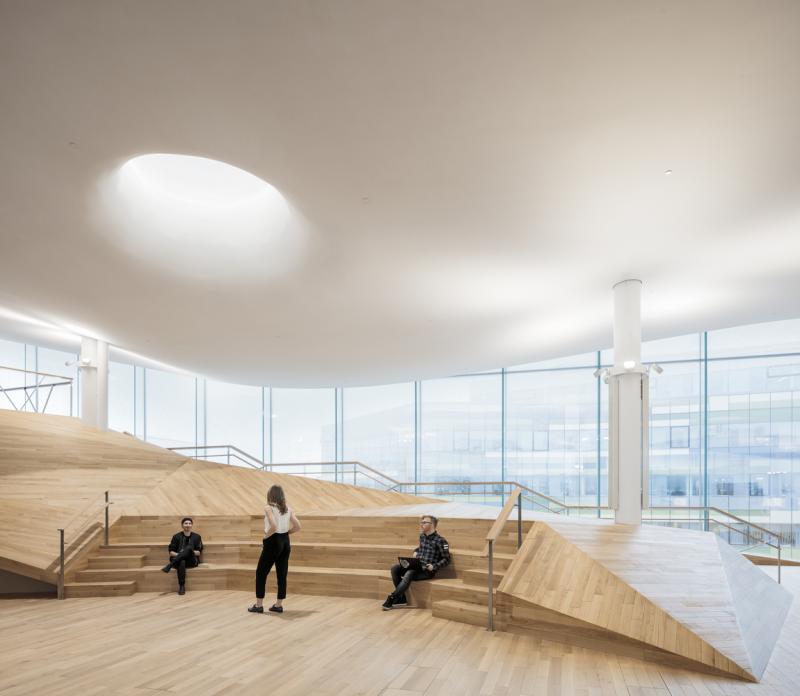
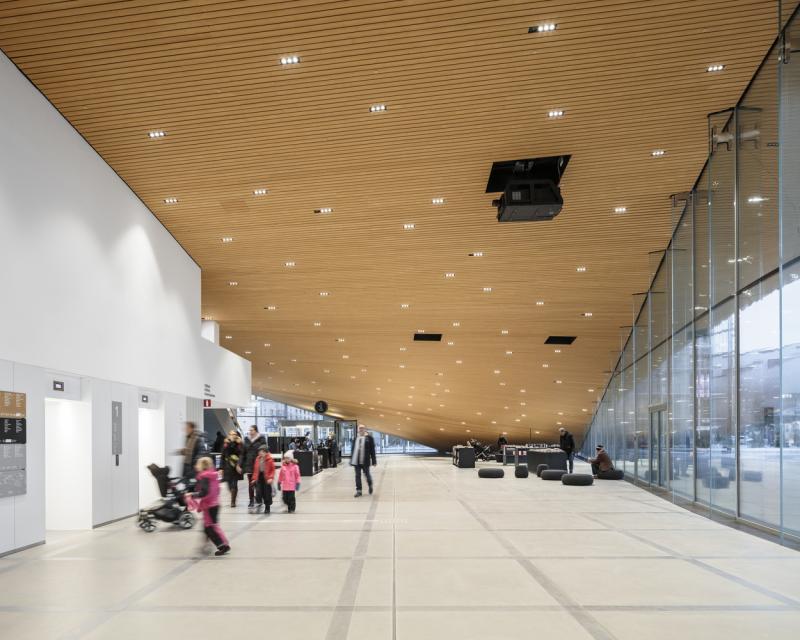
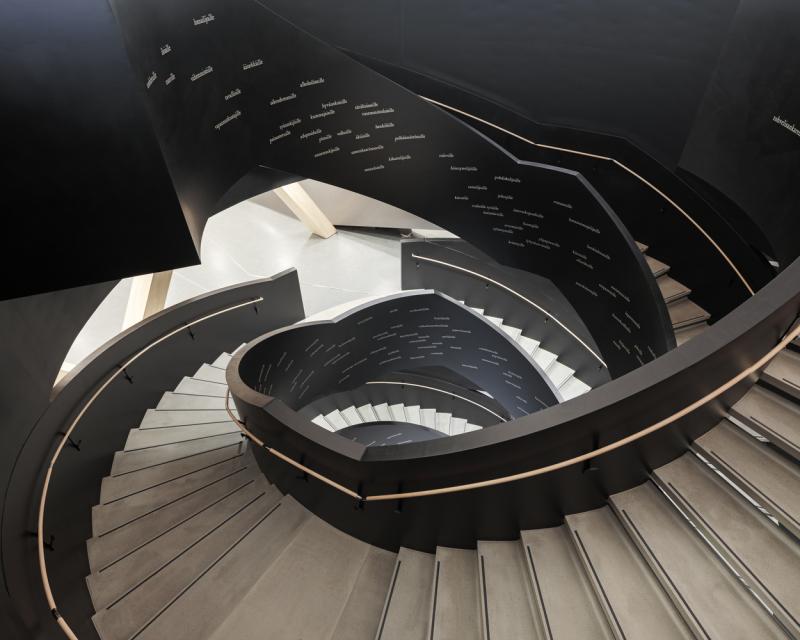
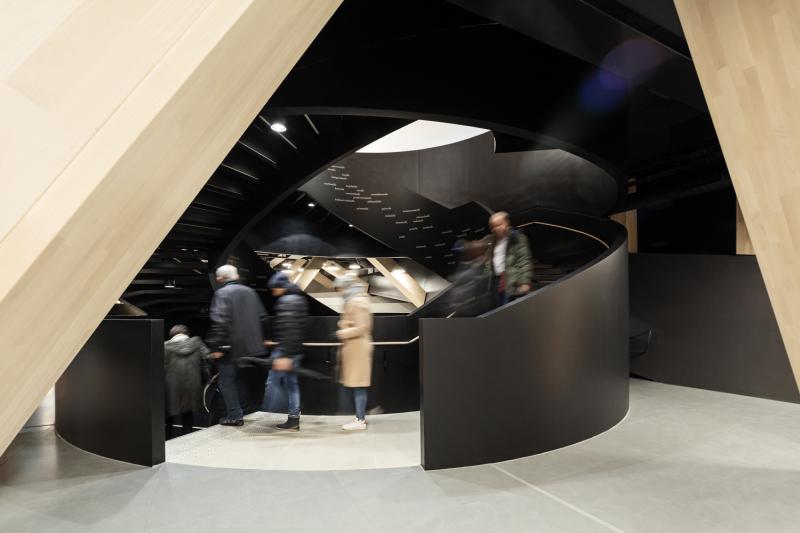
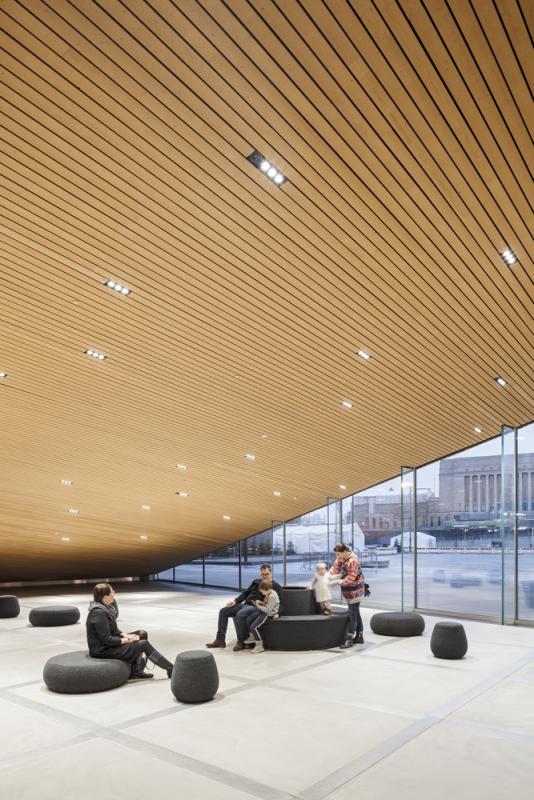
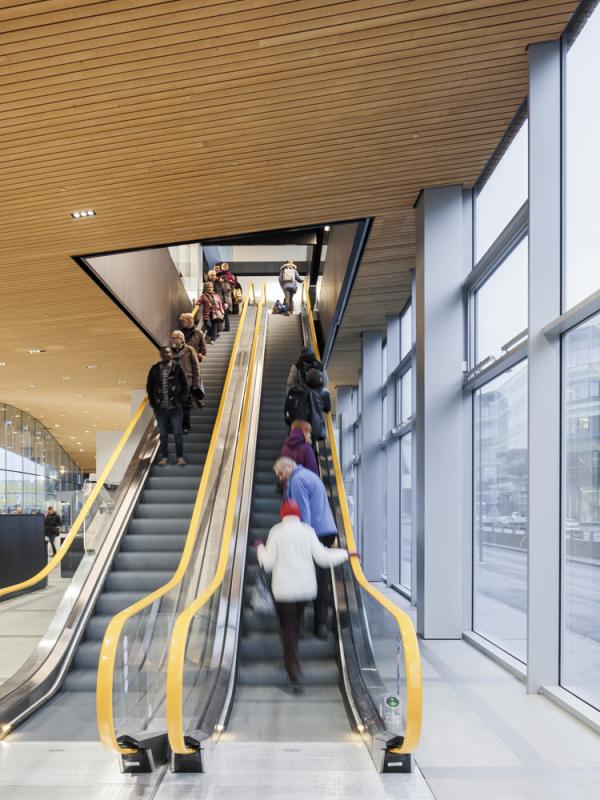
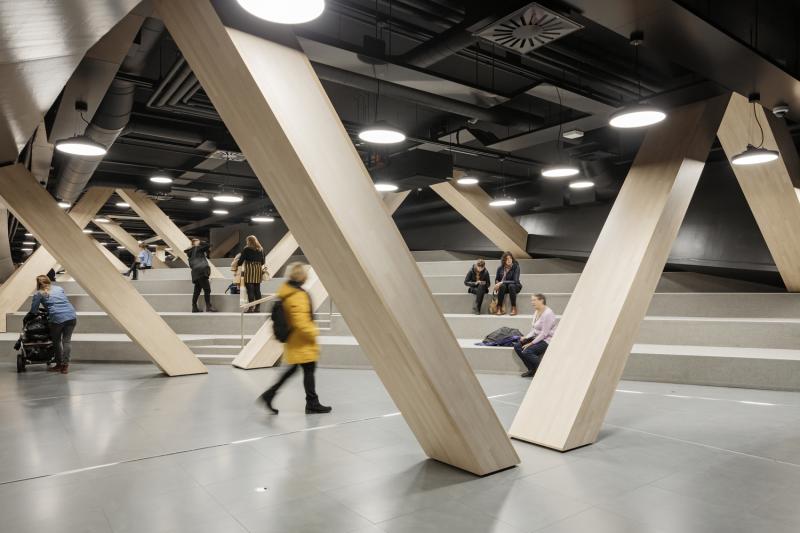
The building combines traditional and modern materials: wood, characteristic of Finnish architecture, provides warmth and a connection to nature, while glass and steel create transparency and lightness. This duality reflects the intention to integrate tradition and innovation, values deeply rooted in Finnish culture.
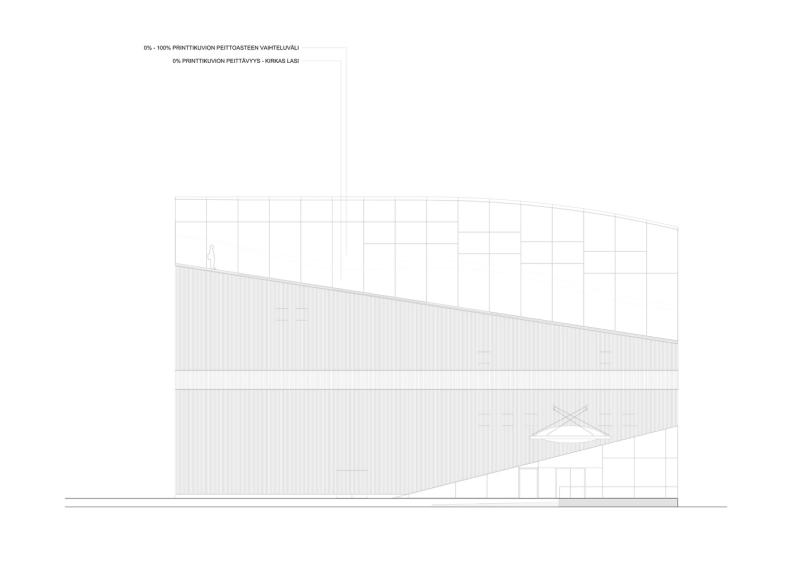
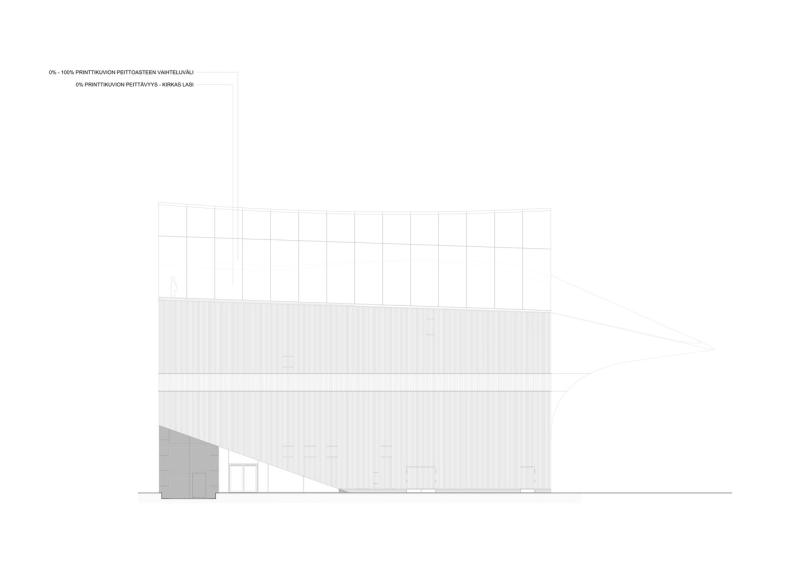
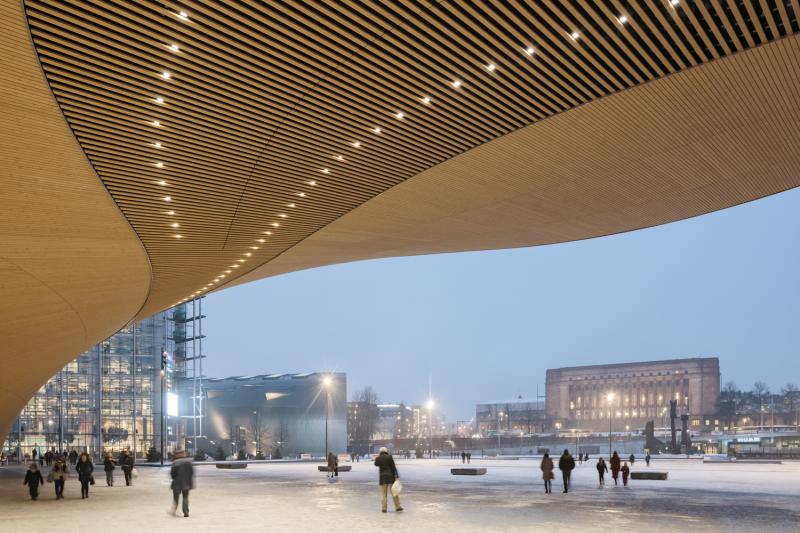
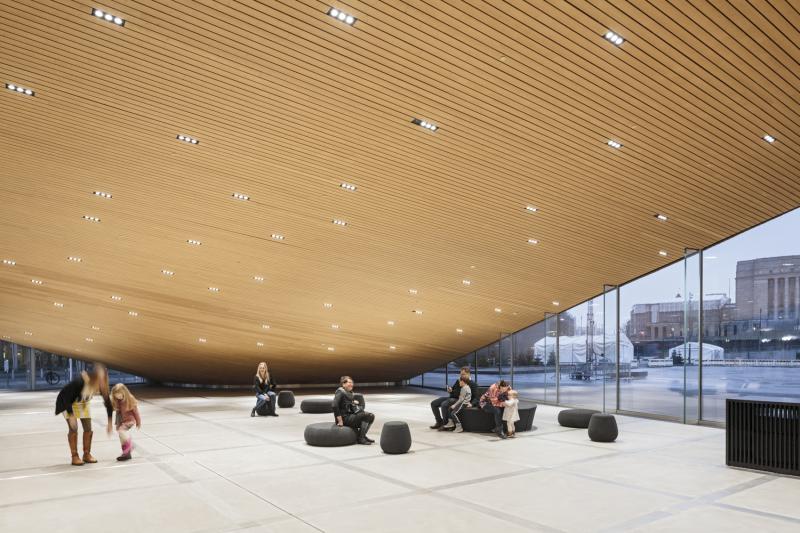
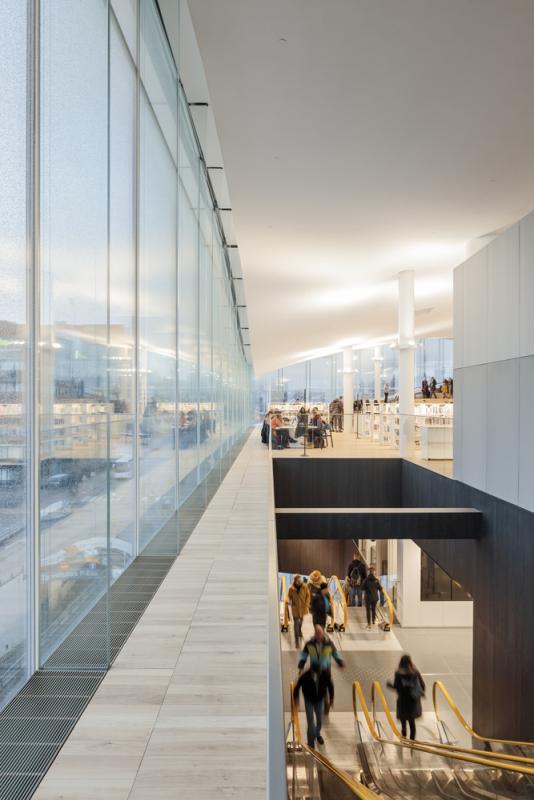
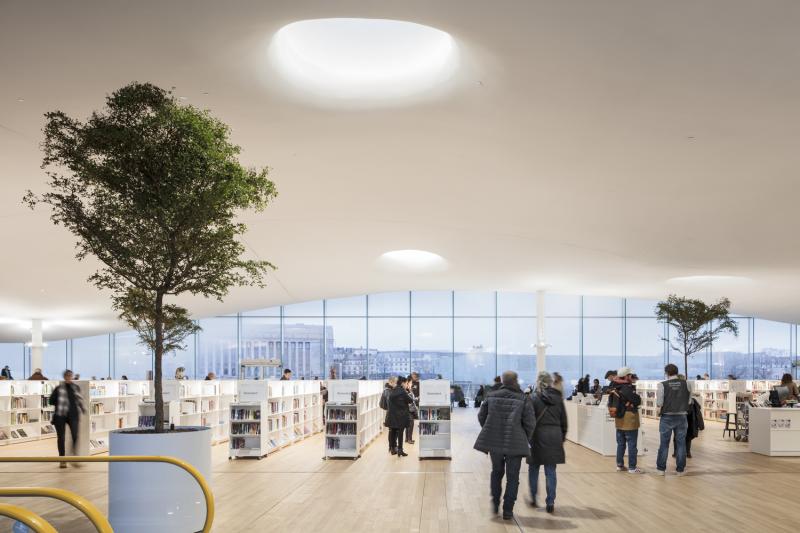
From the outside, the library presents itself as a large, undulating structure. Its curved wooden facade wraps around the central volume, generating a sense of movement and welcome. The expansive windows allow the interior to connect with the city, conveying the idea of an open and democratic space.
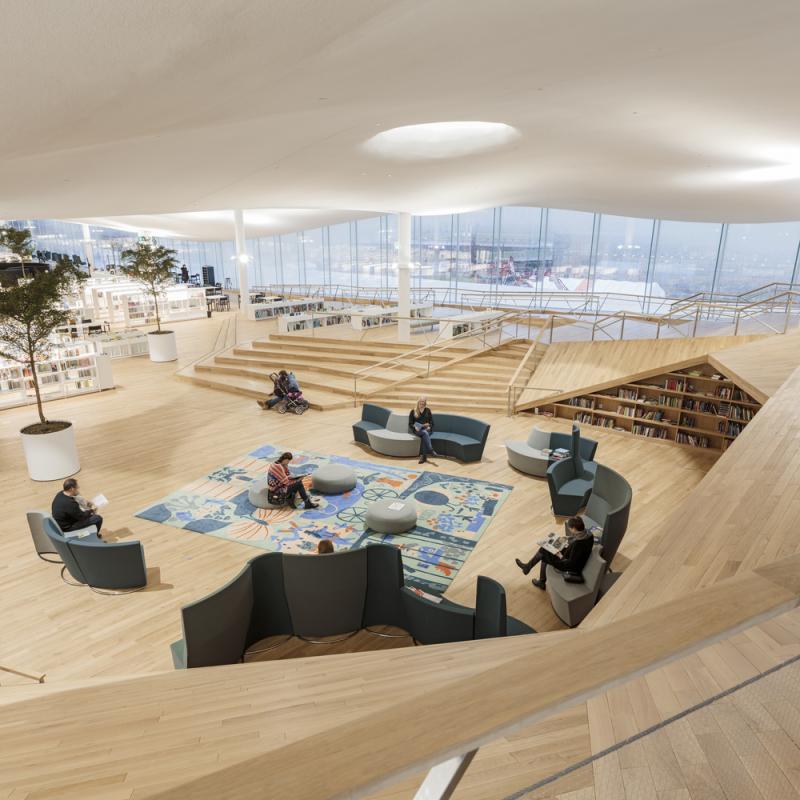
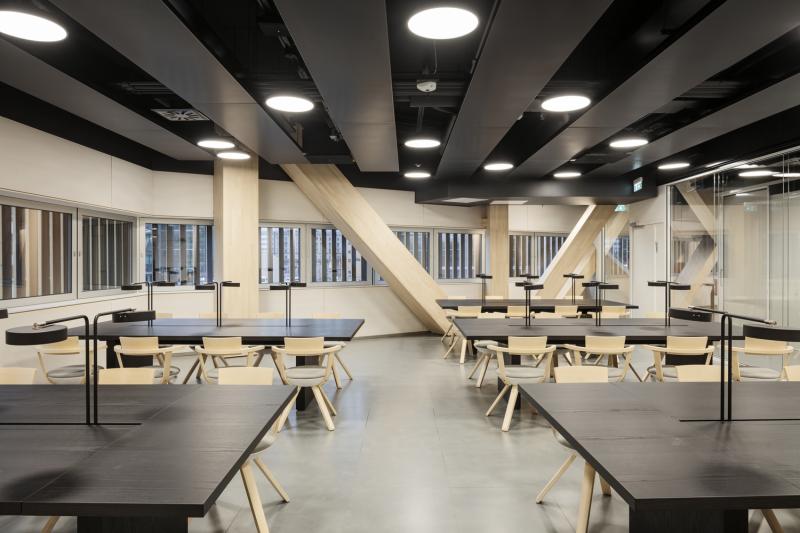
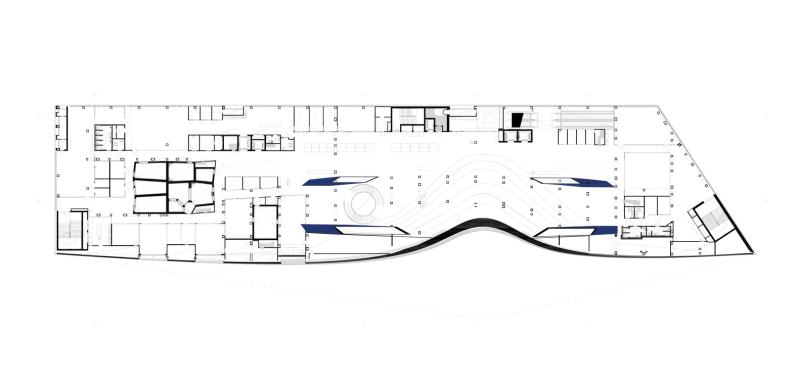
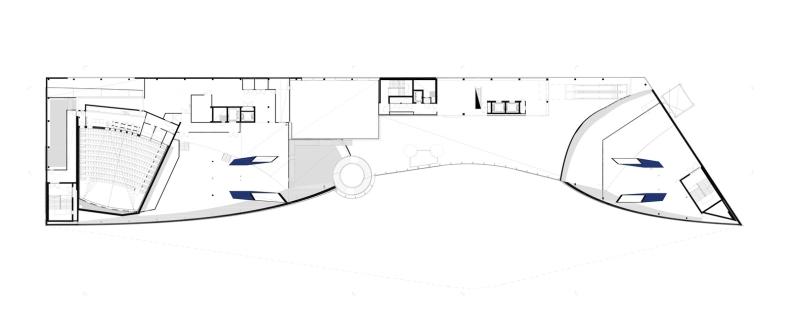
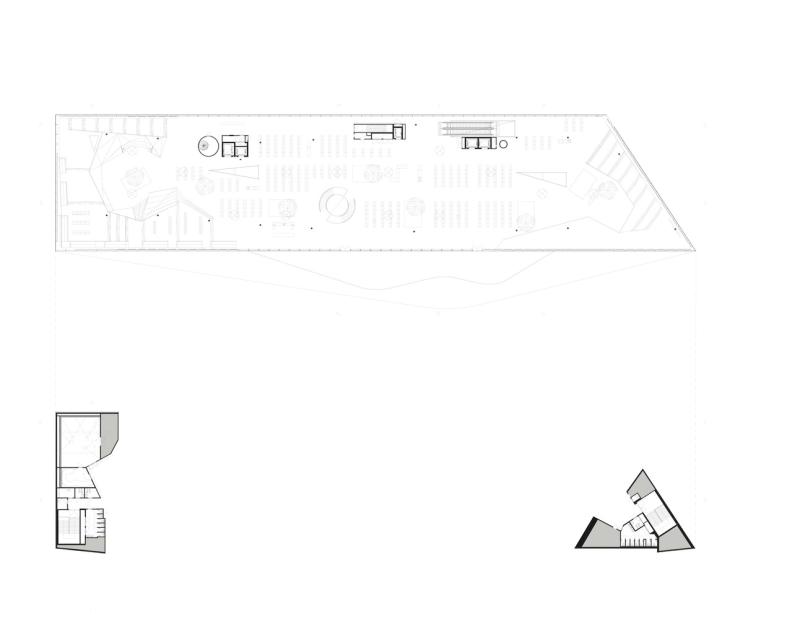
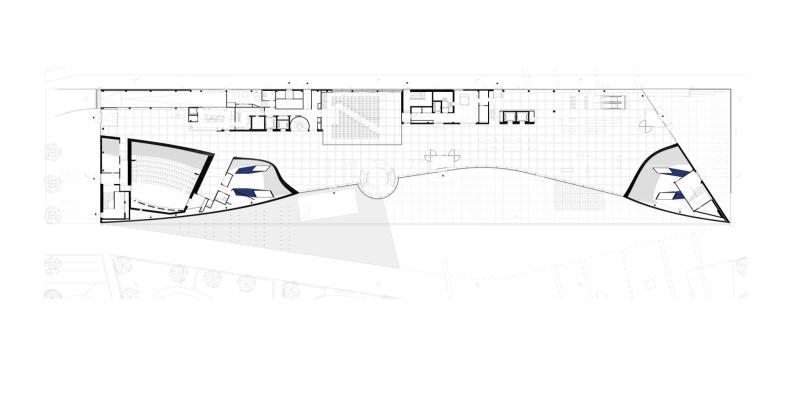
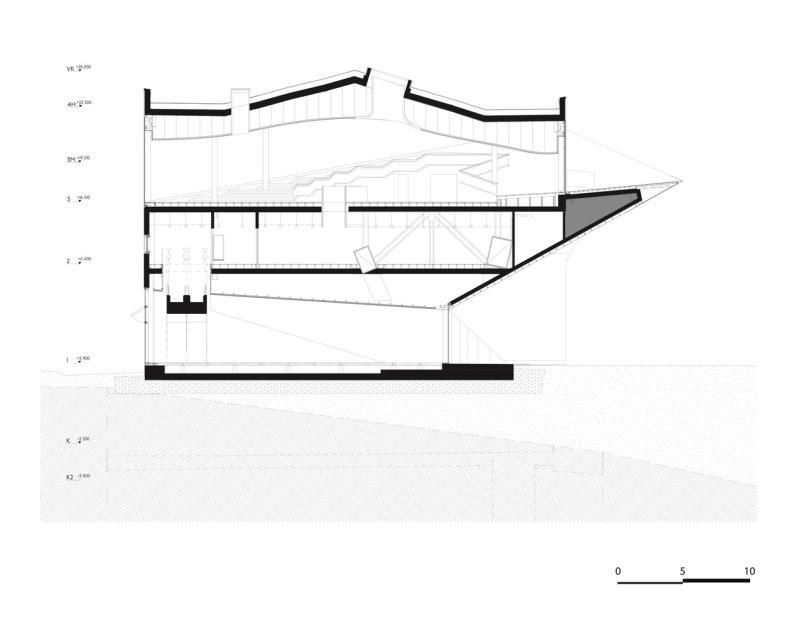
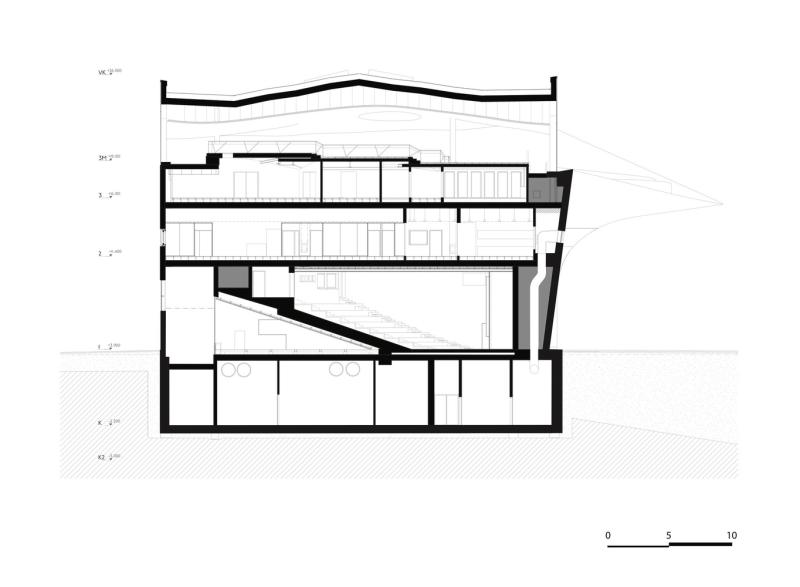
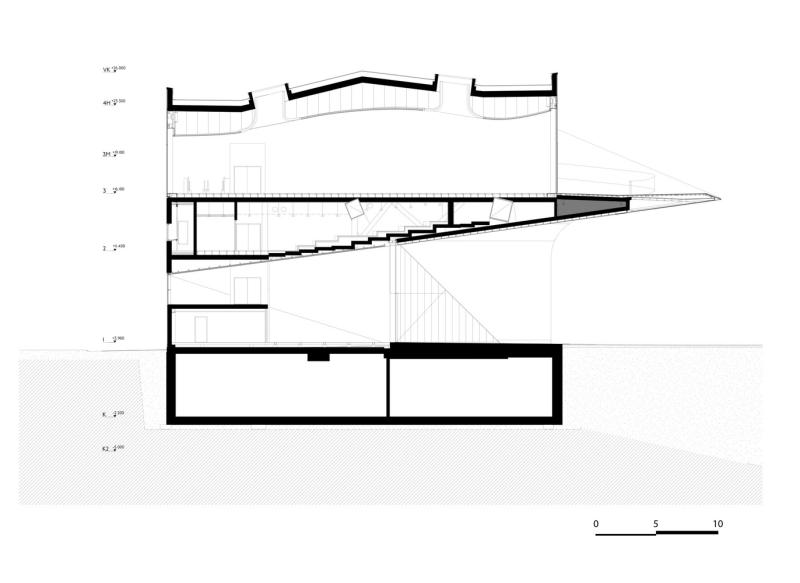
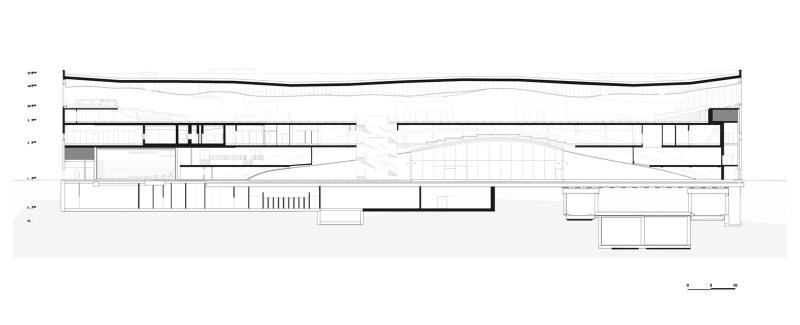
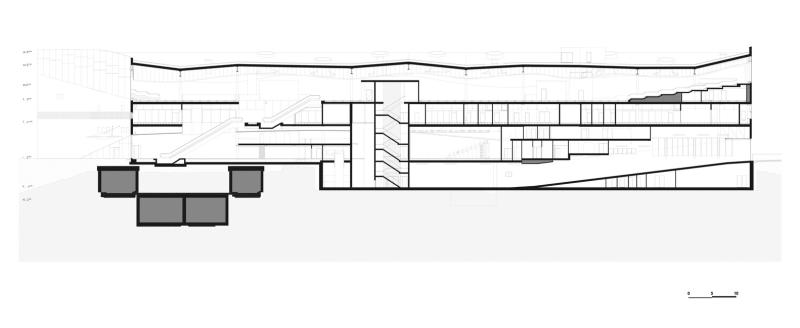
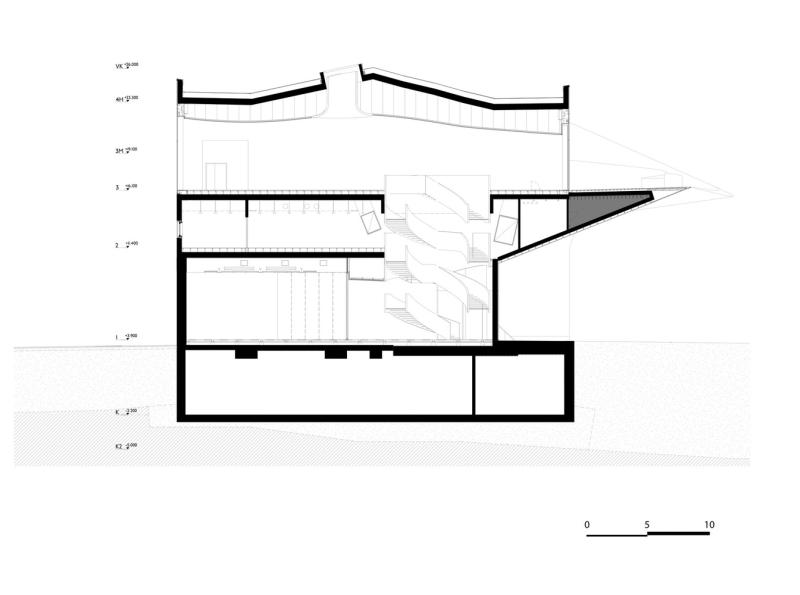
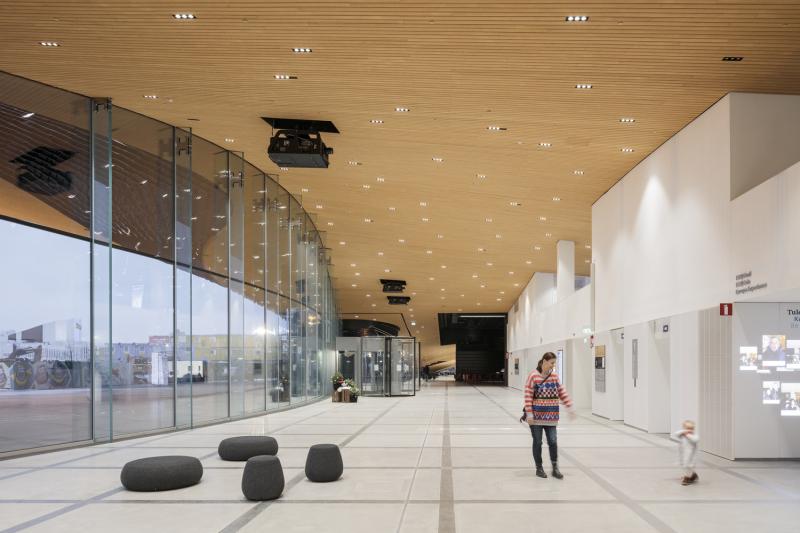
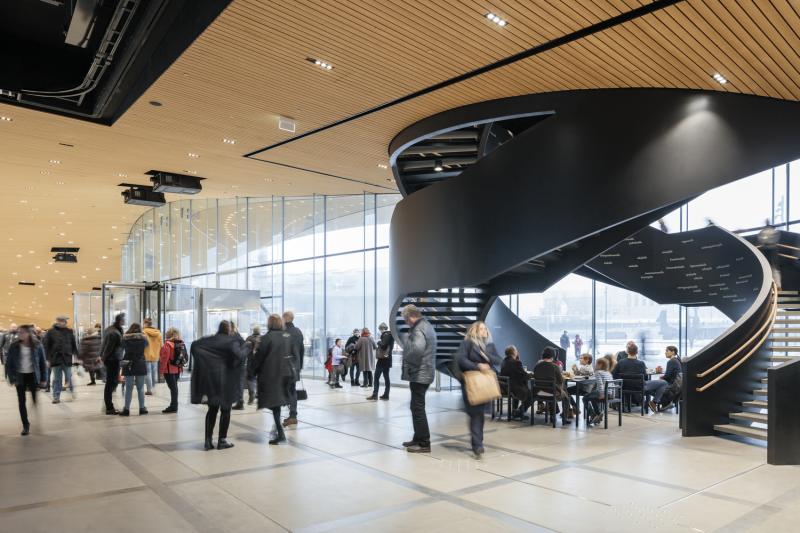
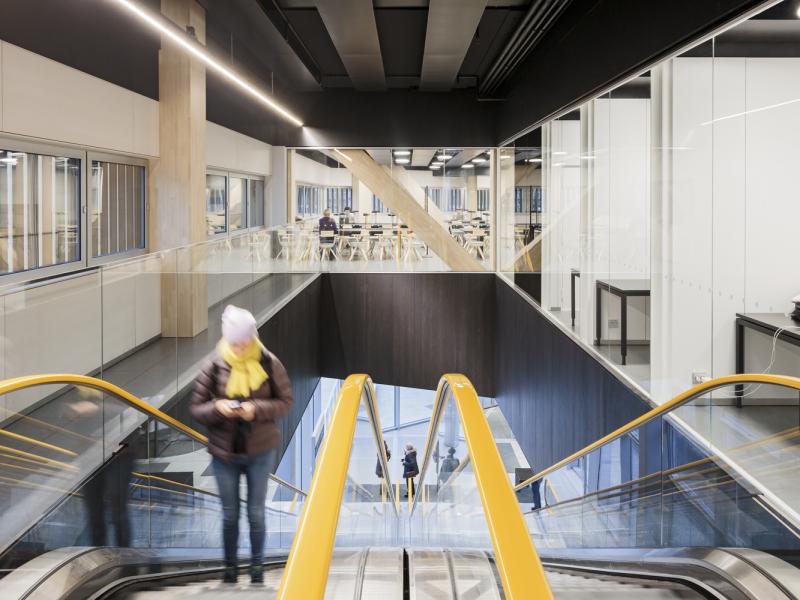
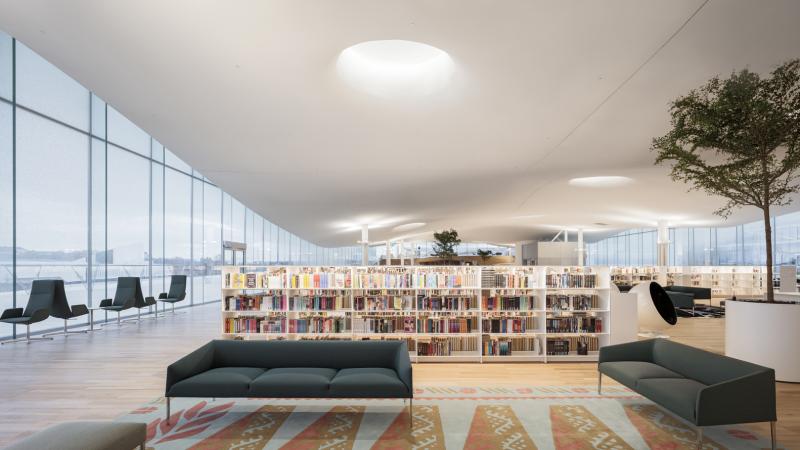
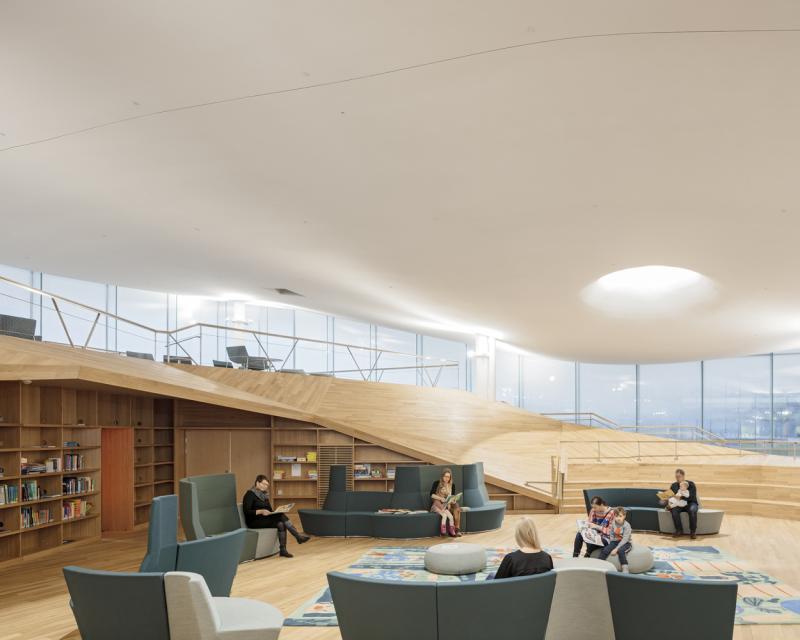
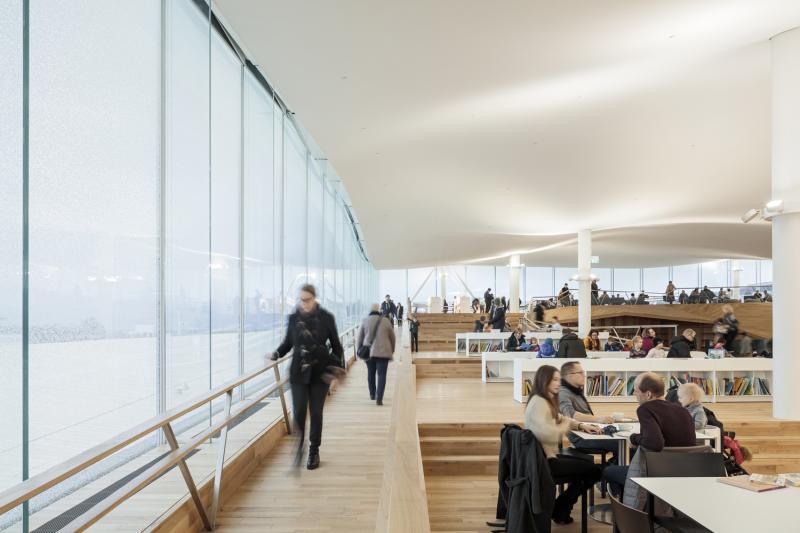
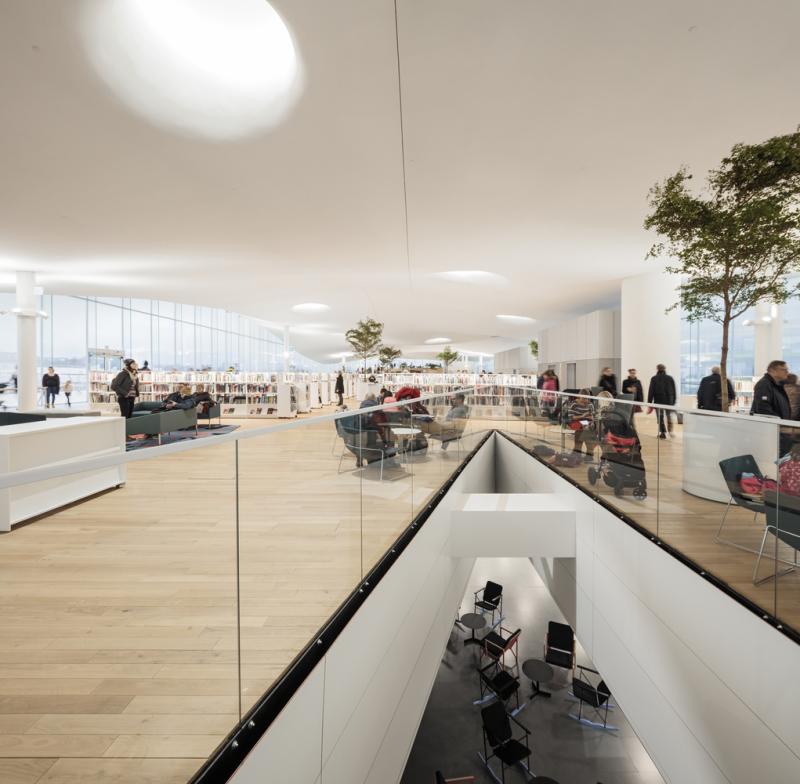
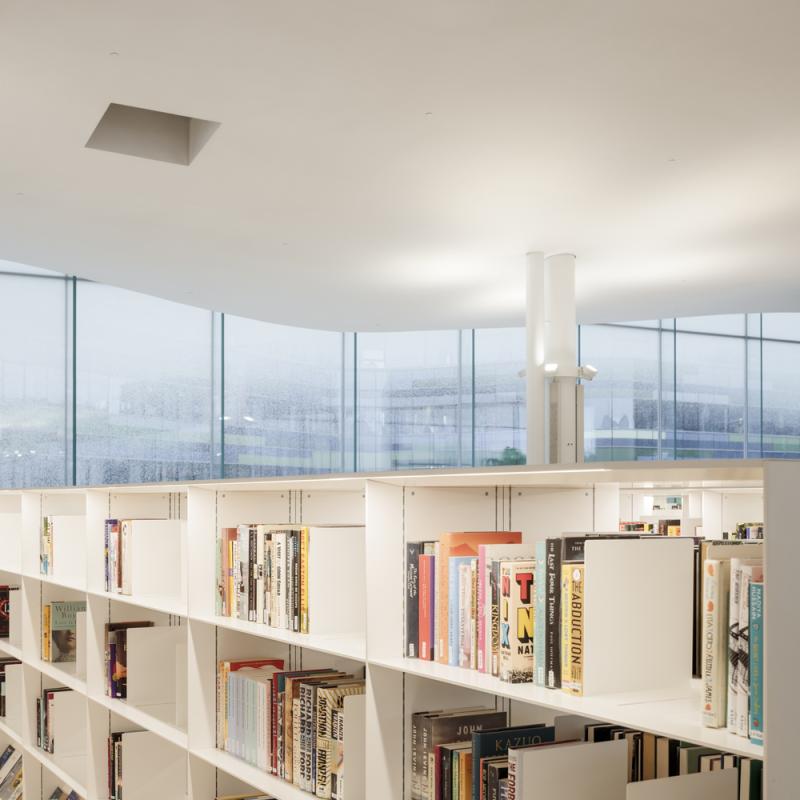
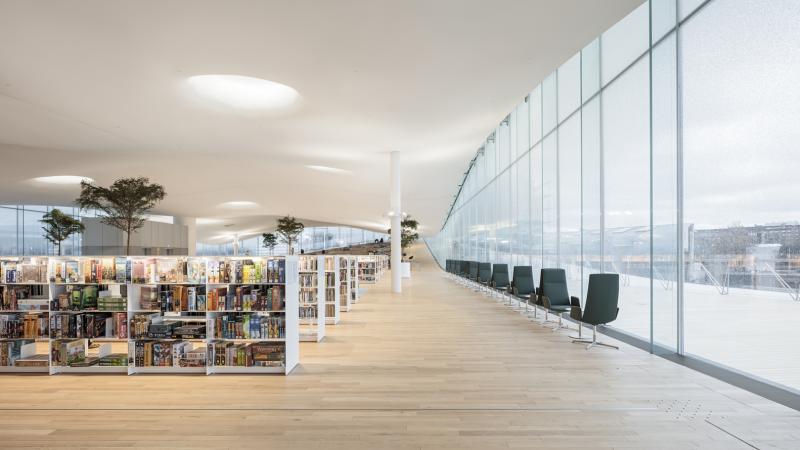
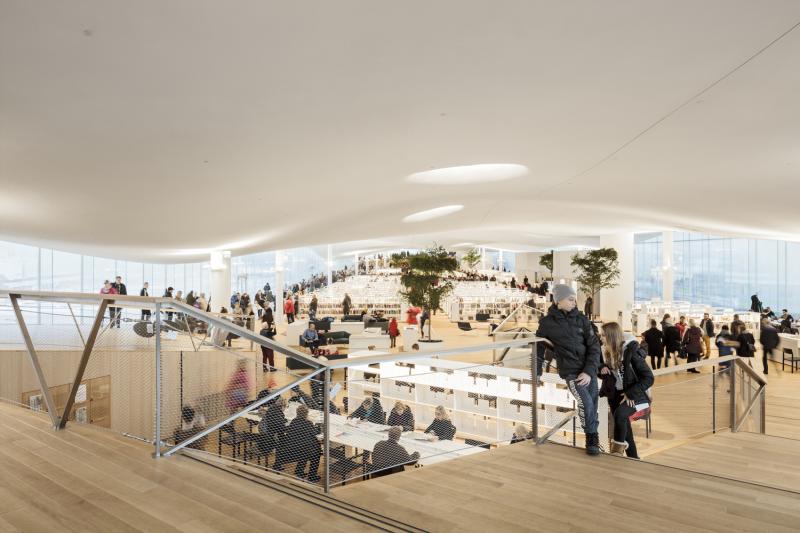
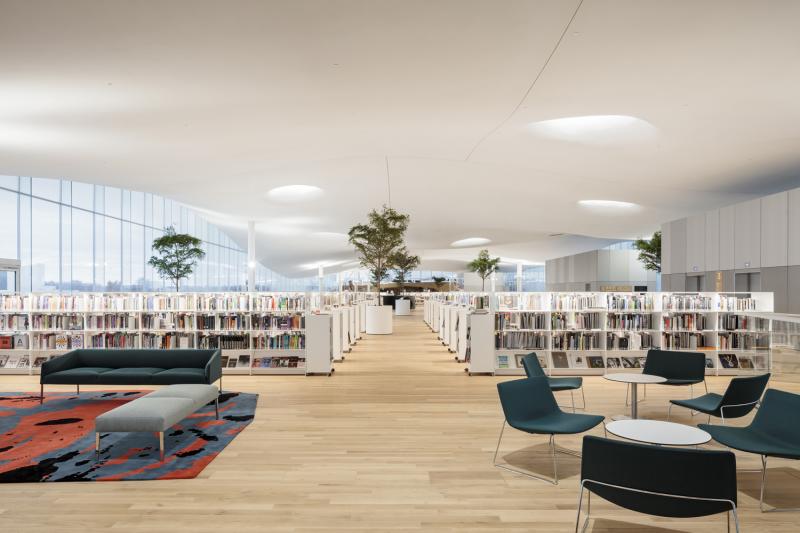
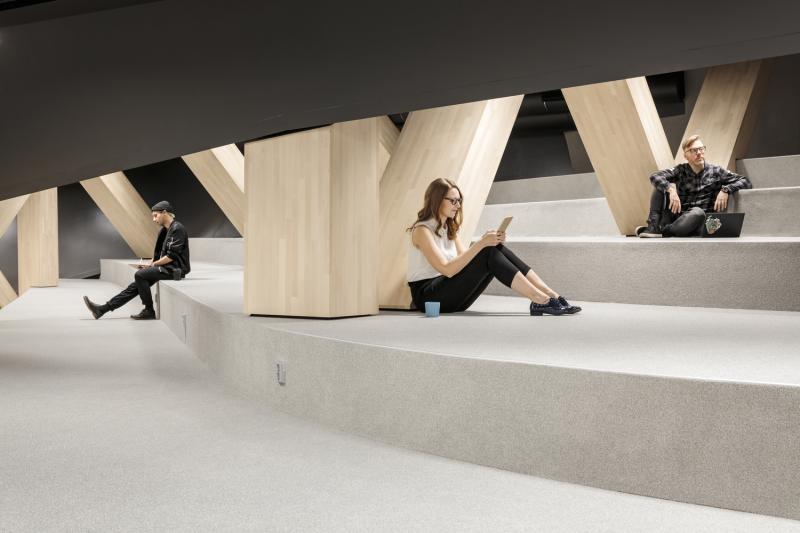
The interior is organized on three levels with distinct functions: the ground floor as a dynamic space for access and social interaction, the middle floor with multifunctional rooms for creative activities, and the top floor dedicated to the reading room. The latter stands out for its open design, bathed in natural light, which creates a quiet environment conducive to concentration.
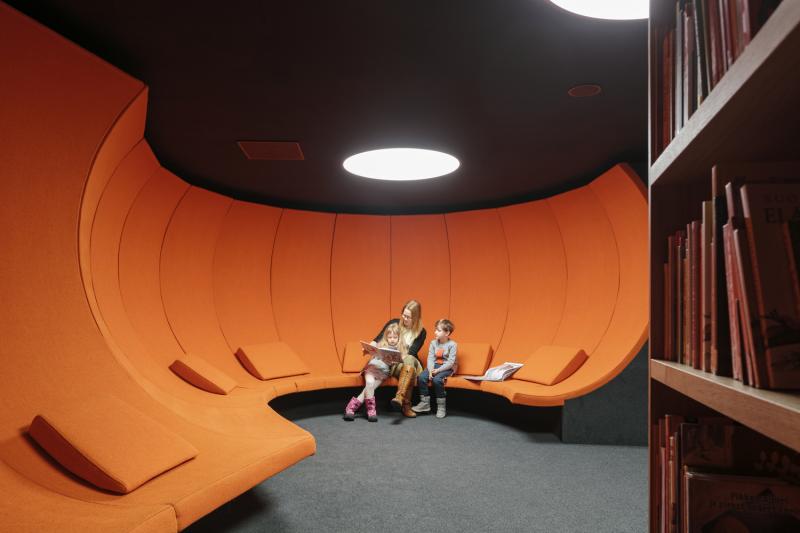
It is not simply a library in the traditional sense. Its multipurpose nature makes it an open cultural center, with collaborative workspaces, digital creation workshops, a cinema, cafes, and spaces for children. In this way, it responds to the needs of a contemporary society, in which the library is not limited to housing books, but fosters social interaction and innovation.
Its significance goes beyond the architectural. It is a project that embodies the values of equality, civic participation, and free access to culture. Its presence in the center of Helsinki, opposite the Parliament, symbolizes the fundamental place that knowledge occupies in Finnish public life.
Ultimately, the Oodi Library represents a synthesis of functionality, aesthetics, and social commitment. It is a building that demonstrates how architecture can transcend its material dimension to become an engine of community cohesion and a benchmark of cultural modernity.
Inés ARANA